Quick answer
Choose a dishcloth for quick-drying, compostable everyday wiping and spill handling. Choose a kitchen towel for heavy-duty drying, polishing, and tasks that require a larger absorbent surface. The right pick depends on whether you prioritize hygiene and disposability or durability and multi-surface use.
Absorbency and drying speed
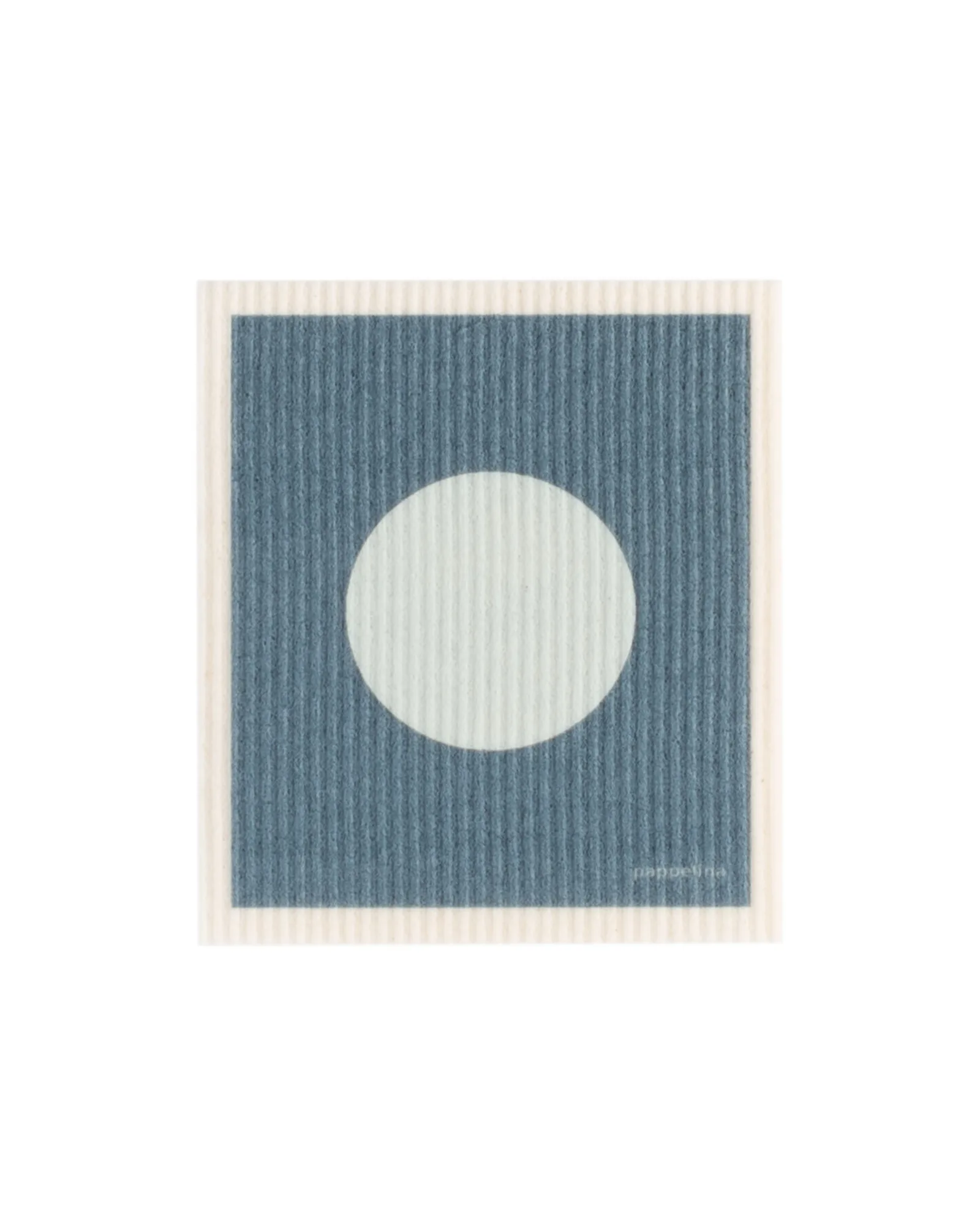
Dishcloths like the Pappelina VERA POP Blue Fog 2-Pack are made from 70% FSC®-certified cellulose and 30% cotton waste, giving them high absorbency for quick surface wiping. They dry fast, which helps reduce bacterial growth between uses. Kitchen towels, by contrast, are typically thicker and retain moisture longer, making them better for drying dishes or hands but slower to air out.
Durability and maintenance
Dishcloths can be washed up to 90°C (200°F) and are compostable within 6–8 weeks, so they have a shorter lifespan but are more eco-friendly at end of life. Kitchen towels are usually machine-washable and last for many cycles, but they are not biodegradable. If you prefer a low-waste option that you can toss in the compost, a dishcloth wins.
Versatility in daily use
Kitchen towels are great for drying glassware, polishing countertops, and handling hot handles. Dishcloths excel at wiping spills and cleaning surfaces because their material lifts grime without scratching. For general cleaning, a dishcloth is more practical; for drying and buffing, a towel is better.
Dishcloth vs kitchen towel trade-offs
- Absorbency vs drying speed: Dishcloths absorb well and dry fast, reducing bacteria risk. Kitchen towels absorb more but stay damp longer. Use a dishcloth for quick wipes; a towel for heavy drying.
- Eco-friendliness vs longevity: Dishcloths are compostable within 6–8 weeks. Kitchen towels last many washes but end up in landfill. If sustainability matters, choose dishcloths.
- Cleaning vs polishing: Dishcloths lift grime without scratching. Kitchen towels are better for drying and buffing glass or stainless steel. Keep both on hand for different tasks.
Product facts at a glance
- VERA POP Blue Fog - Dishcloth, 2-Pack: Our dishcloths are made from biodegradable natural fibers and designed for effective everyday cleaning. With high absorbency and quick drying performance, they are ideal for wiping surfaces and handling spills in the kitchen. Made from 70% FSC®-certified cellulose and 30% cotton waste, the cloth is compostable and decomposes naturally within 6–8 weeks. It can be washed up to 90 °C / 200 °F, cleaned in the… You get a high-performing cleaning tool that you can compost after weeks of use, reducing kitchen waste.
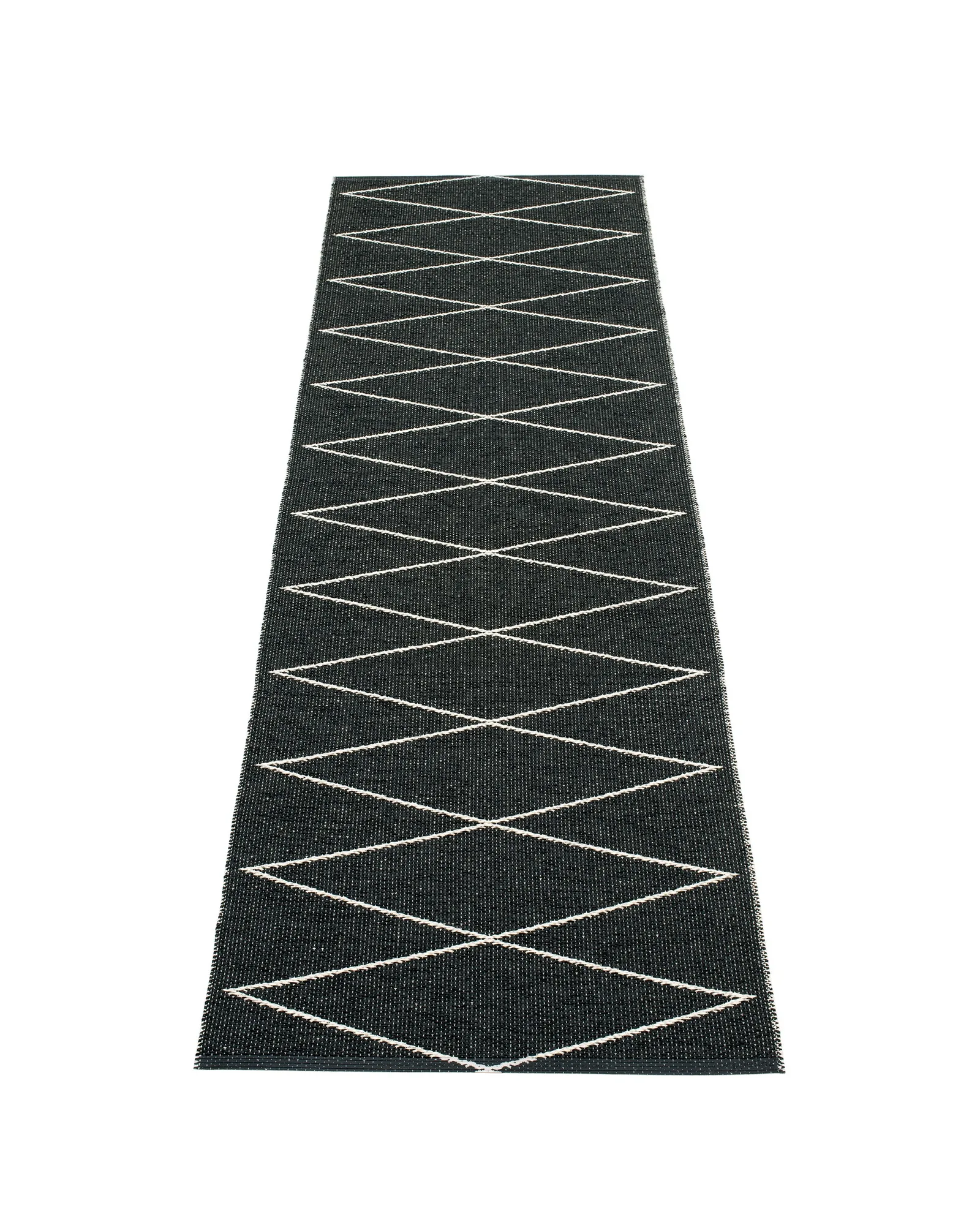
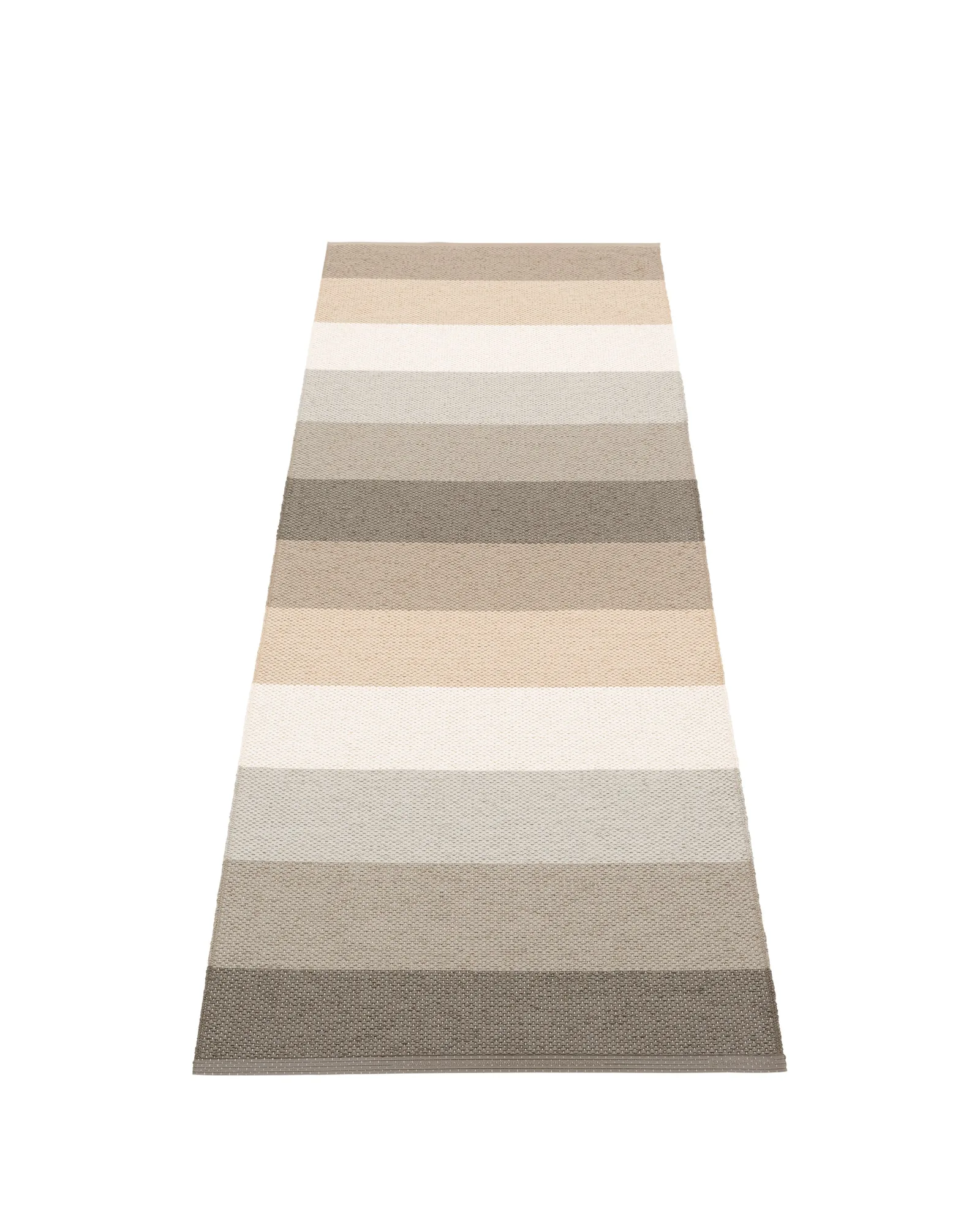
- MAX Rug: The MAX Rug from Pappelina delivers timeless Scandinavian style in a range of sizes and colors, making it an ideal choice for hallways, living rooms, dining areas, or any space that benefits from a sleek, understated floor covering. While not a dishcloth or towel, the MAX Rug shows Pappelina’s commitment to durable, stylish textiles for other areas of your home.
Which kitchen textile fits your routine?
Best for
- Eco-conscious cooks who want a compostable, quick-drying cloth for daily spills and surface cleaning
- Anyone who prefers a dedicated wipe that can be washed hot and replaced frequently
Not ideal for
- Heavy-duty drying tasks like drying large pots or glassware
- Those who want a single all-purpose cloth that lasts for months without replacement