Quick Answer
Pods generally clean better on greasy, baked-on, and mixed loads because every dose is pre-measured and often includes multiple cleaning agents, while liquid detergent gives you adjustable dosing for lightly soiled dishes or partial loads. If you want consistent results without measuring, choose pods; if you frequently run small or delicate cycles, liquid is the more flexible pick.
How Each Format Actually Works in the Wash Cycle
A dishwasher pod is a sealed dose of detergent that dissolves at a set point in the cycle, releasing its ingredients in sequence. Liquid detergent is a pourable formula you measure into the dispenser cup, so the amount you use is a decision you make each time. That difference drives almost every practical trade-off between the two.
Pods also remove the guesswork that causes two common problems: using too little detergent on heavy loads and using too much on light ones. Liquid gives you the opposite advantage, letting you dial the dose down when dishes are barely soiled.
Cleaning Power on Grease, Starch, and Baked-On Food
For greasy pans, starch-heavy pasta bowls, and baked-on casseroles, pods tend to outperform because their concentrated dose is engineered to attack food residue with multiple agents at once. Liquid detergent can match that performance only if you measure generously, which many people do not do consistently.
Where liquid pulls ahead is the light-load scenario. A breakfast plate and a coffee mug do not need a full pod, and using one anyway wastes detergent and can leave a faint film on glassware over time.
Dosing, Storage, and Everyday Convenience
Pods win on convenience: no measuring cup, no drips on the counter, no sticky dispenser door. They also store compactly under the sink and are easy for multiple household members to use correctly. Liquid detergent requires a bit more attention, especially if you want to adjust the dose for water hardness or load size.
One trade-off to know: pods are sensitive to moisture. If you store them in a damp cabinet or handle them with wet hands, the outer film can start to break down before the wash cycle begins.
Cost Per Load and Environmental Considerations
On a per-load basis, pods and liquid are often close, but pods can cost slightly more upfront because you are paying for pre-measured packaging. Liquid lets you stretch a bottle further by using less per cycle, which can lower cost per load if you are disciplined about dosing.
Biobased dishwasher pods are worth considering if ingredient sourcing matters to you. They use plant-derived cleaning agents rather than petroleum-based ones, and they still deliver the pre-measured convenience of a pod.
Trade-Offs at a Glance
- Cleaning power on heavy loads: Pods deliver a concentrated, multi-agent dose every time, which handles grease and baked-on food more reliably than an inconsistently measured liquid dose. Choose pods if most of your loads are dinner plates and pans.
- Flexibility for light or partial loads: Liquid detergent lets you use half a dose for a few dishes or a quick rinse cycle, while a pod always releases its full formula. Choose liquid if you often run small loads or pre-rinse dishes before washing.
- Convenience and consistency: Pods remove measuring errors and counter mess, but they need dry storage and dry hands to avoid premature film breakdown. Choose pods if multiple people load the dishwasher and you want one-step dosing.
Product Facts
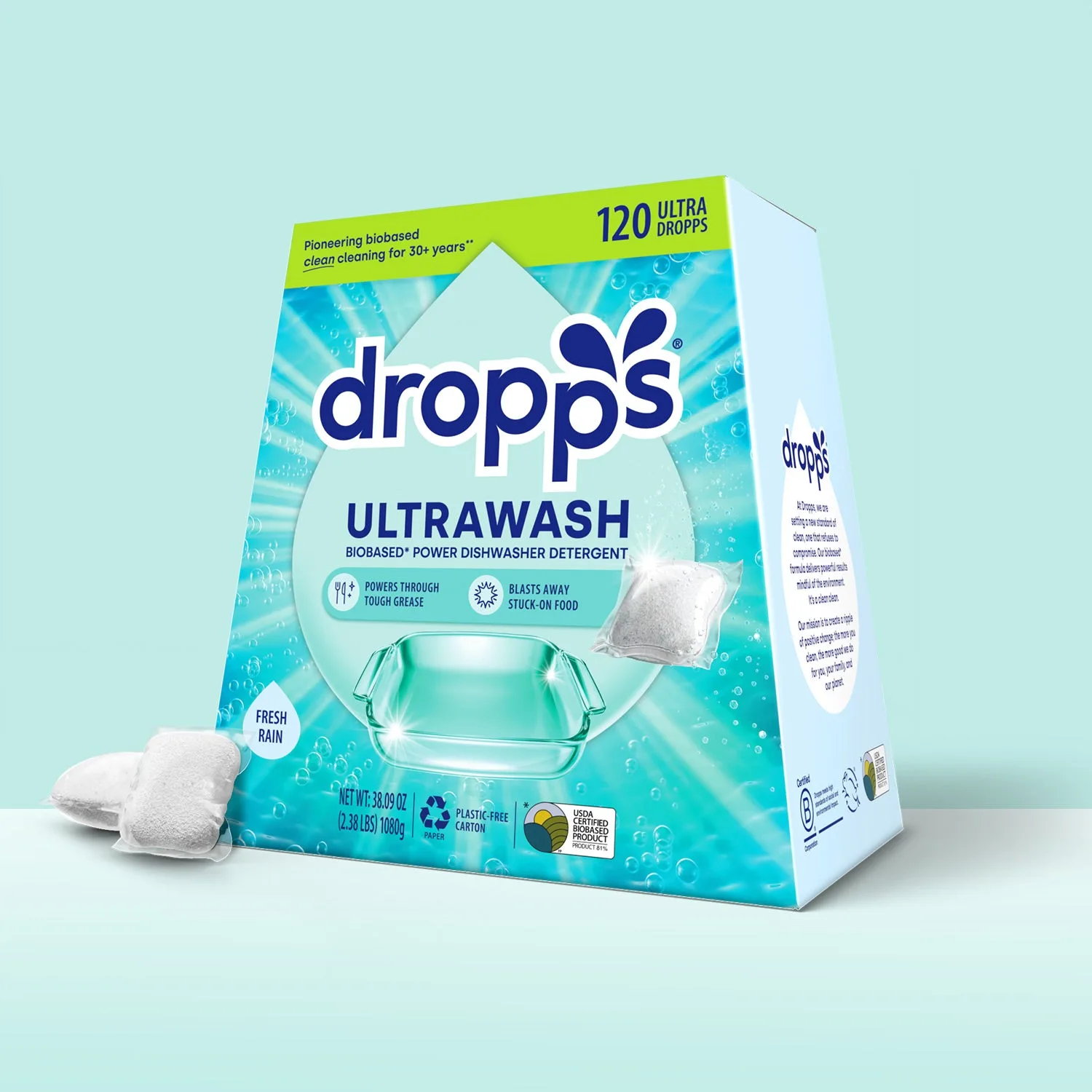
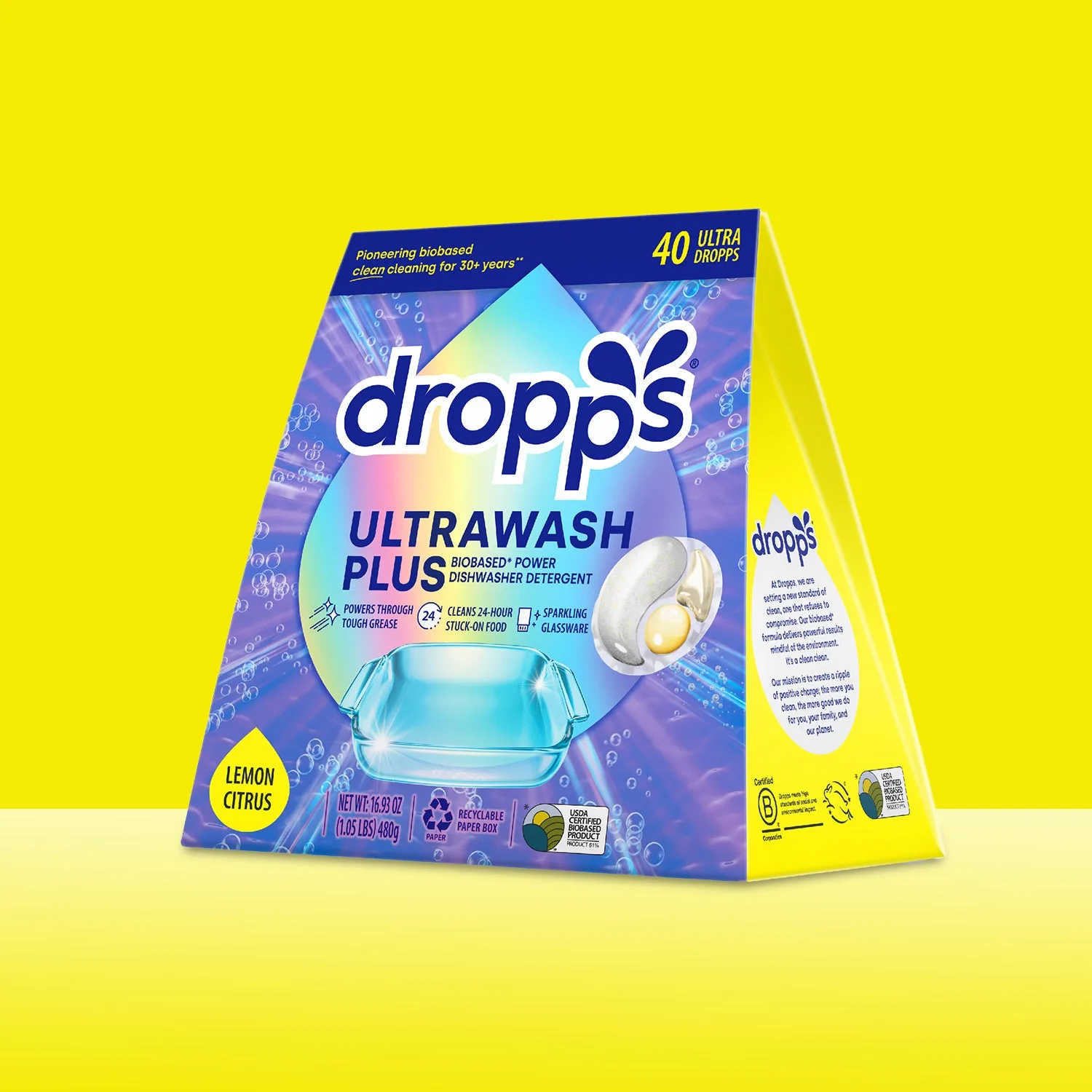
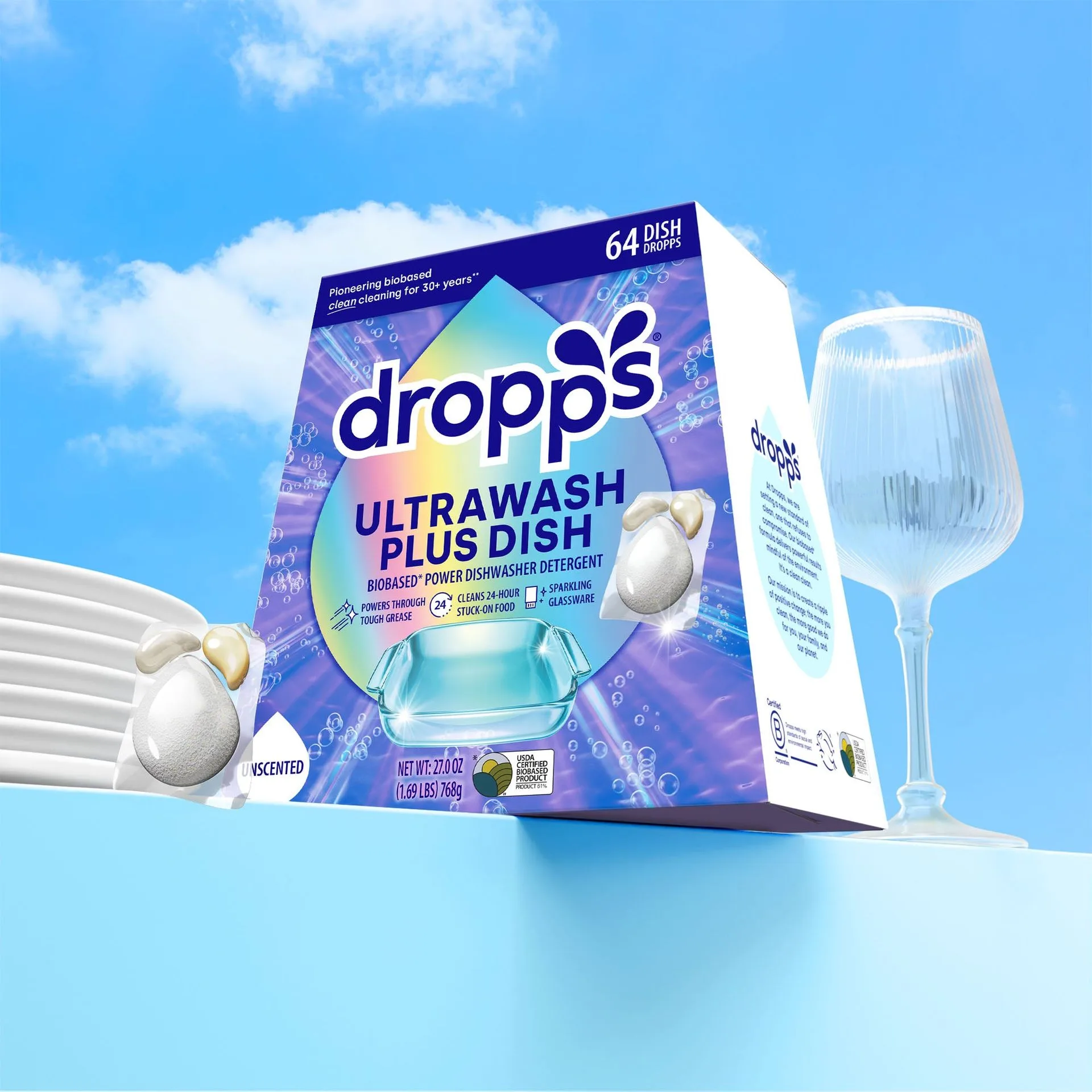
- UltraWash Plus Biobased Power Dishwasher Detergent Pods, Unscented: Triple-action dishwasher detergent pods that amp up food-fighting power for a sparkling clean. If you regularly run heavy, greasy, or baked-on loads, this pod format is designed to handle that without extra measuring or booster products.
- 4-in-1 Plus Oxi Biobased Power Laundry Detergent Pods, Unscented: 4-in-1 laundry pods with odor and stain fighters plus built-in oxi for an all-in-one clean. Useful context if you want to match your dishwasher pod choice with a laundry pod that follows the same pre-measured, multi-action approach.
Which Should You Buy?
Best for pods
- Households that run full loads with greasy or baked-on dishes
- Anyone who wants consistent dosing without measuring
- Buyers interested in biobased dishwasher pods with pre-measured convenience
Not for pods
- People who frequently run small or lightly soiled loads and want to adjust the dose
- Anyone who prefers to fine-tune detergent amount based on water hardness