Quick answer
Display Japanese art books upright on sturdy, adjustable shelving away from direct sun, and store them in a stable, dry room where humidity stays moderate. Keep heavy volumes flat only when their size demands it, and check the shelves and book spines twice a year.
Why Japanese art books need a different approach
Many Japanese art books are printed on coated paper and bound with exposed spines or slipcases. That makes them beautiful to display, but also more sensitive to light, moisture, and pressure than a standard novel. The goal is to let the covers and page edges be seen without letting the environment damage them.
Books that reproduce newspaper and magazine advertisements, or folk craft photography, often have large trim sizes and heavy paper blocks. Weight is the main structural risk: a sagging shelf or a tightly packed row can distort the spine before any humidity problem appears.
Where to place the shelf in a real room
Away from windows is safer than a dramatic sunlit wall. If the only available wall gets direct sun, use a shelf with a solid back or add a linen curtain rather than relying on the book covers to block light. Interior walls are less likely to swing in temperature than walls shared with a bathroom or an unheated exterior.
Avoid the floor of a basement or a shelf directly above a radiator. In small apartments, a hallway or an interior living-room wall usually offers the most stable conditions.
Step-by-step: display and store your collection
- 1. Measure the largest book first: Note the height, width, and thickness of your tallest and heaviest volumes before buying shelving. Leave at least 3 cm of clearance above the tallest book so you can lift it out without scraping the spine. If a book is wider than the shelf depth, it will overhang and catch on doorframes or passers-by.
- 2. Choose adjustable, rigid shelving: Pick shelves with metal brackets or thick wooden boards rated for the weight. Space shelves so each row supports books upright, and avoid thin glass shelves for large art books. A shelf that bows under load will press unevenly on the spines below it.
- 3. Store upright, but not too tightly: Stand books vertically with the spine facing out and leave a finger-width gap between volumes. If a book leans, use a bookend rather than packing more books around it. Pulling a book out by its top edge is the most common way to tear a spine; grip the sides instead.
- 4. Lay oversized volumes flat, in small stacks: If a book is too tall for the shelf, lay it flat with no more than two other books on top. Alternate the direction of the spines in the stack so the weight sits evenly. Long-term stacks of five or more heavy books can leave permanent pressure marks on the bottom cover.
- 5. Control humidity and temperature: Aim for a stable indoor environment and avoid rooms that feel damp or fluctuate sharply. Use a simple hygrometer to check the shelf area, and keep books away from exterior walls that condense moisture in winter. If you notice wavy pages or a musty smell, move the books to a drier room before cleaning them.
- 6. Shield from light and dust: Keep shelves out of direct sun and dust weekly with a soft, dry cloth along the top edges. For books with dust jackets, leave the jacket on; it takes the wear instead of the cover. Never store art books in sealed plastic bags; trapped moisture causes more damage than dust.
- 7. Rotate display copies and check twice a year: If you display a book face-out on a stand, rotate it every few months so the same pages are not constantly exposed to light. At the same time, check for loose hinges, sagging shelves, and any sign of insect activity. A quick biannual check catches shelf sag and spine damage before it becomes permanent.
Two books that suit a display shelf
-
日本の広告美術 明治・大正・昭和2 新聞広告・雑誌広告: This volume collects newspaper and magazine advertisements from the Meiji, Taisho, and Showa eras. Its period-specific content makes it a natural reference book to keep accessible rather than boxed away.
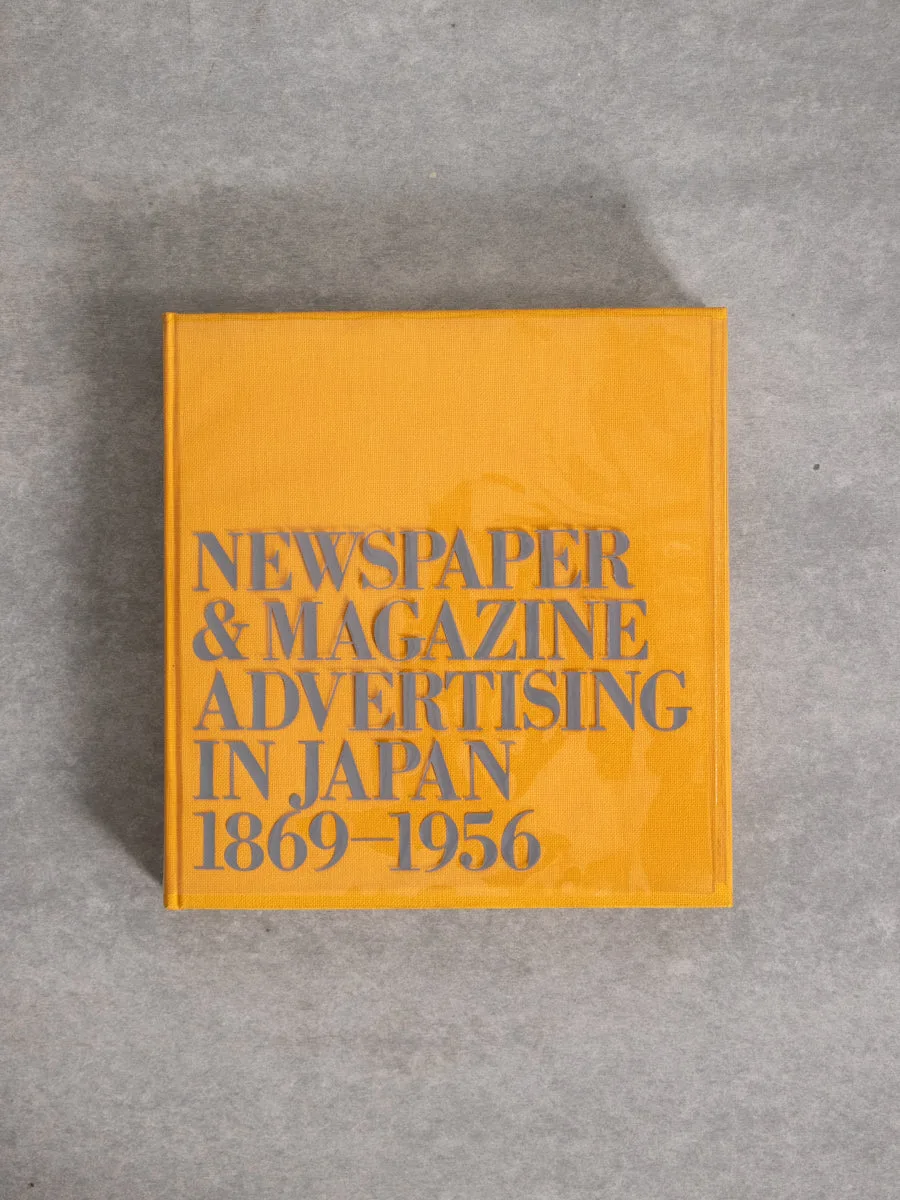
日本の広告美術 明治・大正・昭和2 新聞広告・雑誌広告
-
世界の美しい民藝: World's Beautiful Folk Crafts is a photographed survey of traditional crafts from different regions. Its visual format works well displayed face-out or on a low shelf where the cover can be seen.
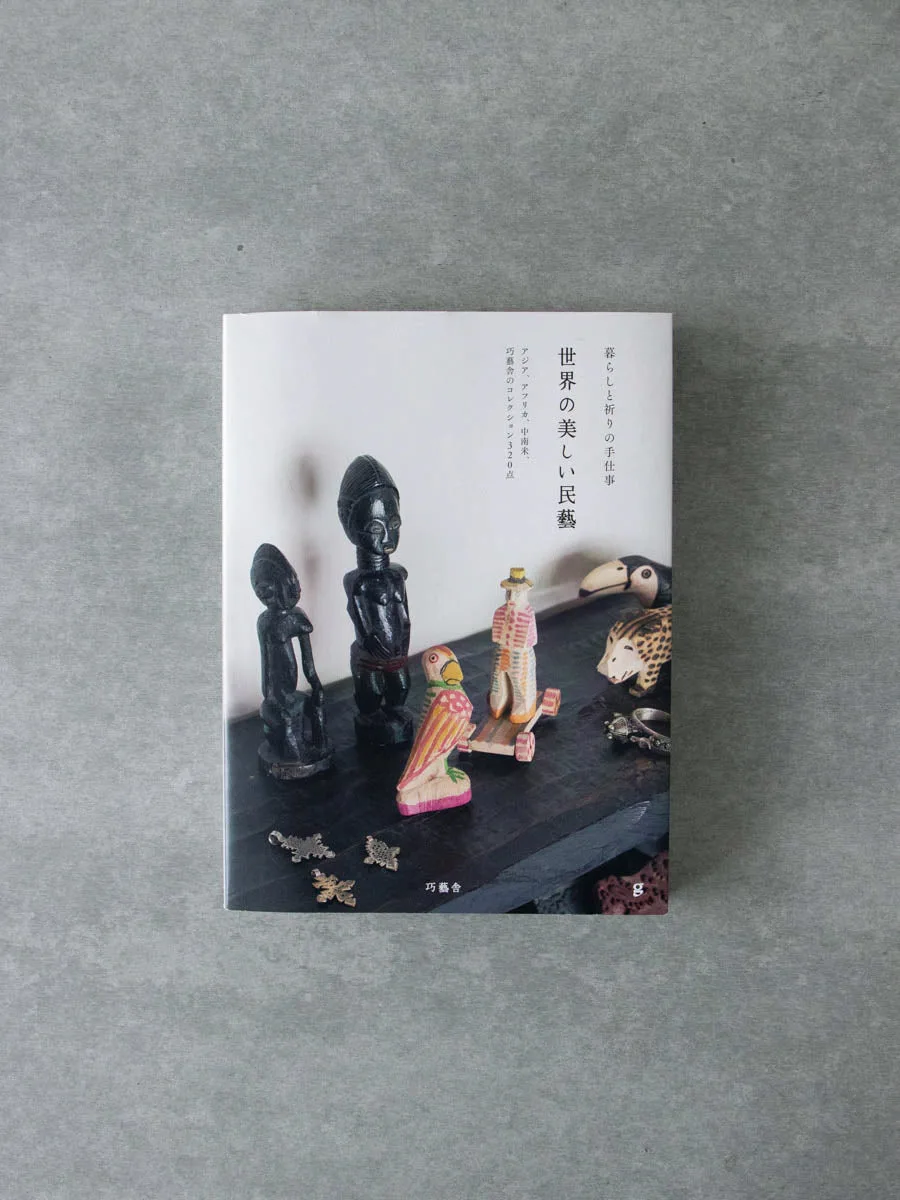
世界の美しい民藝