Quick answer
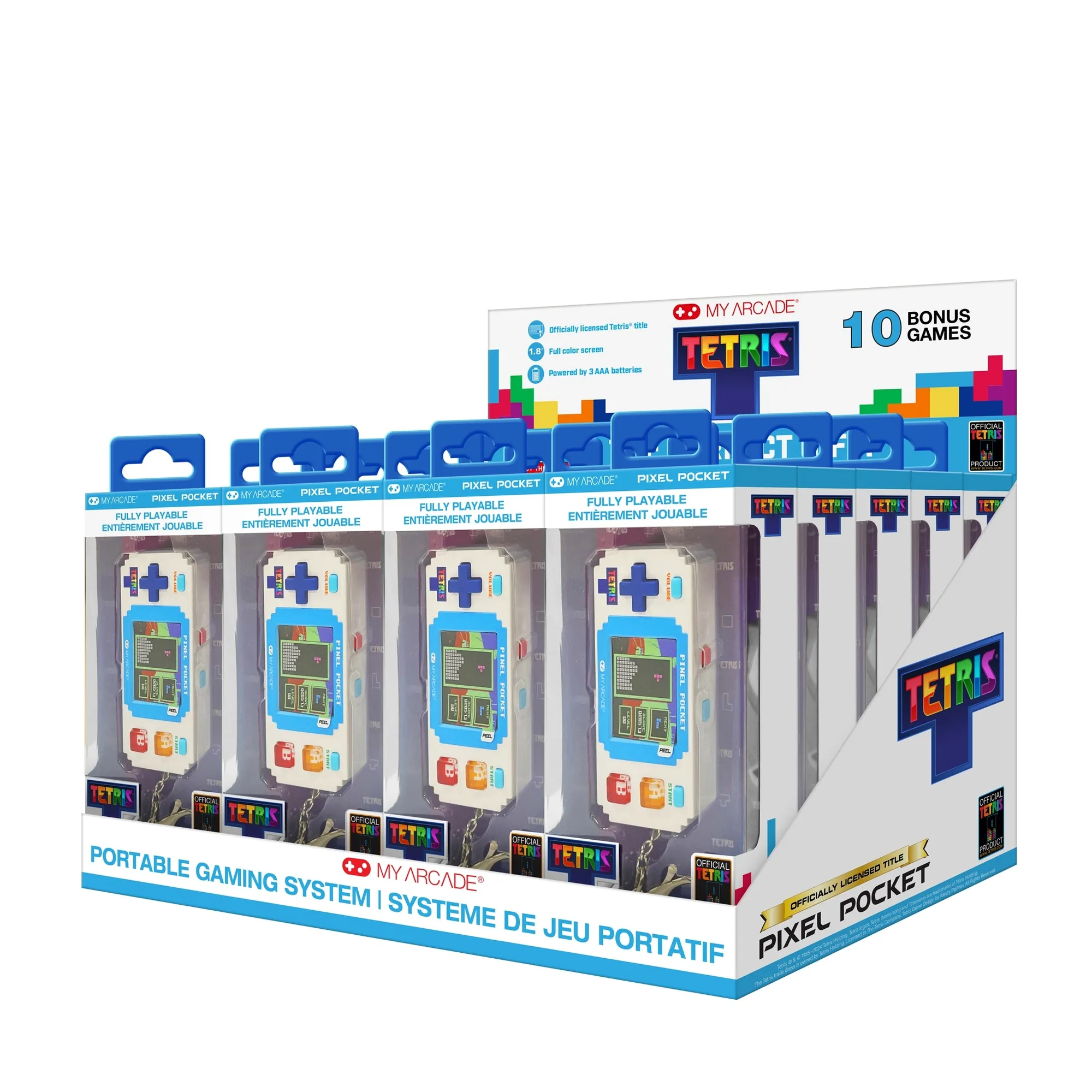
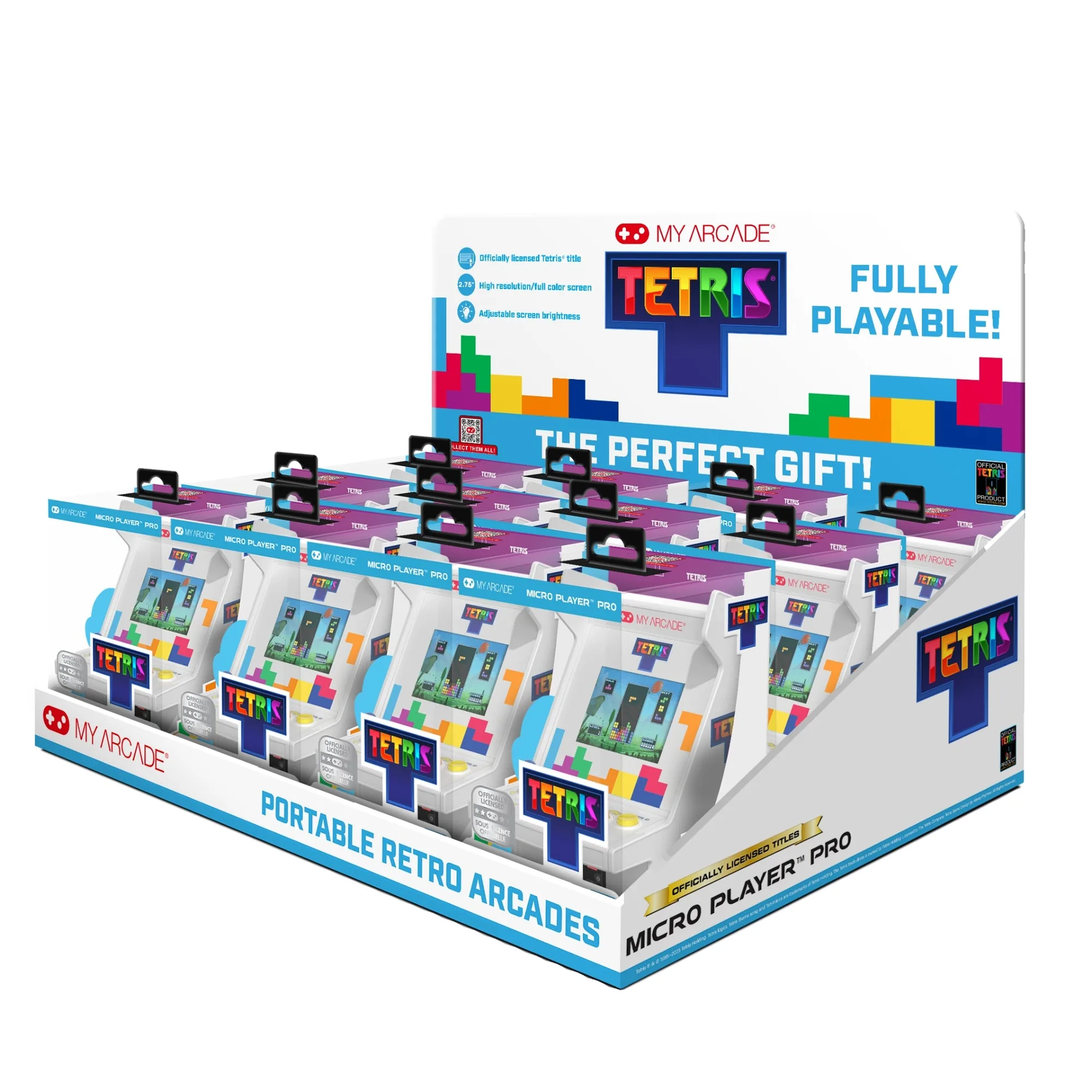
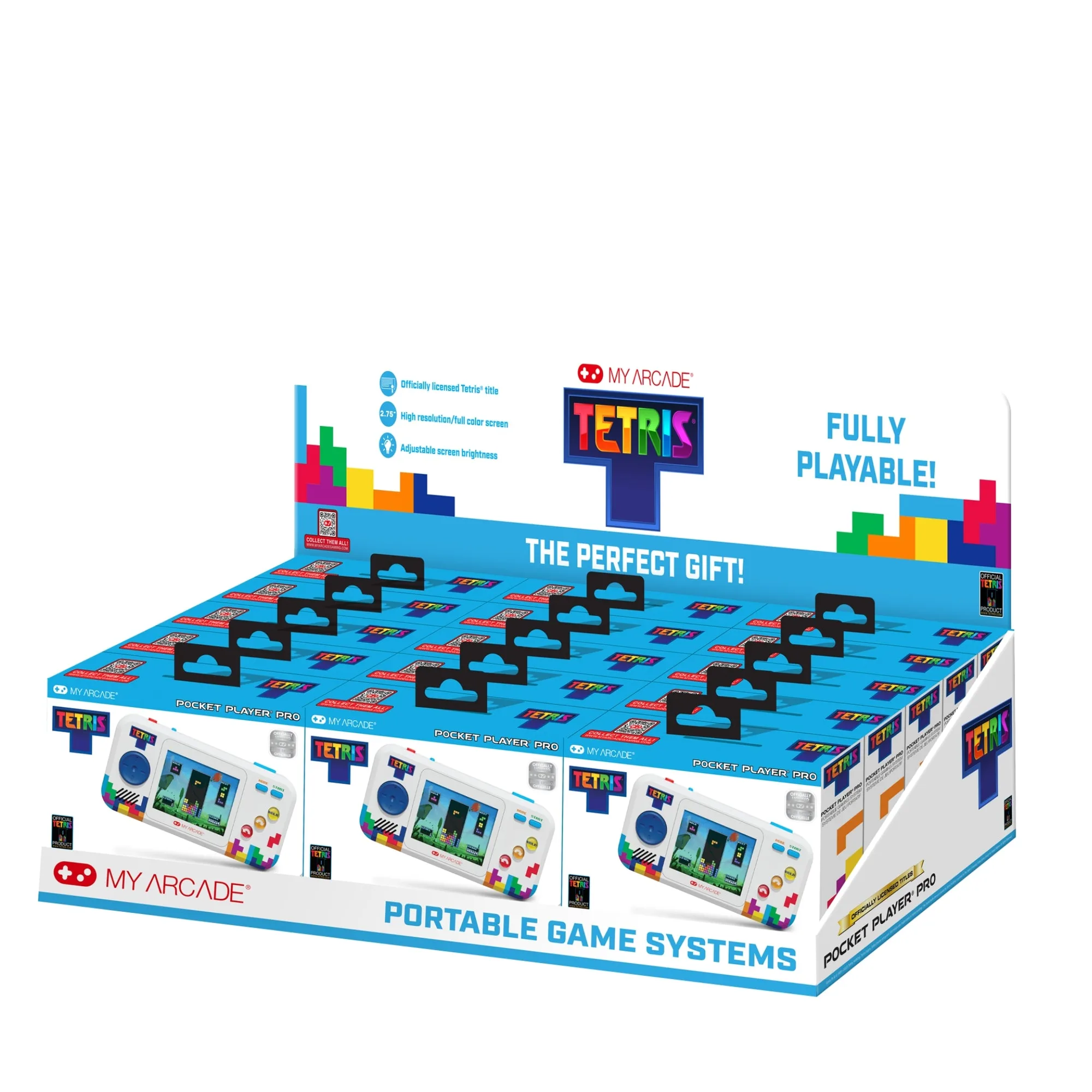
Choose a display tray by matching the slot count and footprint to your handhelds, not by the lowest price per unit. For a retail counter or a large collection, a 15 piece display tray such as the TETRIS POCKET PLAYER PRO TRAY -15 PCS keeps one SKU visible and ready to sell. For a small personal shelf, buy the smallest tray that fits your handhelds so you do not pay for empty slots.
Start with slot count, then work backward to size
Slot count is the fastest filter. A 15 piece display tray is designed to hold 15 units of one specific handheld, while a 12 piece tray size is usually a tighter footprint for smaller collections. Count the handhelds you actually own or plan to display, then add two or three spare slots for future additions. Buying a tray with far more slots than you need wastes counter or shelf space and can make a small collection look sparse.
If you are splitting a tray between different handheld models, measure the widest and thickest device first. Slot spacing that fits a slim pocket player may not fit a joystick-style handheld with a larger body. When a tray is sold as a single-SKU pack, the slot layout is fixed, so confirm the included model before assuming it will hold mixed devices.
Match the tray to the handheld body, not just the screen
A handheld's screen size tells you very little about whether it will sit well in a tray. What matters is the overall body depth, button protrusions, and whether the device has a joystick or a flat face. Flat, pocket-sized handhelds slide into narrow slots easily. Devices with raised controls need more vertical clearance and a wider slot so they do not rest on the buttons.
For a tray used on a retail counter, pick a layout that lets a shopper pick up one unit without knocking over its neighbors. For a personal shelf, a slightly looser fit is fine because you are not restocking daily. If you cannot find the exact internal dimensions, treat the tray as a display and storage aid rather than a protective case, and keep a separate case for travel.
Decide between a retail tray and a personal organizer
Retail trays are built around a single product and a single price point. They are meant to be opened, restocked, and placed near a register. A personal retro handheld organizer serves a different job: it keeps a mixed collection visible and dust-free at home. The same tray can do both, but the trade-offs change. A retail tray usually wins on unit economics, while a personal organizer wins on flexibility.
If your goal is to sell or gift handhelds, a multi-pack tray lowers your per-unit display cost. If your goal is to enjoy your own collection, buy for the devices you own today and accept that a future handheld may need a second tray.
Check power, ports, and access before you commit
A tray that blocks a charging port or headphone jack forces you to remove the handheld every time you use it. Look for open sides or cutouts if you plan to leave devices powered or charging. This matters most for handhelds that run on AA batteries or USB-C, because frequent removal wears down the fit and adds handling time.
If the tray will sit in a bright room, consider how the handheld screen faces. Angled or upright slots can reduce glare and make the display easier to read. None of this is visible in a slot count alone, so read the product description for port and power details before buying.
Decision rules for choosing a display tray
- Rule 1: Buy for the devices you own today: Count your handhelds, add two spare slots, and buy that size. A 15 piece display tray is overkill for three devices, while a 12 piece tray size may be too tight if you plan to add more. If your count is under five, start small and expand later.
- Rule 2: Single-SKU trays are for retail, mixed trays are for collections: A tray that includes 15 units of one model is built for point-of-purchase display. If your handhelds are a mix of brands and body styles, prioritize slot width and depth over unit count. Match the tray's intended use to your actual use.
- Rule 3: Measure the thickest handheld, not the average: Joystick-style handhelds and devices with raised buttons need more clearance than flat pocket players. If the tray description does not list internal dimensions, treat it as a display aid and keep a separate case for transport. When in doubt, choose the tray with wider slots.
- Rule 4: Check port access if devices stay powered: A tray that covers charging ports or headphone jacks forces removal every time. Look for open sides or cutouts if you plan to leave handhelds on display and ready to play. Access matters as much as fit for daily-use trays.
Product facts that affect tray fit
- TETRIS POCKET PLAYER PRO TRAY -15 PCS: Includes 15 units of the Tetris Pocket Player Pro (DGUNL-7028) in a countertop point-of-purchase retail display tray. This is a single-SKU 15 piece display tray, so it suits a retail counter or a focused Tetris display rather than a mixed handheld collection.
- GO GAMER CLASSIC- Black/Blue: The Go Gamer Classic is a handheld gaming system with a full color 2.5-inch screen and 300 built-in games, sized to fit in a pocket, purse, bag, or backpack. Its small, pocket-friendly body is the type of handheld that fits narrow tray slots, making it a good reference point when judging slot width.
- PAC-MAN Pixel Pocket Pro: PAC-MAN Pixel Pocket Pro is a handheld version of the classic maze-chase arcade game. A single-title handheld like this is best displayed in a tray that groups similar pocket players, not one mixed with larger joystick units.
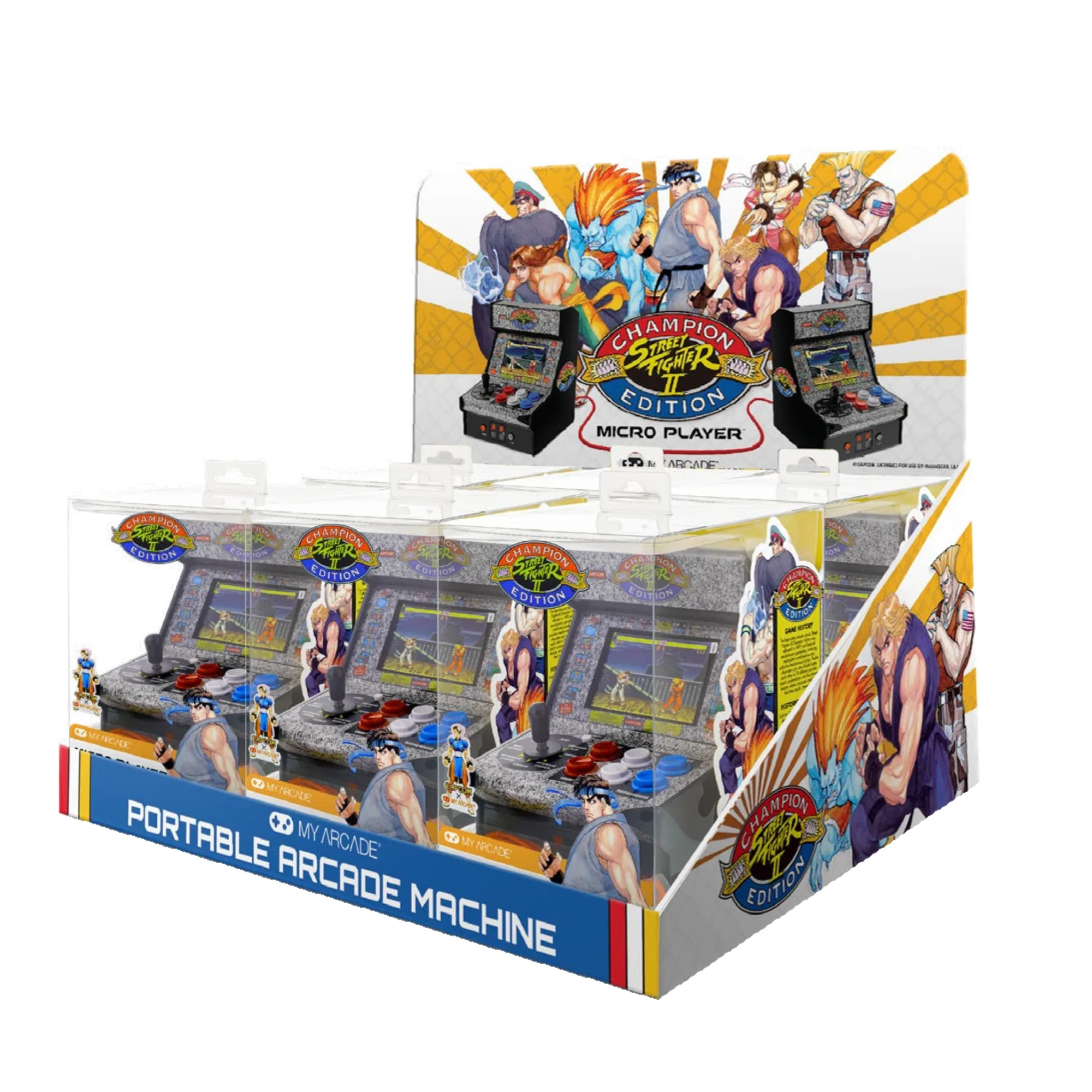
- Ms.PAC-MAN Joystick Player: The Ms.PAC-MAN Joystick Player is a handheld game with a sleek, portable design for on-the-go casual play. Joystick-style handhelds need more slot clearance than flat pocket players, so check tray depth before assuming a standard slot will fit.
Who should buy which tray
Best for
- Retailers or event sellers who need a countertop display for one handheld SKU
- Collectors with a focused set of pocket players who want a tidy, visible organizer
- Gift buyers who want a ready-to-display set of handhelds rather than loose units
Not for
- Collectors with a mixed set of large joystick handhelds and small pocket players
- Anyone who needs a protective travel case rather than a display tray
- Buyers who want adjustable slot sizes or custom layouts