Start with a pad that fits your day
Disposable breast pads are a simple tool for managing leaks, but how you use them makes a real difference to comfort and confidence. Tommee Tippee disposable breast pads are designed to fit you and provide extra protection against leaks, so you can stay dry and comfortable. This guide walks through positioning, changing, and nighttime use so you can get the most from each pad.
How to position a disposable breast pad
A well-placed pad stays flat and catches leaks where they happen. Follow these steps each time you put on a fresh pad.
- Wash and dry your hands: Clean hands reduce the chance of transferring germs to the pad or your skin.
- Peel the backing: Remove the adhesive backing and hold the pad by its edges to keep the absorbent surface clean.
- Center the pad over your nipple: Place the pad inside your bra with the absorbent side against your skin and the nipple centered on the pad.
- Smooth the edges: Press the adhesive down and smooth any wrinkles so the pad lies flat and stays in place.
- Check the fit: The pad should cover the nipple and areola without bunching. If it shifts or feels bulky, adjust your bra or try a different pad style.
When to change your breast pads
Change your pad as soon as it feels damp or heavy. A wet pad against the skin can be uncomfortable and may irritate sensitive nipples. Many parents change pads every few hours during the day, and more often during the early weeks when leaking is heaviest. If you notice odor or your skin feels itchy, change the pad right away. Keeping a spare pair in your bag makes quick changes easier.
Managing leaks at night
Nighttime leaking is common, especially if you go several hours between feeds. A fresh pad before bed gives you a dry start. If you often wake up with a soaked pad, consider changing it once during the night or using a pad with higher absorbency. Tommee Tippee disposable breast pads are described as super absorbent and designed for extra leak protection, which can help you stay comfortable overnight. Keep a few pads and a small bag by your bed so you can change quickly without disrupting your sleep.
Disposable vs washable pads: a quick trade-off
Both options work; the right choice depends on your routine and priorities.
- Disposable pads: Convenient, no laundry, and easy to carry. You throw them away after use, so they suit busy days, travel, and the early postpartum weeks.
- Washable pads: Reusable and machine washable, which some parents prefer for environmental or cost reasons. They require laundering and may feel bulkier.
Breast pad hygiene basics
Good hygiene keeps your skin comfortable and reduces irritation. Wash your hands before and after changing a pad. Change pads as soon as they are damp, and never reuse a disposable pad. If you notice persistent redness, itching, or soreness, talk to your healthcare provider. Store unused pads in a clean, dry place.
Tommee Tippee Disposable Breast Pads at a glance
-
Disposable Breast Pads by Tommee Tippee: Super absorbent disposable breast pads designed to fit you and provide extra protection against leaks. Helps you stay dry and comfortable during day and night use.
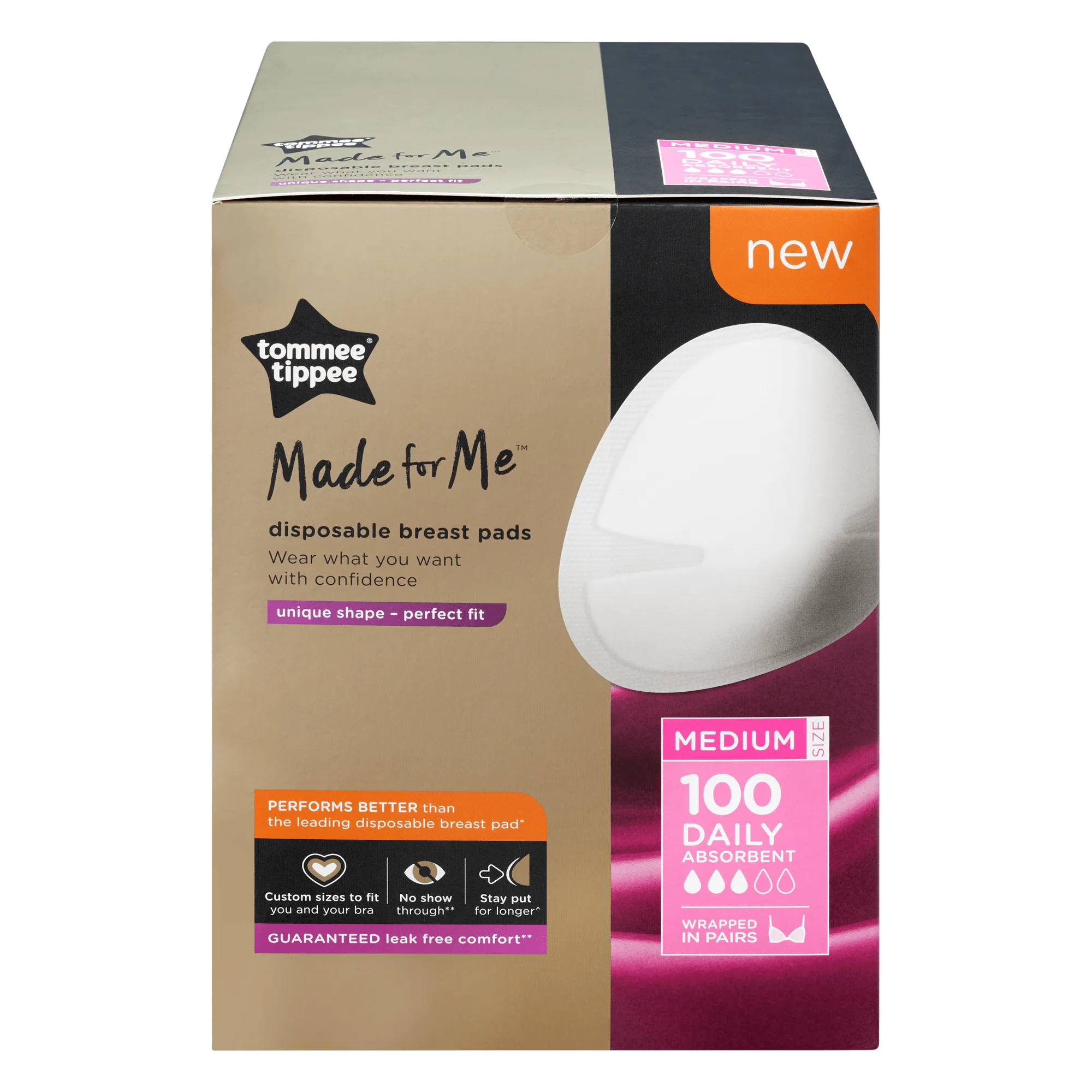
Disposable Breast Pads by Tommee Tippee
-
Disposable Breast Pads by Tommee Tippee: Tested and approved as best in its class. Gives you confidence in the pad's leak protection performance.