Two industrial grinders built for different kinds of volume
The Ditting 1827 High Volume Industrial Grinder and the Mahlkonig DK27 LVH Industrial Coffee Espresso Grinder both target operations that grind hundreds of kilograms a day, but they take different approaches. The Ditting emphasizes stepless micrometric adjustment for dialing in exact recipes, while the Mahlkonig focuses on a three-phase motor with dual fan cooling for continuous production runs. Your choice depends on whether your priority is precision adjustment or sustained throughput with service support.
Ditting 1827: precision adjustment for recipe-driven workflows
-
Ditting - 1827 High Volume Industrial Grinder (Steel): Infinite grind size adjustment with no click stops — dial in the exact grind your recipe requires, not the closest available setting. For roasteries and cafes that need to match specific extraction profiles, stepless adjustment allows fine-tuning without being limited to preset increments.
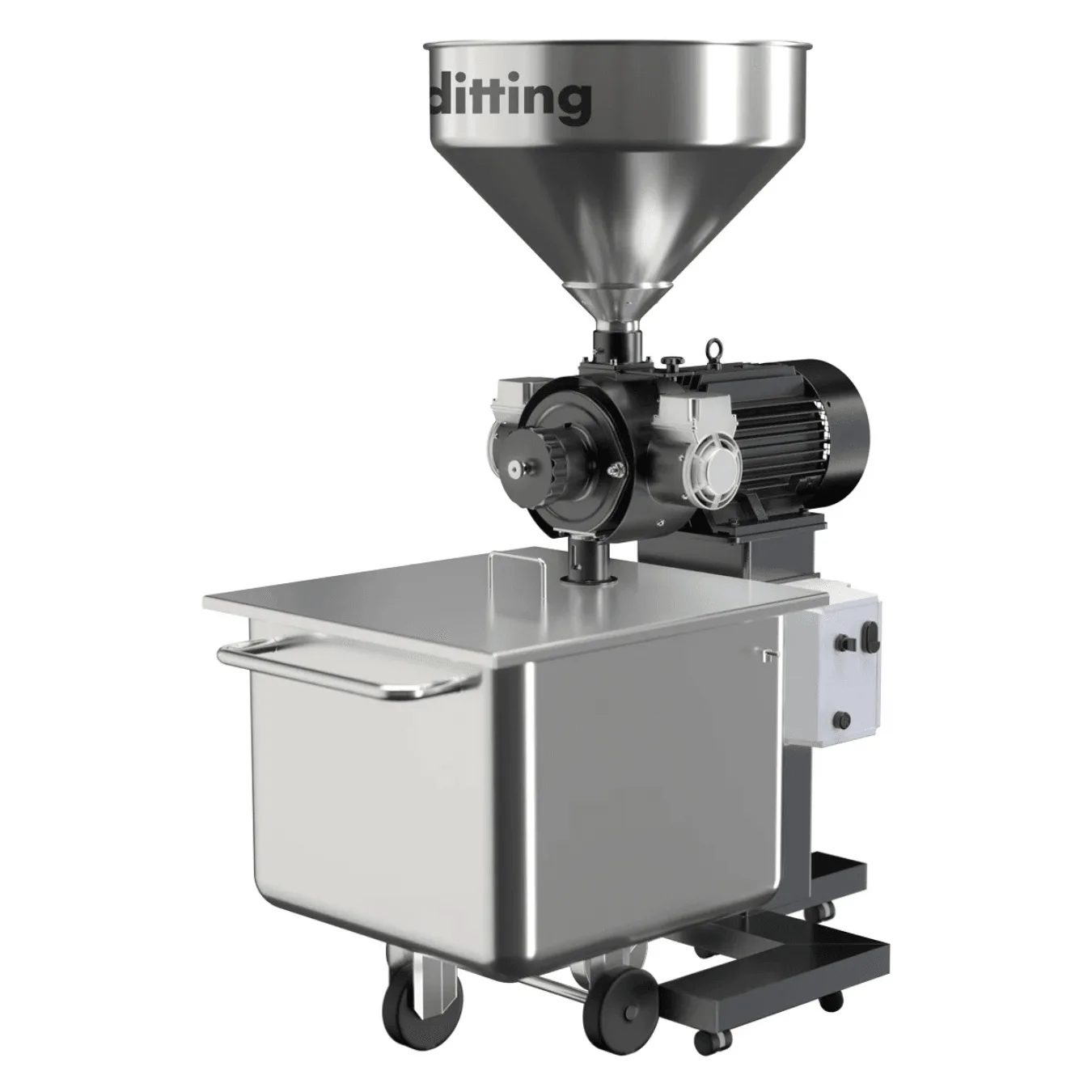
Ditting - 1827 High Volume Industrial Grinder (Steel)
-
Ditting - 1827 High Volume Industrial Grinder (Steel): Precision-machined burrs deliver consistent particle size across the grind range. Consistent particle size supports even extraction, which is critical when grinding large volumes for espresso or filter coffee.
Mahlkonig DK27 LVH: engineered for continuous operation
-
Mahlkonig DK27 LVH Industrial Coffee Espresso Grinder: Its powerful three-phase motor with dual fan cooling helps maintain performance during long production runs. Dual fan cooling reduces the risk of overheating during extended grinding sessions, making it suitable for high-volume environments where downtime is costly.
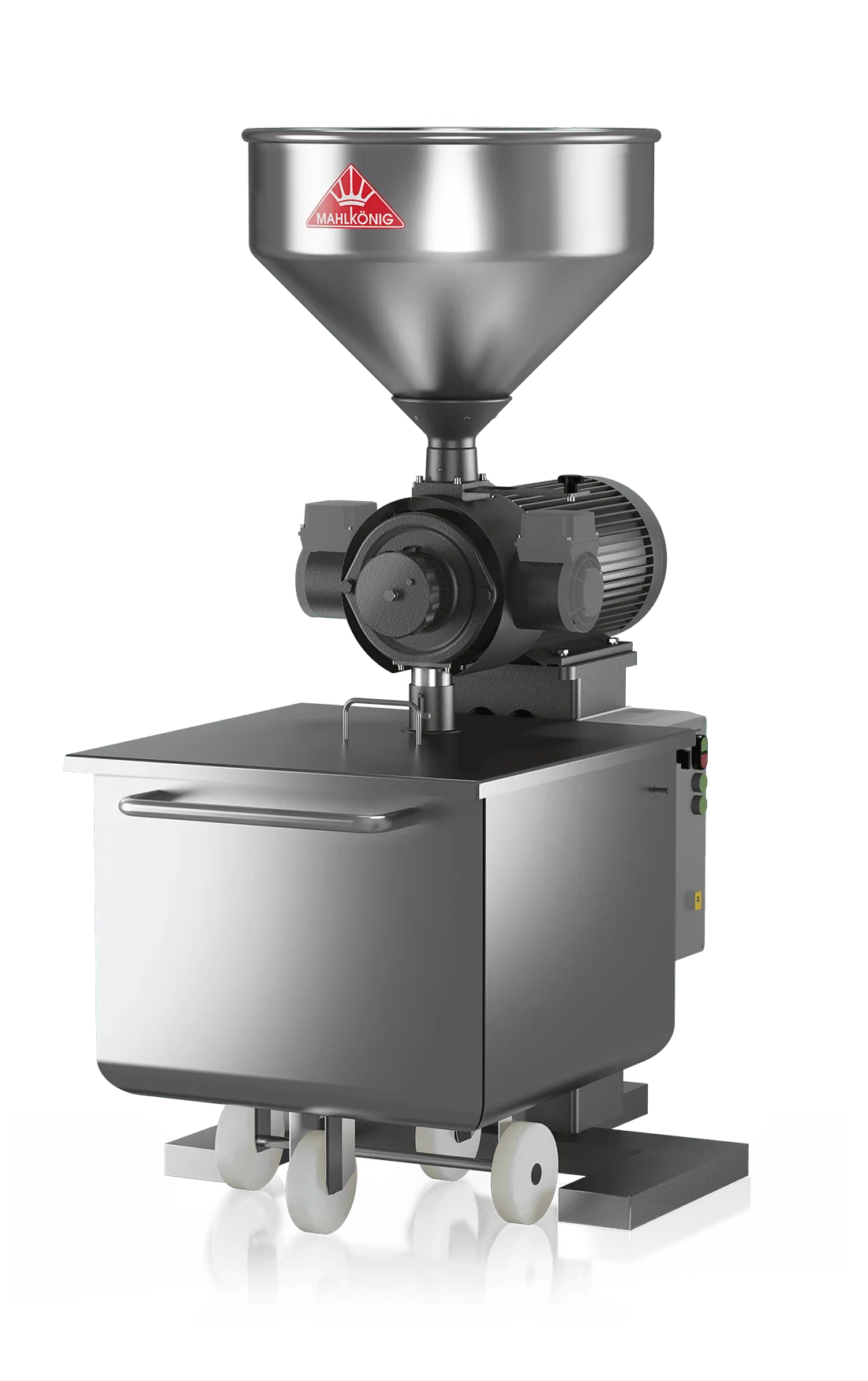
Mahlkonig DK27 LVH Industrial Coffee Espresso Grinder
-
Mahlkonig DK27 LVH Industrial Coffee Espresso Grinder: The wear-resistant premium burrs ensure consistent grinding quality while holding up to heavy daily use. Durable burrs mean fewer replacements and consistent output over time, which is essential for operations that grind daily.
Key differences at a glance
- Grind adjustment: Ditting 1827 offers infinite stepless adjustment; Mahlkonig DK27 LVH does not specify adjustment type in the supplied information.
- Motor and cooling: Mahlkonig DK27 LVH features a three-phase motor with dual fan cooling; Ditting 1827 does not specify motor details in the supplied information.
- Burr construction: Ditting 1827 uses precision-machined burrs; Mahlkonig DK27 LVH uses wear-resistant premium burrs.
- Service and support: Both products mention support from Coffee Machine Depot: Ditting for selection, installation guidance, and ongoing support; Mahlkonig for installation, training, and ongoing maintenance.
Which grinder fits your operation?
If your workflow revolves around precise recipe development and you need to dial in grind size without click stops, the Ditting 1827's stepless micrometric adjustment is a clear advantage. It suits roasteries and cafes that frequently switch between grind settings for different brew methods or espresso profiles.
If you prioritize continuous operation with a motor designed to handle long runs and you value service support for installation and training, the Mahlkonig DK27 LVH is built for that. Its three-phase motor and dual fan cooling target operations where the grinder runs for extended periods without interruption.
Both machines are high-capacity industrial grinders, but the supplied information does not include hopper capacity, burr size, or dimensions for either model. If those specifications are critical to your setup, confirm them with Coffee Machine Depot before purchasing.
What the records do not settle
The Ditting 1827 record does not specify motor type, cooling, or burr material beyond "precision-machined." The Mahlkonig DK27 LVH record does not specify grind adjustment mechanism or burr size. Neither record provides hopper capacity, weight, or electrical requirements. These gaps mean you should verify any missing details that affect your installation and workflow. The absence of a specification in the supplied information is not evidence that the feature is missing; it simply means it was not included in the provided records.