Quick answer
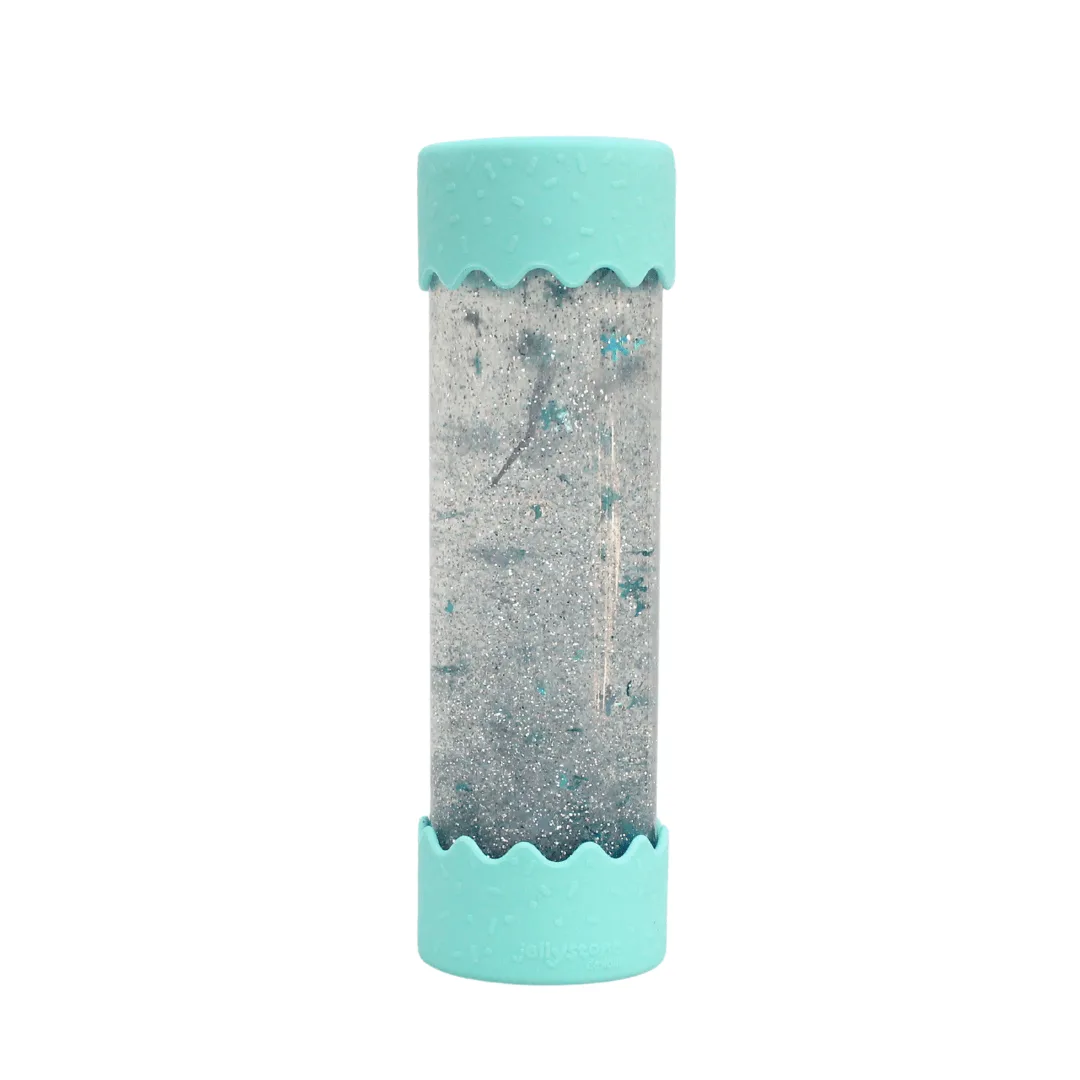
Most DIY calm down bottle problems come down to three things: the liquid mix, the seal, and the fillers. Thicken water slightly for slow-falling glitter, reseal with food-grade silicone or plumber's tape if it leaks, and swap heavy or clumping fillers for lighter ones. If the bottle still fails after two fixes, a pre-sealed option like the Baby Calm Down Bottle removes the guesswork.
Baby Calm Down Bottle
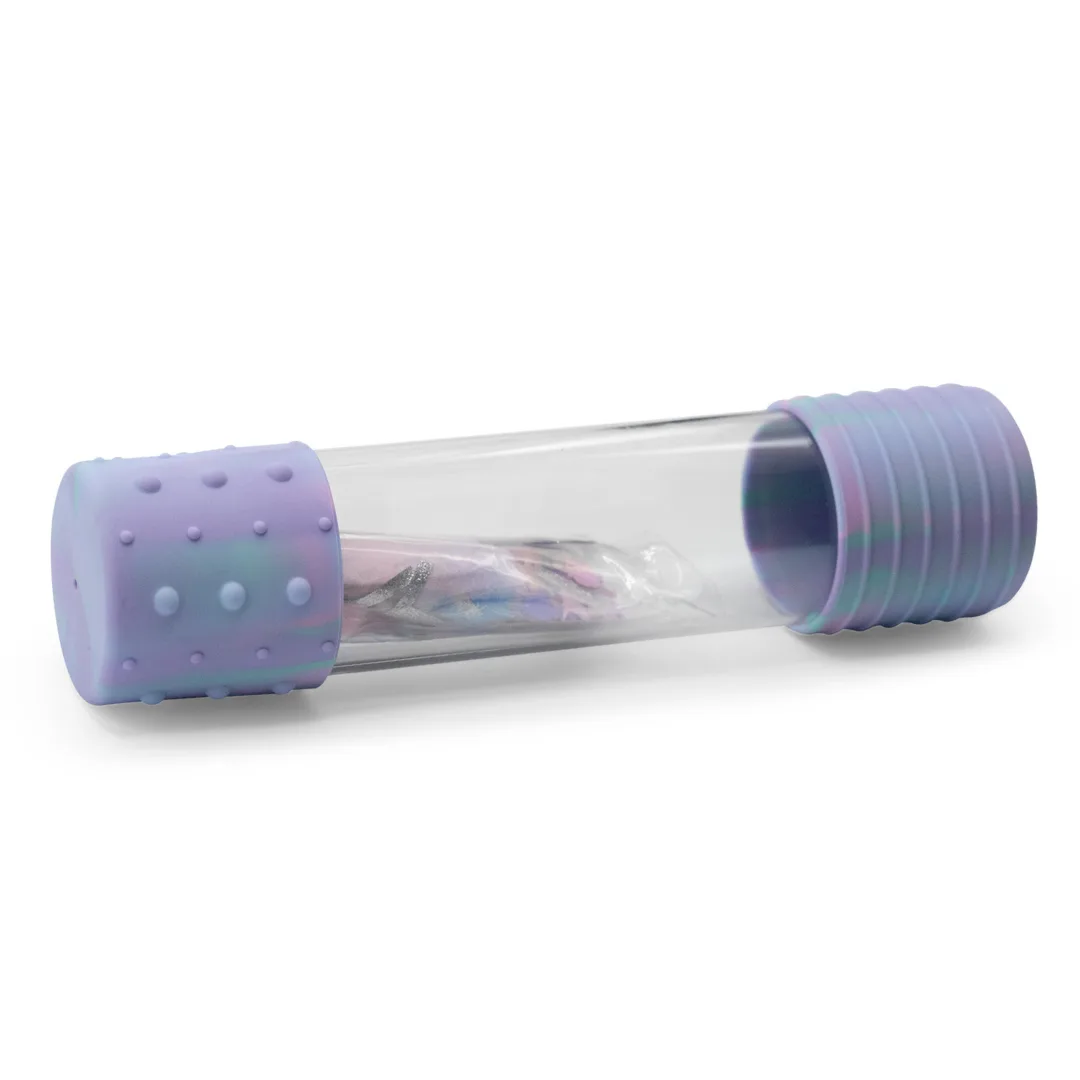
You made a calm down bottle, and it is not doing what you hoped. The glitter drops like a stone, the water turned cloudy, or you found a puddle on the shelf. These are common problems, and most have a simple fix you can do in a few minutes with items you already have.
This guide walks through the most frequent DIY sensory bottle issues one by one. For each problem you will see the symptom, the likely cause, the corrective action, and the point where it makes more sense to stop tinkering and choose a sealed alternative.
Glitter or confetti sinks too fast
If your glitter hits the bottom in seconds, the liquid is too thin. Plain water gives almost no resistance, so dense fillers drop quickly. The fix is to thicken the liquid slightly with clear glue, glycerin, or a small amount of clear dish soap. Add a little at a time, shake, and watch how the particles fall. You want a slow, drifting descent, not a suspended cloud that never moves.
Temperature matters too. A bottle left in a cold room will always move more slowly than one at room temperature. Test your mix at normal indoor conditions before you decide it needs more thickener. If you overshoot and the glitter barely moves, add a splash of warm water and shake again.
- Start with 1 teaspoon of glycerin or clear glue per cup of water, then adjust.
- Avoid using honey or corn syrup; they can cloud the water and attract pests if the seal fails.
- Let the bottle sit for an hour before judging the speed.
The liquid turns cloudy or grows mold
Cloudy water usually means you used tap water with high mineral content, or you added a filler that breaks down over time. Mold is a bigger concern. If you see fuzzy spots or a sour smell, discard the bottle immediately. Do not try to clean and reuse it, because spores can linger in the cap threads.
For future bottles, use distilled water and a preservative-free recipe. If you want to keep the bottle for more than a few weeks, a drop of clear glue can help, but it is not a preservative. The only reliable way to prevent mold is to start with clean, sealed ingredients and accept that a DIY bottle has a limited lifespan.
- Use distilled water, not tap, to reduce cloudiness.
- Never add food coloring if you want to see the glitter clearly; it can stain and obscure.
- If mold appears, throw the bottle away. Do not open it indoors.
The bottle leaks or the cap will not stay tight
Leaks almost always come from a poor seal between the cap and the bottle neck. Even a tiny gap will let water escape when the bottle is shaken or left on its side. First, check that the cap is the right size and that the threads are clean. Then wrap the threads with two or three turns of plumber's tape or apply a ring of food-grade silicone around the inside rim of the cap before screwing it on.
Let silicone cure for 24 hours before shaking. If the bottle still leaks after that, the plastic may be cracked or the cap may be stripped. At that point, repairing it is not worth the risk of a mess or a choking hazard. A sealed bottle like the Baby Calm Down Bottle is prefilled and totally sealed, so there is nothing to tighten or replace.
- Test the seal by shaking over a sink before handing it to a child.
- Do not use superglue; it can crack plastic and is not safe for children.
- If the bottle is for a baby or toddler, a leak is a stop sign. Switch to a sealed option.
Fillers clump, stick, or block the opening
Heavy fillers like large beads, buttons, or thick foam shapes can clump at the bottom or jam in the neck. This happens because they are denser than the liquid and have rough edges that catch on each other. The fix is to use smaller, smoother fillers or fewer of them. Glitter, fine confetti, and small plastic shapes work better than chunky items.
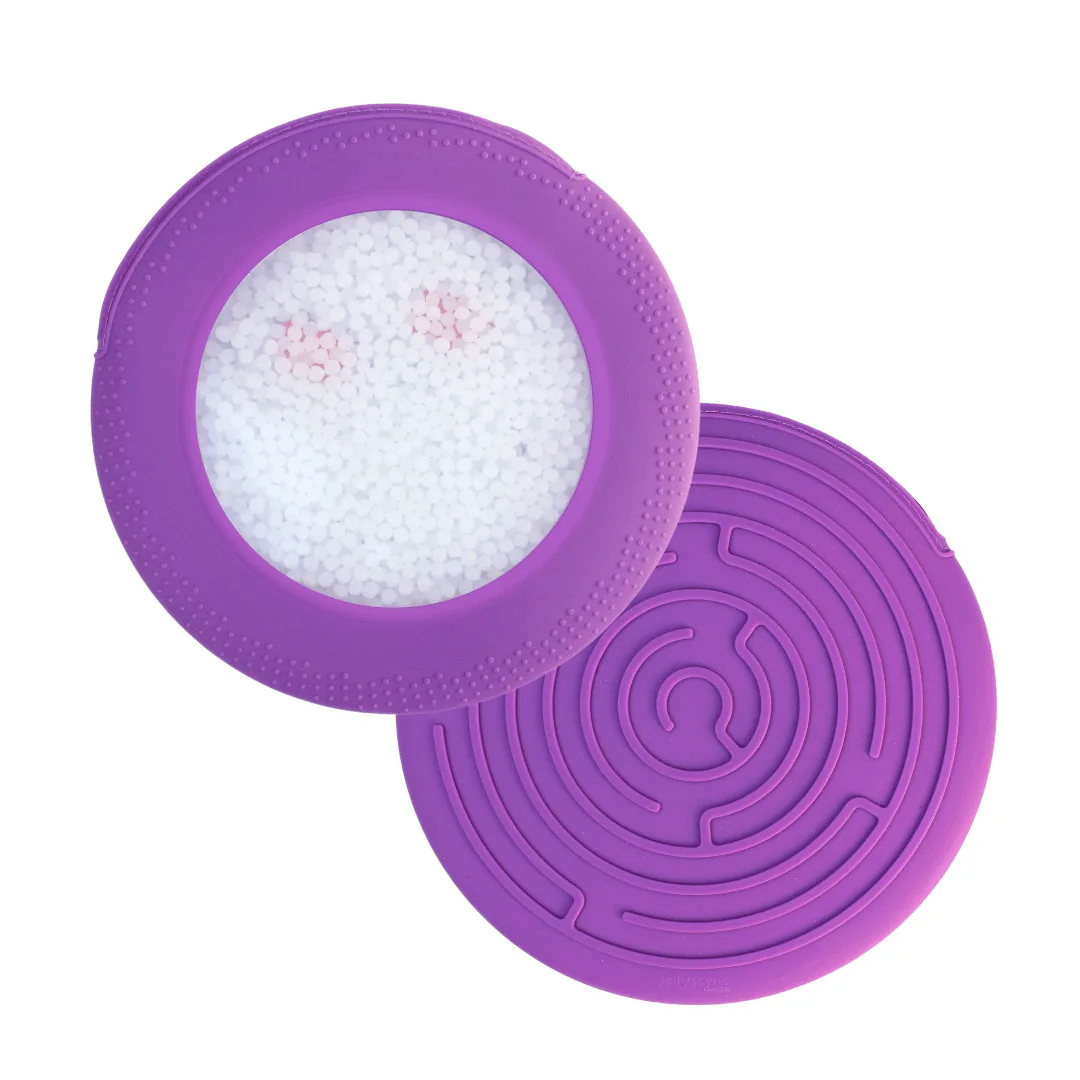
If you already added heavy fillers, you can sometimes rescue the bottle by removing some of them. Pour the contents through a strainer, rinse the fillers, and add them back in smaller amounts. If the bottle still clumps, the filler is the wrong choice for that liquid. A sensory bag like the Peekaboo Sensory Bag uses weighted beads and figurines in a sealed, mess-free format, which avoids this problem entirely.
- Keep fillers smaller than the bottle opening to prevent jams.
- Rinse fillers before adding them to remove dust that causes cloudiness.
- If clumping continues, reduce the amount of filler by half.
The bottle is not calming your child
Sometimes the bottle works perfectly but your child loses interest or gets more agitated. This is not a failure of the bottle; it is a mismatch between the tool and the moment. A calm down bottle is a visual focus tool, and it works best when a child is already able to look at something. If your child is in a full meltdown, they may not be ready to watch glitter fall.
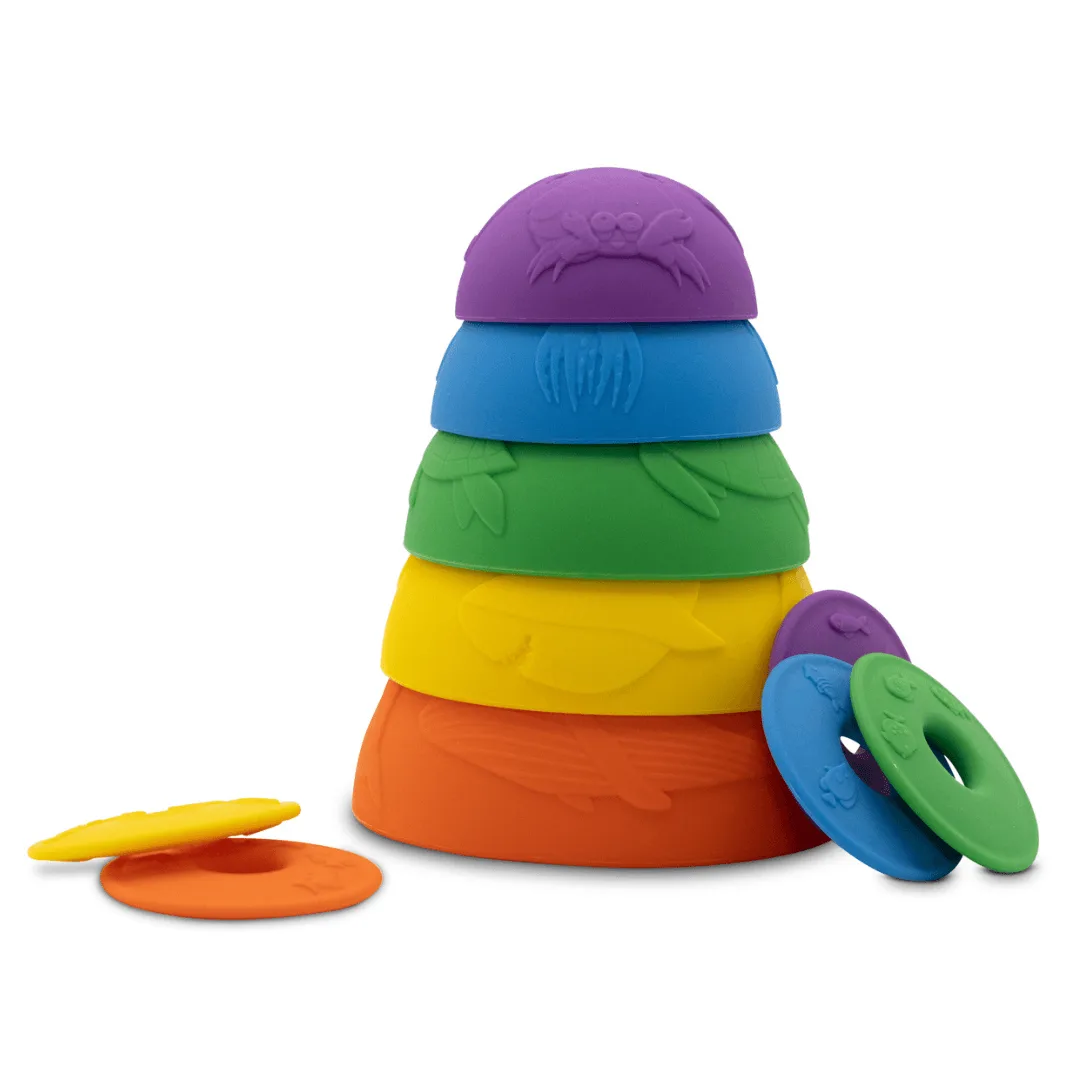
Try offering the bottle during a quiet transition, like after lunch or before bed, rather than during a peak tantrum. If your child needs a different kind of sensory input, a tactile toy like the Peekaboo Sensory Bag or a stackable set like Ocean Stacking Cups may be a better fit. The right tool depends on whether your child needs to look, touch, or build.
- Offer the bottle when your child is calm but restless, not mid-tantrum.
- Pair the bottle with a quiet activity like reading or cuddling.
- If your child consistently ignores it, try a different sensory category.
DIY calm down bottle diagnosis
- Glitter falls too fast: The liquid is too thin. Add glycerin or clear glue one teaspoon at a time until the glitter drifts slowly. If it still falls fast after three additions, your filler is too heavy. Switch to fine glitter.
- Liquid is cloudy or moldy: Tap water minerals or a non-sterile filler caused it. Discard the bottle if mold is visible. Start over with distilled water and clean fillers. Do not try to salvage a moldy bottle.
- Bottle leaks when shaken: The cap seal is failing. Wrap threads with plumber's tape or apply food-grade silicone and cure for 24 hours. If it still leaks, stop. Use a sealed bottle like the Baby Calm Down Bottle instead.
- Fillers clump or jam: Heavy or rough-edged fillers are catching on each other. Remove some and add smaller, smoother items. If clumping continues, the filler is wrong for the liquid. Try a sensory bag for tactile input.
- Child ignores the bottle: The bottle may be offered at the wrong time, or your child needs a different sensory input. Try a tactile or stacking toy. If interest does not return, the bottle is not the right tool.
Sealed alternatives that skip the DIY problems
- Baby Calm Down Bottle: Prefilled with sparkles and water and totally sealed, in a mini baby-friendly size. No mixing, no leaks, and no mold risk. It is ready to use and safe for babies to explore.
- Peekaboo Sensory Bag: Filled with weighted beads and fun themed figurines, totally sealed and safe for little ones to explore. Provides tactile and sound feedback without the mess or clumping issues of a DIY bottle.
Most DIY calm down bottle problems are fixable with a small adjustment to the liquid, seal, or fillers. Work through the diagnosis above, and stop when a fix would compromise safety or take more time than the bottle is worth. A sealed option like the Baby Calm Down Bottle gives you the same visual calm without the maintenance.