Quick answer
Use dovetail connector boards to join cedar planks into stable raised bed layers, then stack or add trellis slats for a custom garden frame.
Why dovetail connector boards simplify assembly
Dovetail connector boards serve double duty as the top board of a layer and as the piece that locks adjacent boards together. This eliminates the need for corner brackets or screws at every joint, making the build faster and the frame more rigid. The 10-inch length of the Cedar Dovetail Top Board (RCPBDB102) is designed to span the width of a standard 2×6 or similar plank, so you get a clean, flush connection without exposed hardware.
Trellis slats add vertical growing space
If you plan to grow climbing vegetables like cucumbers or beans, adding a trellis to your raised bed is a smart upgrade. The 16-inch Cedar Trellis Slat (RC16SLT) is narrow enough to weave between posts without blocking sunlight, and its untreated cedar surface gives vines a natural grip. You can attach it directly to the dovetail top boards or to separate posts sunk into the bed.
Assembly steps
- Measure and cut your base planks: Cut your cedar planks to the desired bed length and width. For a 4×8 bed, cut four 48-inch planks and four 96-inch planks. Use untreated cedar to avoid chemical leaching into the soil. Common mistake: cutting all planks the same length without accounting for the thickness of the connector boards. The dovetail board adds about 2 inches to the overall dimension.
- Attach the first layer of dovetail connector boards: Place a Cedar Dovetail Top Board (RCPBDB102) at each corner of the first layer. The dovetail slot should face outward. Slide the ends of your planks into the slots and press firmly. The board acts as both the top trim and the connector—no screws needed at this point. Check that all planks are flush against the inside of the dovetail slots before moving to the next layer. Gaps will weaken the joint.
- Stack additional layers for height: For a deeper bed, add a second layer of planks on top of the first, using another set of dovetail connector boards at the corners. If you want a 22-inch total height, use the Premium Cedar Post (RCP22) as corner posts instead of stacking boards. The post fits six 3.5-inch boards or four 5.5-inch boards. If you mix board heights, verify that the post slots align with the board thickness. Mismatched heights create a wavy top edge.
- Secure the trellis slats (optional): Drive the 16-inch Cedar Trellis Slat (RC16SLT) into the soil inside the bed, spacing them 4–6 inches apart. Alternatively, attach them horizontally between two posts for a vertical trellis. Use stainless steel screws to avoid rust stains on the cedar. Place trellis slats before filling the bed with soil. Adding them later disturbs the root zone.
- Level and fill the bed: Check that the entire frame is level in both directions. If the ground is uneven, dig out the high spots rather than adding fill under the low side. Fill the bed with your preferred soil mix, leaving 1–2 inches of space at the top for mulch. Skipping the level check leads to water pooling on one side, which can rot the bottom boards over time.
Product facts
-
Cedar Dovetail Top Board / Dovetail Connector Board 10 in. x 2 1/8 in. RCPBDB102: Dovetail Top Board/Connector Board for Your Planter Box – 11/16" thick x 2 1/8" high x 10" long, untreated cedar. The 10-inch length is sized to span a typical plank width, so you can align the dovetail joint flush without trimming.
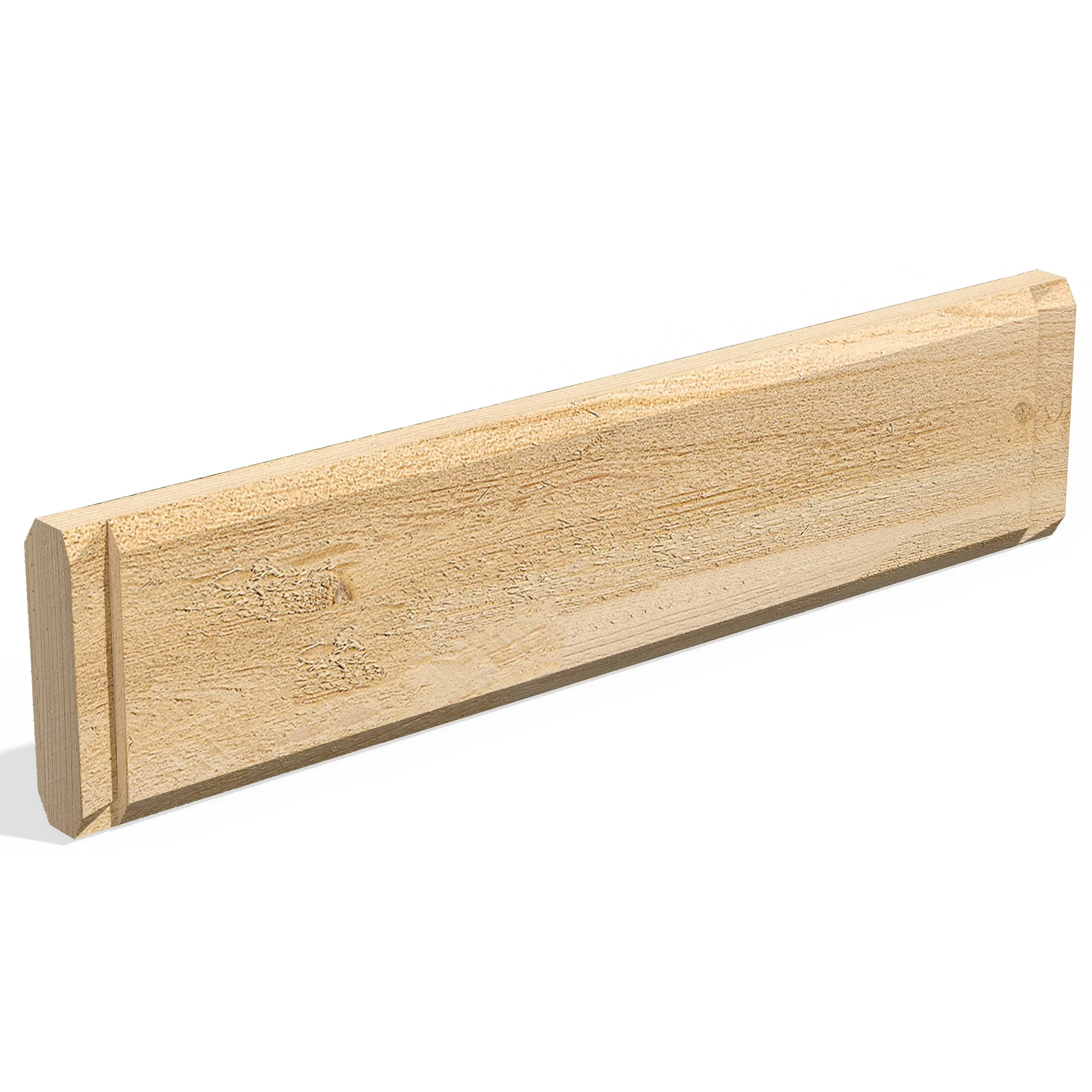
Cedar Dovetail Top Board / Dovetail Connector Board 10 in. x 2 1/8 in. RCPBDB102
-
Cedar Trellis Slat 16 in RC16SLT: 16" Cedar Trellis Slat – 3/4" x 1 1/4" x 15", untreated cedar. The slim profile lets you space slats 4–6 inches apart for good air flow while still supporting climbing plants.
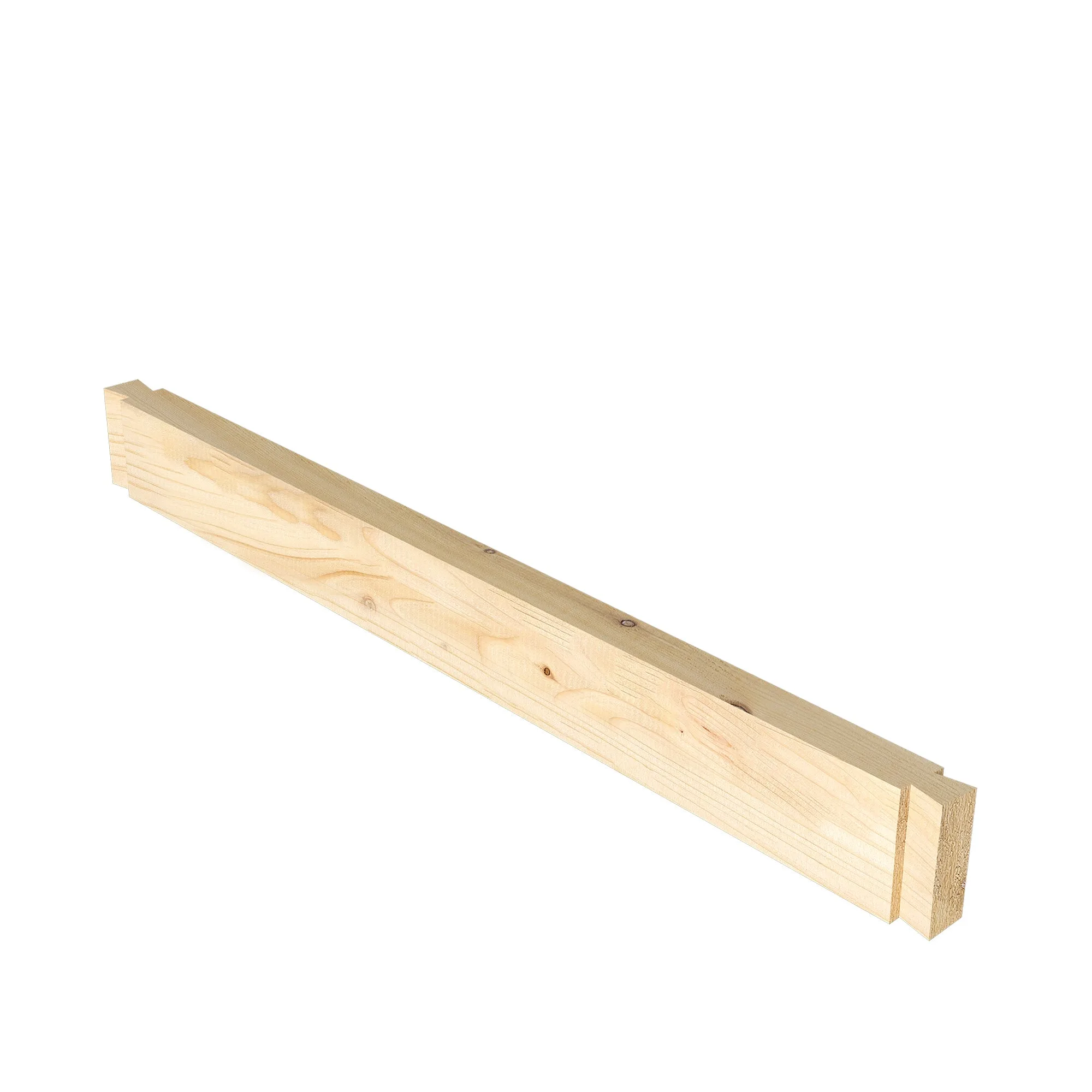
Cedar Trellis Slat 16 in RC16SLT
-
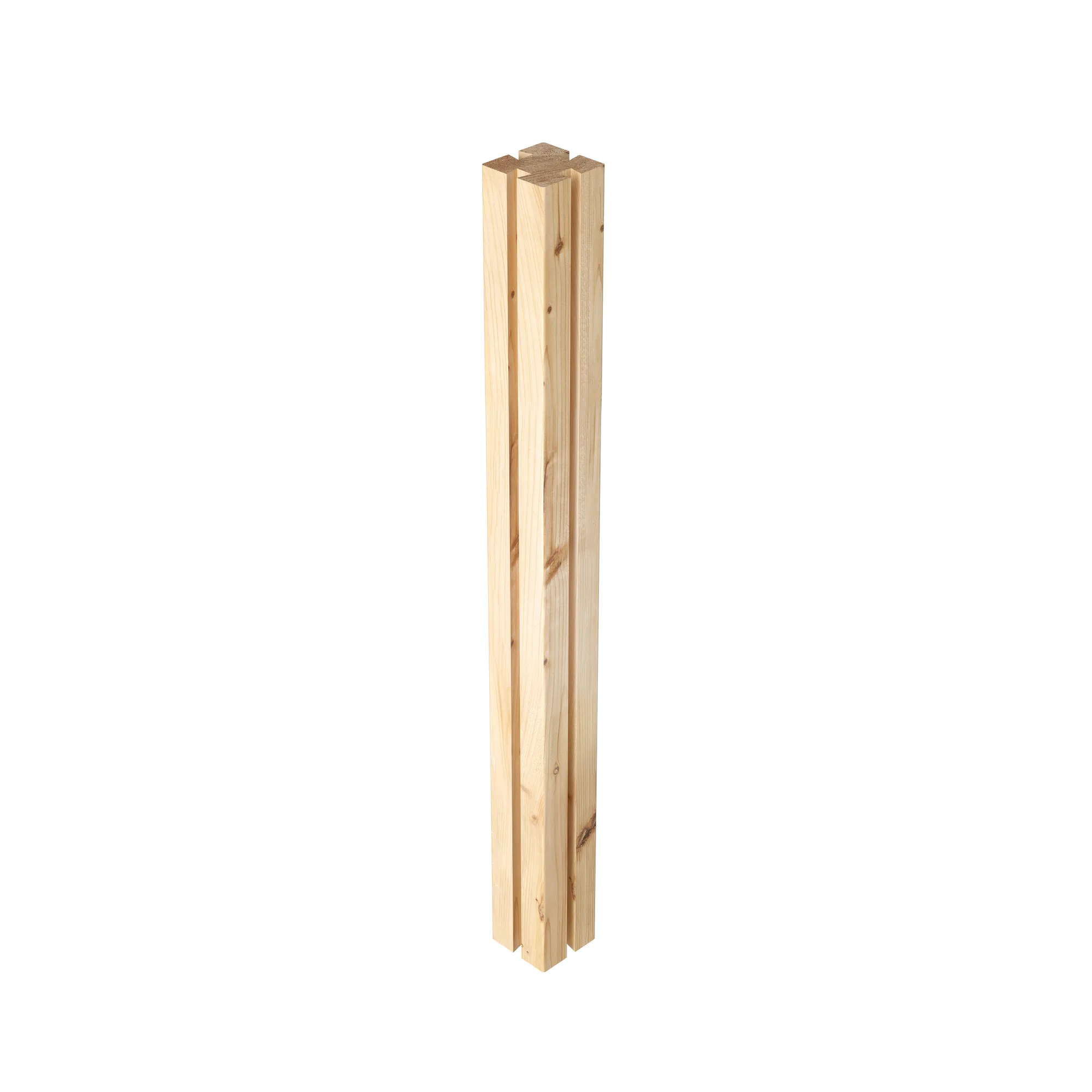
Premium Cedar Post 22 in x 2.5 in x 2.5 in RCP22: Premium Cedar Post 22 in x 2.5 in x 2.5 in – fits six 3.5" boards or four 5.5" boards. The 22-inch height gives you room to stack multiple layers of boards for a deep root zone without extra cutting.