Start with the self-adhesive boards, not a glue bottle
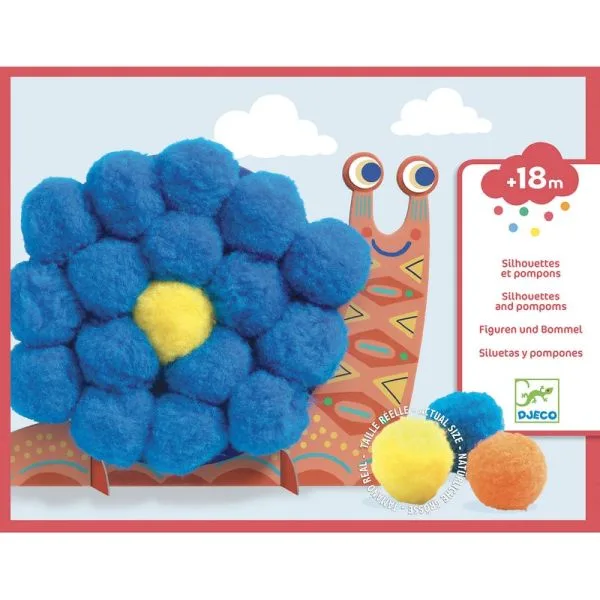
The Djeco Fluffy Animals set is built around a simple handoff: a toddler sticks large pompoms onto self-adhesive animal boards, and the adult keeps the example booklet in view. That means you can set up a first session in minutes, with no glue to pour or dry. The set is listed for ages 18 months and up, so the play is designed around very young hands.
Before you open the box, decide where the pompoms will live during play. A shallow tray or a rimmed baking sheet keeps the 50 large pompoms within reach and makes it easier to gather stray pieces afterward. The boards are self-adhesive, so there is no wet stage to manage; the main job is helping your child match colours and press each pompom down.
What the Djeco Fluffy Animals set actually contains
-
Fluffy animals by Djeco: A pasting activity to complete 3 animals with large pompoms. Knowing there are three animals helps you plan a short session around one board at a time rather than all three at once.
Fluffy animals by Djeco
-
Fluffy animals by Djeco: 50 large colourful pompoms to stick on. The pompom count sets the pace: enough for all three boards, but easy to spread across several short play sessions.
-
Fluffy animals by Djeco: No need for glue because the boards are self-adhesive. This is the key practical difference from a glue-based craft: there is no wet step, so a toddler can start sticking right away.
-
Fluffy animals by Djeco: An explanatory booklet in colour with pictures only. The picture-only booklet lets a pre-reader follow the examples independently, with an adult nearby to point and name colours.
A simple first session for an 18-month-old
The catalog describes children copying the examples in the instructions booklet and sticking coloured pompoms onto the sticky parts of the three animals. That gives you a natural session structure: one board, one page of the booklet, and a small handful of pompoms.
- Set out one animal board: Keep the other two boards aside so the choice is clear. Place the matching booklet page next to the board.
- Offer a small selection of pompoms: Tip out a few pompoms rather than all 50. The catalog highlights learning colours, so naming each colour as your child picks it up fits the activity.
- Point to the example, then the sticky area: Use the picture-only booklet as a visual cue. Show your child where the pompom goes, then let them press it onto the self-adhesive board.
- Pause when attention drifts: The set is a gluing activity from 18 months, so short sessions are normal. Put the lid on the pompom tray and return to the same board later.
- Finish one animal before starting the next: Completing a board gives a clear end point. The catalog describes the surprise of three gentle animals appearing, ready for pets, so let that reveal land before moving on.
Play ideas that go beyond sticking
Once the pompoms are on, the animals become props. These ideas use only what the catalog describes: three gentle animals, large pompoms and a picture booklet.
- Name the animals as they appear: The catalog calls them gentle animals ready for pets. Ask your child what each one is called and which one they would pet first.
- Sort pompoms by colour before sticking: The set is described as learning colours, so a quick sorting game with a few pompoms builds the same skill before the sticky stage.
- Use the booklet as a story prompt: The picture-only booklet can be flipped through like a wordless story. Ask your child to point to the animal they want to make next.
- Set up a pretend pet corner: Line up the finished animals and add a small blanket or box. The catalog's pet theme gives you a ready-made pretend play scene without extra toys.
Sensory play with large pompoms: what to expect
The large pompoms are the sensory heart of this set. They are soft, light and easy for a toddler to pick up, which makes them a natural fit for sensory play with plush animals. You can add a texture contrast by placing the pompoms on a smooth tray or a fuzzy mat and letting your child feel the difference before sticking.
Keep the sensory focus simple: offer a few pompoms, let your child squeeze and roll them, then guide one onto the board. The self-adhesive backing means the pompom stays where it is pressed, so there is no gluey residue on fingers. The catalog does not describe the pompoms as scented, weighted or otherwise specially textured beyond being large and colourful, so treat them as a soft touch-and-sort material rather than a specialist sensory tool.
Age, price and catalog context
- Fluffy animals by Djeco: A gluing activity from 18 months; ages: 18 months. The listed age range is the clearest guide for whether the set matches your child's stage.
- Fluffy animals by Djeco: Catalog price USD 24.50, comparison price USD 35.00. The price difference is catalog context only; check the current listing before you buy.
- Fluffy animals by Djeco: Additional details describe the set as developing dexterity and fun, and learning colours. These are the catalog's own descriptions of the play value, not independent test results.
What to check before and after each play session
The catalog confirms the boards are self-adhesive and the booklet is picture-only, but it does not supply a cleaning routine, storage instructions or a choking-hazard warning. That means the practical checks are yours to set. Before play, count out the pompoms you are offering and keep the rest out of reach. After play, look over the boards for loose pompoms and gather any that have not been pressed down.
If your child is still mouthing toys, supervise closely: the set contains small pompoms, and the catalog does not state a specific choking warning in the supplied information. Treat the listed age of 18 months as a starting point, not a guarantee that every child will use the pieces the same way.