Quick answer
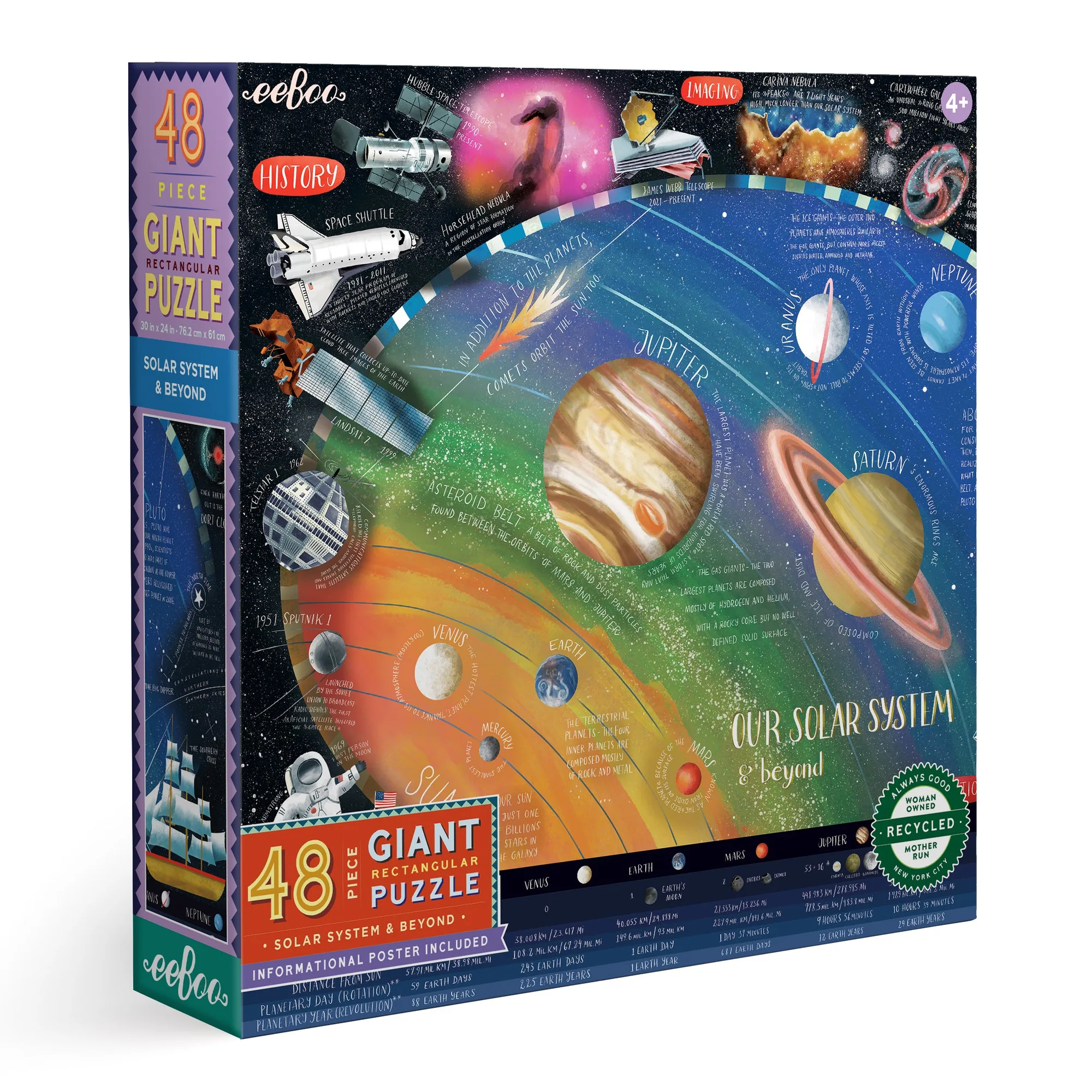
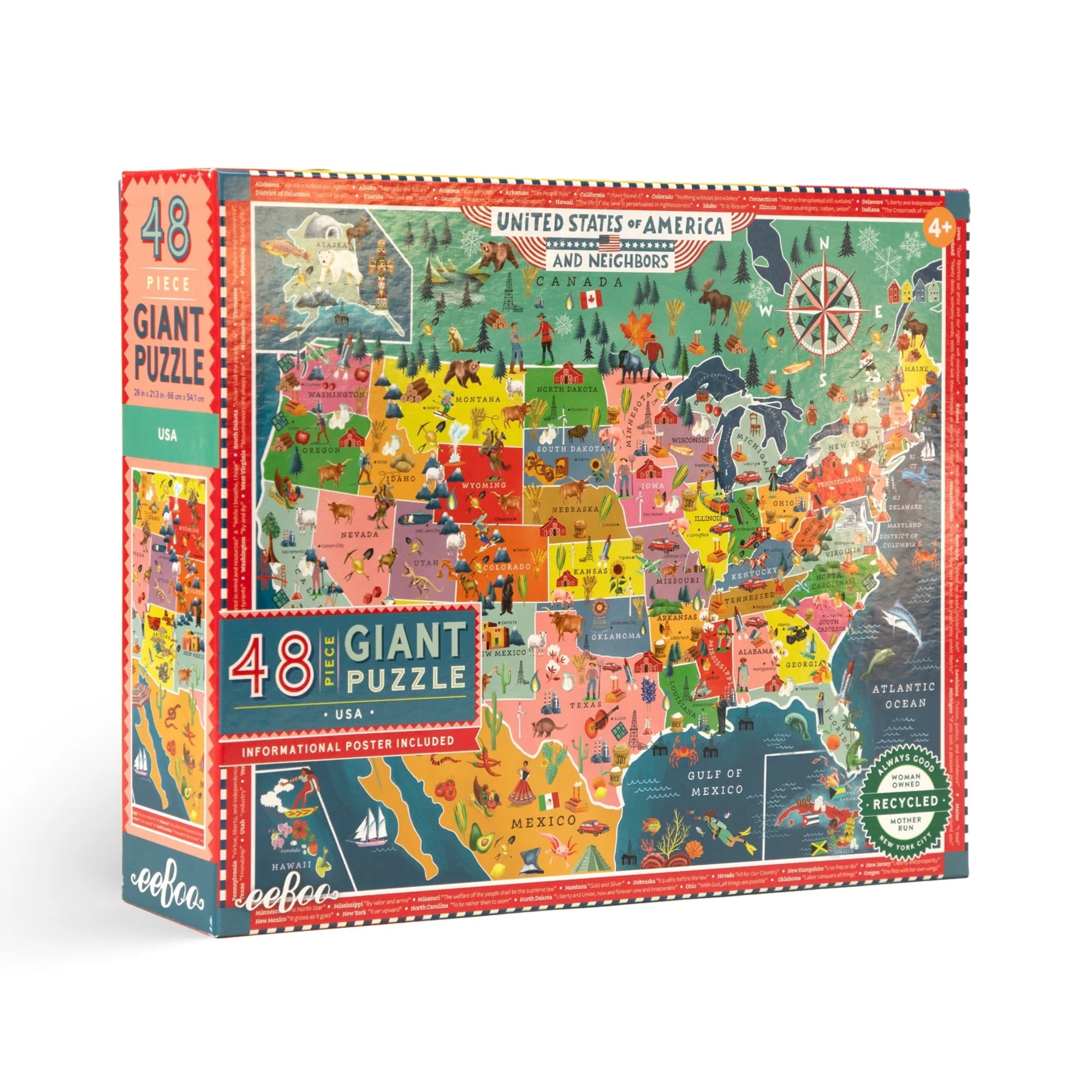
Yes, a 48 piece puzzle for preschoolers can help build focus, but only when the puzzle matches your child's current attention span and the image gives them enough clues. For most 3- to 5-year-olds, a 48 piece puzzle works best as a guided activity first, then as independent quiet time once they know the picture. If your child still needs help with 12 to 24 piece puzzles, stay there a little longer rather than jumping ahead.
What a 48 piece puzzle age range actually looks like
Most puzzle boxes label 48 piece puzzles for ages 4 and up, but the real answer depends on the child. A 4-year-old who has done 24 piece puzzles independently can often handle 48 pieces with a little help. A 3-year-old who is still learning to turn pieces right-side up may find 48 pieces frustrating. The number on the box is a starting point, not a rule.
Watch how your child behaves with a puzzle they already know. If they finish a 24 piece puzzle in one sitting without asking for help, they are ready for more. If they walk away halfway through, the jump to 48 pieces is probably too soon.
How puzzles help concentration in preschoolers
Puzzles build focus because they give a child a clear goal with a visible finish line. Each piece that clicks in place is a small reward, which keeps a young child returning to the task. That loop of try, match, and succeed is what stretches attention span activities beyond a few minutes.
Puzzles also ask children to hold information in mind: the shape of a gap, the color of a missing piece, the part of the picture they are building. That is the same mental muscle used for listening, following directions, and finishing a task. A 48 piece puzzle is big enough to require real concentration, but small enough that a preschooler can see progress within one sitting.
Signs your child is ready for a first jigsaw puzzle at 48 pieces
You do not need a formal test. Look for three behaviors. First, your child finishes smaller puzzles without your help. Second, they can sort pieces by color or edge on their own. Third, they stay with a table activity for at least ten to fifteen minutes.
If two of those three are true, a 48 piece puzzle is a reasonable next step. If only one is true, choose a 24 or 36 piece puzzle and revisit 48 pieces in a few months. There is no prize for moving up early, and a puzzle that is too hard teaches a child to quit rather than persist.
How to set up puzzle time so focus actually grows
Start with the border. Sorting edge pieces first gives a preschooler an obvious first job and a clear sense of progress. Then build one small section at a time, such as a house, an animal, or a face, instead of trying to fill the whole puzzle at once.
Keep sessions short and end on a win. Fifteen focused minutes is a real accomplishment for a 4-year-old. Leave the puzzle out on a tray or mat so it can be returned to later, and resist the urge to finish it for them. If your child asks for help, ask a question back: where do you think this piece goes? That keeps the thinking with them.
When a 48 piece puzzle is the wrong choice
Skip 48 pieces if your child is still mouthing pieces, if they get upset when a piece does not fit, or if the image is too busy to read. A puzzle with large areas of sky, water, or repeated pattern is harder than the piece count suggests, because there are fewer visual clues.
Also skip it if your child is tired, hungry, or in a busy room. Focus is easier to build in a calm space with few distractions. A 48 piece puzzle in a noisy room will feel twice as hard as the same puzzle at a quiet table.
Preschool puzzle focus FAQ
Is 48 pieces too many for a 3-year-old?
Often yes, unless the child has already mastered 24 piece puzzles and can sort pieces by color or edge. A 3-year-old who still needs help turning pieces will usually do better with 12 to 24 pieces. Move up when your child finishes smaller puzzles without help, not when the box says so.
How long should puzzle time last?
Aim for ten to fifteen minutes of focused work for a preschooler, then stop while it is still going well. Short, repeated sessions build more focus than one long, forced one. End on a finished section or a completed puzzle whenever possible.
Do puzzles really help concentration?
They help because they require matching, memory, and persistence toward a visible goal. Those are the same skills used in listening and following directions, and they grow with practice. Choose a puzzle your child can almost finish alone, and let them do the thinking.
What if my child gives up halfway through?
That is usually a sign the puzzle is too hard or the setting is too busy. Try a smaller piece count, sort the border together first, or move to a quieter table. A puzzle that gets finished builds more focus than one that gets abandoned.
Products that suit preschool puzzle time
- Autumn Cottage 1000 Piece Puzzle: Autumn Cottage 1000 Piece Puzzle includes a full-color insert for reference and a curated playlist from the artist, accessed by scanning a QR code on the back of the box. The insert gives a clear reference picture, which helps a child check their work without asking an adult. The playlist can turn puzzle time into a calm, predictable routine.
- Alchemist's Library 1000 Piece Puzzle: Alchemist's Library 1000 Piece Puzzle is a square puzzle measuring 23 by 23 inches when completed, and it includes a full-color insert. A square shape gives a different building rhythm than a rectangle, and the insert supports independent checking. The 1000 piece count is for older children or family sessions, not solo preschool play.
- Scottish Isle 1000 Piece Puzzle: Scottish Isle 1000 Piece Puzzle features a harbor village scene by painter Nikki Monaghan and includes a full-color insert plus a curated playlist from the artist. A scene with distinct landmarks, such as boats and a waterfront street, gives young helpers clear sections to search for. The insert and playlist support the same guided routine used with a 48 piece puzzle.