Quick Answer
Ankle weights add resistance to your leg and hip muscles, which can make a workout harder and more challenging, but they don't spot-reduce fat or tone one area on their own. If you want visible leg changes, pair them with consistent strength work and overall activity. Used sensibly, 1kg ankle and wrist weights are a practical, low-cost way to add load to walking, Pilates, and rehab-style moves.
Myth 1: Ankle weights melt fat off your legs
Fat loss happens across the whole body, not in the exact spot you're working. Strapping weight to your ankles makes your leg muscles work harder, but it doesn't direct fat loss to your calves or thighs. The real value is resistance: your muscles get a stronger stimulus, which supports strength and endurance over time. If your goal is fat loss, ankle weights are a small piece of a bigger picture that includes overall activity and nutrition.
Myth 2: More weight always means better results
Heavier isn't automatically better, especially at the ankle joint. Starting light lets you control the movement and keep good form. A 1kg ankle weight is a sensible entry point for walking, mat Pilates, and leg lifts because it adds meaningful resistance without throwing off your stride or balance. Move up only when the current weight feels easy and your form stays clean. If you feel your joints being pulled or your gait changing, that's a sign to drop back down.
Myth 3: Ankle weights are only for the gym
Ankle and wrist weights for walking are one of the most practical uses. A short walk with light ankle weights turns a routine stroll into a more demanding leg workout, and the same weights can be worn on your wrists for arm swings or light cardio. Because they're compact and portable, they fit into a walk around the block, a hotel room, or a living-room session. Keep the pace natural and the duration reasonable; the goal is added resistance, not a weighted march.
Myth 4: Ankle weights are unsafe, so avoid them
The risk isn't the weight itself, it's how you use it. High-impact running, jumping, or fast direction changes with ankle weights can stress the ankles and knees. Low-impact, controlled movements are a much better fit. If you have an injury, joint concerns, or you're returning to exercise, check with a qualified professional before adding load. For healthy users, light weights used with control are a reasonable tool.
Myth 5: Ankle weights replace strength training
Ankle weights are an accessory, not a substitute for progressive strength work. They add resistance to bodyweight moves like leg lifts, glute bridges, and Pilates leg sequences, but they won't build the same load as dumbbells, machines, or barbells. Think of them as a way to make a movement harder when you don't have gym equipment nearby. They complement a program; they don't replace one.
Myth 6: Ankle weights are pointless for Pilates
Ankle weights for Pilates are genuinely useful because mat work relies on bodyweight and control. Adding 1kg to your ankles makes leg circles, side-lying series, and glute work noticeably more challenging, which can help you build strength and stability. The key is to keep the movement slow and precise. If the weight makes you rush or lose alignment, take it off and master the move without it first.
Myth 7: You need a full set of weights to start
You don't. One pair of light ankle and wrist weights covers a surprising amount of ground: walking, Pilates, leg lifts, and light arm work. If you later want more resistance for upper-body or standing moves, a pair of hand weights is a logical next step. Start with what matches your current routine rather than buying a rack of options you won't use.
Myth Verdicts at a Glance
- Ankle weights spot-reduce leg fat: Fat loss is whole-body, not targeted. Ankle weights add resistance to leg muscles but don't choose where fat comes off. Myth. Use them for strength, not spot reduction.
- Heavier is always better: Start with 1kg and progress only when your form stays controlled and your joints feel comfortable. Myth. Control beats load every time.
- Ankle weights are only for the gym: Ankle and wrist weights for walking, home Pilates, and travel workouts are practical, low-impact uses. Myth. They're built for everyday movement.
- Ankle weights are too risky to use: Risk comes from high-impact or uncontrolled movement, not light load used with care. Check with a professional if you have joint concerns. Partly true. Use them low-impact and controlled.
- Ankle weights replace strength training: They add resistance to bodyweight moves but don't match the load of dumbbells or machines. Myth. They complement, not replace.
- Ankle weights are useless for Pilates: Adding 1kg to leg circles and side-lying series makes mat work more challenging while keeping it low-impact. Myth. They're a strong Pilates accessory.
- You need a full set to start: One pair of light ankle and wrist weights covers walking, Pilates, and leg work. Add hand weights only when you outgrow them. Myth. Start with one versatile pair.
Products That Fit These Myths
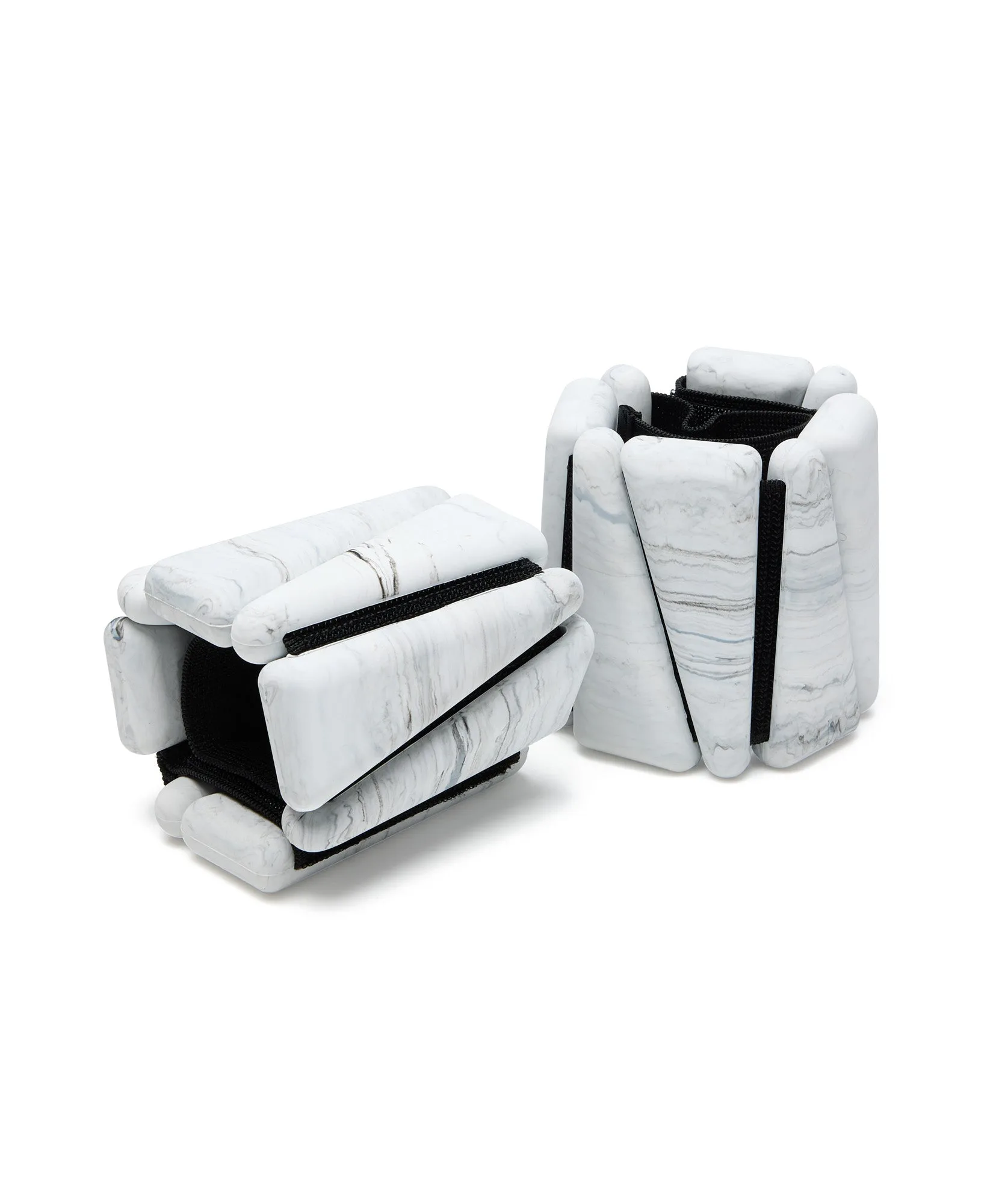
- Ankle & Wrist Weights - White Marble 1kg: 1kg Ankle/Wrist Weights in White Marble are designed for a secure and adjustable fit and can be worn on both ankles and wrists. One pair covers walking, Pilates, and light arm work, so you can test whether added resistance suits your routine before buying more gear.
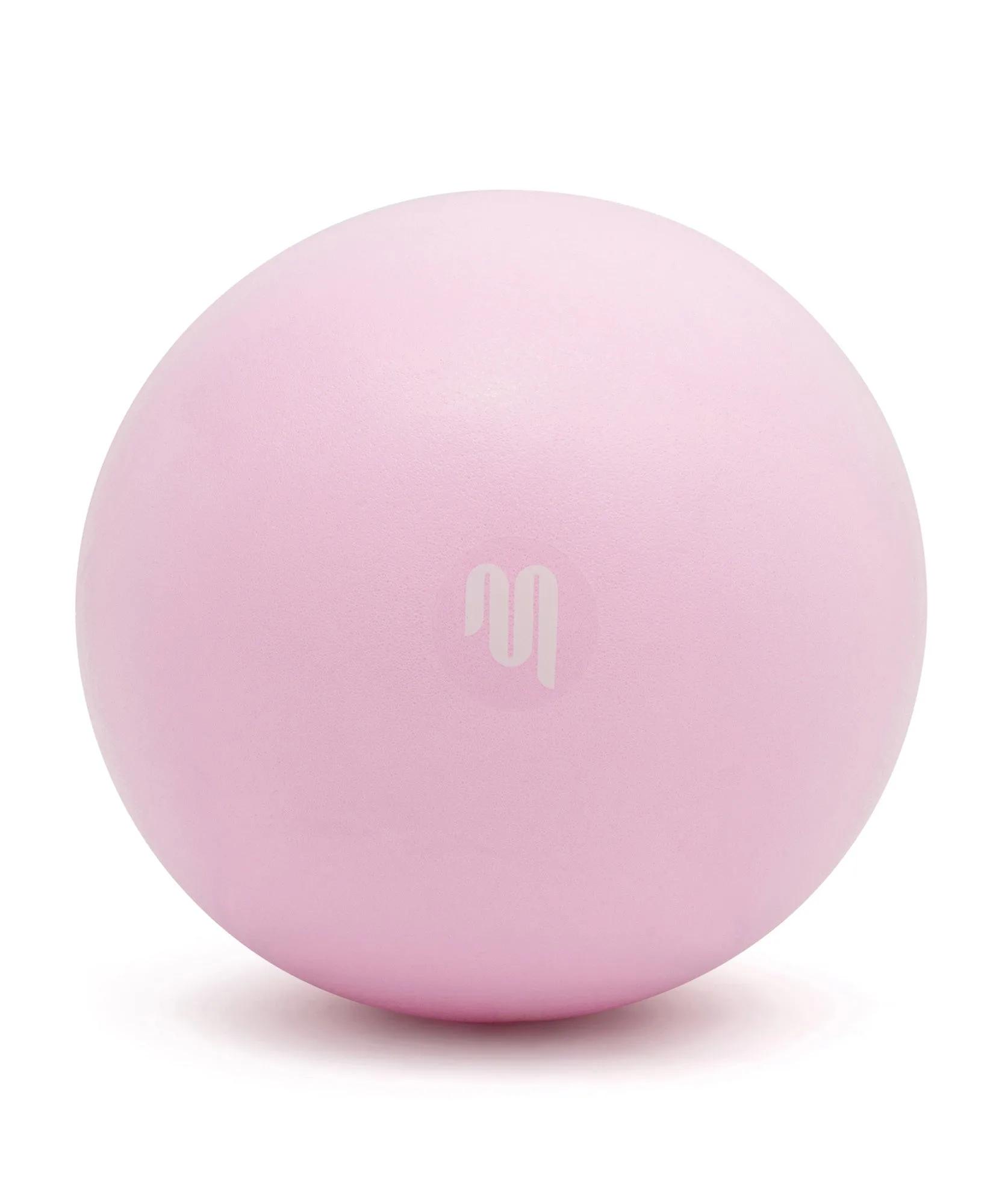
- 20-22cm Pilates Ball - Cool Pink: The 20-22cm Pilates Ball in Cool Pink is made from 100% PVC and is 20cm in diameter. A small ball adds instability to mat work, so you can challenge your legs and core without adding more ankle load.
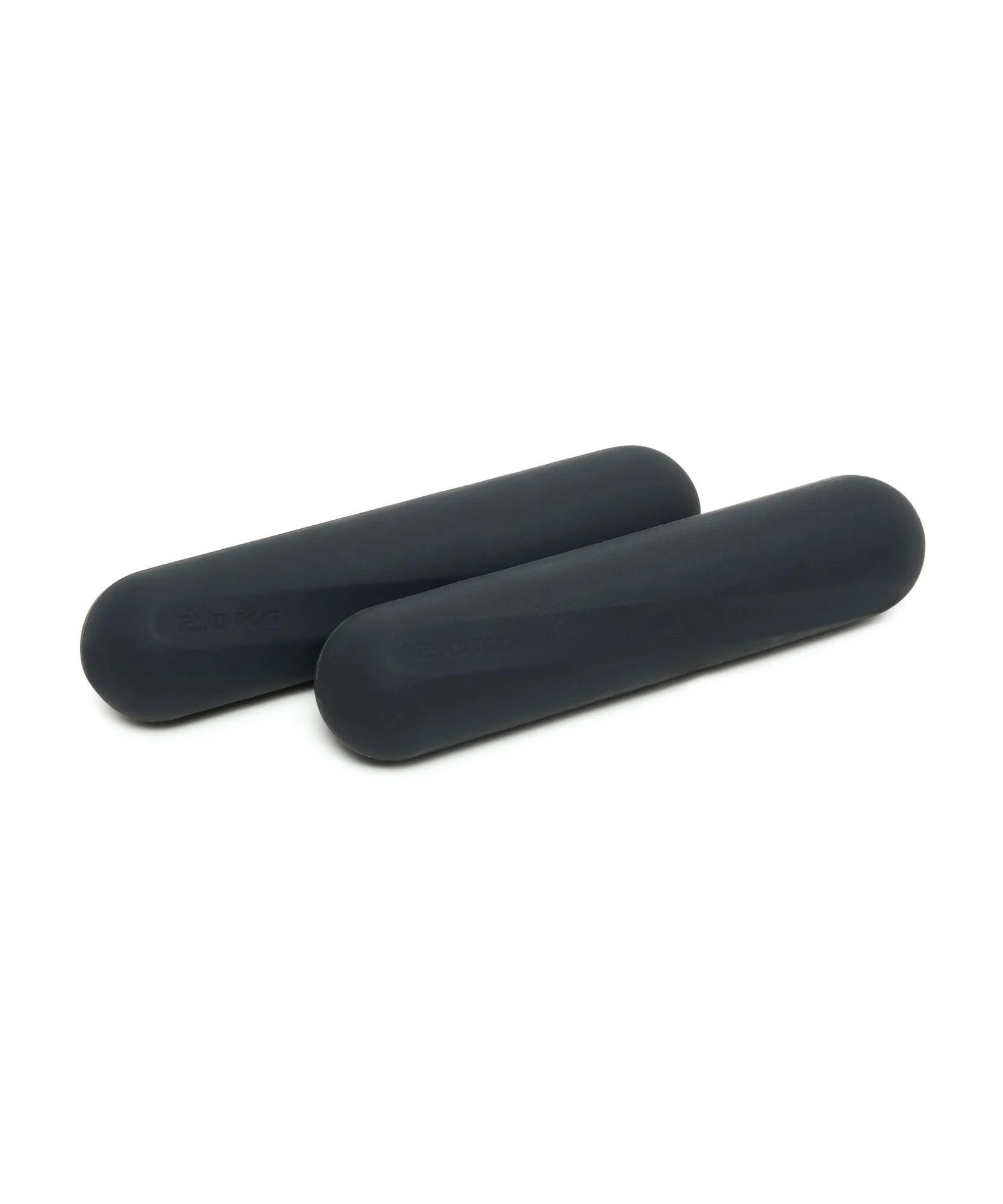
- Hand Weight Bars - Black 2kg: Hand Weight Bars in Black are 2 x 2kg, measure 15.5cm x 4.2cm, and have an iron inner core with a comfortable grip. A sensible step up when 1kg ankle weights no longer feel challenging for upper-body or standing exercises.