The short answer: draining is not a universal rule
You have probably seen the advice: squeeze every drop of water out of bath toys, or mould will take over. It sounds sensible, but the evidence for a blanket draining rule is thinner than the internet suggests. Whether a bath toy needs draining depends on its design, how it is used, and what the manufacturer actually says.
For simple sealed plastic toys, water rarely gets inside, so draining is not the main issue. The real risk comes from toys that trap water in crevices, tubes, or battery compartments. That is where a bath toy mould myth can do damage: treating every toy the same way may lead you to ignore the one that genuinely needs special care.
Myth 1: All bath toys must be drained after every use
This myth assumes every toy holds water. Many do not. A solid rubber duck or a sealed plastic boat may only need a quick shake and a wipe. But toys with openings, pumps, or hoses can retain water, and those are the ones to check.
The supplied information for the Yookidoo Elephant Water Pump Baby Bath Shower does not include a general instruction to drain the toy after every bath. Instead, it gives specific operating steps: attach the shower head to the faucet, adjust the flow, use it to rinse, then turn off and remove the head after use. That is a removal step, not a draining ritual. The record also says to keep the battery module sealed and follow the included directions for attaching and removing the shower head. So the honest takeaway is: follow the toy's own instructions rather than a one-size-fits-all draining rule.
Myth 2: If you see no water, there is no mould risk
Mould needs moisture, but visible water is not the only source. A damp crevice, a sealed battery compartment, or a hose that stays wet inside can create conditions without obvious puddles. The myth is that a quick visual check is enough.
For battery-operated bath toys, the bigger concern may be water entering the battery module. The Yookidoo record specifically says to tighten the battery compartment fully before use to ensure no water enters the battery module, helping to maintain a steady stream and correct propulsion into the shower nozzle. That is a clear, supplied care point: the seal matters. It does not say the toy is mould-proof, and it does not give a cleaning schedule. What it does show is that some toys have specific water-ingress precautions that deserve more attention than a generic drain-and-hope approach.
What the Yookidoo record actually confirms
-
Yookidoo Elephant Water Pump Baby Bath Shower - Pink: Suitable for newborns and infants from 0 to 24 months. This age range tells you who the toy is designed for, which is a more useful safety anchor than a mould claim.
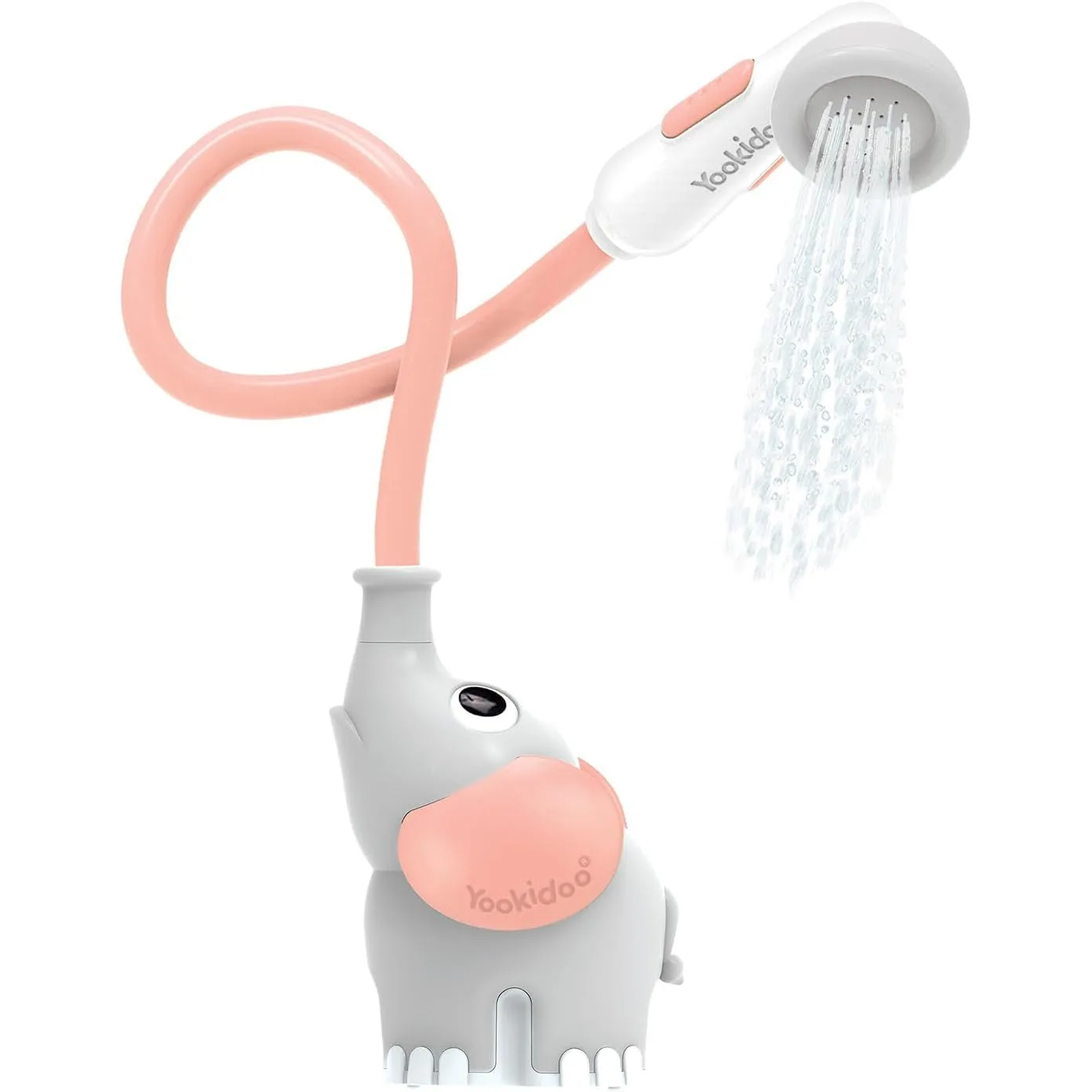
Yookidoo Elephant Water Pump Baby Bath Shower - Pink
-
Yookidoo Elephant Water Pump Baby Bath Shower - Pink: Battery operated elephant pump with shower head trunk (colour varies). Battery operation means a sealed compartment is part of the design, so care around the battery module is relevant.
-
Yookidoo Elephant Water Pump Baby Bath Shower - Pink: Tighten fully before use to ensure no water enters the battery module, helping to maintain a steady stream and correct propulsion into the shower nozzle. This is a specific, supplied instruction that supports checking the seal rather than assuming all toys need draining.
-
Yookidoo Elephant Water Pump Baby Bath Shower - Pink: BPA free, paraben free, phthalate free, made from plastic. Material information is supplied, but it does not include a mould-resistance claim or a cleaning method, so avoid treating it as proof of hygiene.
Myth 3: A vinegar soak solves every bath toy mould problem
Vinegar soaks are a popular bath toy hygiene tip, but they are not a universal fix. The supplied information for the Yookidoo Elephant Water Pump does not include any vinegar soak instruction, nor does it give a cleaning solution recipe. It does say to keep the battery module sealed and follow the included directions for attaching and removing the shower head after use.
That matters because a battery-operated toy has different constraints from a simple plastic toy. Submerging or soaking a battery compartment is a bad idea unless the manufacturer explicitly says otherwise. The supplied record does not confirm that the Yookidoo toy is waterproof beyond the battery module guidance, so do not assume it can be soaked. If you want to clean it, start with the supplied instructions and avoid inventing a soak routine that the evidence does not support.
How to clean bath toys when the record is silent
The Yookidoo record includes a 'Materials and Care' heading but the supplied excerpt does not give a step-by-step cleaning method. That is a gap in the available evidence, not a sign that the toy is uncleanable. The honest approach is to use the general bath toy hygiene tips that do not conflict with the supplied instructions, and to check the full manufacturer documentation that comes with the toy.
For any bath toy, a practical routine is to rinse after use and shake out excess water where the design allows. For toys with a battery compartment, keep the seal tight and avoid letting water pool around it. For toys with hoses or pumps, follow the manufacturer's removal and storage steps rather than forcing water through. These are general care principles, not a claim that the Yookidoo toy has been tested for a particular cleaning method.
Water pump bath toy care: what to watch
Water pump toys are a special case because they move water by design. The Yookidoo Elephant Water Pump uses a battery-operated pump and a shower head trunk. The supplied steps are: fill the sink or tub with water, attach the shower head to the faucet, adjust the flow using the trunk knobs, use to rinse during bath time, and after use turn off and remove the head. The record also says to pump the elephant to start the water flow and to use a small coin to open and close the battery compartment.
Notice what is not there: no instruction to drain the pump after every use, and no cleaning schedule. That does not mean you should ignore moisture. It means the supplied evidence does not support a specific draining rule for this toy. If you are concerned about water sitting inside, the safest course is to follow the included directions and ask the manufacturer for care guidance rather than guessing. The record does confirm the toy is designed to avoid dripping cups and make rinsing easier, which suggests the water path is intended to be controlled, but that is not the same as a mould-prevention guarantee.
The bottom line on bath toy mould myths
Do bath toys need draining? Not automatically. The better question is whether a specific toy traps water in a way that its instructions address. For the Yookidoo Elephant Water Pump, the supplied evidence points to battery-compartment sealing and correct attachment/removal as the key care points, not a universal drain-after-every-bath rule. Treat any sweeping mould claim with caution, and let the toy's own instructions lead. If the supplied information does not cover a cleaning step, that is a gap to fill from the manufacturer, not a licence to invent one.