Quick answer
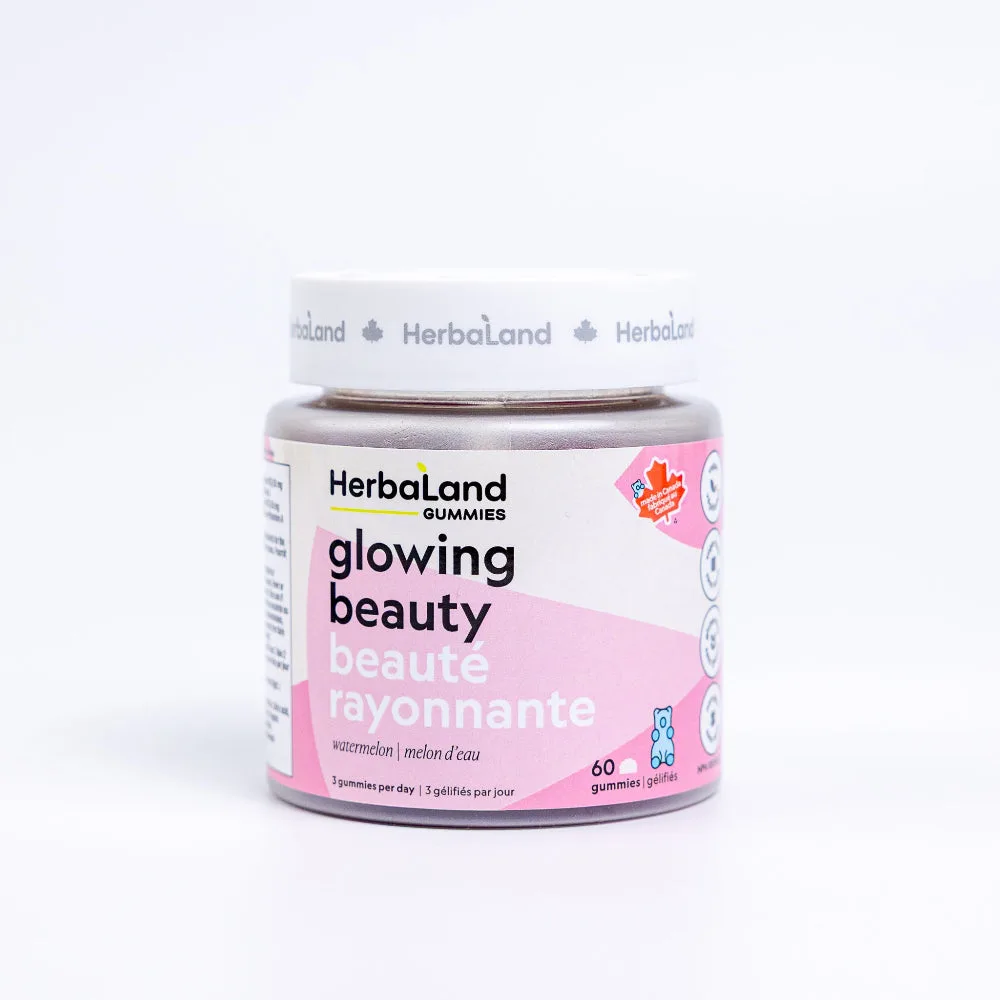
Beauty gummies can work, but not in the way most marketing implies. They don't deposit collagen directly into your skin. Instead, the better ones supply nutrients your body already uses to produce collagen on its own. If a gummy contains vitamin C, L-lysine, and amla fruit — like Glowing Beauty — it's supporting a natural process, not replacing it. If it's mostly sugar and biotin, it's a hair-and-nail supplement at best.
The core myth: gummies don't contain real collagen
Collagen is a protein. Proteins are digested into amino acids before they reach your bloodstream, so eating collagen — whether from a powder, a bone broth, or a gummy — doesn't send collagen directly to your skin. The real question is whether a gummy gives your body the raw materials it needs to build collagen. That's a different claim, and it's the one worth evaluating.
Many beauty gummies avoid this problem by not containing collagen at all. Vegan options like Glowing Beauty use L-lysine, vitamin C, amla fruit, and vitamin A to support the body's own collagen production. That's honest positioning. What matters is whether the formula actually includes those cofactors at meaningful levels — not whether the word collagen appears on the label.
What 'vegan collagen' really means on a label
Vegan collagen is a contradiction in terms. Collagen comes from animal connective tissue. When a brand says vegan collagen, it usually means one of two things: a blend of amino acids and vitamins that support collagen synthesis, or a fermented protein designed to mimic collagen's amino acid profile. Glowing Beauty falls into the first category — it's a collagen booster, not a collagen source.
That distinction matters when you're comparing products. A traditional collagen supplement delivers hydrolyzed collagen peptides. A vegan booster delivers the nutrients your body needs to make its own. Neither is automatically better, but they work differently, and the label should tell you which approach you're buying. If it doesn't, that's a red flag.
Biotin gummies for hair, skin, and nails: helpful or hype?
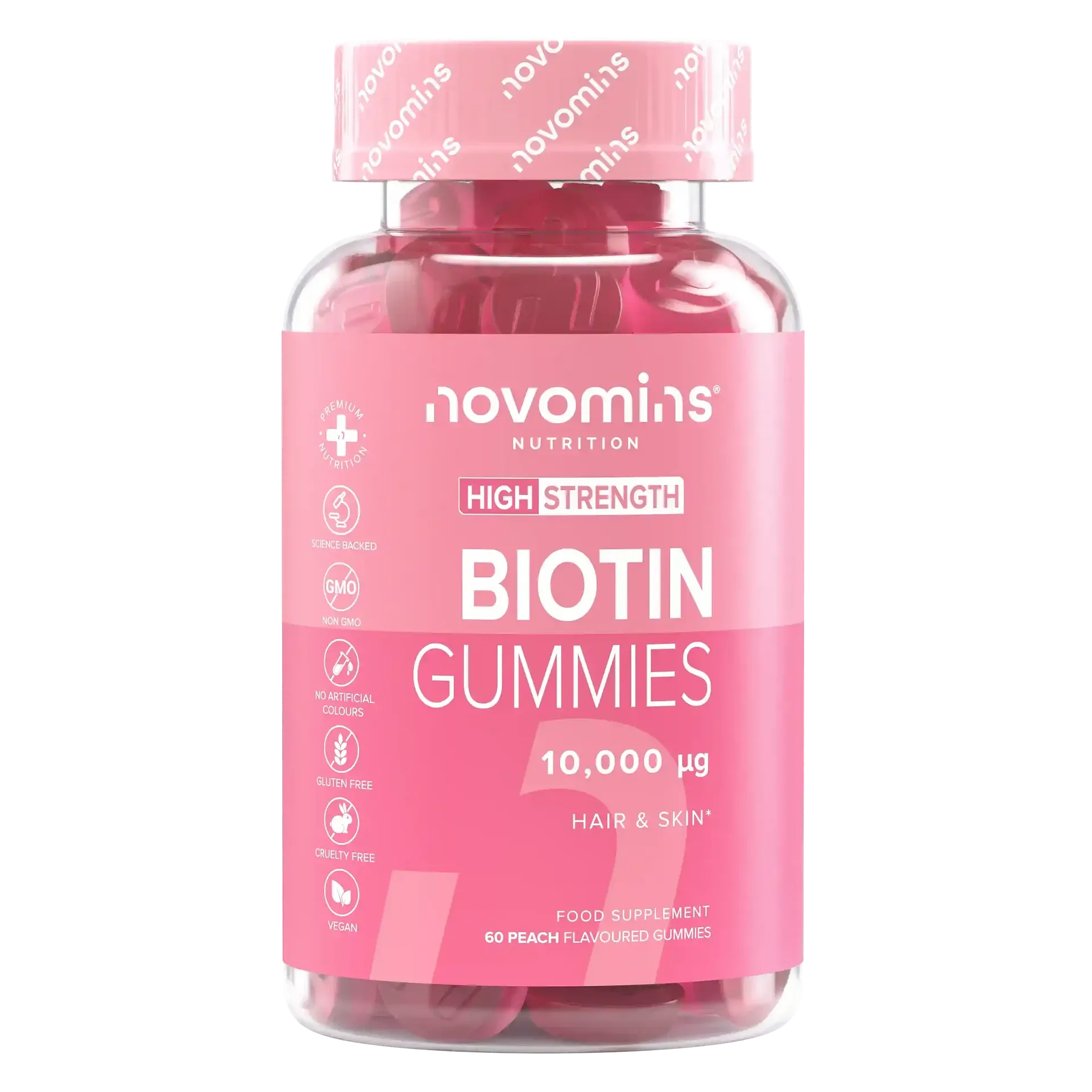
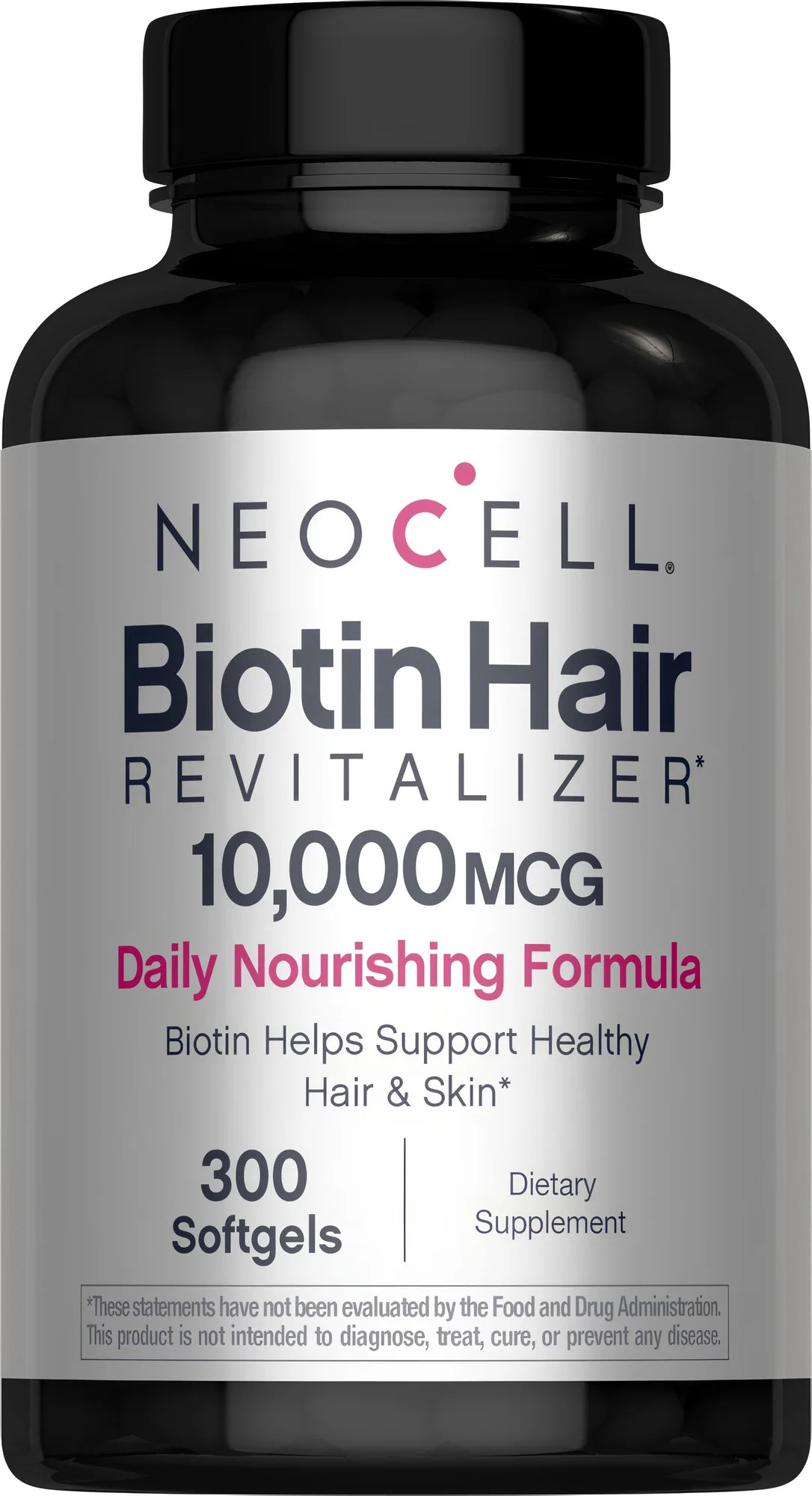
Biotin gets marketed heavily for hair and nails, but it only helps if you're deficient. For most adults eating a varied diet, biotin deficiency is rare. That doesn't make biotin gummies useless — it makes them a poor default choice for general beauty support. If you're already getting enough biotin, adding more won't make your hair grow faster.
The more practical question is what else is in the gummy. A formula with vitamin C, vitamin A, and L-lysine — like Glowing Beauty — supports collagen production and skin health through pathways that don't depend on correcting a deficiency. That's a more reliable reason to take a beauty gummy daily. Biotin can be part of the picture, but it shouldn't be the whole pitch.
Sugar-free vs. sugar-sweetened gummies: a real difference
One of the most overlooked factors in whether a beauty gummy works is what it's sweetened with. A gummy that delivers 3 grams of sugar per serving adds up fast if you take two or three a day. Sugar-free formulas avoid that tradeoff, which matters if you're taking the gummy consistently — and consistency is what makes any supplement worth taking.
Glowing Beauty is sugar-free, which makes it easier to take daily without treating it like a candy. That's not a minor detail. If a beauty gummy tastes good but spikes your sugar intake, you're more likely to cycle on and off it. A neutral, sugar-free format supports the long-term habit that beauty supplements actually require.
How to tell if a beauty gummy is worth your money
Start by checking whether the formula includes recognized collagen cofactors: vitamin C, L-lysine, and vitamin A are the ones to look for. Then check the sugar content. Then check whether the brand is honest about what the product does — if it claims to replace collagen directly, that's a sign the marketing is ahead of the science.
Finally, give it time. Skin, hair, and nail changes happen slowly. A gummy that supports collagen production isn't going to show results in a week. If you're going to spend on a beauty gummy, pick one with a clear mechanism, take it consistently, and judge it after a few months — not a few days.
Myth verdicts
- Myth: Beauty gummies replace collagen: Collagen is a protein that gets digested before it reaches your skin. Gummies can't replace it directly. What they can do is supply nutrients your body uses to make its own collagen. Verdict: False. Look for boosters, not replacements.
- Myth: Vegan collagen is the same as animal collagen: Vegan collagen is a marketing term for formulas that support collagen synthesis, not collagen itself. Glowing Beauty uses L-lysine, vitamin C, amla fruit, and vitamin A to support natural production. Verdict: Misleading. They work differently — read the ingredients.
- Myth: Biotin gummies are the best for hair and nails: Biotin only helps if you're deficient, which is uncommon. Formulas with vitamin C, vitamin A, and L-lysine support collagen production through pathways that don't depend on fixing a deficiency. Verdict: Overstated. Biotin is one piece, not the whole answer.
- Myth: Sugar content doesn't matter in a beauty gummy: A sugar-sweetened gummy adds up fast if you take it daily. Sugar-free options like Glowing Beauty make consistent use easier, and consistency is what drives results. Verdict: False. Sugar-free supports the habit.
Product facts
- Glowing Beauty (Vegan Collagen Booster): Sugar-free vegan collagen booster with L-lysine, vitamin C, amla fruit, and vitamin A; marketed to promote natural collagen production and support healthy skin, hair, and nails. This is the formula type that makes sense for daily beauty support: it supplies collagen cofactors rather than claiming to deliver collagen directly, and the sugar-free format supports consistent use.