Quick answer
Yes, but not in the way the myths suggest. Cork blocks and stretch straps improve your yoga by changing leverage and bringing the floor closer, so you can hold better alignment with less strain. They don't replace consistent practice, and they don't make flexibility happen overnight.
Myth: Props Are Only for Beginners
The claim that blocks and straps are training wheels you should outgrow gets the purpose backwards. Props are adjustable tools for leverage, not a measure of skill. A cork block under your hand in a lunge can reduce the reach required, which lets you keep your torso upright and your back leg active instead of collapsing toward the floor. A strap around your feet in a forward fold gives your hands something to hold without rounding your spine.
Experienced practitioners often use more props, not fewer, because they know exactly where their range ends and where a prop keeps the shape honest. If you are new, start with one block and one strap. You can add a second block later for restorative poses or for propping the hips.
Myth: Cork Blocks and Foam Blocks Are Interchangeable
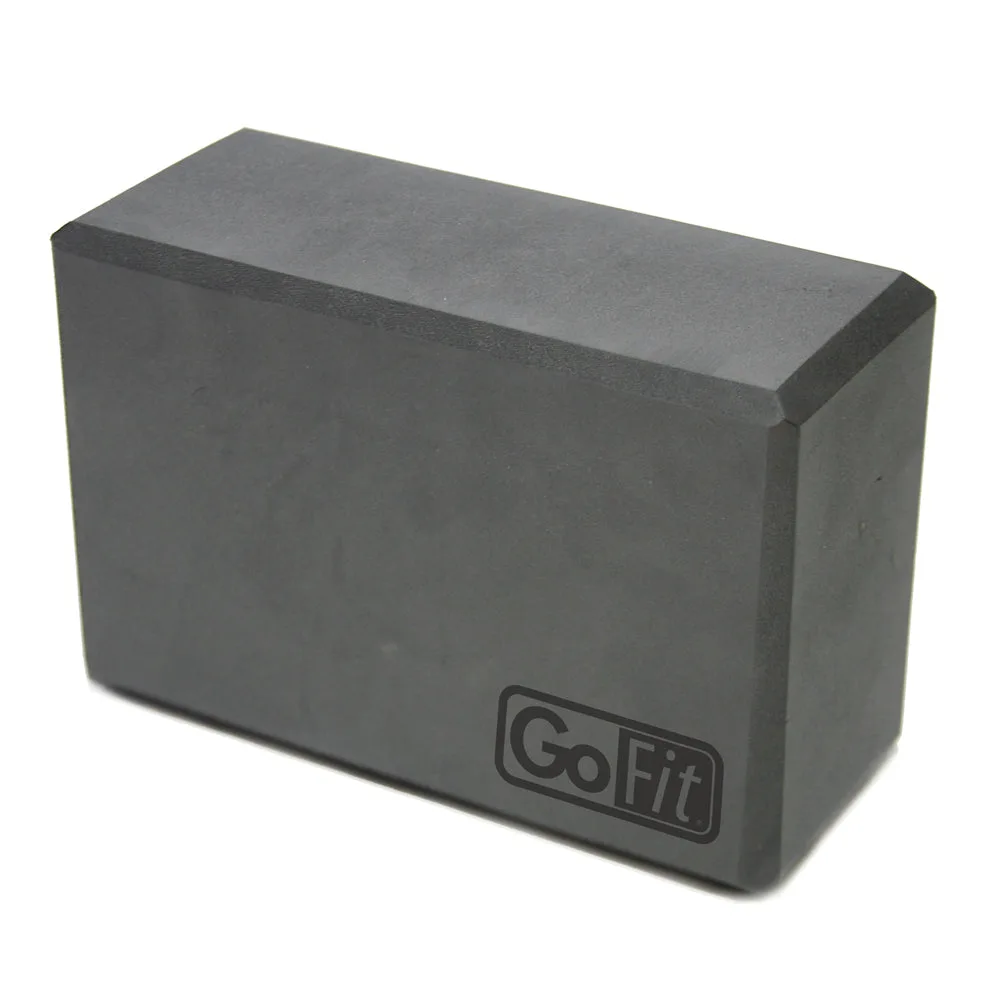
Both raise the floor, but they feel and behave differently. Cork is dense and firm, so it stays put under weight and gives a solid, grounded surface for standing poses, arm balances, and any shape where you press down hard. Foam is lighter and softer, which can be more comfortable under bony areas like the ribs in a supported backbend, but it compresses and can wobble when you load it.
Choose cork when you want stability and durability. Choose foam when you want cushioning or you carry props to class and care about weight. If you practice at home on a wood or tile floor, a cork block is less likely to slide than a lightweight foam one.
Myth: A Stretch Strap Will Make You Flexible Fast
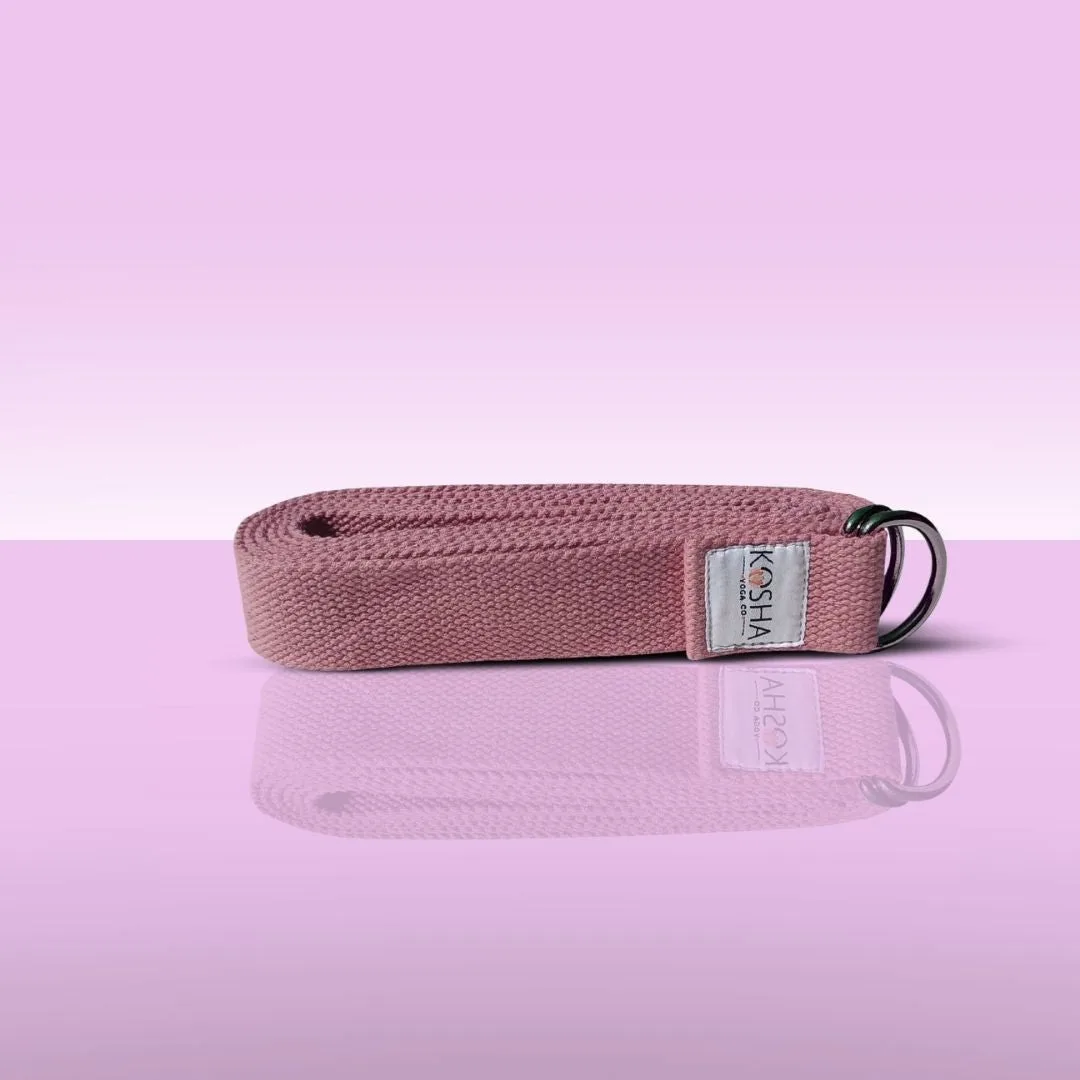
A strap does not stretch you. It extends your reach so you can hold a pose long enough to breathe and relax into the range you already have. In a supine hamstring stretch, looping the strap around your foot lets your arms rest while your leg stays extended. That longer, calmer hold is what supports flexibility over time, not the strap itself.
Use the strap to find a position you can maintain for five to ten breaths without gripping or straining. If you have to clench your jaw or pull hard, shorten the loop or bend your knee. The strap is a length adjustment, not a force multiplier.
Myth: If You Need a Block, You Are Doing It Wrong
This one causes the most unnecessary strain. A block under your hand in triangle pose or half moon lets you keep both sides of the waist long instead of dumping into the bottom ribs. A block between your thighs in bridge can help you feel and engage your inner legs. Neither use is a failure; both are ways to practice the intended action.
The real risk is forcing your body toward a shape it is not ready for because you left the block at home. Bring the floor to you. That is what props are for.
How to Use Blocks and Straps Without Overdoing It
Start with one cork block and one strap. In standing poses, place the block under your bottom hand and press down to create length through the spine. In seated folds, loop the strap around the soles of your feet and hold the ends with straight arms. In supine stretches, use the strap to keep your leg extended while your shoulders stay on the floor.
If you are working on relaxation alongside your physical practice, pair your prop work with a calming ritual. A warm cup of Better Tea Hemp Relief Pouch 75g, which combines New Zealand-grown hemp seed hearts with herbs and rosehip, can be a simple way to bookend a session. The minerals in the hemp seeds, including magnesium and zinc, are part of its catalog description, not a promise of a specific effect. Treat it as a pleasant habit, not a performance enhancer.
Verdicts on common prop claims
- Cork blocks are only for beginners: False. Cork blocks are firm and stable, which makes them useful at any level for standing poses, balances, and any shape where you press down. They bring the floor closer so you can keep alignment instead of straining. Verdict: keep at least one cork block within reach for every practice.
- A stretch strap will make you flexible: Partly false. A strap extends your reach so you can hold a stretch long enough to breathe. It does not create range on its own. The flexibility comes from consistent, relaxed holds, not from pulling harder. Verdict: use the strap to support length, not to force depth.
- Foam and cork blocks do the same job: False. Cork is dense and non-slip under weight; foam is lighter and softer but compresses. Choose cork for stability, foam for cushioning or portability. Neither is wrong, but they are not interchangeable for every pose. Verdict: match the material to the pose and your floor.
- Needing a block means you are doing it wrong: False. A block under your hand or between your thighs is a way to practice the intended action with better alignment. Avoiding props to look advanced often leads to compensation and strain. Verdict: use the prop, keep the shape honest.
Props and self-care that support a steady practice
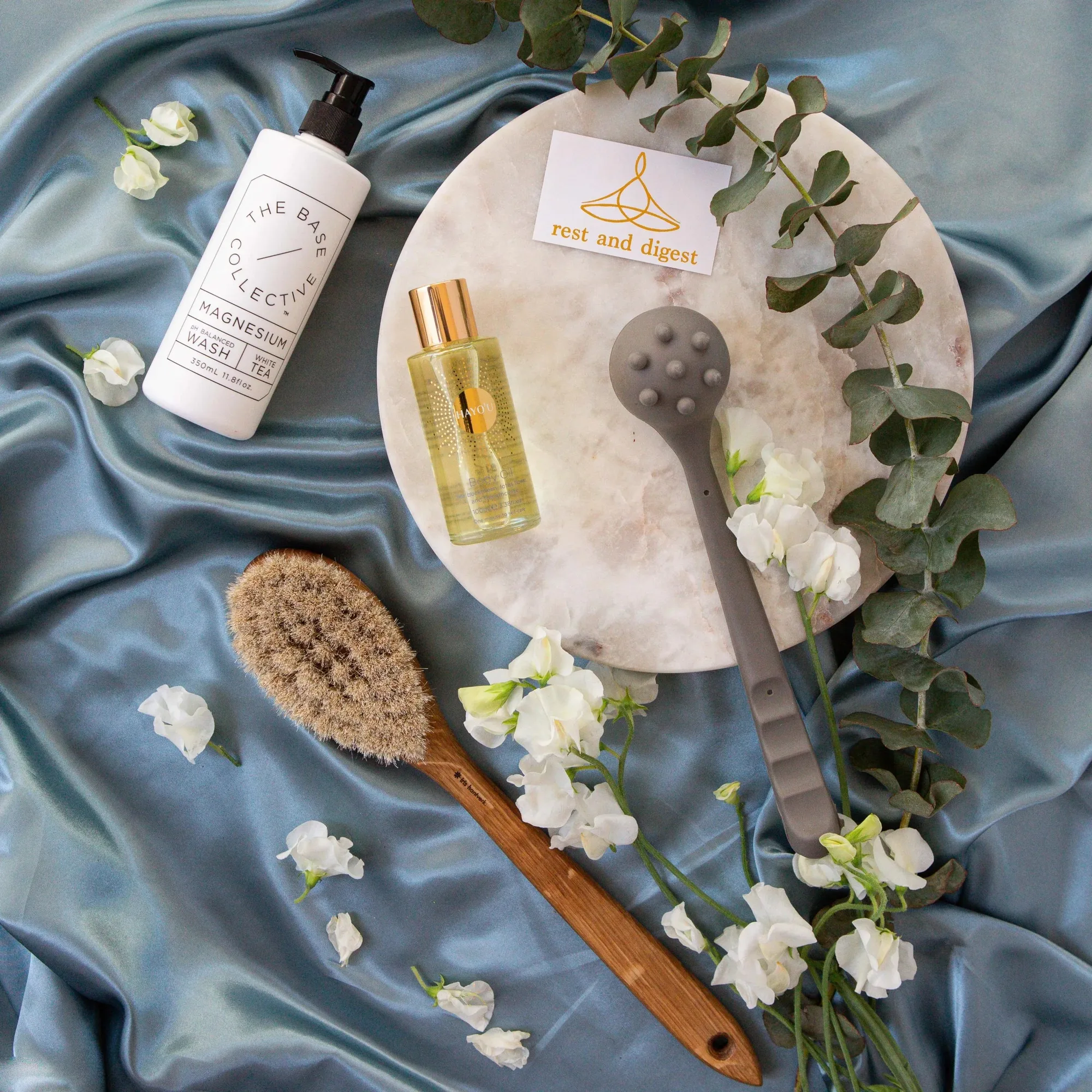
- The Body Self Care Package: The Body Self Care Package includes The Base Collective Magnesium Body Wash and an Iris Hantverk dry body brush, curated to feel luxurious while delivering results. A post-practice shower and dry brushing can turn your mat time into a fuller reset, especially if you want a home retreat feel without booking a spa.
- Better Tea Hemp Relief Pouch 75g: Better Tea Hemp Relief Pouch 75g blends New Zealand-grown hemp seed hearts with ancient medicinal herbs and rosehip, and contains minerals such as manganese, magnesium, iron, and zinc. A warm cup after prop work gives you a low-effort way to slow down and hydrate, which pairs well with the quieter holds that straps and blocks make possible.
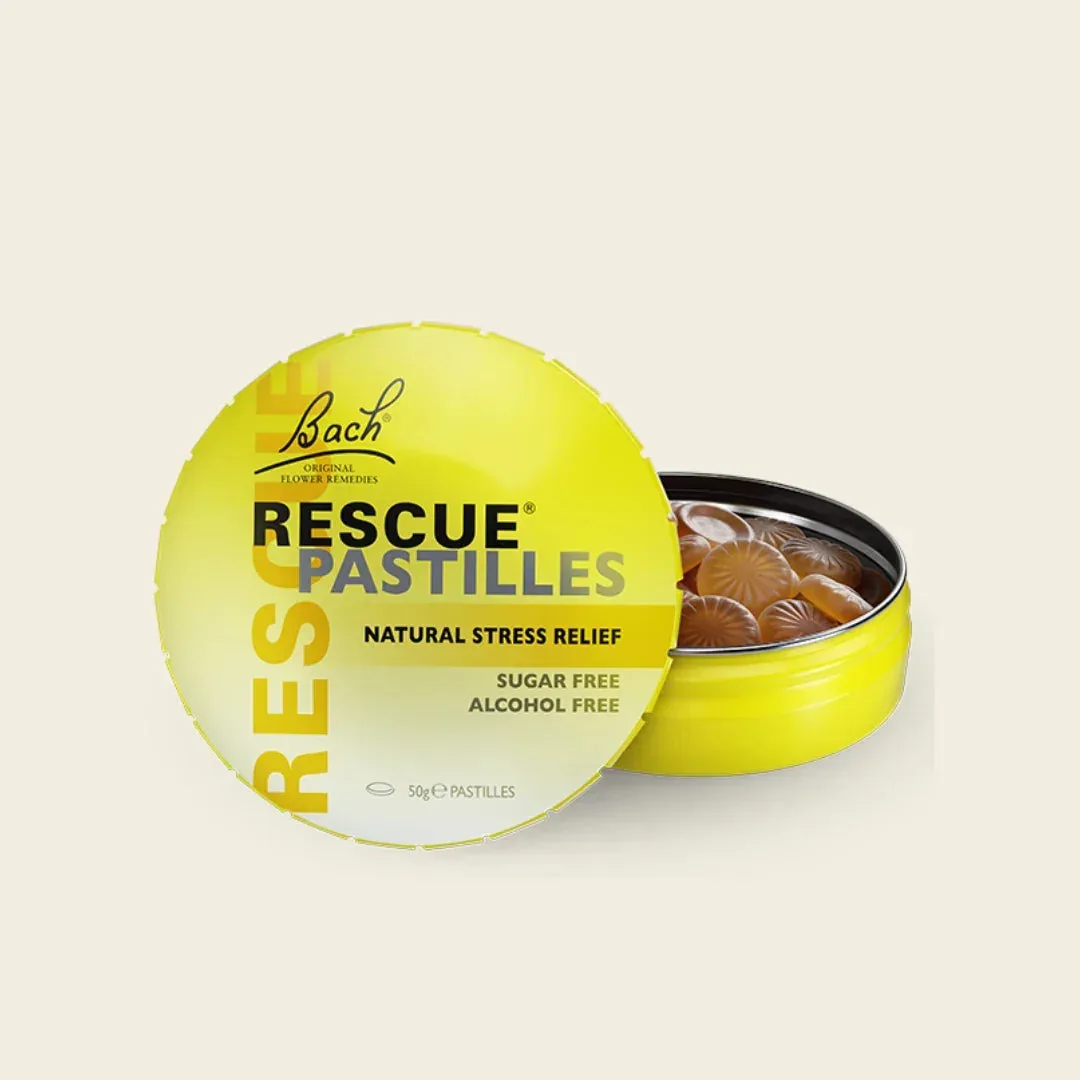
- Bach Original Flower Remedies Rescue Pastilles: Bach Original Flower Remedies Rescue Pastilles are a vegan, non-drowsy, non-addictive option, with each pastille equal to 4 drops of Rescue Remedy. Keep a tin in your yoga bag for days when you feel scattered before practice; it is a simple, portable way to reset without any sedative effect.