Quick answer
No, decorative planters do not automatically need liners. A liner only earns its place when your pot lacks a saucer or drainage control and you are watering a plant that may release excess water. If the planter already has an attached saucer, a sealed base, or you use a cachepot method, adding a liner can trap moisture and cause more problems than it solves.
The liner question comes up because indoor planter leaks are real, and the damage they cause is expensive. But the advice to always add a liner ignores how differently decorative planters are built. Some have attached saucers, some are sealed ceramic, and some are simply a decorative shell for a nursery pot.
This article separates the myths from the practical mechanics. We will look at when a liner actually protects your floors, when it is unnecessary, and how to judge a planter by what it already does rather than by a rule of thumb.
Myth: Every decorative planter needs a liner for floor protection
The claim that every decorative planter needs a liner treats all pots as if they were open-bottom baskets. That is not how most planters are made. A ceramic planter with an attached saucer is already designed to catch water at the base. Adding a liner inside it does not add protection; it adds a layer that can hold moisture against the inner wall.
The real question is not whether a planter is decorative, but whether it has a way to manage excess water. If the answer is yes, a liner is optional. If the answer is no, a liner is one of several possible solutions, and often not the best one.
- Check the base first: an attached saucer or sealed bottom changes the liner decision entirely.
- A liner is not a substitute for a saucer if the pot has an open drainage hole.
Myth: A liner makes any planter waterproof
A liner can block water from reaching the floor in a pot with drainage holes, but it does not make the planter waterproof. Water still has to go somewhere. If the liner fills and overflows, the floor gets wet anyway. If the liner sits tight against the pot wall, it can create a damp pocket that keeps the root zone too wet.
Waterproofing is a property of the planter itself, not of an inserted liner. A glazed ceramic planter with a sealed base handles water differently from an unglazed or open-bottom pot. The liner is a workaround, not a fix.
- A liner that traps water against the pot wall can contribute to root rot.
- If the planter is already sealed, a liner adds nothing to floor protection.
Myth: Liners are always the safest choice for indoor planter leaks
Liners are often recommended as the safe default, but they introduce their own risks. A liner that holds standing water becomes a reservoir. A liner that fits too snugly reduces airflow around the root ball. And a liner that is not checked regularly can hide a slow leak until the damage is already done.
The safer approach is to match the planter to the watering style. If you tend to water heavily, choose a planter with an attached saucer or use a cachepot with a nursery pot you can lift out. If you water sparingly, a sealed decorative planter may need no liner at all.
- Empty and dry any liner after watering if you use one.
- A liner with standing water is a warning sign, not a success.
When a liner actually helps
A liner helps in one specific case: a decorative planter with an open drainage hole and no saucer, where you want to keep the pot in place and avoid water reaching the floor. In that situation, a liner acts as a catch basin. It is a practical fix, but it still requires emptying.
A liner can also help when you want to switch plants without repotting the decorative container. You keep the plant in a nursery pot and drop it into the liner, then lift it out for watering. This cachepot method is one of the most reliable ways to protect floors because the water never enters the decorative planter at all.
- Use a liner when the planter has drainage but no saucer.
- Use the cachepot method when you want the simplest floor protection.
When a liner is unnecessary or harmful
A liner is unnecessary when the planter already has an attached saucer, a sealed base, or is used as a cachepot. It is harmful when it holds water against the roots, when it blocks the pot from sitting level, or when it gives you a false sense of security so you stop checking for leaks.
The better habit is to inspect the planter base after each watering for the first few weeks. If the base stays dry, you do not need a liner. If it stays wet, fix the source rather than layering on more accessories.
- Skip the liner if the planter has an attached saucer or sealed bottom.
- Remove the liner if you see condensation or standing water inside it.
Liner myths, verdicts, and what to do instead
- Myth: Every decorative planter needs a liner: A liner is only useful when the planter has drainage but no saucer or sealed base. Many decorative planters already manage water at the base. Verdict: false as a blanket rule. Check the base before adding anything.
- Myth: A liner makes a planter waterproof: A liner can catch water, but it does not seal the planter. If it overflows or traps moisture, it can cause root problems and still leak. Verdict: false. Waterproofing comes from the planter, not the liner.
- Myth: Liners are always the safest choice: Liners add a maintenance step and can hide slow leaks. The cachepot method, where the plant stays in a nursery pot, is often simpler and safer. Verdict: false. Match the method to your watering style.
- Best practice: inspect the base after watering: For the first few weeks, check the planter base after each watering. If it stays dry, you do not need a liner. If it stays wet, fix the drainage or switch to a cachepot. Verdict: true. Observation beats assumptions.
Planter designs that already handle floor protection
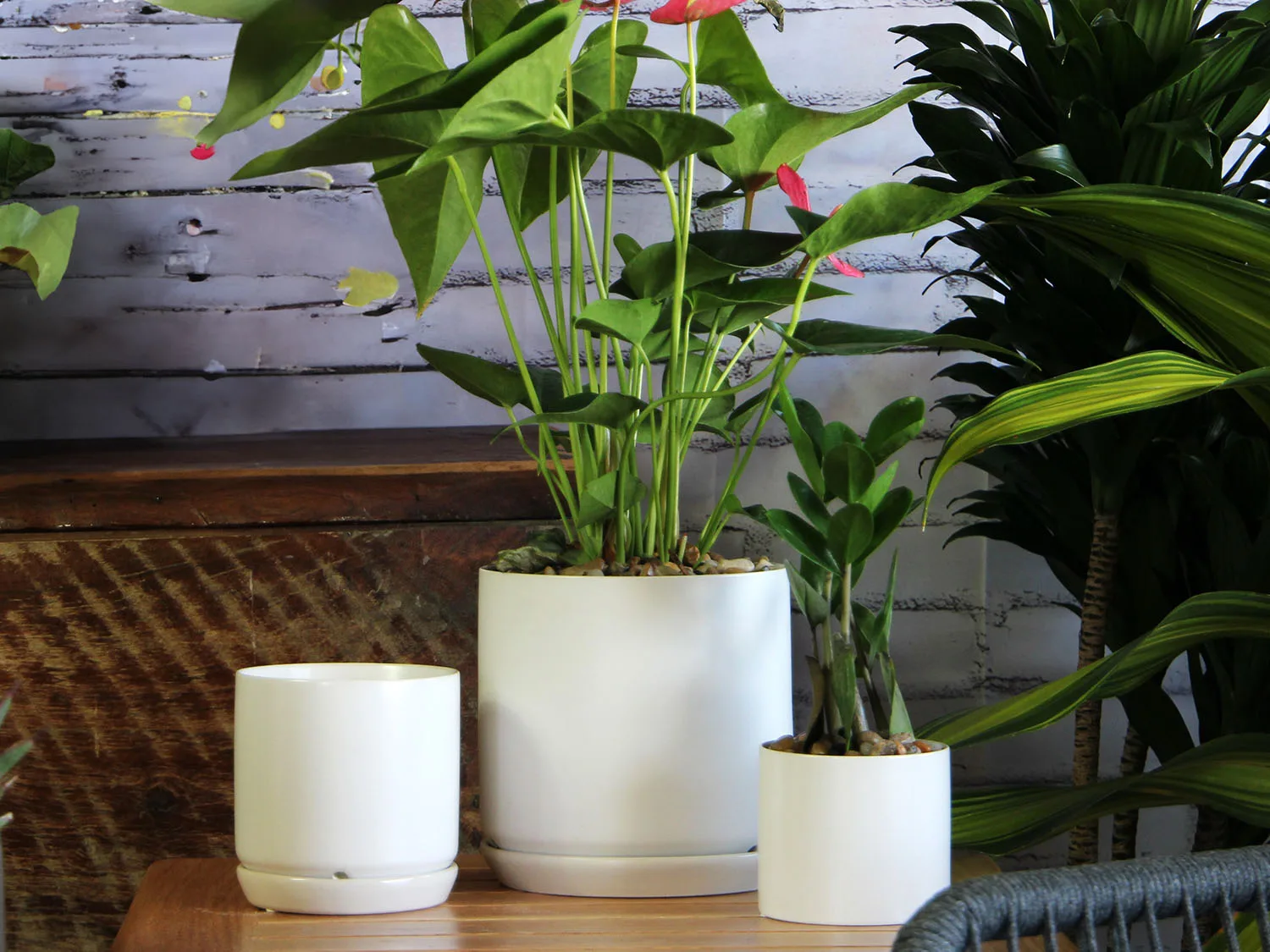
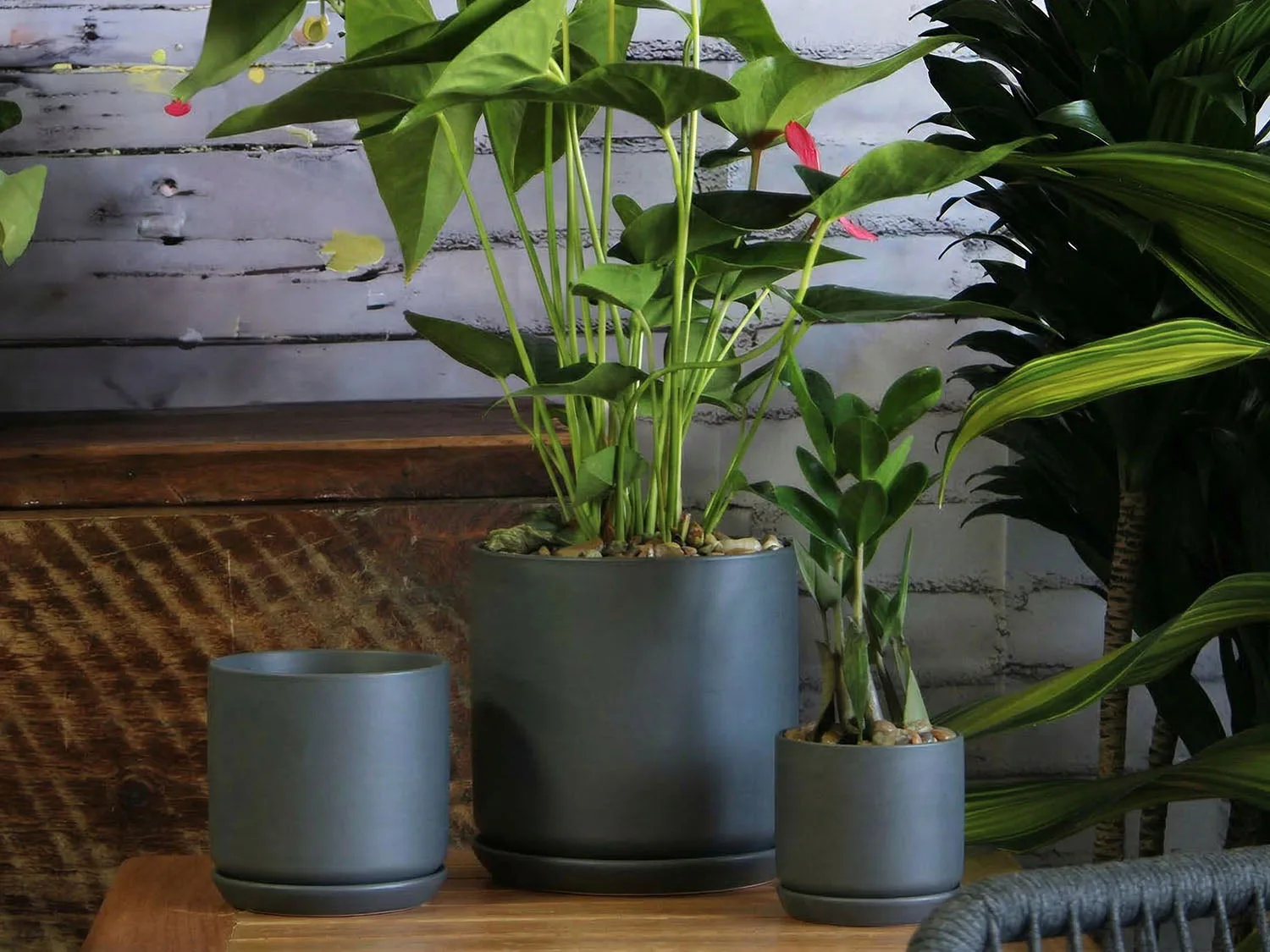
- https://plantatoremez.com/products/cylinder-with-attached-saucer-6-6d5c0667fdfe5b8aa4ed1c84-2580485https://plantatoremez.com/products/cylinder-with-attached-saucer-12bb446e0a8a84e804366b66-2580487Cylinder with Attached Saucer By Plantatorem: This ceramic planter comes with saucers already attached, so you do not need separate trays or improvised solutions. It is sold as a case of four matching pots. If your planter already has an attached saucer, adding a liner is redundant and can trap moisture. This design solves the floor protection question at the source.
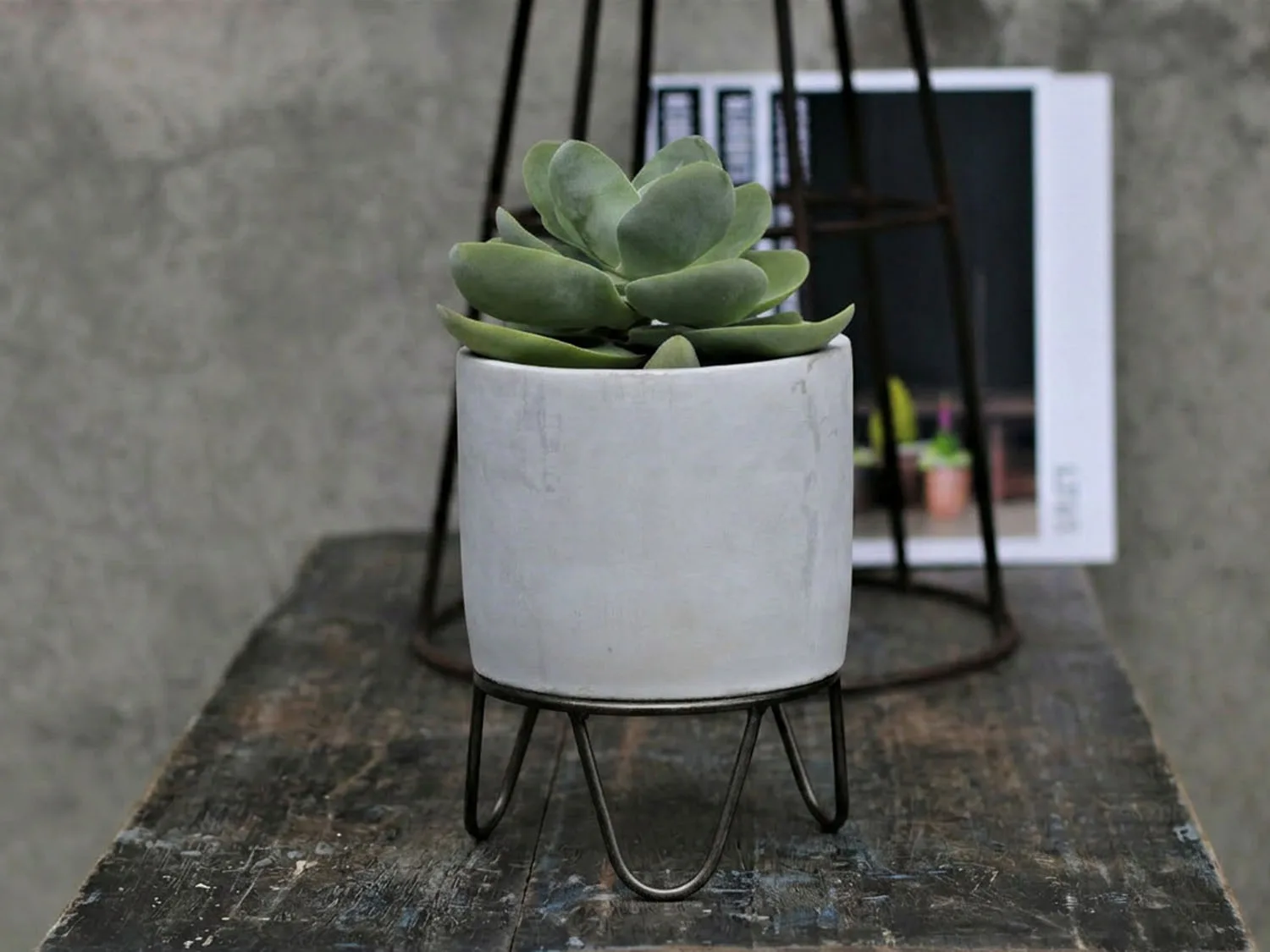
- Cylinder Concrete Planter By Plantatorem: A compact indoor planter with a clean cylindrical shape and concrete look, available as a single pot or a case of 24. The catalog does not state whether it has a drainage hole or attached saucer. When a listing does not specify drainage or a saucer, treat that as a decision limitation. Check the base in person or ask before assuming a liner is needed.
- STONE BELL PLANTER: An urban planter with a bell-inspired shape and ceramic construction, suitable for indoor and outdoor use. Available in multiple sizes and a set of three. A planter rated for both indoor and outdoor use still needs a floor protection plan indoors. If it has no attached saucer, a liner or cachepot method may be the right call.
Decorative planter liners are a tool, not a rule. Use one when your planter has drainage and no saucer, skip it when the planter already protects the floor, and choose a cachepot setup when you want the least fuss. The right answer depends on the pot in front of you, not on a general claim.