Quick Answer
The enamel coating itself does not tarnish, because it is a fired glass-like finish rather than a metal. Tarnish comes from the metal underneath, usually at uncoated edges, posts, or clasps. So the real question is not whether enamel tarnishes, but whether the base metal is sealed well enough to keep moisture and air away from it.
If you have ever pulled a favorite pair of earrings out of a drawer and found them dull, dark, or spotted, you already know how disappointing tarnish can be. With enamel jewelry, though, the discoloration is rarely the enamel's fault. Enamel is a decorative surface, and the metal hidden beneath it is what reacts to air, moisture, and skin oils.
That distinction matters when you are shopping, especially for novelty earrings where the fun design can distract from construction details. This guide answers the questions buyers actually ask about enamel earring durability, tarnish prevention, and enamel earring quality, so you can choose pieces that stay bright and know how to care for them once they arrive.
What Actually Tarnishes on Enamel Earrings
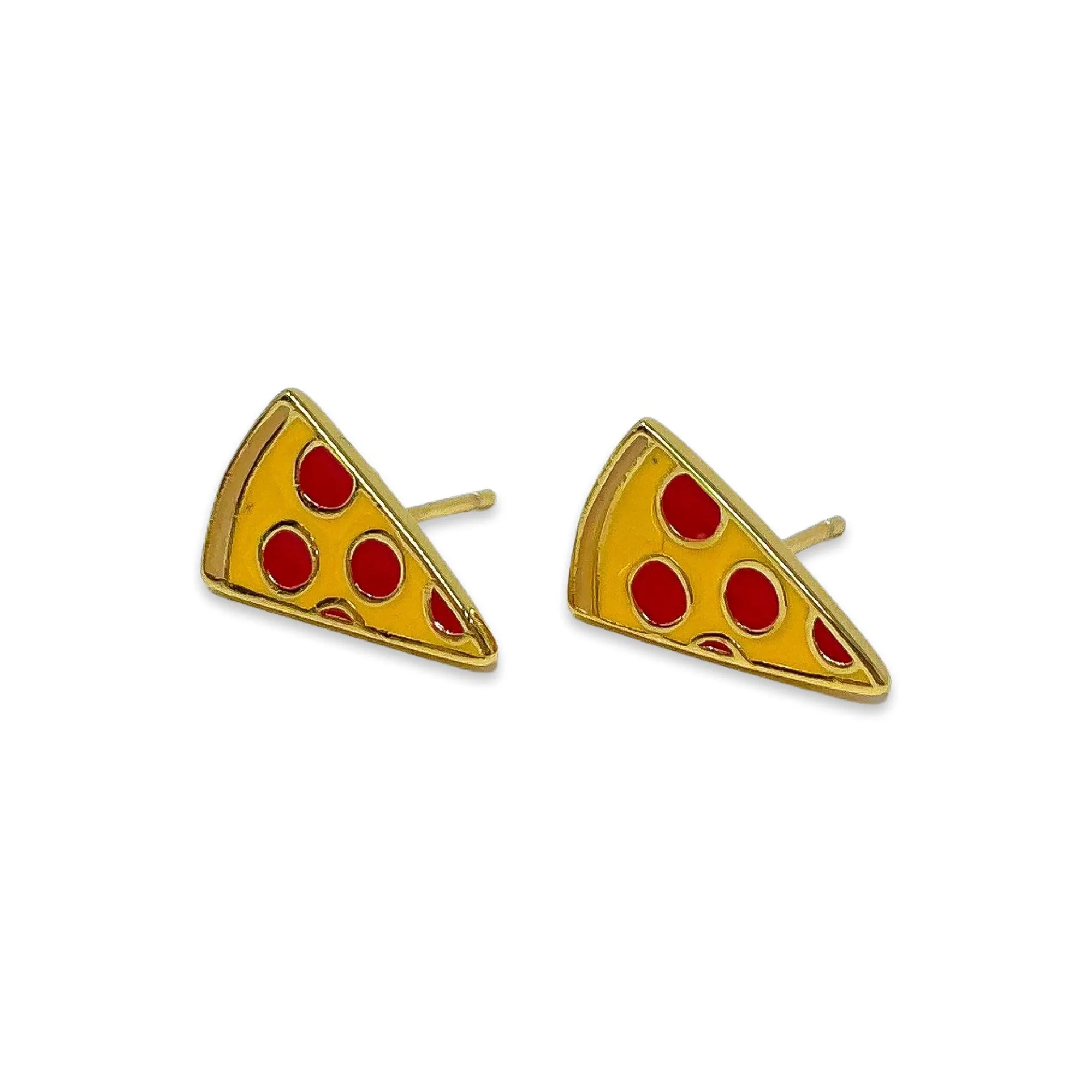
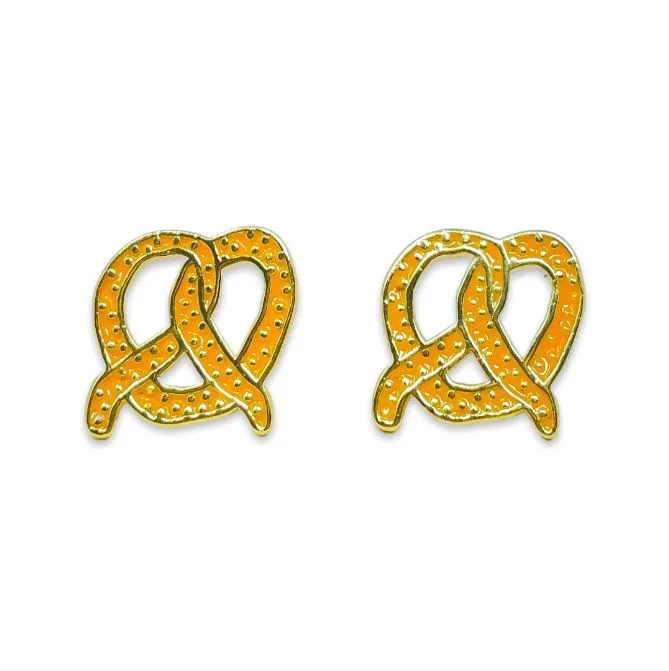
Enamel is a glass-like coating that is fused to metal at high heat. Once it cools, it is hard, smooth, and chemically stable, which means it does not oxidize the way silver, brass, or copper do. When you see darkening on an enamel earring, you are almost always looking at the base metal showing through at an edge, a post, or a jump ring, or at a thin layer of metal that was never fully covered.
This is why two enamel earrings at similar prices can age very differently. A piece with fully sealed edges and a coated post resists tarnish far better than one with exposed metal around the rim. If a listing does not state the base metal or the post material, treat that as a real limitation rather than assuming the best.
- Check whether the enamel wraps around the edges or stops short and leaves a metal rim exposed.
- Look closely at the earring post and backing, since those touch skin and moisture most often.
- If the base metal is not listed, ask before buying rather than guessing.
Why Some Enamel Earrings Tarnish Faster Than Others
Tarnish is a reaction between metal and the environment, so the biggest variables are the metal type, the quality of the enamel seal, and how you store and wear the earrings. Sterling silver, brass, and copper all react over time, while stainless steel and well-plated metals resist longer. Humidity, perfume, hairspray, and sweat speed the process up.
Enamel earring durability also depends on how much unprotected metal is left visible. A design with large enamel areas and minimal exposed metal has fewer weak points. A design with lots of thin metal lines, open filigree, or dangling hardware gives moisture more places to settle and start the reaction.
- Store earrings in a dry, airtight container rather than an open dish in a bathroom.
- Put earrings on last, after perfume, lotion, and hairspray have dried.
- Wipe them with a soft dry cloth after wearing to remove oils and moisture.
How to Judge Enamel Earring Quality Before You Buy
Good enamel earrings share a few visible traits. The enamel surface should look smooth and evenly colored, with no cloudy patches, bubbles, or thin spots. Edges should be clean, and the post should feel secure rather than loose or roughly finished. If you are shopping online, zoom in on product photos and read the description for material details.
Novelty earrings can be genuinely well made, but the category also attracts very cheap construction. Price alone is not a reliable signal. A better test is whether the seller describes the materials, shows close-up images, and gives care instructions. When that information is missing, you are taking on more risk, and that is worth factoring into your decision.
- Look for smooth, evenly colored enamel with no visible bubbles or thin patches.
- Prefer listings that name the base metal and the post material.
- Treat missing material details as a caution flag, not a neutral detail.
Earring Tarnish Prevention: A Simple Routine
Prevention is mostly about keeping moisture and chemicals away from exposed metal. A consistent routine takes seconds and makes a noticeable difference over months. The goal is not to baby your earrings, but to avoid the everyday habits that quietly shorten their life.
If tarnish does appear on a metal edge, a gentle polish with a soft jewelry cloth can often lift it. Avoid abrasive cleaners and never scrub the enamel itself, since rough treatment can dull the finish or chip the edges. When in doubt, less aggressive cleaning is safer.
- Keep earrings out of the bathroom to avoid steam and humidity.
- Use a jewelry cloth on metal areas only, not on the enamel surface.
- Rotate your earrings so no single pair is exposed to daily wear.
Enamel Earring Tarnish FAQ
Does the enamel itself tarnish?
No. Enamel is a fused glass-like coating, not a metal, so it does not oxidize. Any darkening you see is the base metal reacting, usually at an exposed edge or on the post. Inspect edges and posts first when checking a pair for wear.
Can tarnished enamel earrings be restored?
Metal areas can often be brightened with a soft jewelry cloth. Enamel that has chipped or dulled cannot be restored at home, which is why prevention and careful storage matter more than cleaning. Polish metal gently and never scrub the enamel surface.
Are novelty enamel earrings lower quality?
Not automatically. Quality depends on the base metal, the enamel seal, and the finishing, not on whether the design is playful. A well-made novelty earring can outlast a plain one. Judge construction details, not the theme.
What is the single best prevention habit?
Store earrings dry and separate from other jewelry, and put them on after perfume and hairspray have dried. Most tarnish starts with trapped moisture or chemical residue. Dry storage plus a last-on, first-off routine covers most of the risk.
What Jenny Lemons Pieces Show About Construction
- Cake Slice Enamel Bag Charm & Keychain: This enamel charm measures 2 x 1.5 inches and includes both a lobster clasp and a split ring. The dual hardware means you can move it between a bag and a key set, but the clasp and ring are the metal parts most likely to show wear, so wipe them dry after handling.
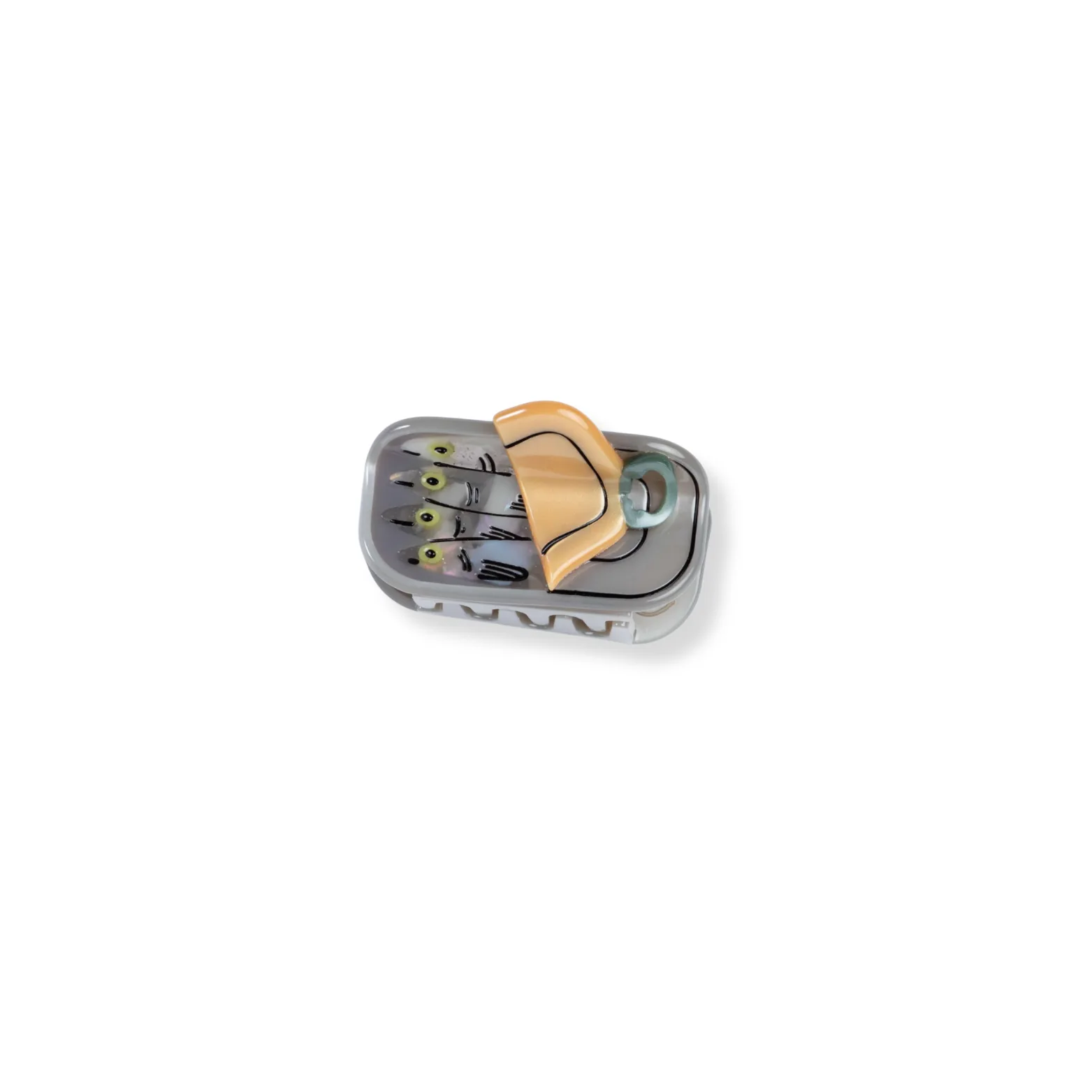
- Mini Tinned Fish Hair Claw Clip: It is crafted from eco-friendly cellulose acetate with hand-painted details and is designed for fine hair, short styles, and half-up looks. Cellulose acetate is not enamel and does not tarnish, which makes it a useful comparison point when you are weighing enamel pieces against other novelty accessories.
- Large Deli Sandwich Hair Claw Clip: This cellulose acetate clip measures 3.75 x 2.5 inches, is handmade and hand-painted, and is final sale with no returns or exchanges. Hand-painted details mean slight variation between pieces, and the final sale policy means you should confirm the size and style suit you before ordering.
Enamel earrings do not tarnish on the enamel itself, but the metal beneath and around the coating can. Focus on sealed edges, a coated post, and dry storage, and your enamel earring durability will come down to construction and care rather than luck.