Quick answer
Yes, an enamel pin post pushes through fabric and leaves a small hole. Whether that hole matters depends on the fabric, the spot you choose, and how long you leave the pin there. Denim, canvas, and thick knits recover well; thin, delicate, or coated fabrics show damage more easily. If the garment is precious, pin it somewhere hidden or don't pin it at all.
Enamel pins are usually worn on denim jackets, tote bags, and lanyards, which makes them feel harmless. Then you pin one to a favorite shirt and notice a tiny hole where the post went in. The question isn't whether enamel pins damage fabric — it's whether the damage is permanent, and that depends on choices you control.
This is a myth-busting look at what actually happens when a pin post meets fabric, which backing types change the risk, and how to pin enamel pins safely without guessing.
Myth: A pin hole is always permanent damage
Verdict: false, but with conditions. A pin post is a thin metal point, so it separates fibers rather than cutting a clean circle. On woven fabrics with some give — denim, canvas, heavy cotton — those fibers can close back up once the pin is removed, especially if you gently rub the spot. On tightly woven, thin, or coated fabrics, the hole is more likely to stay visible.
The honest limit: no manufacturer guarantees a pin hole will disappear, and results vary by fabric blend and wear. If a garment is expensive, vintage, or has sentimental value, treat the hole as permanent and pin somewhere else.
- Test on an inside seam or hem before pinning the front of a garment.
- Remove pins before washing so the post doesn't enlarge the hole in the drum.
Where you pin matters more than the pin
Pinning through a single layer of thin fabric is the highest-risk move. Pinning through a reinforced area — a denim jacket placket, a canvas tote seam, a thick knit collar — spreads the pressure and hides the entry point. Chest pockets and lapels are popular because they're structured, not because they're magically safe.
If you want the look without committing a garment, pin to a bag, a lanyard, or a pin banner instead. That's also the practical answer for anyone rotating pins often, since repeated insertions in the same spot widen the hole over time.
- Rotate pin positions on frequently worn items to avoid one stretched hole.
- Avoid pinning through coated, waterproof, or very sheer fabrics.
Backing types: what they do and don't prevent
A rubber clutch grips the post with friction and is the most common backing. A metal butterfly clutch uses two prongs and holds tighter, which is better for bags and jackets but harder to remove without pulling fabric. Locking pin backs add a mechanism that resists coming off, which reduces the chance of losing the pin — not the chance of a hole.
The key point: backing type affects retention and how much you tug on the fabric when removing the pin. It does not change the fact that the post passes through the fabric. Choose a backing that stays put so you're not repeatedly re-pinning the same spot, which is what actually enlarges holes.
- Support the fabric from behind while attaching or removing a pin.
- Twist the backing off gently instead of yanking the pin forward.
Fabric types and realistic expectations
Denim and canvas are the friendliest hosts because the weave has density and stretch. Heavy knits can work but may snag. Thin cotton, silk, rayon, and anything with a coating or print are the risky ones — the hole is more visible and less likely to close. There's no universal fabric rule, so judge by weight and weave rather than by garment type.
If you're unsure, the safest path is to pin an item you'd be fine replacing, or use a pin display at home and keep the garment hole-free. That's not a compromise; it's just matching the pin to the surface it suits.
- Thicker, textured weaves hide pin holes better than smooth, thin ones.
- Printed or coated surfaces can crack or flake at the puncture point.
Enamel pin care that reduces wear
Care is mostly about handling. Remove pins before laundry, keep backs attached when stored so posts don't scratch other pins, and store pins somewhere dry to protect the enamel and metal. Wipe gently with a soft cloth rather than soaking them, since moisture can work into the edges over time.
If a post feels loose or bent, straighten it carefully or retire the pin from wear duty. A bent post is harder to insert cleanly and more likely to tear fabric on the way in.
- Store pins on a felt board or in a shallow box with backs on.
- Check posts periodically and stop using any that are bent or wobbly.
Verdicts on common enamel pin claims
- Enamel pins always ruin clothes: A pin post separates fibers rather than cutting them, so denim and canvas often recover. Thin and coated fabrics are where holes stay visible. Verdict: partly false. Fabric choice decides the outcome.
- A locking backing prevents holes: Locking backs reduce the chance of losing a pin, but the post still passes through the fabric. Retention and puncture are separate issues. Verdict: false. Backings control grip, not holes.
- You should test before pinning: Pin an inside seam or hem first. If the hole doesn't close after removal, keep the pin off the visible front of that garment. Verdict: true. A two-minute test saves a favorite shirt.
Where pins fit in a stationery-and-gifts rotation
- Maybe she's born with it maybe it's ADHD sticker: Made from waterproof and weatherproof vinyl, hand lettered in mixed script and groovy lettering with star accents. If you want to decorate a water bottle or laptop without poking holes in fabric, a vinyl sticker does the job with no puncture risk.
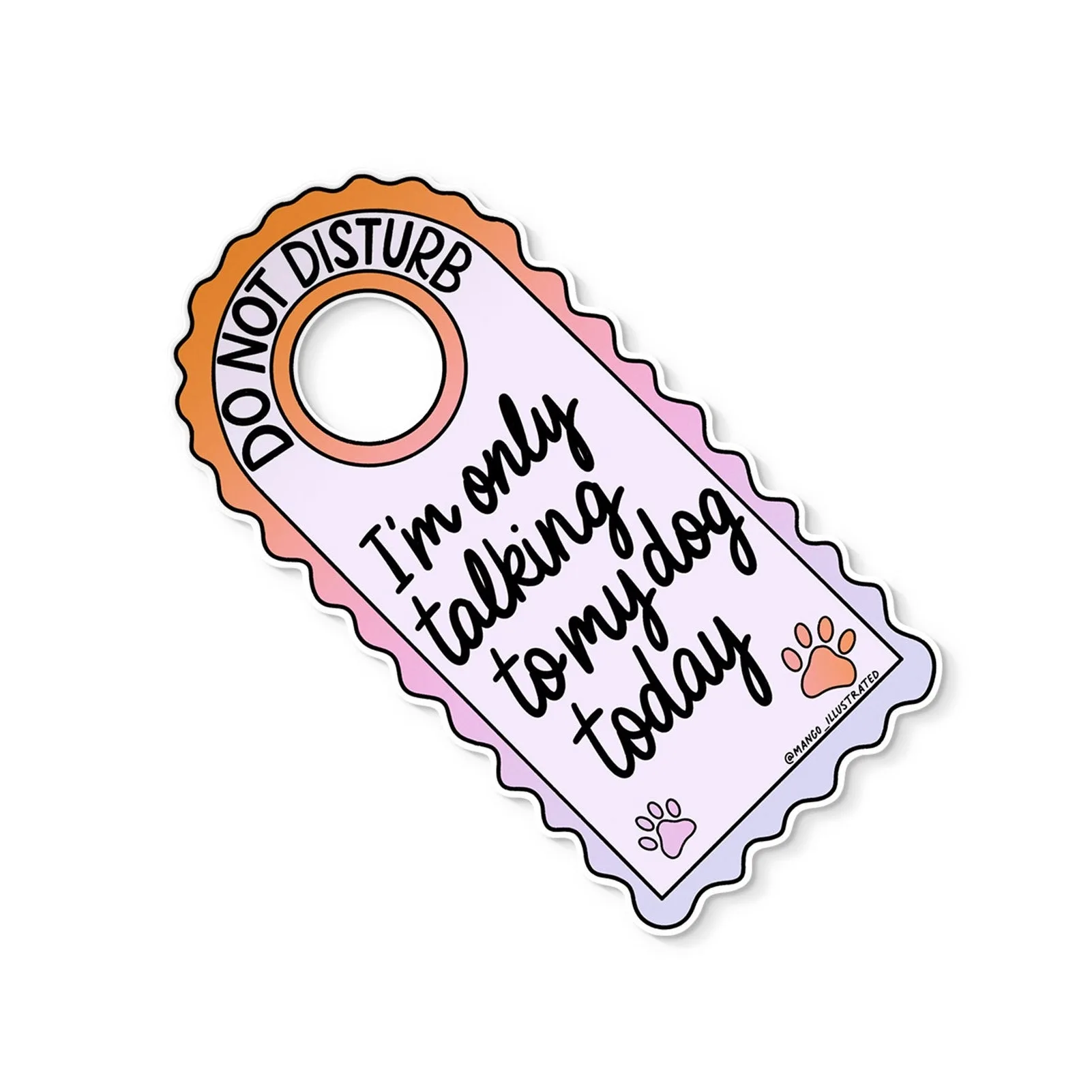
- Only Talking to My Dog Today sticker: Approximately 3 in x 3 in, made from high-quality waterproof and weatherproof vinyl, suited to laptops, water bottles, and phone cases. A concrete alternative for anyone who loves the pin look but doesn't want enamel pin holes in clothes — same self-expression, zero fabric damage.
Enamel pins do leave holes, but the damage is usually a matter of fabric, placement, and handling rather than an unavoidable cost of wearing them. Pin structured, thick fabrics, support the cloth when attaching and removing, and rotate positions so one spot doesn't take all the wear. If a garment is too precious to risk, a waterproof vinyl sticker gives you the same personality with none of the punctures.