Quick answer
Yes, floating bath toys can help bath time, but the real benefit is engagement, not magic. They give toddlers something to do with their hands, which can make washing easier and water play more purposeful. They won't replace supervision, fix a fear of water, or clean themselves. Choose soft, simple, quick-drying toys and store them dry between baths.
Every parent has heard a version of this: floating bath toys make bath time easier, calmer, or more educational. Some of that is true. Some is marketing. The difference matters because bath toys take up tub space, need cleaning, and can either support your routine or become one more thing to manage.
Let's separate the claims that hold up from the ones that don't, using what we actually know about how toddlers play in water and what these toys can realistically do.
Myth: Floating bath toys automatically make bath time easier
Verdict: Partly true, but not automatic. A floating toy gives a toddler something to reach for, stack, or stick to the wall, which can turn a passive bath into active play. That engagement can make the minutes pass more smoothly, especially for kids who resist getting in or staying in. But the toy only helps if it matches your child's current stage and interest.
If your toddler is in a grabbing-and-stacking phase, a soft floating puzzle may hold attention. If they're in a pouring-and-scooping phase, a bath toy that only floats may get ignored. The benefit comes from the fit, not the float.
- Watch what your child already does in the tub, then choose a toy that extends that action.
- Rotate two or three toys instead of filling the tub with everything at once.
Myth: Bath toys are mainly for entertainment, not development
Verdict: Myth. Bath play is real play. Soft foam shapes that float, stick to bath walls, and stack give toddlers practice with fine motor skills and creativity. That's not a bonus feature; it's the point. The water adds resistance and novelty, which can keep a toddler engaged longer than the same activity on dry land.
The practical takeaway: choose toys that invite an action your child is already working on. Stacking, sticking, and sorting are all natural bath-time activities that build hand control without feeling like a lesson.
- Look for toys that stick to the wall or float within reach, so your child can act independently.
- Name what your child is doing as they play to add language to the motor practice.
Myth: Any floating toy is safe for bath time
Verdict: Myth. Floating is not a safety standard. What matters is material, size, and condition. Soft EVA foam toys are designed for water play, but any toy can degrade over time. Check regularly for tears, cracks, or trapped water inside, and replace anything that looks worn.
Also match the toy to your child's stage. Small parts and loose pieces are a choking risk for mouthing toddlers, and no bath toy replaces adult supervision. The safest setup is a small number of appropriate toys, within arm's reach, with a parent present the whole time.
- Squeeze toys after each bath and check for water that won't drain.
- Retire any toy with cracks, peeling, or a smell that won't wash out.
Myth: Bath toys are hard to keep clean and mold-free
Verdict: Partly true, but manageable. Toys that trap water inside are the main culprit. Toys made from non-toxic EVA foam and designed to drain or dry quickly are easier to care for. The routine matters more than the material: shake off water, let toys air dry fully, and store them dry rather than in a sealed, damp bin.
If you already have a mold problem, it's usually a storage issue, not a toy issue. A quick-drying mesh bag or an open basket near the tub solves most of it.
- Air dry toys on a towel or in a mesh bag, not in a closed container.
- Wash foam toys with warm water and mild soap, then dry completely before storing.
Bath toy claims: verdicts
- Floating toys make bath time easier: Partly true. They help when they match your child's current play stage, not just because they float. Pick one toy that matches what your toddler already likes to do in water.
- Bath toys are just for fun: Myth. Floating, sticking, and stacking toys build fine motor skills and creativity during water play. Treat bath play as real play and choose toys that invite an action.
- Any floating toy is safe: Myth. Safety depends on material, size, and condition, plus adult supervision every time. Check toys for wear and replace anything cracked or waterlogged.
- Bath toys always get moldy: Partly true, but usually a storage problem. Quick-drying materials and air drying prevent most issues. Store toys dry, not in a sealed damp bin.
What to look for in a floating bath toy
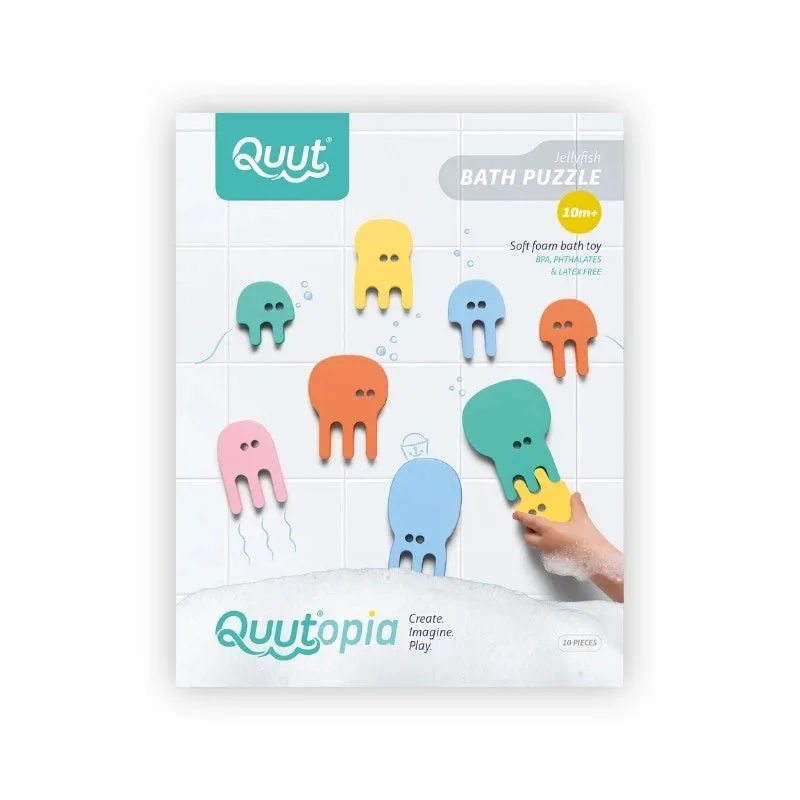
- Bath Puzzle Jellyfish – Soft, Floating EVA Foam Bath Toy: Soft EVA foam shapes float, stick to bath walls, and help toddlers develop fine motor skills and creativity. Safe, non-toxic, and perfect for fun water play. A toy that floats and sticks gives toddlers an independent action they can repeat, which is what actually holds attention in the tub.
- Beach Set – Mini Ballo, Cuppi & Heart Shaper: Build, scoop, pour, and shape endless creations with the Quut Beach Set. Comes neatly packed in a quick-drying mesh beach bag. The quick-drying mesh bag makes storage and drying simple, which is the practical answer to the mold question.
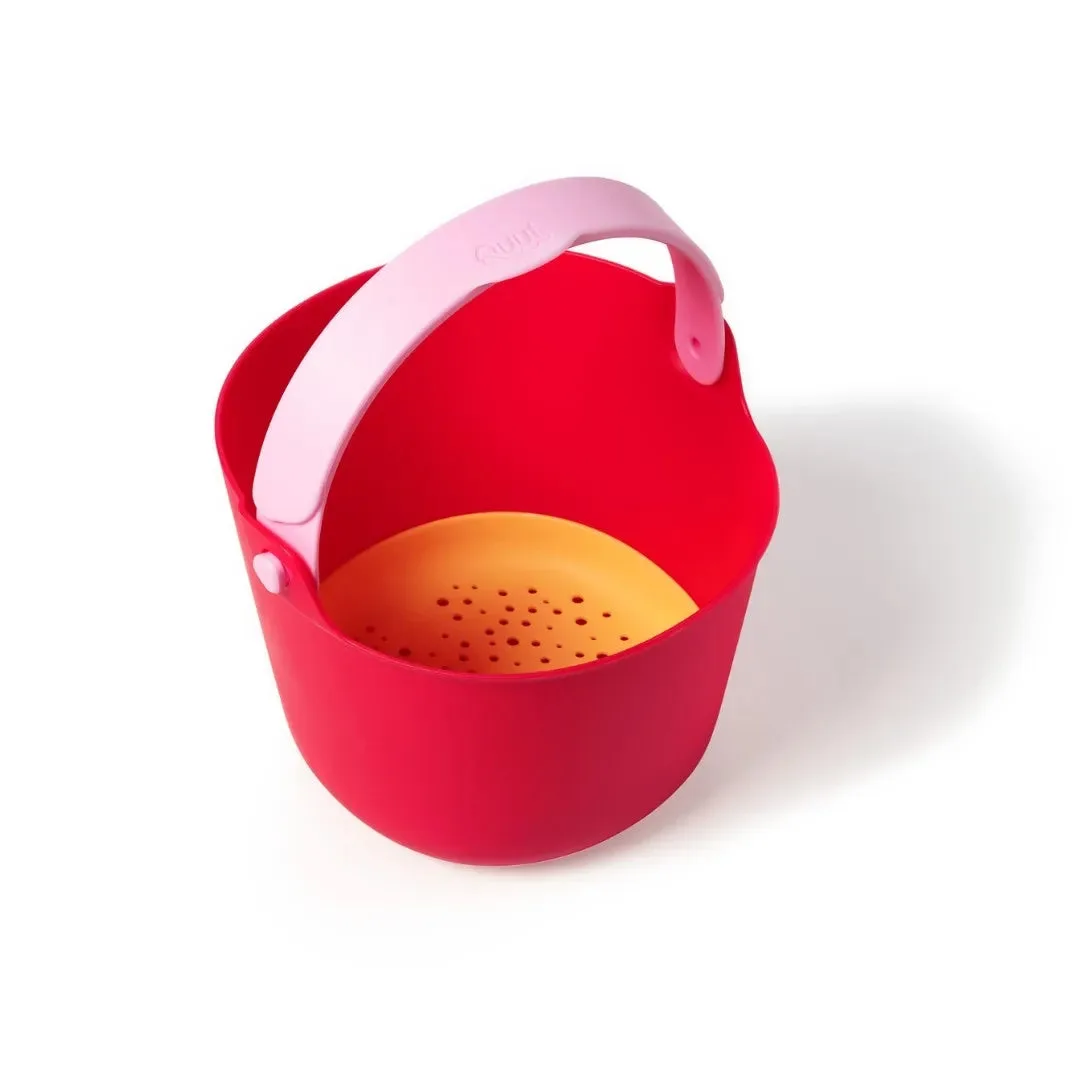
- Bucki Spill-Proof Bucket – Kids Sieve Bucket for Beach: This modern, spill-proof bucket features a clip-on handle and detachable sieve for collecting sand, seashells, leaves, or forest treasures. Durable, safe, and easy to clean. A bucket that is easy to clean and drains well works for bath, beach, and garden, so you get more use out of one toy.
Floating bath toys can genuinely help bath time, but they work best when you choose for fit, safety, and easy drying rather than for the promise on the package. Start with one or two soft, simple toys that match your toddler's stage, keep them dry between baths, and let the play do the rest.