Quick Answer
Yes. Glo Pals Light-Up Cubes are liquid-activated, so cold water still triggers the glow. Temperature changes how long a cube stays lit and how bright it looks, not whether it works. For everyday baths, water tables, and sensory bins, any normal tap temperature is fine.
If you have ever filled a water table on a chilly morning or run a cool bath on a hot day, you have probably wondered whether the glow will still show up. It will. Glo Pals cubes respond to liquid, not heat, so cold water is a valid way to play.
That said, temperature is not completely irrelevant. It nudges how bright the glow looks and how long a cube keeps going before it dims. Below are the questions parents ask most, answered one at a time.
What Actually Activates a Glo Pals Light-Up Cube?
The trigger is liquid, not warmth. You insert a Light-Up Cube into the back of a character or drop it straight into water, and the contact starts the glow. That is why the same cube lights up in a bath, a water table, a sensory bin, or a puddle.
Because activation is liquid-based, the Glo Pals activation step does not require hot water, a warm room, or any prep. If the cube is dry, it stays off. Once it gets wet, it lights. That cause-and-effect link is also what makes these toys useful for sensory and early-learning play.
- Wet the cube and it glows; let it dry and it turns off.
- No buttons, no switches, and no warming up required.
Does Cold Water Make the Glow Dimmer or Shorter?
Cold water can make the glow look slightly softer and can shorten how long a cube stays bright, because cooler temperatures slow the reaction inside the cube. In a typical cool bath or hose-filled water table, most families will not notice a dramatic difference.
Where you will notice it is extended cold play. A cube sitting in ice water or a long, very cold outdoor session will fade sooner than the same cube in a warm bath. If you want maximum glow time, lukewarm water is the friendlier choice.
- Cool tap water: normal glow, normal play.
- Very cold water or ice: dimmer and shorter glow.
- Warm (not hot) water: usually the brightest, longest glow.
Is Hot Water Safe for Glo Pals?
Skip it. Hot water is not the goal here, and very hot water is a bad idea for both the toy and your child. Bath water should always be comfortably warm for the child first, and the cube should simply come along for the ride.
If you are cleaning cubes, use the mild approach rather than a hot soak. Heat is harder on the sealed housing than cool water is, and there is no benefit to warming a cube up before play.
- Never microwave, boil, or soak cubes in hot water.
- Let bath temperature be decided by your child's comfort, not the toy.
Do Cold-Water Cubes Dry Out or Stop Working?
Cold water itself does not damage a cube. What shortens a cube's life is how it is handled between sessions: leaving it wet, storing it sealed while damp, or letting water sit inside a character's back cavity. Those habits matter far more than the temperature of the water.
After play, shake off excess water and let cubes and characters air-dry fully before putting them away. If a cube stops glowing after bath time, the usual cause is a drained battery or trapped moisture, not the cold.
- Air-dry completely before storage.
- Store dry, not damp, to protect the sealed housing.
What About Ice, Snow, and Outdoor Winter Play?
Cubes will still light up in melted snow or a chilly outdoor water bin, but expect a shorter, softer glow. Ice play is a fun sensory pairing, and the glow still reads well against white snow or a light-colored bin.
For outdoor cold-weather play, bring a spare cube or two so a dim one can be swapped out. Keep the spare dry and at room temperature until you need it; a dry cube holds its glow potential until the moment it gets wet.
- Use a clear or white bin so the glow stands out in low light.
- Keep spares dry and indoors until swap time.
Does Water Temperature Change Which Characters You Should Buy?
No. Character choice is about personality, color, and how many cubes come in the box, not about water temperature. Every character uses the same liquid-activated cube system, so a Pal that works in a warm bath works in a cool one.
What does vary is how many cubes you get and whether you want a single Pal or a full set. If you are buying for a shared bath or a classroom water table, a bundle gives you more cubes to rotate while others dry.
- Pick characters by color and personality, not by water temperature.
- More cubes in the box means more glow time across a play session.
Cold-Water Glow Checklist
Water temperature
Use whatever temperature is comfortable for your child. Cold water still activates the cube; very cold water just dims and shortens the glow. Comfort first, glow second.
Cube rotation
Keep a spare dry cube nearby during cold or extended play so you can swap when the first one fades. Two cubes per character covers most sessions.
After-play drying
Shake off water and air-dry cubes and characters fully before storing them. Drying habits outlast temperature as a factor in cube lifespan.
Glo Pals Products That Work in Any Water
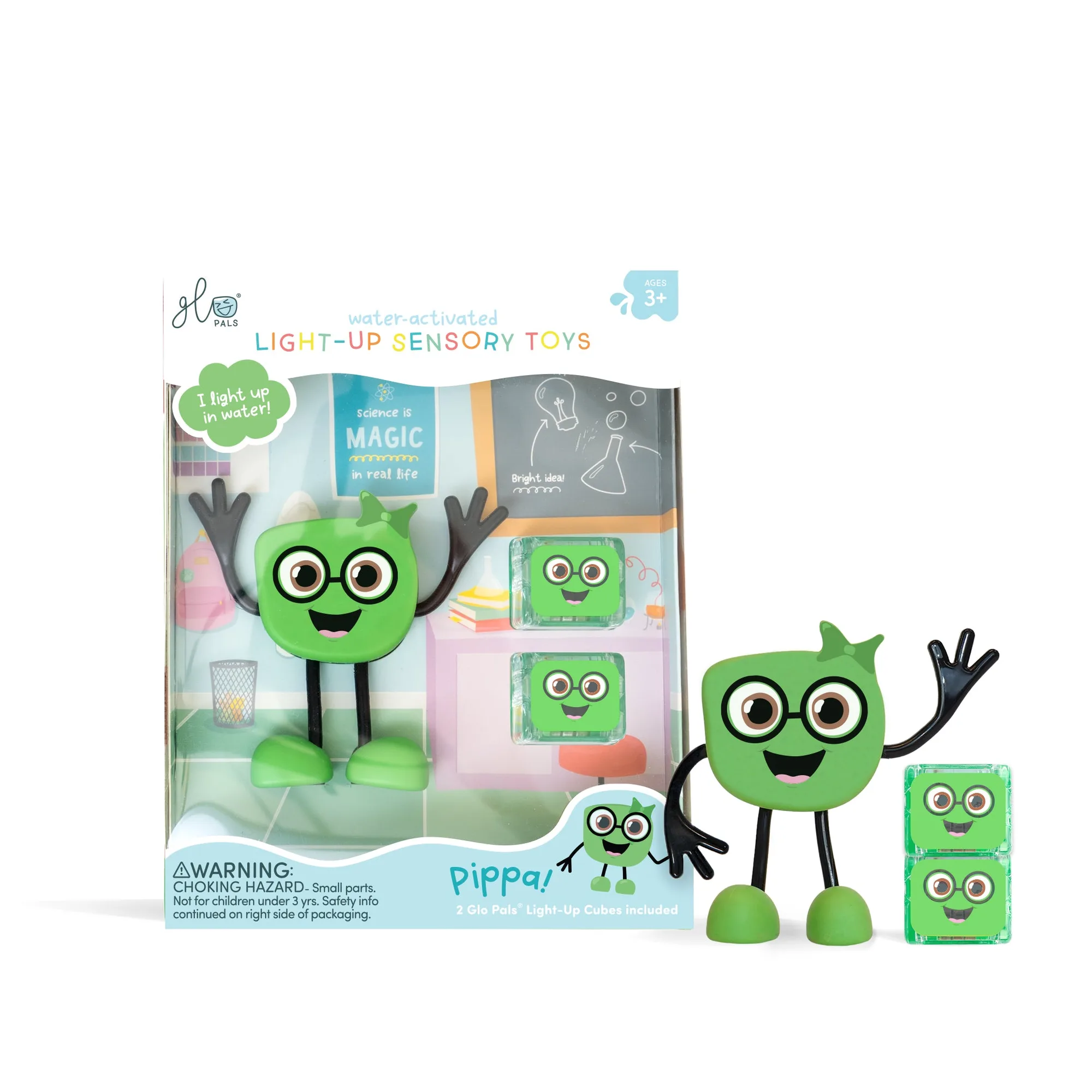
- Pippa® Light-Up Character: Includes 2 Liquid-Activated Light-Up Cubes. Place a cube in the back of Pippa, drop it into water, and it instantly glows. A good single-character starting point: two cubes means one can be glowing while the other dries, so cool-water play does not stall.
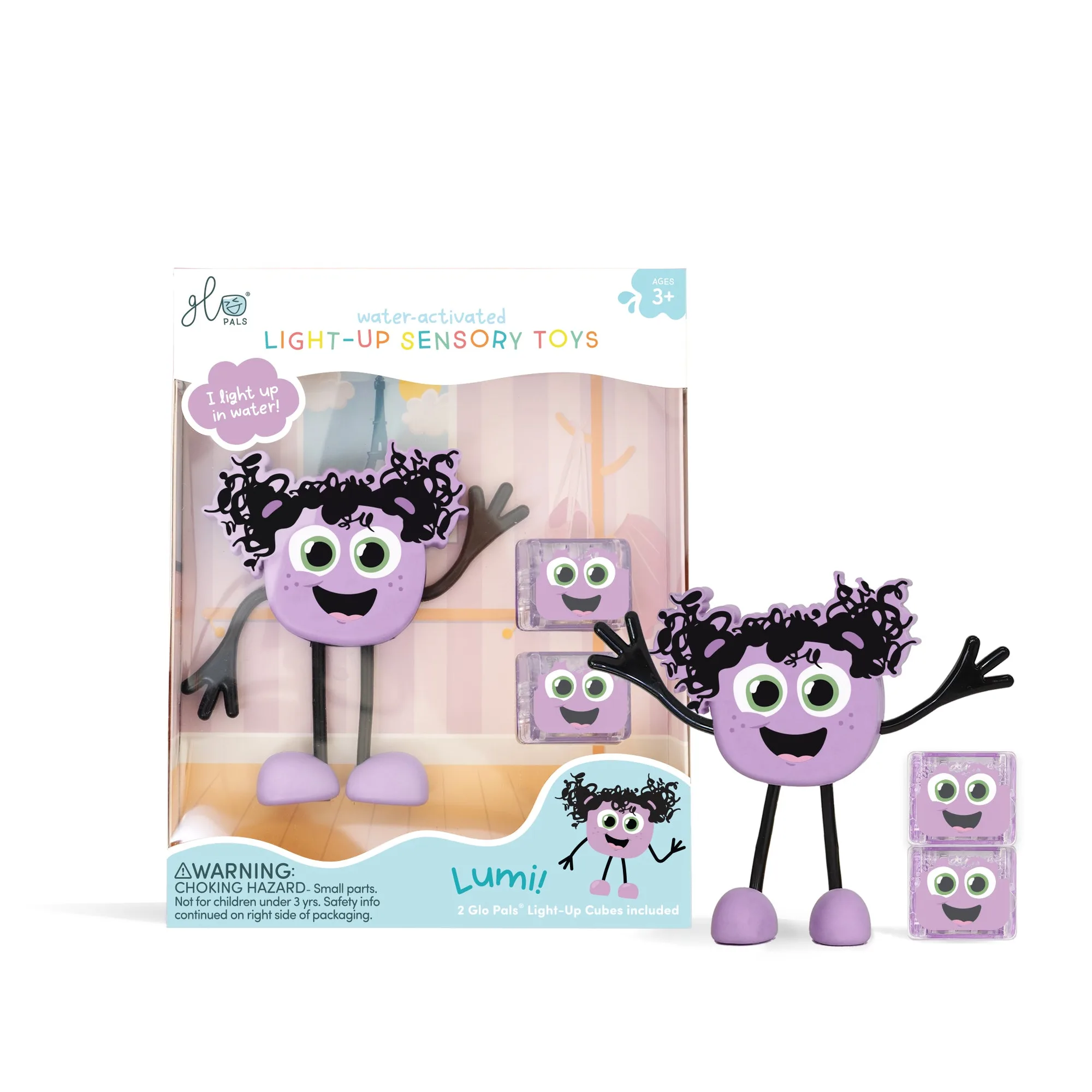
- Lumi® Light-Up Character: Includes 2 Liquid-Activated Light-Up Cubes and bendable arms, and works in baths, water tables, and sensory bins. The bendable arms let kids pose the character in a bin or on a bath ledge, which keeps play going even when the water cools down.
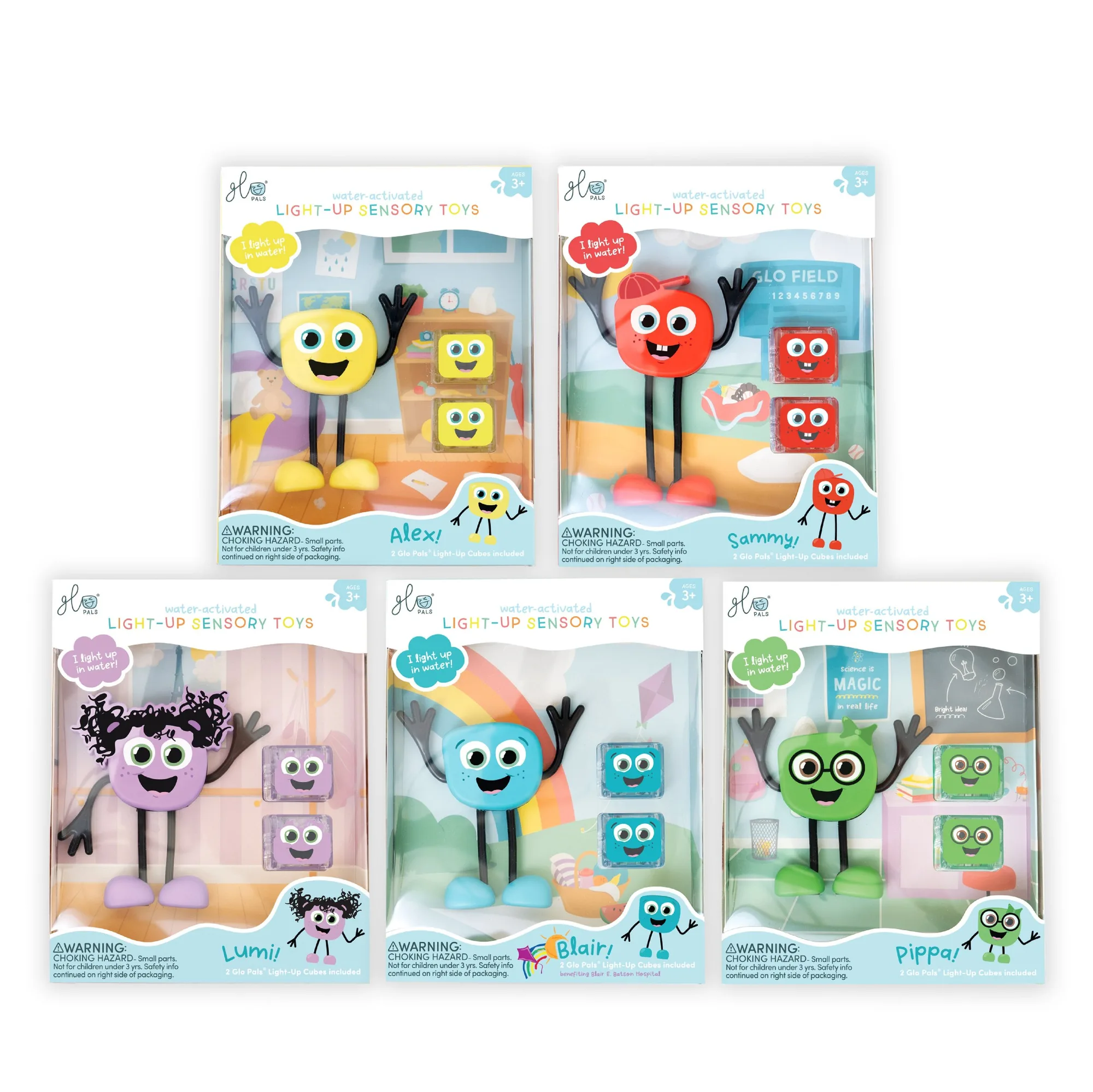
- Glo Crew Character Bundle: Includes all five original Glo Pals characters, each with its own personality, plus 2 Light-Up Cubes per character. Ten cubes total gives you the deepest rotation for long cold-water sessions, shared baths, or a classroom water table.
Cold water is not a problem for Glo Pals cubes, it is just a slightly different glow. Let your child's comfort set the water temperature, keep a dry cube in reserve, and dry everything thoroughly afterward. That routine covers baths, water tables, sensory bins, and every chilly morning in between.