Quick answer
Most kids do not need fluoride toothpaste before age two, and some families continue with a fluoride-free option longer. The decision comes down to three things: whether your child can spit, their cavity risk, and whether your water is fluoridated. If your child can reliably spit and has had a cavity or a dentist flags risk, a pea-sized amount of fluoride toothpaste is the standard choice. If they still swallow toothpaste or you prefer to avoid fluoride, a fluoride-free formula like Tubby Todd Toothpaste keeps the routine simple and safe.
Why the fluoride question isn't one-size-fits-all
Fluoride strengthens enamel and helps reverse early decay, which is why dentists often recommend it once a child can spit. But swallowing fluoride toothpaste regularly can cause white spots on developing teeth, so the risk of overexposure matters more for toddlers who can't spit. That's why health organizations typically suggest starting with a smear of fluoride toothpaste at the first tooth, then moving to a pea-sized amount once spitting is reliable. If your child has low cavity risk, no family history of early decay, and drinks fluoridated water, a fluoride-free toothpaste can be a reasonable choice, especially if it makes brushing less of a battle. The trade-off is that fluoride-free toothpaste doesn't offer the same cavity protection, so it works best for kids who are already low risk and see a dentist regularly.
How to check whether your child is ready for fluoride
Watch for two skills: spitting and rinsing without swallowing. Most kids master this between ages three and six, but it varies. If your child still swallows toothpaste, keep using a fluoride-free option and revisit the decision at the next dental visit. Also check your water supply. If your community water is fluoridated, your child is already getting some fluoride, which lowers the urgency for fluoride toothpaste. If you use well water or a filter that removes fluoride, that's another factor to discuss with your dentist. Finally, look at your child's teeth. Dark spots, chalky white areas, or a history of cavities in a sibling suggest higher risk, which tips the scale toward fluoride toothpaste once spitting is safe.
What to look for in any kids toothpaste, fluoride or not
Whether you choose fluoride or fluoride-free, the basics are the same: a formula made for kids, a flavor they'll accept, and no ingredients you're uncomfortable with. Fluoride-free options often use xylitol or other sweeteners instead of sugar, and they skip artificial colors or harsh abrasives. For fluoride toothpaste, look for the ADA Seal of Acceptance and a concentration of 1000-1100 ppm fluoride. For either type, avoid anything labeled for adults, which may have stronger flavors or higher fluoride levels. The best toothpaste is the one your child will actually let you brush with twice a day.
Building a toddler oral care routine that sticks
Start with a soft-bristled brush sized for your child's mouth. For kids under three, use a smear of toothpaste about the size of a grain of rice. From age three to six, a pea-sized amount is enough. Brush for two minutes, twice a day, and focus on the back molars where cavities hide. Let your child practice brushing first, then follow up with a parent-led brush to hit the spots they miss. If your child resists, try a flavor they like, brush together, or use a timer or song. A fluoride-free toothpaste like Tubby Todd Toothpaste in Juicy Watermelon can make the routine feel less like a chore, especially for kids who are still learning to spit.
Decision rules for choosing fluoride or fluoride-free
- If your child can't spit reliably: Use a fluoride-free toothpaste and a rice-grain smear. Swallowed fluoride from toothpaste is the main concern before spitting skills develop. Reassess at the next dental visit or when spitting becomes consistent.
- If your child has had a cavity or is high risk: Choose a fluoride toothpaste with the ADA Seal and use a pea-sized amount. High cavity risk usually outweighs the swallowing concern once your child can spit. Ask your dentist about fluoride varnish or supplements if toothpaste alone isn't enough.
- If your water is fluoridated and your child is low risk: A fluoride-free toothpaste can be a reasonable choice, especially if it makes brushing easier. Your child is already getting fluoride from water. Keep up with dental checkups so any changes in risk are caught early.
- If your child fights brushing: Flavor and format matter more than the fluoride label. A fluoride-free toothpaste in a flavor they like can turn brushing from a battle into a habit. Once the habit sticks, you can revisit fluoride with your dentist.
Products that fit this decision
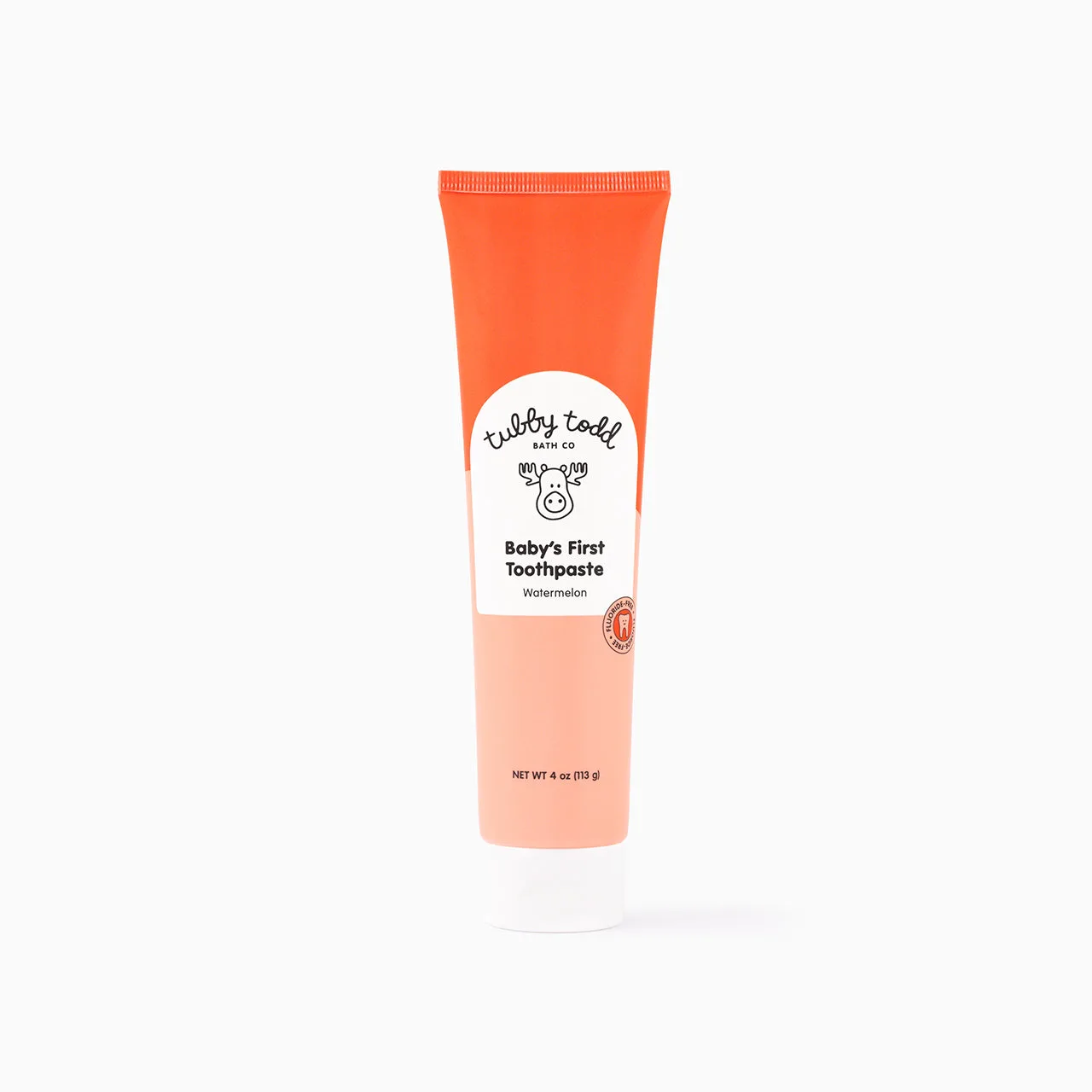
- Toothpaste: Fluoride-free, Yummy Juicy Watermelon flavor, available as single or 2 Pack (4 oz. per toothpaste). A kid-friendly fluoride-free option for families who are waiting on fluoride or whose child can't spit yet.
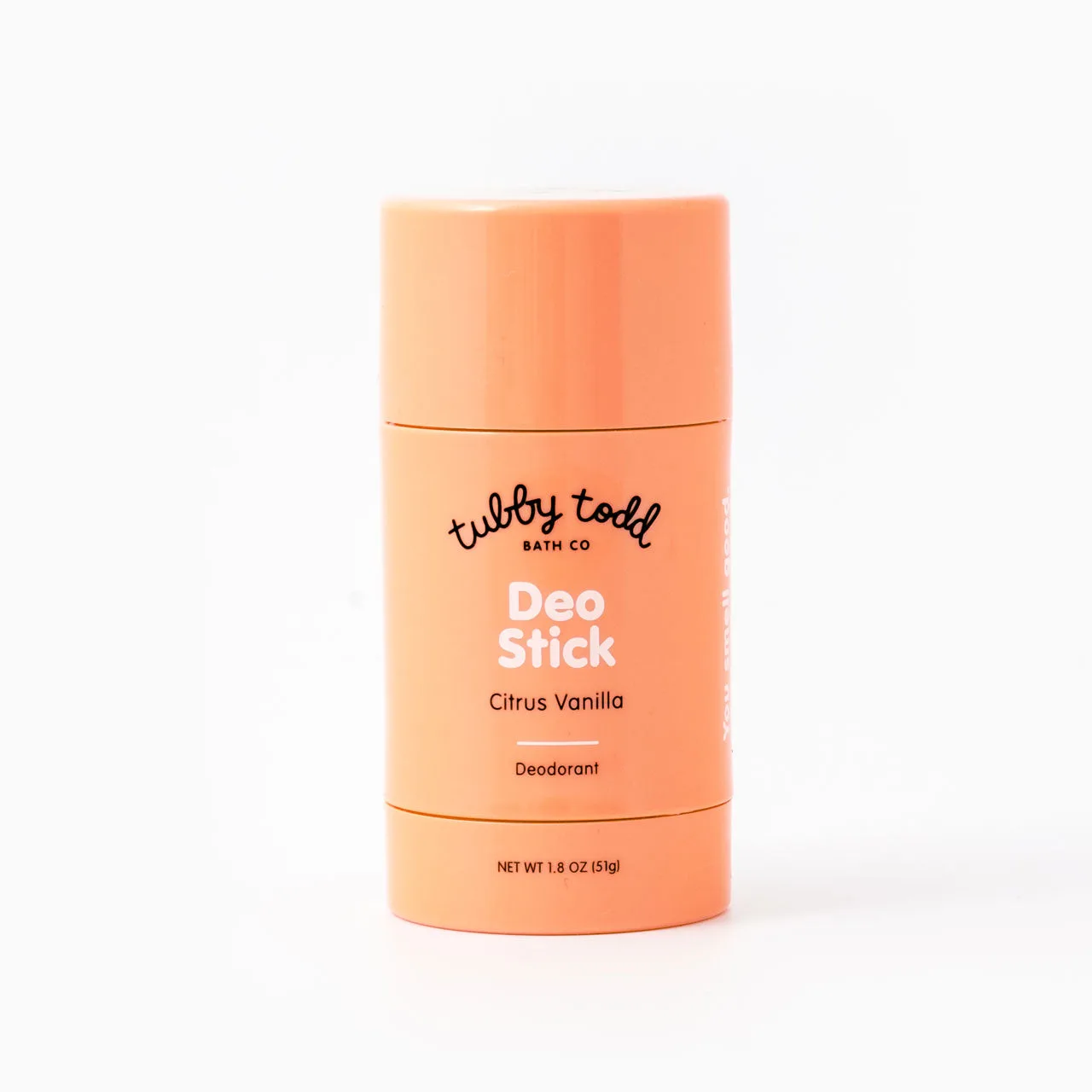
- Deo Stick: Aluminum-free, baking soda-free deodorant with tapioca starch and magnesium hydroxide, for kids 6+. Not a toothpaste, but part of the same gentle personal care approach for older kids who are building independence.
Who this guidance fits
Best for
- Parents of toddlers and young kids who are deciding between fluoride and fluoride-free toothpaste
- Families whose child can't spit reliably yet or who prefer to avoid fluoride
- Parents looking for a simple, kid-friendly toothpaste that supports a consistent brushing routine
Not for
- Parents whose child has active cavities or has been told by a dentist to use fluoride toothpaste
- Kids who need a prescription-strength fluoride product
- Anyone looking for a toothpaste with fluoride—this guide covers both paths, but the featured product is fluoride-free