Quick answer
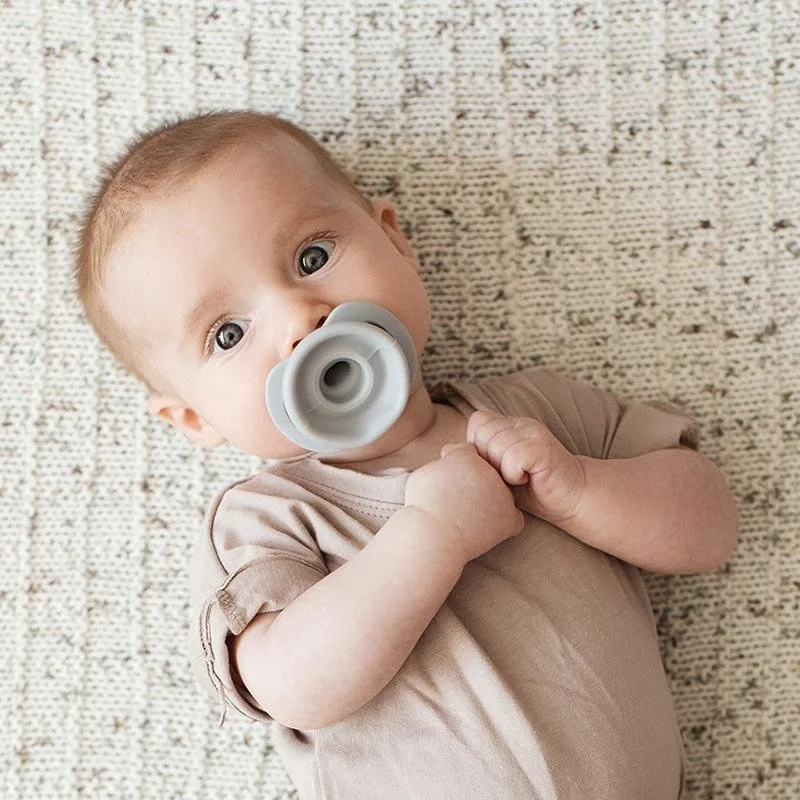
Yes, pacifiers can help many babies fall asleep and stay asleep by providing soothing suction. However, they are not a sleep-training cure, and safety rules matter: offer the pacifier when placing baby down for sleep, never force it, and if it falls out, you do not need to reinsert it. For babies under 12 months, follow safe sleep guidelines and consider the pacifier a tool, not a requirement.
How pacifiers influence infant sleep
Sucking is a natural reflex that calms babies. A pacifier can satisfy that need when feeding is not the issue, helping a baby transition to sleep. Some research suggests pacifier use at bedtime is associated with a lower risk of sudden infant death syndrome (SIDS), though the reason isn't fully understood. That said, pacifiers don't create sleep—they support a baby's own ability to settle. If your baby is hungry, wet, or uncomfortable, a pacifier won't replace those needs.
Safe pacifier use at night: what to check
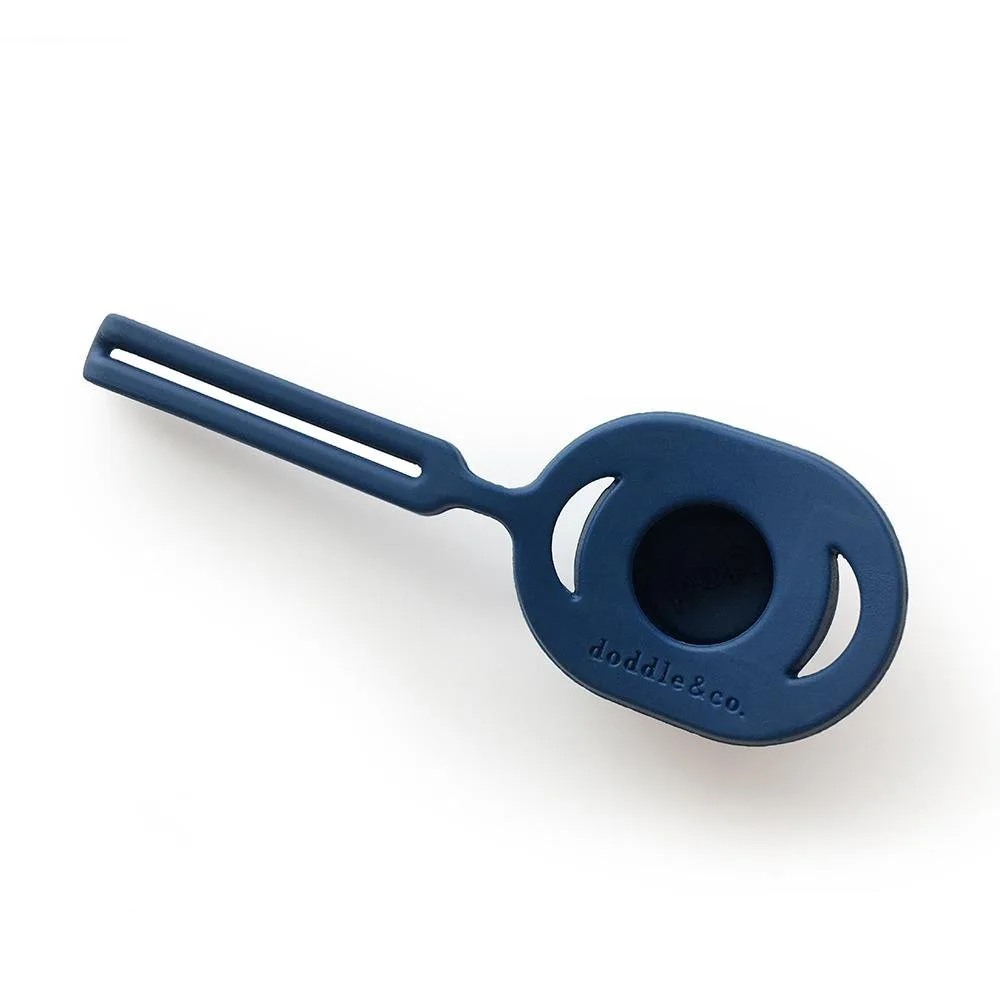
Safety comes down to a few consistent habits. Choose a one-piece pacifier with a shield that has ventilation holes, and never attach it to a string, cord, or ribbon—those are strangulation risks. At bedtime, place baby on their back and offer the pacifier after they are calm but still awake. If it falls out during sleep, you don't need to put it back in. For babies who use a clip during the day, remove the clip before sleep.
Common pacifier sleep myths
Myth: Pacifiers always disrupt sleep. Reality: Many babies sleep fine with one, and some sleep better. Myth: You must reinsert the pacifier every time it falls out. Reality: That can create a dependency cycle; it's okay to let it be. Myth: Pacifiers cause long-term sleep problems. Reality: Most children stop using them naturally between ages 2 and 4, and sleep habits are shaped by many factors, not just pacifiers.
Practical tips for using a pacifier at bedtime
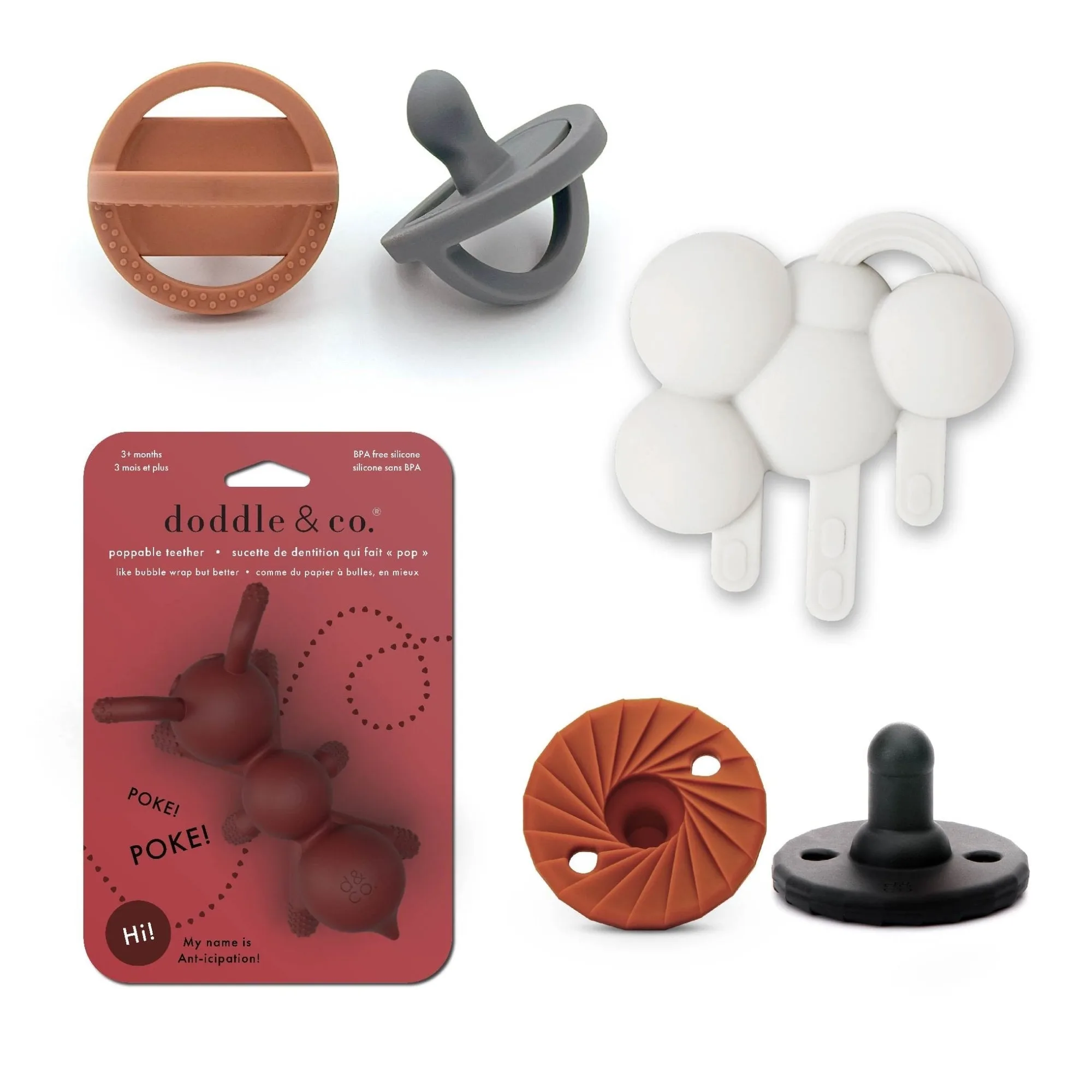
Offer the pacifier as part of a consistent wind-down routine: dim lights, feed, burp, then pacifier. If your baby spits it out, try again another night—don't force it. Keep a spare pacifier within reach for night wakings, but avoid turning every stir into a pacifier reinsertion. If your baby is teething, a textured teether during the day can reduce the urge to chew on the pacifier at night. And if you're using a pacifier that can be pinched closed, like the Pop & Go, that feature is for daytime protection, not for sleep—so use it only when baby is awake and supervised.
Pacifier and sleep FAQs
Should I put the pacifier back in if it falls out at night?
No, you don't need to. If your baby is asleep and the pacifier falls out, leave it. Reinserting it every time can create a habit that disrupts both of your sleep. If your baby wakes and seems to need it, you can offer it, but avoid making it a mandatory step. Let sleep happen; don't chase the pacifier.
Can a pacifier cause dental problems or ear infections?
Prolonged pacifier use beyond age 2–4 may affect dental alignment, and some studies link pacifier use to higher rates of middle ear infections. For sleep, the benefits often outweigh these risks in the first year. Talk to your pediatrician if you're concerned, especially if your baby has frequent ear infections. Weigh benefits and risks with your pediatrician.
How do I wean my baby off the pacifier at night?
Go gradually. Start by using it only for sleep, then shorten the time it's available—for example, remove it once your baby is asleep. Offer extra comfort through cuddles, a lovey (if age-appropriate), or white noise. Expect some resistance; consistency helps. Slow transitions work better than sudden removal.
Product facts that support sleep-time routines
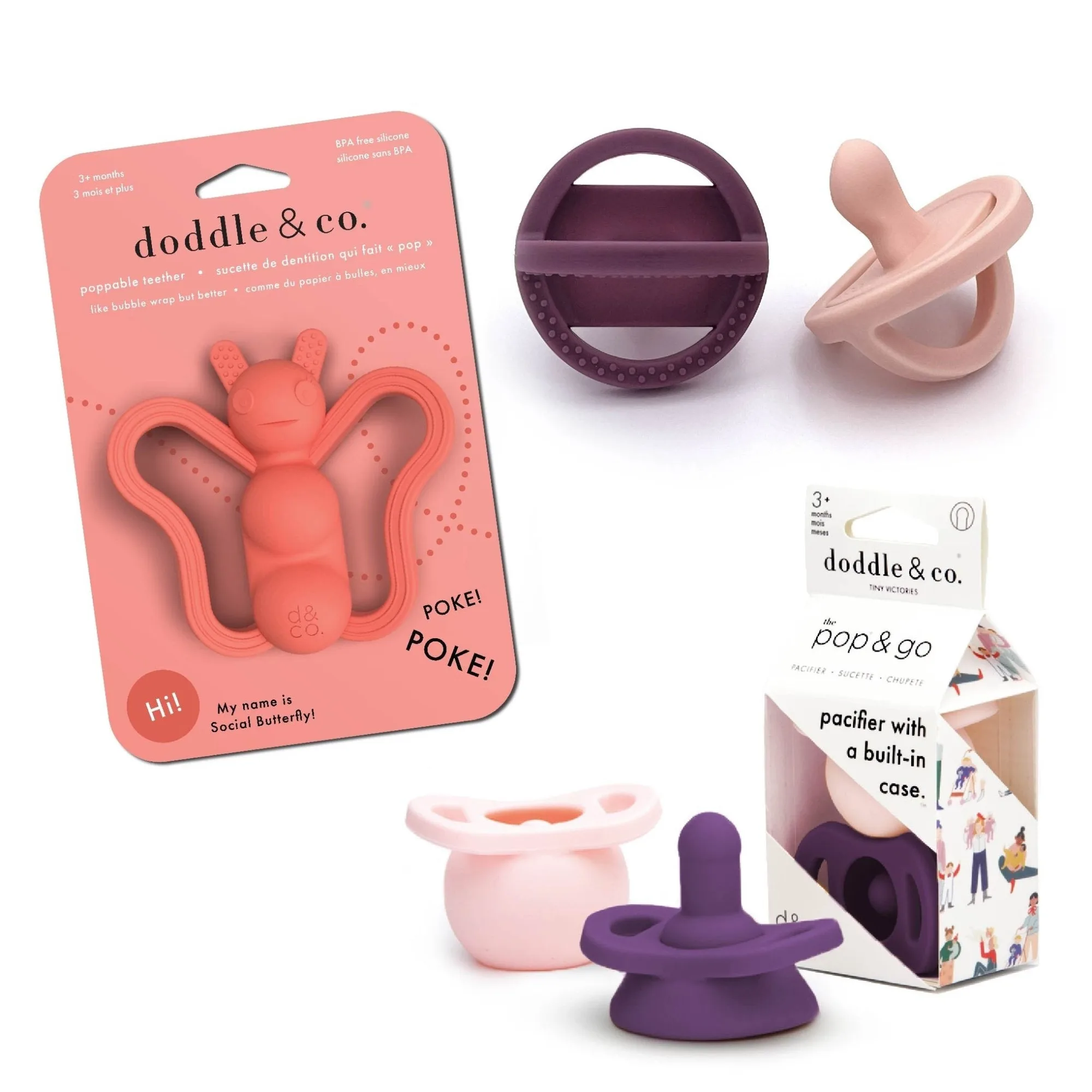
- Pop & Go Pacifiers: Pop & Go Pacifiers feature a pinch-to-close design that tucks the nipple away to protect it from surface contact when on the go. The 'Pops when drops' feature is available for 0-3 month size. Made of 100% silicone, free from lead, PVC, BPA, and latex. This design keeps the pacifier clean between uses, which is helpful for daytime errands and travel. For sleep, always use the pacifier as intended—without the nipple tucked—and follow safe sleep guidelines.
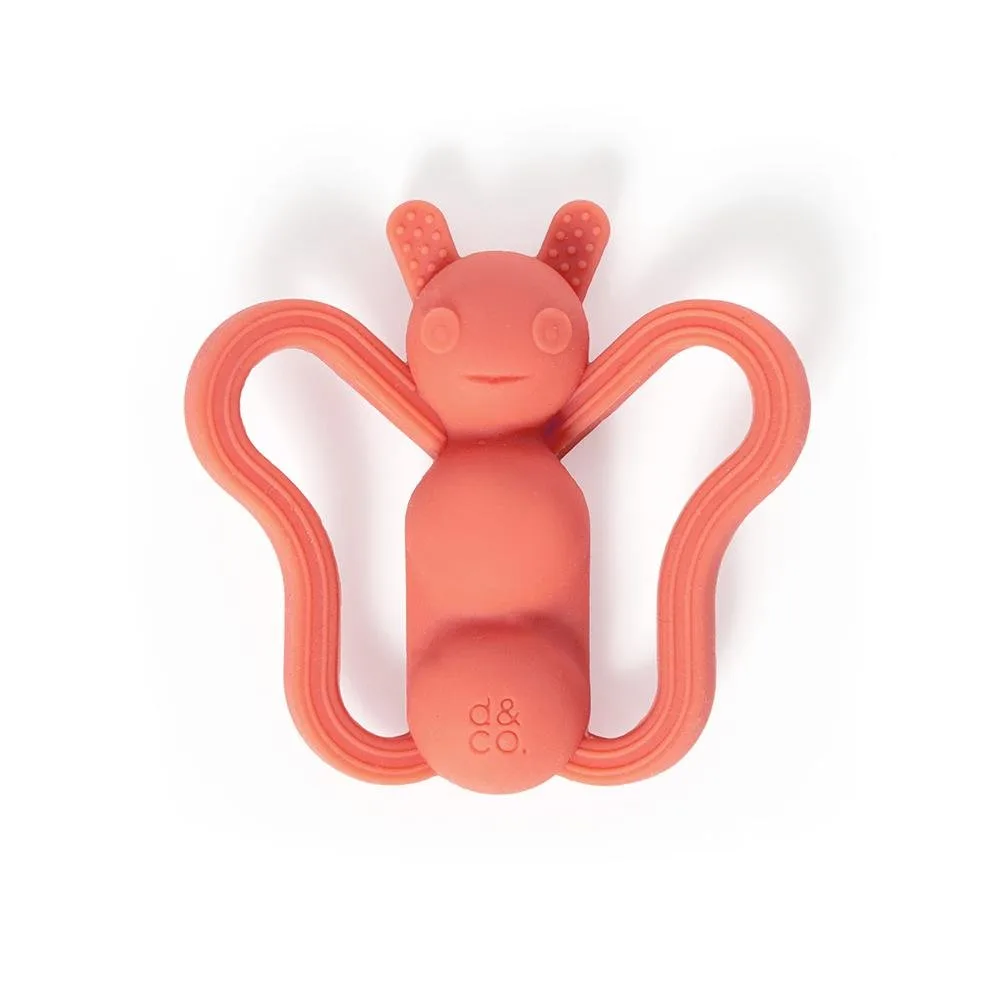
- The Future is Female Bundle: The Future is Female Bundle includes a Social Butterfly teether and a Pop & Go Pacifier in a twin-pack (3+ months). Having a spare pacifier and a daytime teether can simplify routines, especially if your baby uses a pacifier for sleep and a teether for gum discomfort during the day.