Quick answer
Yes, rattles can support baby grip and motor skills when they match your baby's stage and are used during everyday play. They offer a safe way to practice reaching, grasping, and hand-eye coordination. But they are not a shortcut to walking or talking, and no single toy replaces floor time and interaction.
What a rattle actually trains (and what it doesn't)
A rattle trains the small but important sequence of seeing a toy, reaching for it, closing fingers around it, and then shaking or mouthing it. That repetition builds grip strength and hand-eye coordination. What it doesn't do is speed up milestones like sitting or crawling. Those come from whole-body movement and time on the floor. Think of a rattle as a targeted tool for fine motor practice, not a full development program.
The best results come from short, frequent play sessions. Offer the rattle during diaper changes, stroller rides, or tummy time. Let your baby explore it their own way, even if that means dropping it repeatedly. Each drop and retrieve is part of the learning.
Why the design matters more than the noise
A rattle that is too heavy or too smooth can be frustrating for small hands. Look for a shape that is easy to grasp, with textures that invite touching. The sound should be gentle enough not to startle but interesting enough to reward a shake. A soft, clip-on rattle can also double as a travel toy, keeping it within reach without constant pickup.
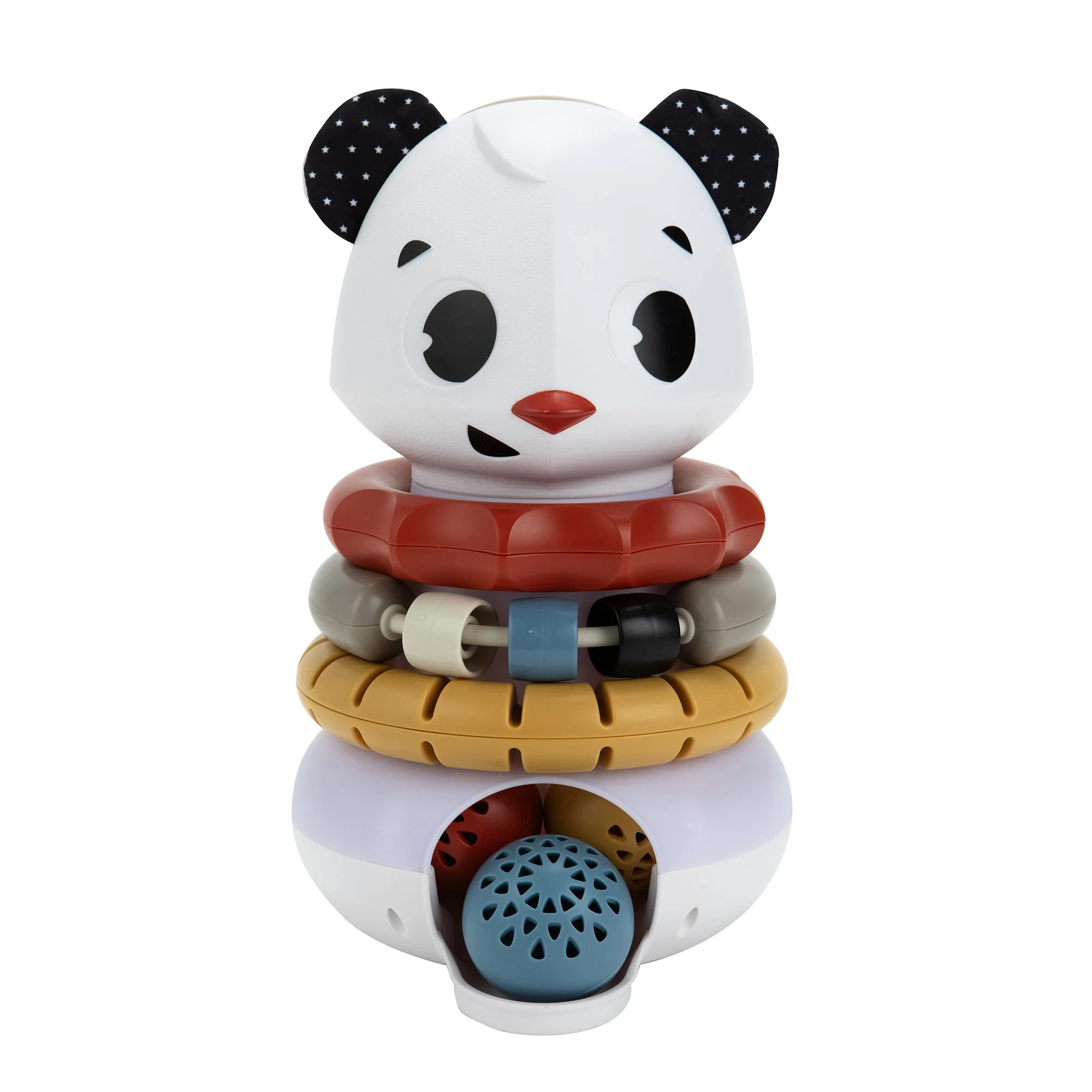
For babies who are starting to sit and stack, a multi-part toy can extend the rattle's usefulness. The Tiny Rockers 3-in-1 Stacking Toy combines ball dropping, ring stacking, and musical play, which means it grows with your baby from a simple grasp-and-shake object into a more complex cause-and-effect challenge. That versatility can make it a better long-term value than a single-purpose rattle.
When to introduce a rattle (and when to wait)
Most babies show interest in rattles around 3 to 4 months, when they begin to swipe at objects and bring hands to mouth. Before that, they may enjoy watching you shake it or hearing the sound. If your baby isn't reaching yet, hold the rattle close and let them feel it against their palm. If they are already grabbing everything, choose a rattle with a slimmer handle or a clip so it stays accessible.
There is no need to wait for a specific milestone. Follow your baby's cues. If they lose interest quickly, try a different texture or sound. If they seem overwhelmed, put it away and try again later. The goal is exploration, not performance.
Rattle myths: verdicts
- Myth: Rattles are only for distraction: Rattles are often used to calm a fussy baby, but they also provide a focused way to practice reaching, grasping, and releasing. The sound and movement give immediate feedback that encourages repetition. Verdict: False. They are active developmental tools when used interactively.
- Myth: Any rattle works for any age: A rattle that is too big or too loud can frustrate or startle a younger baby, while a simple rattle may bore an older baby who is ready to stack and drop. Matching the toy to your baby's current abilities keeps play productive. Verdict: False. Choose based on grip size, sound level, and stage.
- Myth: You need a fancy electronic rattle for real benefits: Basic rattles support grip and coordination just fine. Electronic features can add variety, but they are not required. The key is that your baby can hold it, shake it, and see or hear a result. Verdict: False. Simple is often better for early grasping.
Rattle options that support grip and coordination
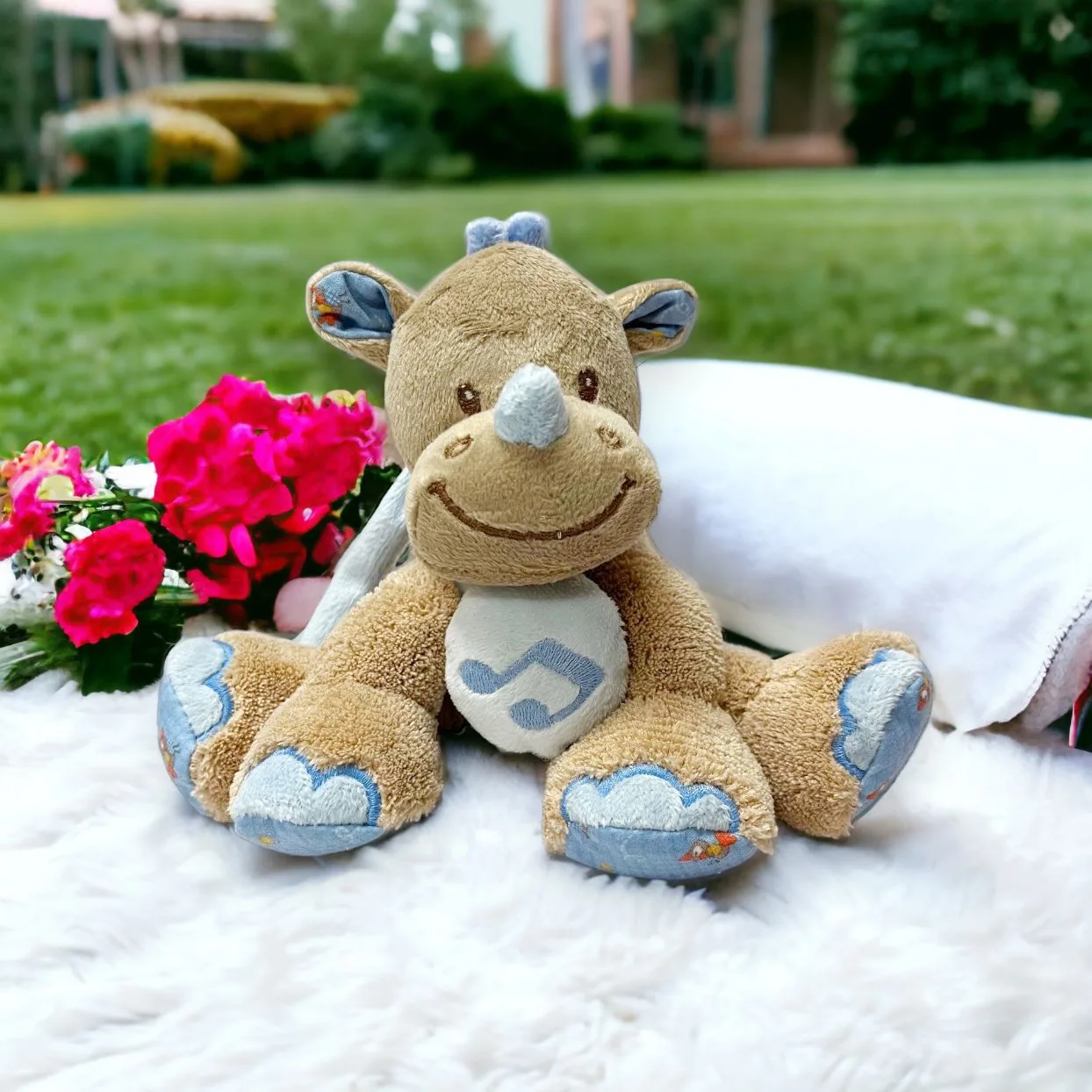
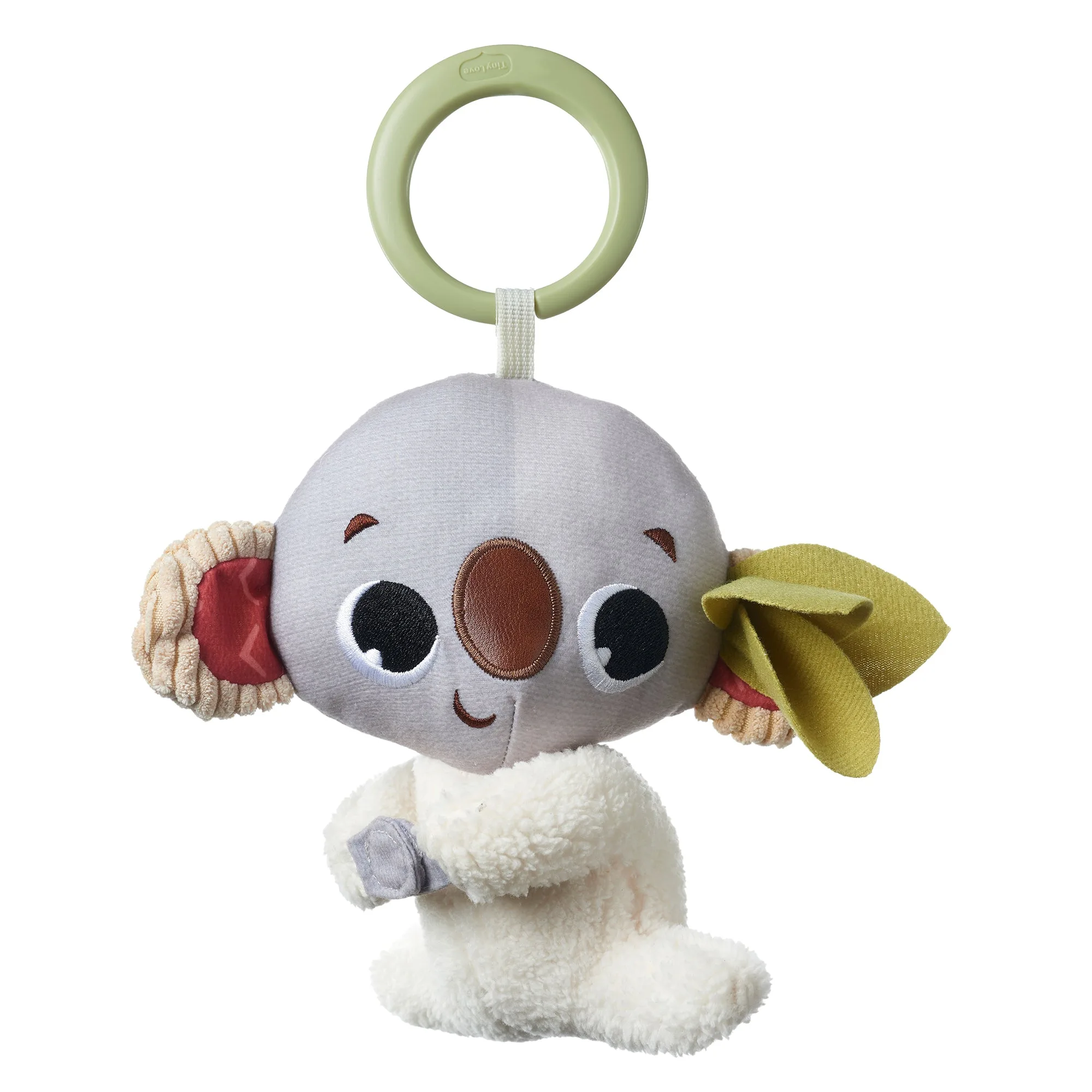
- Boho Chic Koala Rattle Toy: Tiny Love's Boho Chic Koala Rattle Toy inspires exploration, offers tactile stimulation, and supports cognitive development and maturing senses. It attaches to almost any piece of baby gear with a universal clip. The clip keeps the rattle within reach during stroller rides or floor play, so your baby can practice grasping without you constantly retrieving it. The soft texture is gentle for mouthing.
- Tiny Rockers 3-in-1 Stacking Toy: The Tiny Rockers 3-in-1 Stacking Toy combines ball dropping, ring stacking, and freestyle musical play in one product, with lights and sounds that encourage repeated dropping and stacking. As your baby's grip improves, this toy adds stacking and dropping challenges that build hand-eye coordination and cause-and-effect thinking. It can replace several single-purpose toys.