The Verdict Up Front
Roasted nuts do not automatically taste better than raw, but slow roasting changes texture and flavour in ways most snackers prefer. Slow roasting drives off moisture for a harder, crunchier bite and unlocks deeper, toastier notes. Raw nuts taste cleaner and more vegetal, and they stay softer. If you want bold seasoning and crunch, roasted wins. If you want a blank canvas for cooking or baking, raw is the better pick.
What Slow Roasting Actually Does to a Nut
Slow roasting is a gentle, extended heat treatment, not a quick blast. That slow pace matters because it gives moisture inside the nut time to escape gradually. The result is a denser, snappier crunch rather than a hard shell around a soft centre. It also gives the nut's natural oils time to develop the toasted, rounded flavour people describe as nutty. Raw nuts skip this entirely, so they keep their original softer bite and a flavour closer to the plant itself. Neither is a defect. They are simply different starting points for different uses.
How Seasoning Changes the Comparison
Most roasted vs raw nuts taste debates ignore the biggest variable: what gets added during roasting. Seasoning clings to a roasted nut far better than to a raw one because the surface is drier and slightly more open. That is why a savoury blend can taste genuinely layered instead of dusty. A raw nut with the same seasoning tends to shed it onto your fingers. So when someone says roasted nuts taste better, they are often reacting to the seasoning, not the roast alone.
Raw Nut Myths Worth Retiring
Myth one: roasting destroys all nutritional value. Roasting does change a nut, but it does not erase it, and the honest answer is that nutrient retention depends on time, temperature, and the specific nutrient, so blanket claims in either direction are unreliable. Myth two: raw is always healthier. Raw and roasted are both whole-food snacks, and the bigger health question is what else is on the nut, such as a heavy glaze or added salt. Myth three: roasted nuts are fried. Slow roasting uses dry heat, not oil frying, which is a meaningful difference in how the nut feels in your hand and mouth. If a specific nutrition number is not on the label, treat it as unknown rather than assuming.
How to Run Your Own Crunch Test
You do not need a lab to settle this for your own palate. Buy one raw variety and one roasted version of the same nut, then compare them side by side within a few minutes. Bite, listen, and note three things: how loud the crunch is, how long the flavour lasts, and whether your mouth feels oily or clean afterward. Repeat with a seasoned roasted mix to see how much of your preference comes from seasoning. This takes ten minutes and gives you a personal answer that no general claim can override.
Myth-by-Myth Verdicts
- Myth: Roasted nuts always taste better than raw: Slow roasting deepens flavour and hardens the crunch, but raw nuts taste cleaner and more vegetal, which some dishes need. Verdict: False as a blanket rule. It depends on whether you want bold crunch or a neutral base.
- Myth: Roasting strips all the nutrition out: Roasting changes a nut, but retention depends on time, temperature and the specific nutrient, so sweeping claims are unsupported. Verdict: Overstated. Check the label rather than trusting either extreme.
- Myth: Roasted nuts are fried nuts: Slow roasting uses dry heat, not oil frying, so the texture and mouthfeel are different from a fried snack. Verdict: False. Dry-heat roasting is its own process.
- Myth: Raw is automatically the healthier choice: Both raw and roasted nuts are whole-food snacks; the glaze, salt and portion matter more than the roast itself. Verdict: Misleading. Read the seasoning, not just the word raw.
Roasted Nuts Worth Testing Your Palate On
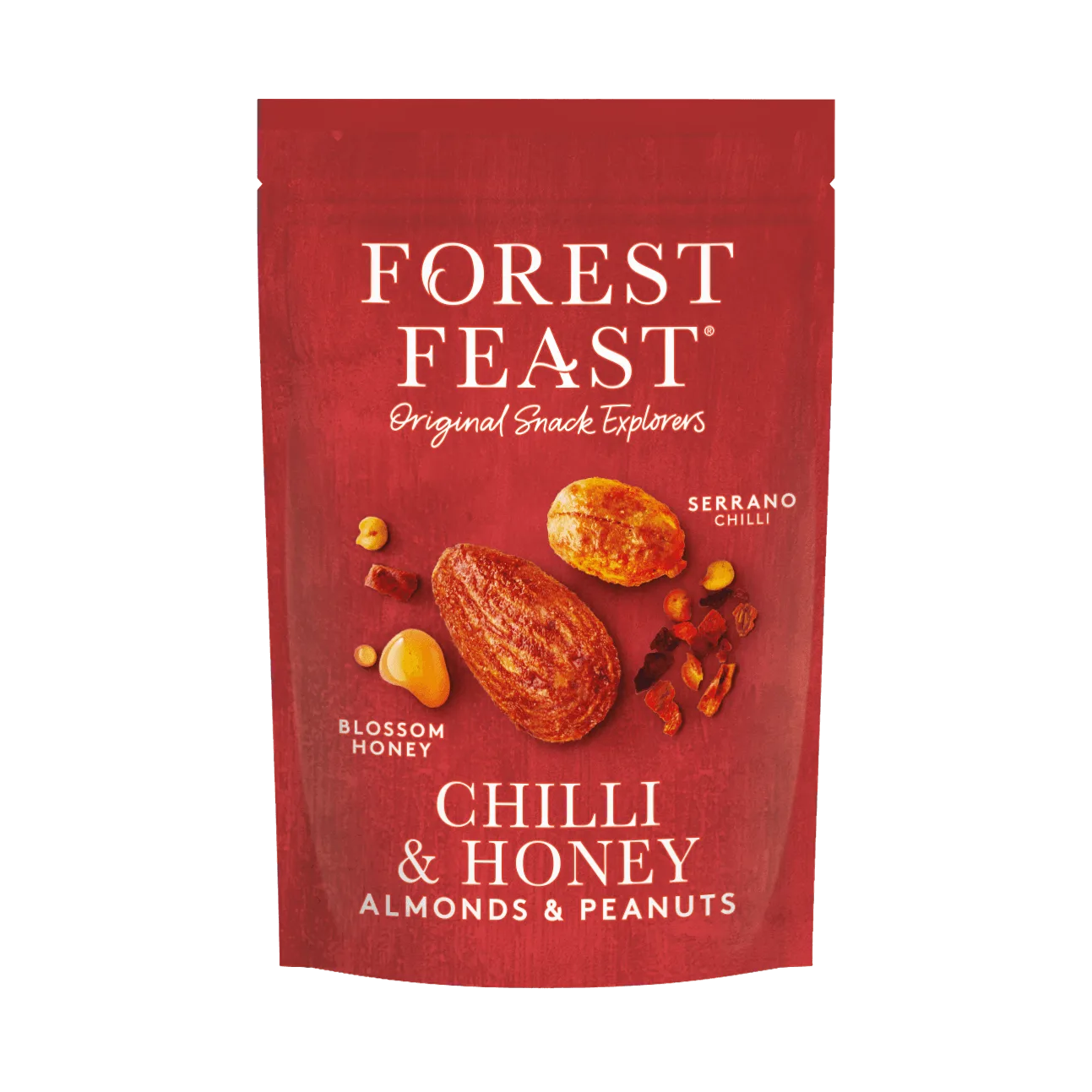
- Serrano Chilli & Honey Almonds & Peanuts: Almonds and peanuts glazed with Serrano chilli and blossom honey for warm heat and a sweet golden taste. A clear example of how roasting plus a glaze creates layered sweet-heat flavour that raw nuts cannot hold as well.
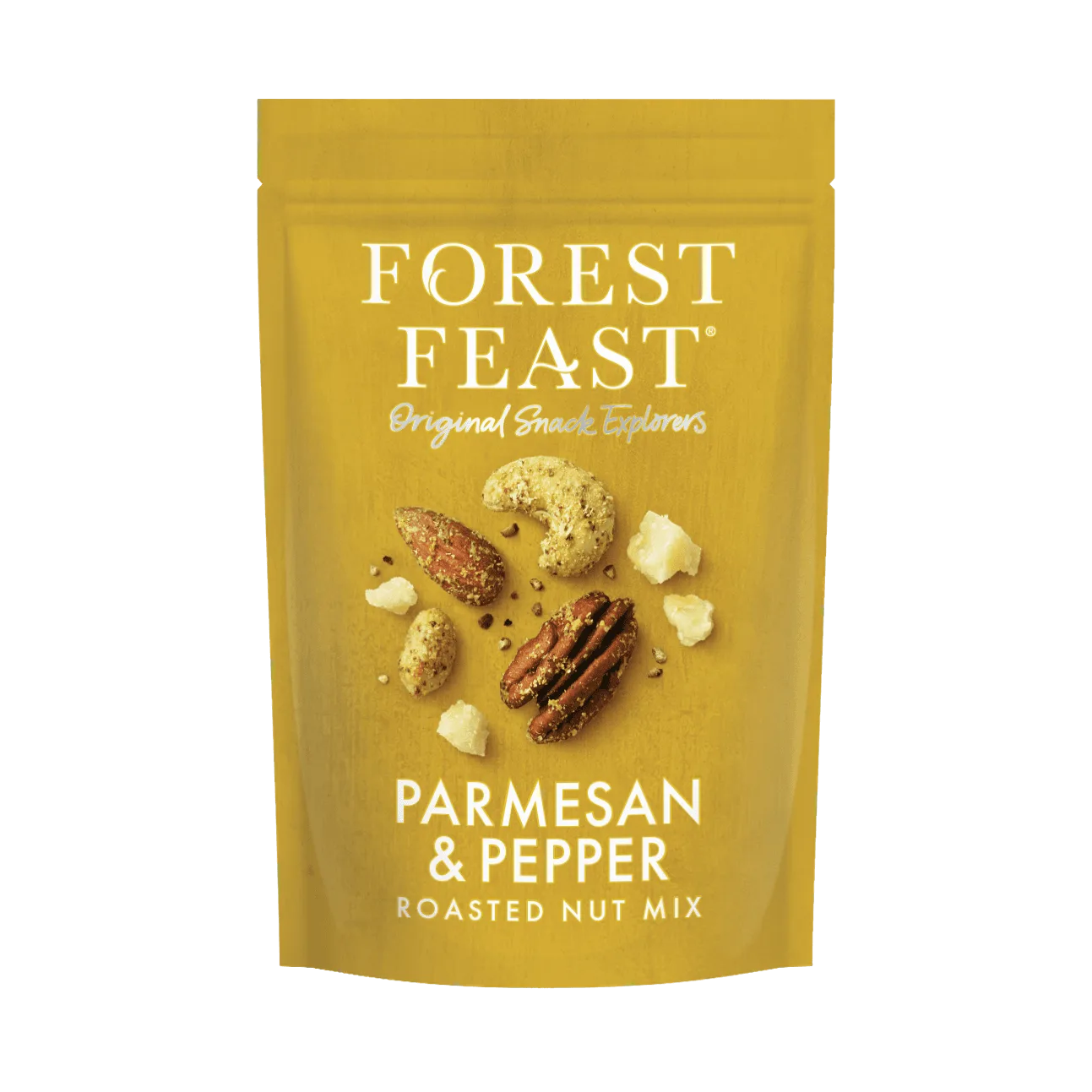
- Parmesan & Pepper Roasted Nut Mix: Almonds, cashews and pecans slow roasted and seasoned with real Parmigiano Reggiano, cracked black pepper and a touch of sea salt. Shows how a savoury, umami-forward seasoning relies on the drier roasted surface to stay put instead of flaking off.
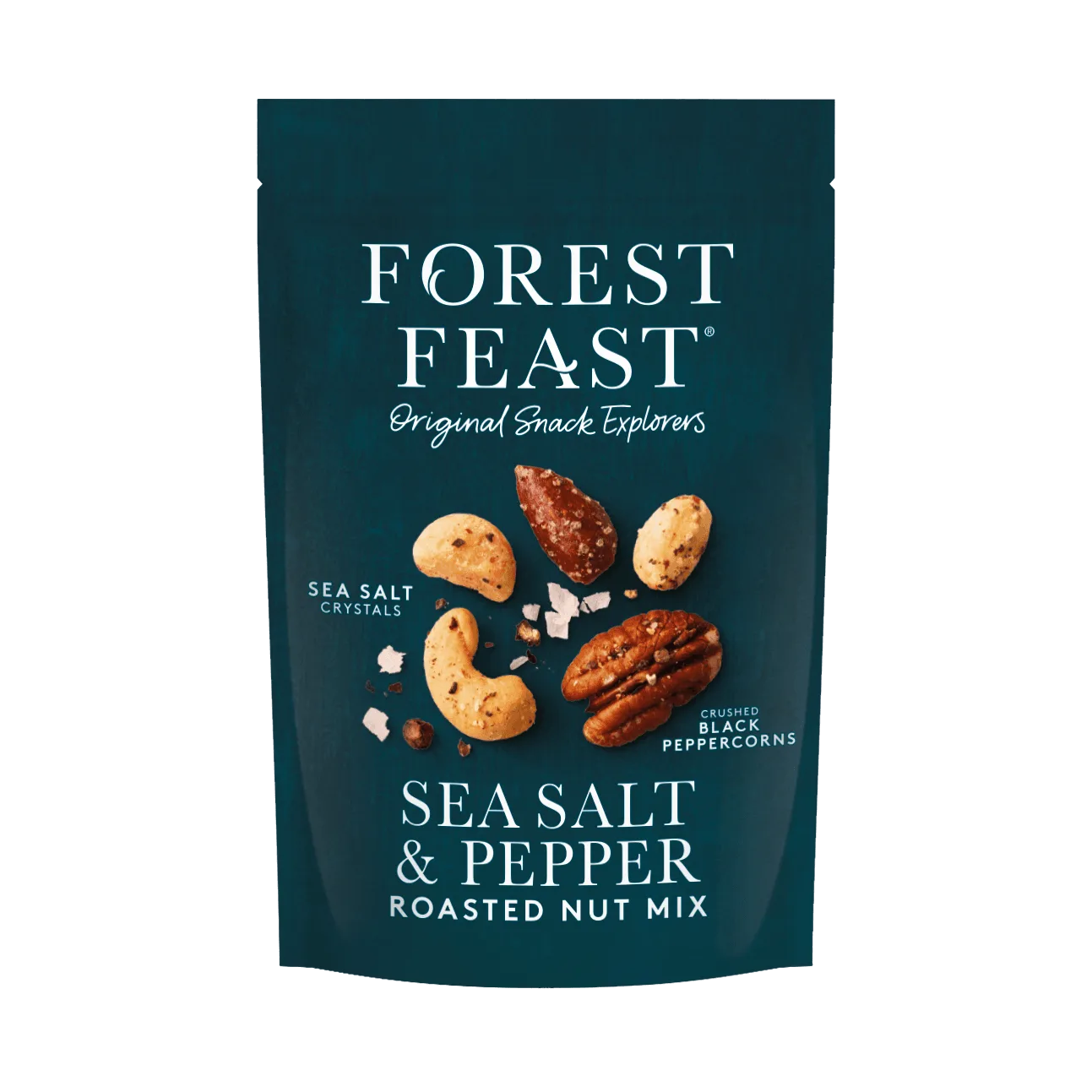
- Sea Salt & Black Peppercorn Nut Mix: Colossal cashews, almonds, macadamias, pecans and jumbo peanuts slow roasted with hand-harvested sea salt and crushed black peppercorns. A minimal-seasoning option that lets you judge the roast itself, which is the fairest way to test the roasted vs raw question.