The claims don't all point at the same product
Search for shoe protection and you'll find two different products sharing one label: sprays that coat the upper, and silicone overshoes that wrap the whole shoe. The myths start when their promises get mixed together.
A spray is sold as a stain barrier. An overshoe is sold as a rain and mud barrier. Neither is sold as a crease fix, yet crease prevention gets attached to both in search results and product copy. That's the first claim worth checking.
The Istahly-Lebanons Shoe Protector is the overshoe type: a reusable silicone cover with an anti-skid sole pattern. Its record makes specific protection claims. It does not claim to stop creasing, and it does not claim to be a spray.
What the Shoe Protector record actually claims
-
Shoe Protector: Silicone shoe covers designed to shield shoes from water, mud, dust and splashes. This is the core promise: a physical barrier over the shoe, not a chemical treatment absorbed into the material.
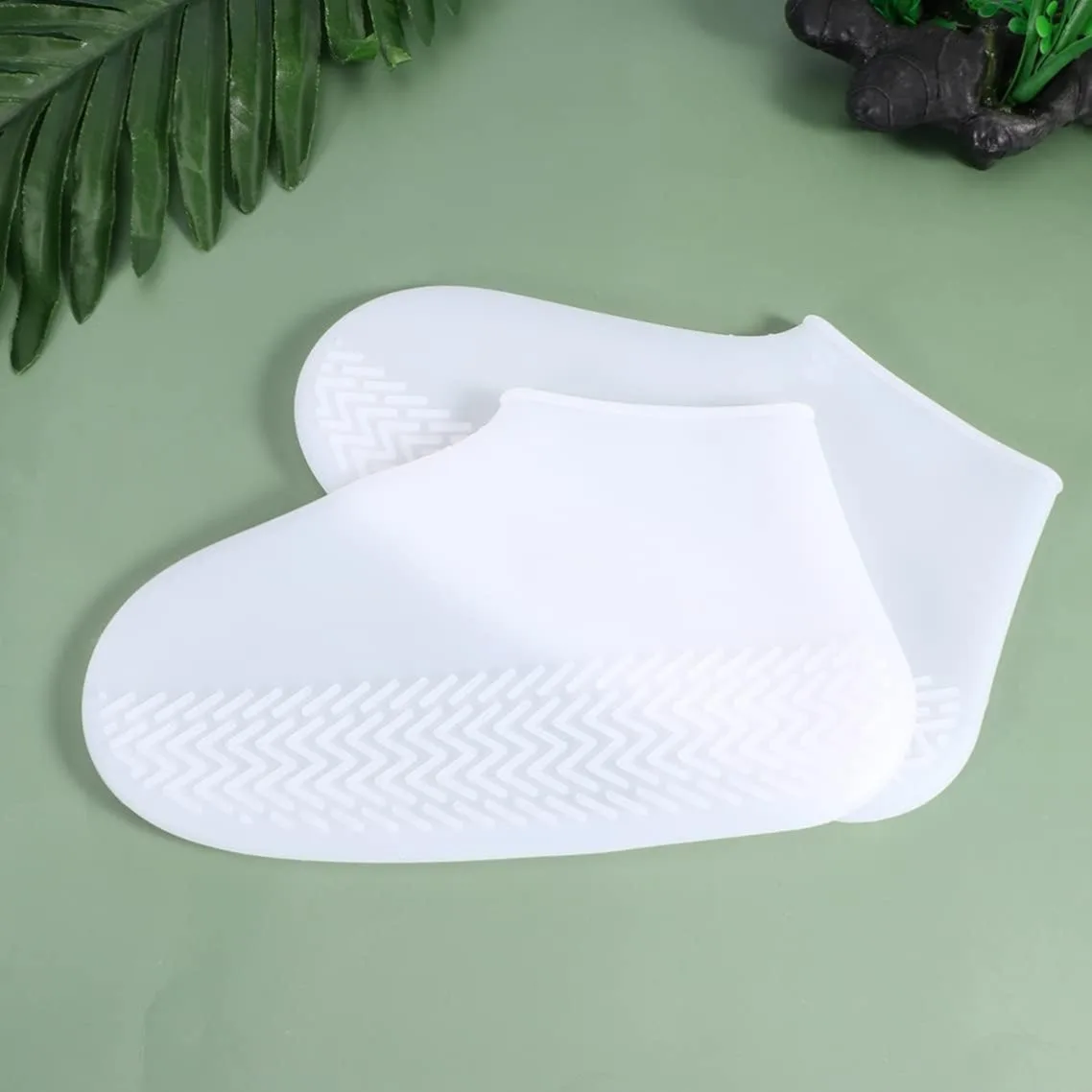
Shoe Protector
-
Shoe Protector: A patterned sole provides anti-skid properties, including on slippery surfaces. Grip is the main safety claim in the record, and it is about the cover's contact with the ground, not about the shoe underneath.
-
Shoe Protector: Crafted from high-quality silicone and described as durable and reusable, with cleaning after use. Reusability is what separates an overshoe from a one-time spray treatment, so care between wears matters.
Three common claims, checked against the evidence
- Claim: shoe protectors prevent creases: Not supported by the Shoe Protector record. The cover shields the outside of the shoe from water, mud, dust and splashes. Nothing in the supplied information describes holding the upper's shape or stopping the toe box from flexing. Creases come from the shoe bending as you walk, and a flexible silicone cover moves with that bend rather than resisting it. Treat crease prevention as a separate problem with separate solutions.
- Claim: shoe protectors stop stains: Partly supported, with a clear boundary. The record claims protection against dust, mud, rain and splashes, which are the usual sources of outdoor staining. It does not claim resistance to oil, dye, ink, scuffs or chemical spills. If your stain risk is a rainy commute or a muddy path, the cover's job matches the claim. If it's a dropped coffee or a scuffed toe, the record gives no reason to expect help.
- Claim: shoe protectors work on any shoe: Not confirmed. The only listed variant is Medium, sized for EU 35–39. The supplied information does not describe fit for larger sizes, wide shoes, boots or high tops, and it does not promise a universal fit. Size is the first compatibility check, not an afterthought.
Why crease prevention and stain prevention get confused
Both problems are visible on the same part of the shoe, so buyers assume one product solves both. They also both get marketed with before-and-after photos that show a clean, smooth shoe, without saying which product did what.
The honest split is simple. Creases are a shape problem: the upper folds where your foot bends. Stains are a surface problem: something from outside lands on the material. An overshoe sits on the outside, so it can interrupt mud, rain and dust before they reach the surface. It cannot stop the upper from folding, because it has to flex with your stride to stay on.
That doesn't make the cover useless. It means you should buy it for the job its record describes, and look elsewhere for crease control.
A realistic routine for rainy-day shoe protection
- Check the size first: The listed Medium fits EU 35–39. Confirm your shoe falls in that range before relying on the cover, since the record does not confirm other sizes.
- Match the cover to the weather and terrain: The record positions these covers for rain, mud, dust and splashes on outdoor adventures and rainy days. Use them for that, not as all-day indoor wear.
- Rely on the sole pattern for grip: The anti-skid pattern is the record's stability claim. It addresses the cover's contact with slippery ground, not the tread of the shoe inside.
- Clean and reuse: The covers are described as reusable and easy to clean after use. The record does not specify a cleaning method, so follow the care information supplied with the product rather than assuming one.
- Keep crease control separate: If creasing is your main concern, choose a solution built for shape retention. The Shoe Protector record offers no evidence for that job.
Where the evidence stops
The supplied record covers the cover's materials, its protective claims, its anti-skid sole and its reusability. It does not include a size chart beyond the Medium variant, a stated cleaning procedure, a durability lifespan, or any claim about breathability, waterproof ratings or injury prevention.
That absence is a limit of the information, not proof the product fails at those things. It does mean you shouldn't buy on those promises. Judge the Shoe Protector on what it does state: a reusable silicone barrier against water, mud, dust and splashes, with a patterned sole for grip, in EU 35–39.
For sneaker owners specifically, that makes it a weather tool rather than a crease tool. Wear it when the forecast or the path justifies it, clean it afterwards, and keep your expectations tied to the barrier it actually provides.