Quick answer
Sleep patches can support a calmer wind-down routine, but they are not a guaranteed cure for poor sleep. Their real value is consistency and convenience: a patch stays in place while you sleep, so you are not re-dosing or remembering a pill at 2 a.m. If you expect a patch to knock you out like a sedative, you will be disappointed. If you treat it as one part of a repeatable evening routine, it can earn a place on your nightstand.
What a sleep patch can realistically do
A sleep patch delivers ingredients through the skin over time. That steady, slow release is the main mechanical difference from a tablet or gummy, which hits your system in one wave. For people who wake up groggy or feel like oral options wear off too fast, the patch format is worth understanding before you decide it is either magic or useless.
The honest framing is that a patch supports the conditions for sleep rather than forcing sleep. It will not override caffeine, late screens, or an irregular bedtime. It works best when the rest of your evening is already reasonably calm and consistent.
Where sleep patch expectations usually go wrong
Most disappointment comes from comparing a patch to a prescription sleep aid. Those are different tools with different jobs. A patch is closer to a routine anchor: you apply it, you stop negotiating with yourself about whether to take something, and you give your body a repeated cue that the day is closing.
Another common mistake is judging a patch after one night. Because transdermal delivery is gradual, the experience can feel subtle. Give any new evening routine at least several nights before you decide whether it fits, and change only one variable at a time so you can actually tell what helped.
How to test a sleep patch without wasting money
Start with a short trial rather than a bulk order. Use the patch exactly as directed for a week, keep your bedtime and caffeine cutoff steady, and note how you feel in the morning rather than how fast you fell asleep. Morning grogginess is often the more useful signal.
If you travel or work shifts, test the patch on a normal week first. That gives you a baseline, so you can tell whether the patch is helping or whether a schedule change is doing the heavy lifting.
Sleep patch claims, with verdicts
- Claim: A sleep patch will knock you out fast: Patches deliver ingredients gradually through the skin, so the effect builds rather than hitting all at once. That is a format difference, not a defect. Verdict: false as stated. Expect a gentle wind-down cue, not a sedative switch.
- Claim: Sleep patches are just placebo: A patch can still change behavior: it replaces a decision at bedtime with a simple action, and that consistency is a real part of any sleep routine. Whether the ingredients add anything beyond that depends on the formula and the person. Verdict: overstated. The routine effect is real even when the sensation is subtle.
- Claim: More patches equal better sleep: Nothing in the patch format suggests stacking them improves results, and doubling up is not a supported use. Follow the product directions instead of improvising. Verdict: false. Use one patch as directed and change one variable at a time.
Product facts worth knowing
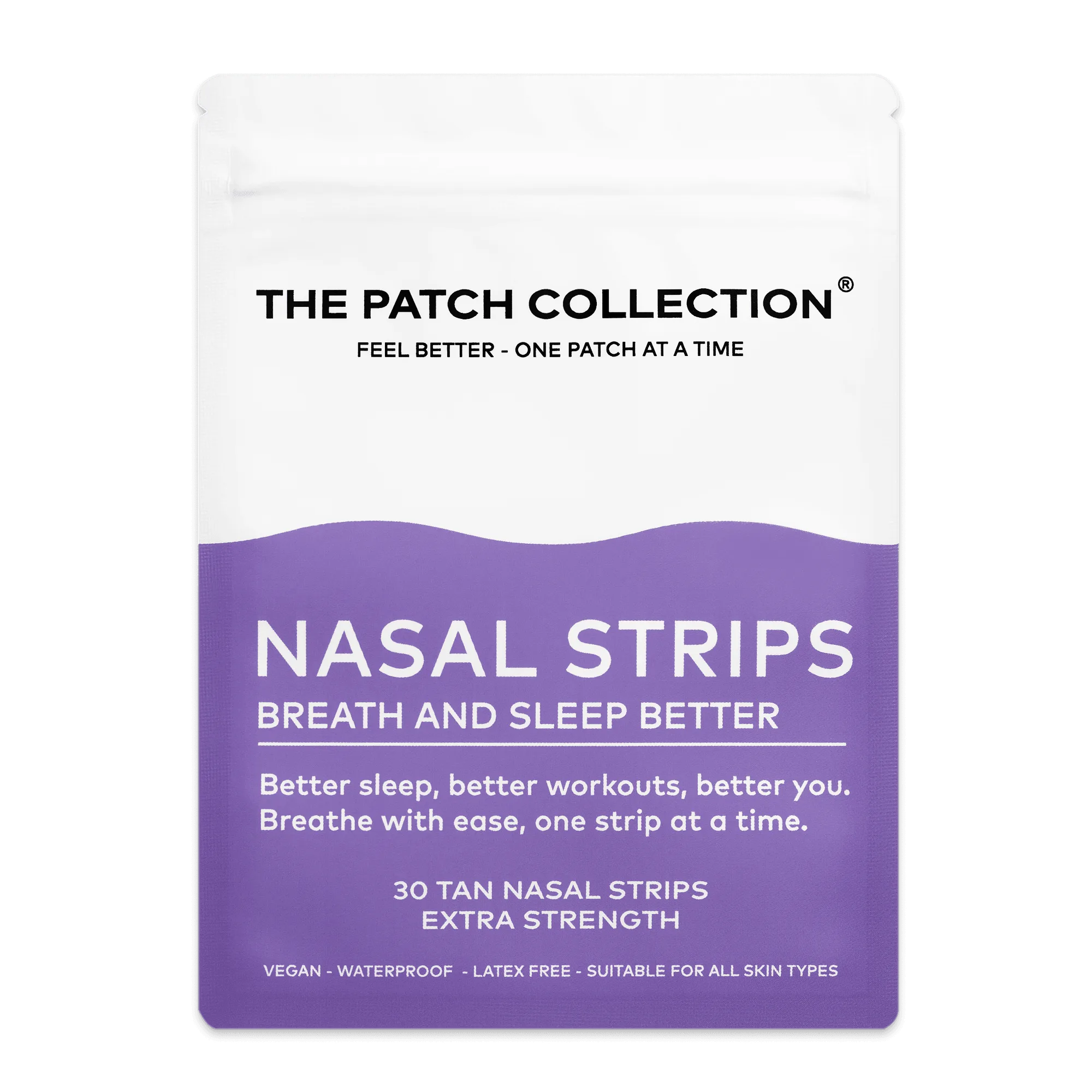
- BREATHE EASY: BREATHE EASY nasal strips are made from 100% non-woven fabric and are designed to sit gently on the skin, offering subtle physical support that helps breathing feel calmer and more natural. If your sleep problem is nighttime breathing comfort rather than falling asleep, a breathing support strip addresses a different issue than a sleep patch. Matching the tool to the problem matters more than stacking products.