Quick answer
Yes, speaker stands can improve sound, but not because of any special material or brand. They help when they place a stand mount speaker at the right height and angle, and when they reduce vibration that would otherwise muddy the bass. If your speakers already sit at ear height on a solid surface, a stand may change very little.
Speaker stands are one of the most debated accessories in hi-fi. Some listeners swear a good pair transforms a small speaker; others call them expensive furniture. The truth sits in the middle, and it comes down to two things: placement and vibration control.
This article separates the real speaker stand benefits from the myths. You will learn when a stand genuinely helps, when it does not, and how to judge whether your current setup is holding your speakers back.
Myth: Any stand will improve sound
A stand only helps if it changes something meaningful. The two meaningful changes are height and stability. A stand mount speaker is usually designed to be heard with its tweeter near ear level when you are seated. If your speaker currently sits on a low shelf or the floor, a stand that raises it to that height can make a clear difference in clarity and stereo imaging.
But if your speaker already sits at the right height on a sturdy cabinet, a new stand may not change the sound much. The stand is a tool for solving a placement problem, not an upgrade on its own. Buy one because your current position is wrong, not because stands are supposed to be better.
- Measure your seated ear height first, then compare it to your speaker tweeter height.
- If the difference is more than a few inches, a stand is likely worth considering.
Myth: Speaker isolation is only about fancy materials
Speaker isolation is real, but it is not about exotic materials. When a speaker plays, its cabinet vibrates. If that vibration passes into a hollow shelf or a resonant floor, it can color the sound, often making bass feel boomy or less defined. A stand interrupts that path by giving the speaker a more stable platform.
The practical benefit is tighter, cleaner low frequencies. You do not need laboratory-grade isolation to hear it. A rigid stand with a stable base and some form of decoupling between the speaker and the top plate is usually enough. The goal is to stop the speaker from exciting the surface underneath it.
- Place the stand on a solid floor, not on a rug over a hollow subfloor if you can avoid it.
- Use the stand's top plate or supplied pads to keep the speaker from sliding or rattling.
Myth: Stands only matter for small speakers
Stands are most associated with stand mount speakers, but the principle applies to any speaker that is not already well placed. A floorstanding model like the Reference 3 Meta is designed to sit on the floor, so it does not need a stand. However, it still benefits from a stable, level surface and careful placement away from walls.
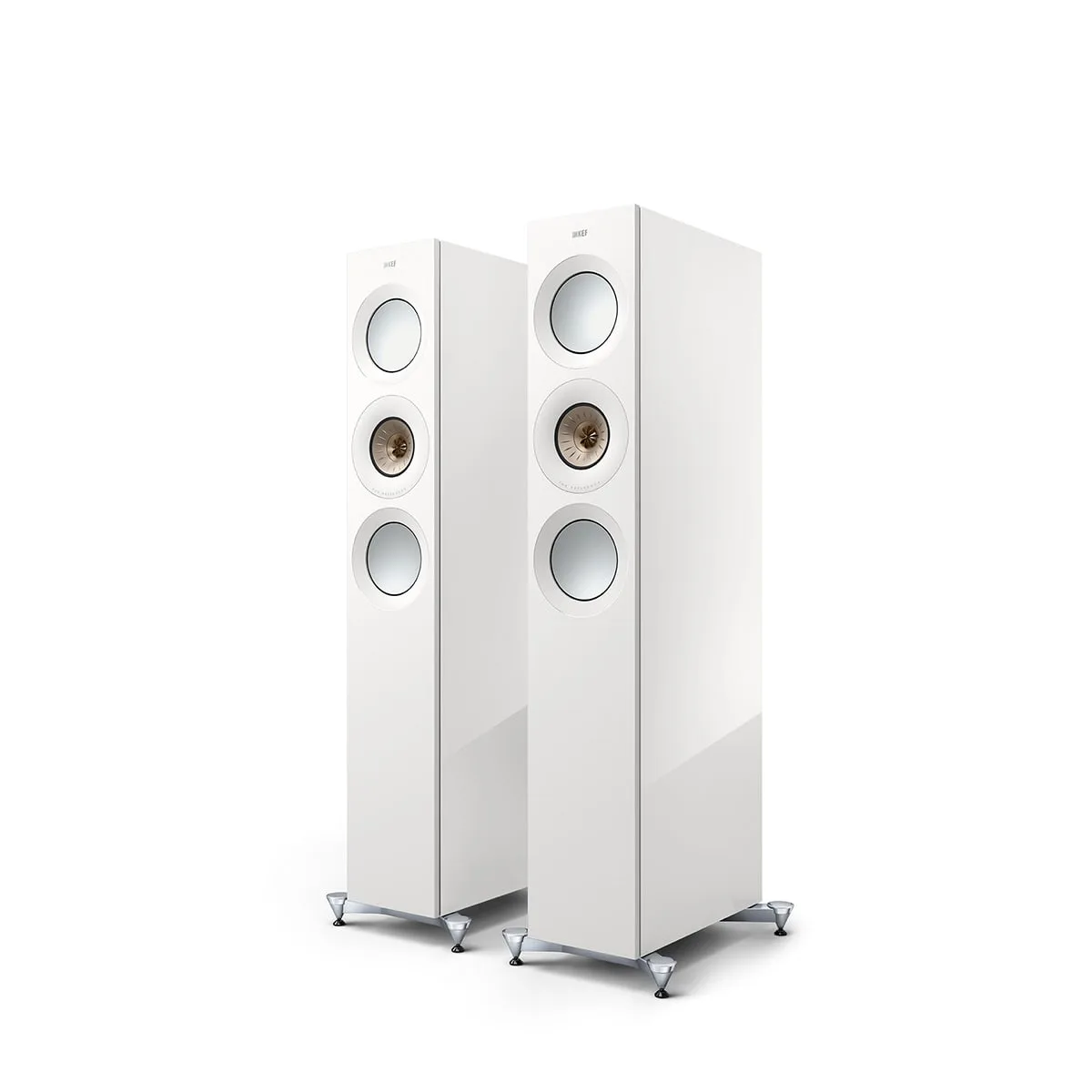
Reference 3 Meta
The myth is that stands are a universal upgrade. They are not. They are a solution for speakers that need height, stability, or isolation. If your speaker is already stable and at the right height, adding a stand may just add clutter.
- Floorstanding speakers: focus on floor stability and placement, not stands.
- Stand mount speakers: a stand is often the simplest way to get the height right.
Myth: You can fix bad placement with any stand
A stand cannot fix a room. If your speakers are jammed into a corner or sitting behind furniture, a stand will not undo those problems. Speaker placement improvement starts with distance from walls, symmetry, and aiming the speakers toward your listening position. A stand helps you achieve those things, but it does not replace them.
Think of a stand as one part of a placement strategy. It gives you the height and stability to position the speaker properly. The rest is about where you put the stand and how you angle the speaker.
- Pull speakers away from the wall behind them if bass sounds thick.
- Aim the tweeters toward your ears, not straight ahead.
When a stand is worth buying
A stand is worth buying when it solves a specific problem. If your stand mount speakers sit on a desk, a low shelf, or the floor, and you cannot get the tweeter near ear level, a stand is the straightforward fix. If your speakers sit on a hollow surface that resonates, a rigid stand with decoupling can clean up the bass.
If your speakers are already at ear height on a solid, non-resonant surface, a stand is unlikely to be a major upgrade. In that case, spend your effort on placement and room treatment instead. The honest answer is that stands are situational, not universal.
- Buy a stand when height or stability is the problem.
- Skip the stand when your current placement already checks both boxes.
Verdicts on common speaker stand claims
- Stands improve sound: True only when they fix height or reduce vibration. A stand that does neither is just furniture. Check your tweeter height and surface stability before buying.
- Speaker isolation always makes bass tighter: Isolation helps when the surface underneath is resonating. On a solid, non-resonant floor, the change may be minimal. Test with a temporary rigid platform before investing.
- Every speaker needs a stand: False. Floorstanding speakers like the Reference 3 Meta are designed to sit on the floor. Stands are for speakers that need height or stability. Match the stand to the speaker type, not the other way around.
- A stand can fix a bad room: No. A stand helps with placement, but it cannot correct corner loading, asymmetry, or a highly reflective room. Treat the stand as one part of a placement plan.
Product facts that matter for stand decisions
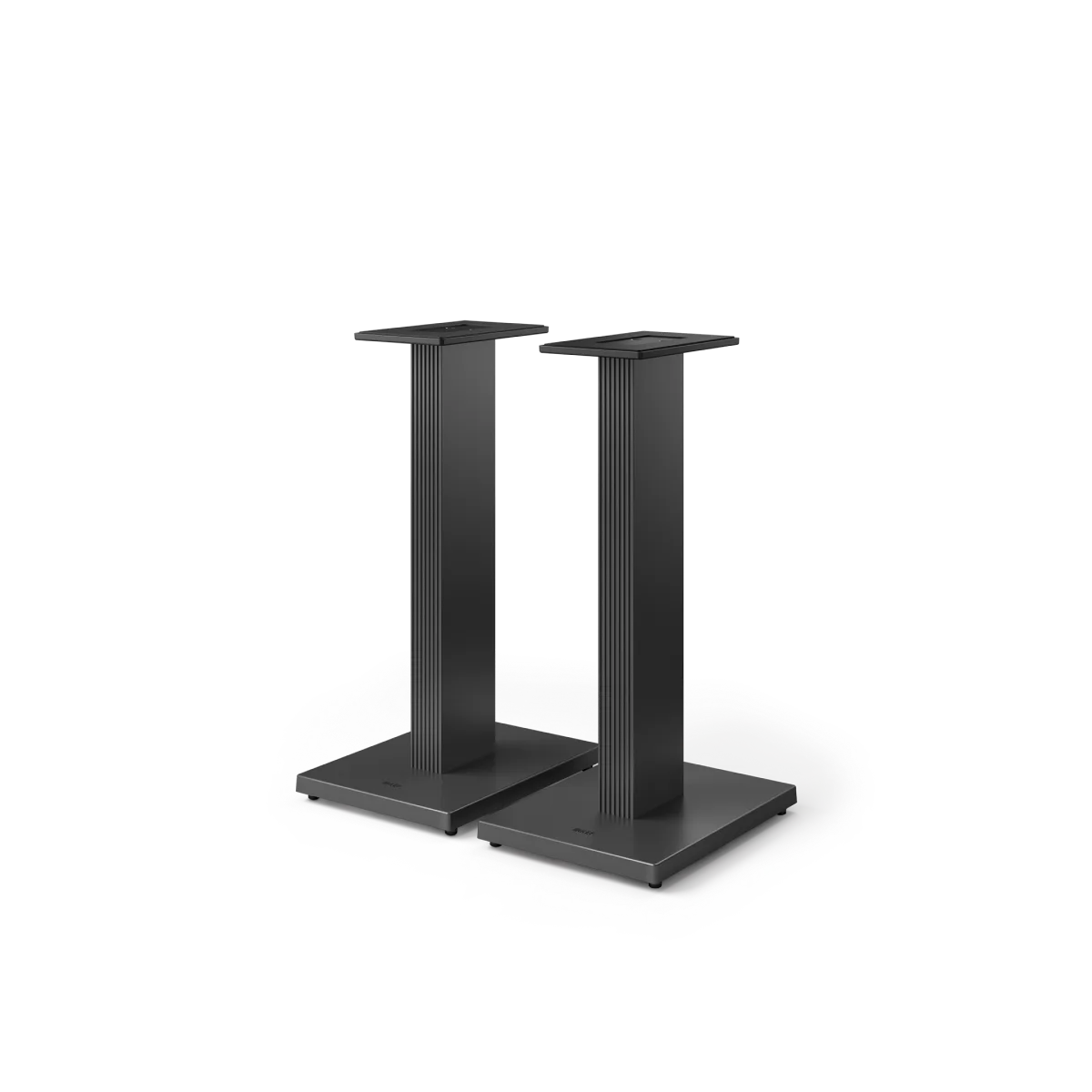
- SQ1 Floor Stand: The SQ1 Floor Stand is a passive speaker accessory available in multiple colors. If you own stand mount speakers that need to be raised to ear height, a dedicated floor stand like this is the intended solution. It gives you a stable base and a fixed height, which is exactly what the placement myth is about.
- Reference 3 Meta: The floorstanding Reference 3 Meta is designed to deliver a sensational sound stage and uses a 12th generation Uni-Q driver array with MAT. This is a floorstanding speaker, so it does not need a stand. It shows that stands are not a universal requirement. If you own a floorstander like this, focus on floor stability and room placement instead of buying a stand.
- LS60 Wireless: The LS60 Wireless is a slim, plug-and-play wireless speaker with extensive connectivity options. Wireless speakers like this are often placed on furniture rather than stands. If you use a wireless speaker, check whether it already sits at a good height before assuming a stand will help. The same placement logic applies.
Speaker stands are not a magic upgrade, but they are a practical fix for two real problems: wrong height and unwanted vibration. If your stand mount speakers are not at ear level or sit on a resonant surface, a stand can genuinely improve what you hear. If they are already well placed, save your money and work on the room instead.