The moisture problem starts at the bottom of the container
If your produce comes out of the container wet, limp, or sitting in a puddle, the problem is usually where the food meets the container floor. Condensation and drained liquid collect at the lowest point, and anything resting there stays in contact with that moisture.
A drain shelf solves one specific part of that problem: it holds food up and away from the bottom so liquid can fall through and air can move underneath. The Camsquares® FreshPro Drain Shelves in Translucent are designed to do exactly that, promoting air circulation and drainage in a Camsquares® container. They are not a freshness guarantee, and they do not replace good rotation, temperature control, or checking what you stored.
What the drain shelf does and does not change
The shelf's job is mechanical. Its drain design helps keep food elevated and promotes airflow, and the translucent finish lets you see stored items without lifting the shelf. That visibility is practical: you can spot pooled liquid or a wet item before it becomes a bigger loss.
What the shelf cannot do is dry produce that went in wet, compensate for a container stored in a warm spot, or extend the life of items that were already past their peak. Treat it as one layer of a storage setup, not a fix for every cause of spoilage. The supplied information does not include a shelf-life rating or a claim that the shelf extends freshness by a set number of days, so plan around visible condition rather than a promised timeline.
The Camsquares FreshPro Drain Shelf at a glance
-
Camsquares® FreshPro Drain Shelves – Translucent: Drain shelf design helps keep food elevated and promotes airflow. Elevation is the mechanism behind the freshness benefit: food sits above collected liquid instead of in it.
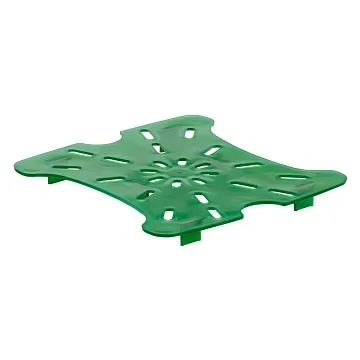
Camsquares® FreshPro Drain Shelves – Translucent
-
Camsquares® FreshPro Drain Shelves – Translucent: Translucent finish allows for easy visibility of stored items. You can check for moisture and produce condition without disassembling the container.
-
Camsquares® FreshPro Drain Shelves – Translucent: Compatible with Camsquares® containers for a modular storage solution. Fit is the first thing to confirm; the shelf is built for the Camsquares® system, not as a universal insert.
Signs the drain shelf is doing its job
You do not need a lab test to judge whether the setup is working. Check these points when you open the container:
- Liquid is below the food, not around it: If drained liquid collects under the shelf while the produce stays on top, the elevation is working as designed.
- Air can move under the produce: The shelf promotes airflow beneath the food. Packing produce so tightly that it blocks the shelf defeats that purpose.
- You can see what is happening: The translucent shelf and container let you check condition quickly, which makes it easier to use older items first.
- The shelf sits properly in its container: The supplied record confirms compatibility with Camsquares® containers. If a shelf does not seat correctly, the container model is the thing to verify.
When a drain shelf will not solve the moisture problem
A drain shelf manages liquid that has already separated from the food. It does not stop condensation from forming, and it cannot remove moisture from produce that was washed and packed wet. If the container is sealed while produce is still damp, the shelf will keep the food off the floor but the air inside can stay humid.
The supplied information does not include storage times, temperature settings, or a maximum fill level for the shelf. Rather than guessing at those numbers, use the shelf for what it is documented to do, and judge results by how the produce looks and feels when you check it.
Cleaning and everyday handling
The supplied care evidence for this shelf is simple: it is easy to clean and maintain for everyday use. The record does not list dishwasher temperatures, sanitizer concentrations, or a cleaning schedule, so follow your kitchen's normal warewashing practice for the container system rather than relying on a number from this article.
The material is described as built to withstand the demands of professional foodservice environments, which speaks to durability under regular use. It does not mean the shelf is indestructible, so handle it as you would other food storage components.
Price and variant context
- Camsquares® FreshPro Drain Shelves – Translucent: Catalog price is USD 2.68, with a catalog comparison price of USD 4.40. At this price point, adding a shelf to each container is a low-cost change to test in your own workflow.
- Camsquares® FreshPro Drain Shelves – Translucent: Available variant: Standard. There is one listed variant, so the main decision is whether the Camsquares® system fits your existing containers.
A realistic verdict on translucent drain shelves
For produce that releases liquid or sits in a container where condensation collects, a drain shelf addresses a real cause of spoilage: contact with standing moisture. The Camsquares® FreshPro Drain Shelves in Translucent do that with a design that also keeps the contents visible and the system modular.
They will not rescue produce that was stored wet, kept too warm, or held too long. If your current problem is wet produce at the bottom of the container, this is the right tool to try. If your problem is that produce is spoiling for other reasons, start there instead.