Quick answer
Yes, vitamin D3 supplements expire. The date on the label is the manufacturer's guarantee that the product will retain its labeled potency until that point when stored correctly. After that date, the D3 does not become toxic, but it degrades slowly, so the amount you get per dose may drop below what the label states. If your bottle is past its date and has been stored in a cool, dark, dry place, it is likely still safe but possibly less effective. Replace it if you need a reliable daily dose, and choose a product with a clear expiration date and protective packaging.
What the expiration date actually means
The date printed on a vitamin D3 bottle is not a safety deadline. It is the end of the period during which the manufacturer guarantees the product meets its label claim for potency. That guarantee assumes the bottle has been stored under recommended conditions. Once the date passes, the supplement is not automatically harmful, but the manufacturer no longer stands behind the exact amount of D3 per serving. For a nutrient like vitamin D3, which many people take for bone, immune, and brain support, a slow decline in potency can matter if you rely on a specific daily dose.
How storage speeds up or slows D3 degradation
Heat, light, moisture, and oxygen are the main enemies of vitamin D3. A bottle kept in a steamy bathroom or on a sunny windowsill will lose potency faster than one stored in a cool, dark cupboard. Liquid formulas can be more sensitive to temperature swings than capsules, and any product exposed to repeated humidity may clump or degrade. To protect your D3, keep it tightly closed, away from direct sun, and out of the refrigerator unless the label specifically says to refrigerate. If you transfer capsules to a weekly pill organizer, do it in small batches and keep the original bottle sealed for the rest.
Does the form of D3 change its shelf life?
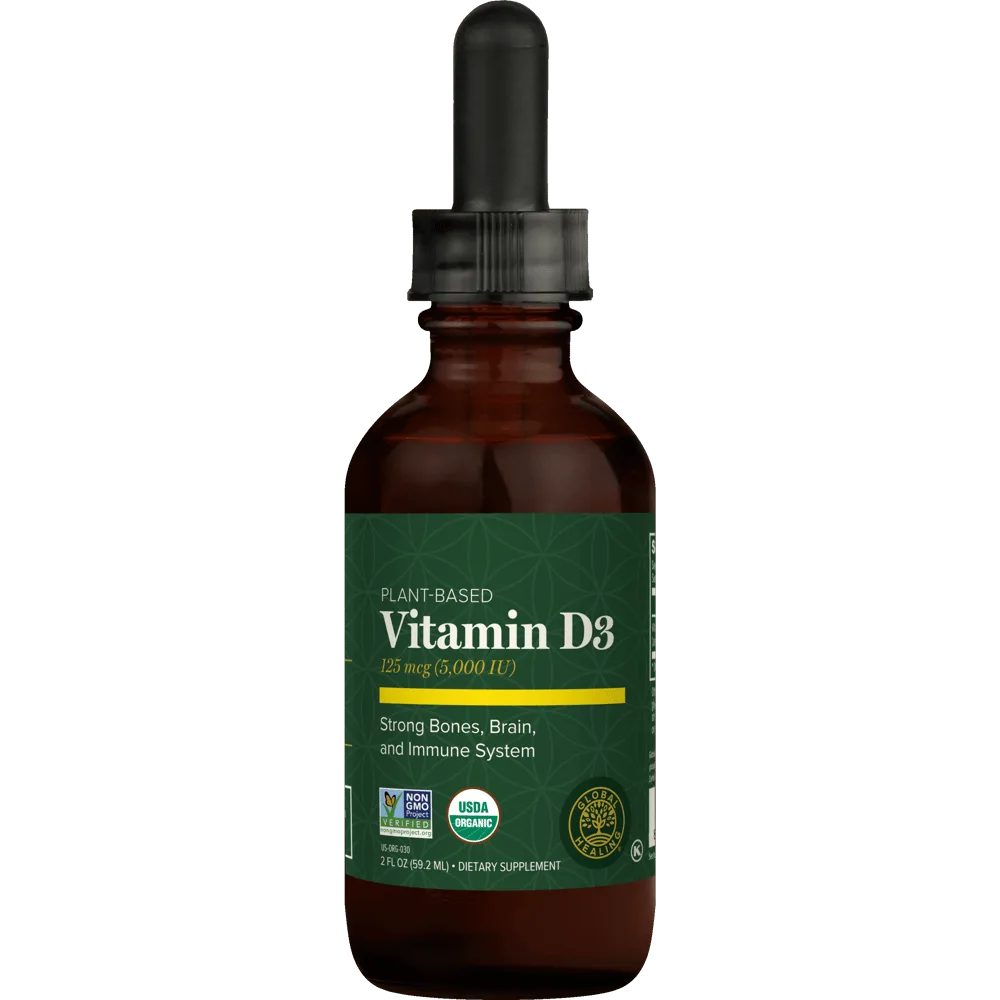
Vitamin D3 (cholecalciferol) is generally more stable than vitamin D2, but the delivery format still matters. Capsules and tablets often have a longer shelf life than liquids because they are less exposed to air and moisture. Liquid D3, especially an oil-based one, can be convenient but may degrade faster once opened. If you choose a liquid, look for dark glass packaging and a dropper that limits air exposure. Global Healing Organic Vitamin D3 5000 IU is a plant-based, vegan-friendly formula derived from organic lichen and provides cholecalciferol, the biologically active form your body produces from sunlight. Its form and packaging can influence how well it holds potency over time, so always check the expiration date and store it as directed.
Can you tell if your D3 has lost potency?
You cannot see or smell a drop in vitamin D3 potency. The capsules or liquid may look and taste normal even after the expiration date. That is why the date and storage conditions are your best guide. If you have passed the date and want to be sure you are getting the labeled amount, replace the bottle. If you are simply finishing a bottle a few weeks past its date, it is unlikely to be harmful, but do not count on it for a precise dose. For anyone with a diagnosed deficiency or a prescribed dose, use a fresh product and follow your healthcare provider's instructions.
How to make your D3 last longer
Buy the smallest size that matches your usage rate. A 60-capsule bottle that you finish in two months will stay fresher than a 365-count bottle opened for a year. Write the open date on the label so you can track how long it has been in use. Keep the desiccant packet in the bottle if one is included. Avoid storing D3 near stoves, radiators, or other heat sources. If you live in a humid climate, consider a capsule or tablet form rather than a liquid, and keep the lid tight between uses.
D3 expiration quick guide
What does the expiration date guarantee?
It guarantees full labeled potency until that date when stored correctly. After that, potency may decline gradually, but the product is not necessarily unsafe. Use the date as a freshness marker, not a safety cutoff.
Is expired vitamin D3 safe to take?
Past-date D3 is unlikely to be harmful, but it may not deliver the labeled dose. If you need a precise amount for a deficiency or medical reason, replace it. When in doubt, replace—especially for therapeutic doses.
How should I store D3 to maximize shelf life?
Keep it cool, dark, dry, and tightly closed. Avoid bathrooms, windowsills, and refrigerators unless the label says otherwise. Use the original container and keep desiccants inside. Good storage can help D3 stay potent up to its expiration date.
Do liquid and capsule D3 expire at the same rate?
Not necessarily. Liquids may degrade faster once opened because they are more exposed to air and moisture. Capsules and tablets often hold potency longer. Match the format to how quickly you will finish the bottle.
Product facts
- Organic Vitamin D3 5000 IU: Plant-based, derived from organic lichen and contains cholecalciferol, the biologically active vitamin D your body produces when you enjoy natural sunlight. If you prefer a vegan D3, this form delivers the same active compound your body makes from sun exposure, so you can support bone, immune, and brain function without animal-derived ingredients.
- Toxin Binder: Our detox support supplement is made with revolutionary ingredients and innovative technology to help you flush out toxins naturally and improve... If your daily routine includes a toxin binder alongside vitamin D3, check each product's expiration date separately; they may have different shelf lives and storage needs.