The honest answer: no, but that's not the whole story
You do not need a chef hat to cook at home. Nothing about browning onions, roasting a chicken, or kneading dough requires one. The idea that a hat is a mark of culinary legitimacy is the myth worth retiring first.
What a hat can do is solve a few practical problems: keeping hair out of food, adding a layer of structure to your cooking routine, and giving you one less thing to think about when you're moving fast. Whether those problems are yours is the real question. The chef hat benefits people talk about are usually real—just narrower than the marketing suggests.
Three claims about chef hats, tested against what we actually know
These are the arguments you hear most often. Some hold up better than others.
- Claim: A chef hat keeps hair out of your food.: This is the most defensible reason to wear one. A structured hat holds hair back and away from your face while you work. For long hair, that matters more than for short hair—but the catalog does not describe any specific hair-containment feature, so treat this as a general benefit of wearing a hat, not a guaranteed performance spec.
- Claim: A chef hat makes you a better cook.: No. A hat does not change heat control, seasoning, or technique. What it can do is put you in a working mindset—the same reason people tie on an apron. That's a habit effect, not a skill effect, and it's worth being honest about.
- Claim: You need a professional hat to cook professionally at home.: You don't. Plenty of excellent home cooks never wear a hat. The question is whether you want one, and whether the specific hat fits your kitchen and your head.
What the Charcoal Gray Chef Hat actually is
-
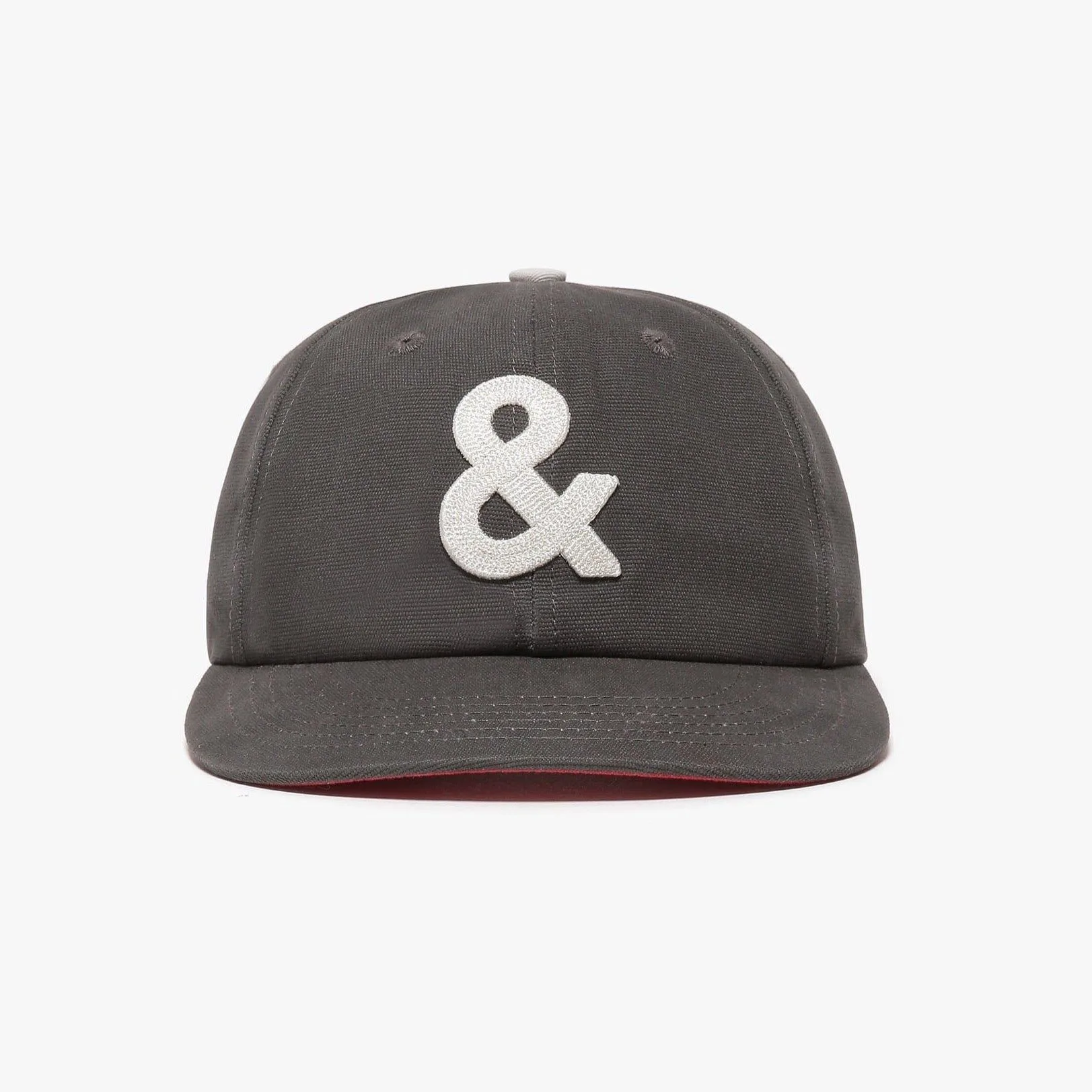
The Chef Hat - Charcoal Gray: Crafted from Classic Canvas, this hat combines durability with a clean, understated appearance that suits any culinary environment. Canvas is the material story here. It gives the hat a structured feel rather than a soft, slouchy one—relevant if you want a hat that holds its shape through a cooking session.
The Chef Hat - Charcoal Gray
-
The Chef Hat - Charcoal Gray: Classic Canvas fabric provides lasting wear and a structured fit. This is the closest the supplied information comes to a performance claim. It supports the idea that the hat is built to keep its shape, but it does not promise breathability, moisture wicking, or specific temperature control.
-
The Chef Hat - Charcoal Gray: Charcoal Gray color offers a versatile, neutral tone that complements any chef coat. If you already wear a chef coat or apron, charcoal gray is easy to pair. If you cook in a t-shirt, it still reads as neutral rather than costume-like.
-
The Chef Hat - Charcoal Gray: Available in a Standard size for a comfortable, reliable fit. One size is the whole story here. The catalog does not list adjustable closures or alternate sizes, so fit depends on whether Standard suits your head. That's a real limitation to weigh before buying.
Chef hat vs beanie: they solve different problems
The chef hat vs beanie question comes up because both are kitchen headwear, but they are not interchangeable. The comparison below sticks to what each style is generally for and what the supplied catalog confirms about the chef hat.
- Chef hat (Charcoal Gray, Classic Canvas): Structured canvas, neutral color, Standard size. Best for keeping hair back and looking intentional in a warm kitchen. Not described as insulated or warm, so treat it as a year-round hat rather than cold-weather gear.
- Beanie: Typically knit and close-fitting, which makes it warmer and more casual. Better for a cold kitchen or a quick errand run. Less structured, so it may not hold hair back the same way a canvas hat does—but that depends on the specific beanie, which the supplied catalog does not cover.
- The practical split: Choose the chef hat when structure and a clean look matter more than warmth. Choose a beanie when warmth matters more than structure. Neither is required for good cooking.
The long-hair question, answered carefully
A kitchen hat for home cooks with long hair is a reasonable purchase, but the supplied product information does not describe a specific hair-containment design. What it does confirm is a structured canvas fit in a Standard size. That structure is why many cooks reach for a hat in the first place: it gives hair something to sit against rather than fall forward.
If your main goal is keeping long hair completely secured, a hat alone may not be enough—the catalog does not confirm any closure or adjustment feature, so plan on pairing it with your usual hair tie or clip. If your goal is simply to keep hair out of your face while you cook, the structured fit is the relevant feature.
When a home cook should skip the chef hat
The myth-busting goes both ways. There are good reasons not to buy one.
- You never wear hats and find them distracting.: A hat you take off after five minutes is a wasted purchase. Start with an apron if you want a routine cue.
- You need adjustable fit.: The supplied information lists only a Standard size and does not confirm an adjustable closure. If you know standard hats tend to run loose or tight on you, that is a genuine reason to hesitate.
- You want warmth.: Classic Canvas is described for durability and structure, not insulation. A beanie is the better cold-kitchen choice.
The verdict: a useful tool, not a credential
A chef hat at home is optional equipment. The strongest case for the Charcoal Gray Chef Hat is practical: structured canvas, a neutral color that works with chef coats and everyday clothes, and a Standard fit the catalog describes as comfortable and reliable. The weakest case is the one that says you need it to cook seriously—you don't.
If you want a hat that holds its shape, keeps hair back, and looks deliberate in the kitchen, this one fits that brief. If you want warmth, adjustability, or a guarantee about long-hair coverage, the supplied information does not confirm those features, and you should weigh that before buying.