Quick answer
You need a headphone extension cable when your IEM cable is too short for your listening position, such as when your source or personal monitor mixer sits across the room. If you are already using a quality low-resistance cable and only need a few extra feet, a well-made extension like the 64 Audio Hi-Res Headphone Extension Cable adds 10 feet without audio degradation. If your problem is adapters or storage rather than length, a different accessory solves it better.
What actually counts as a headphone extension cable
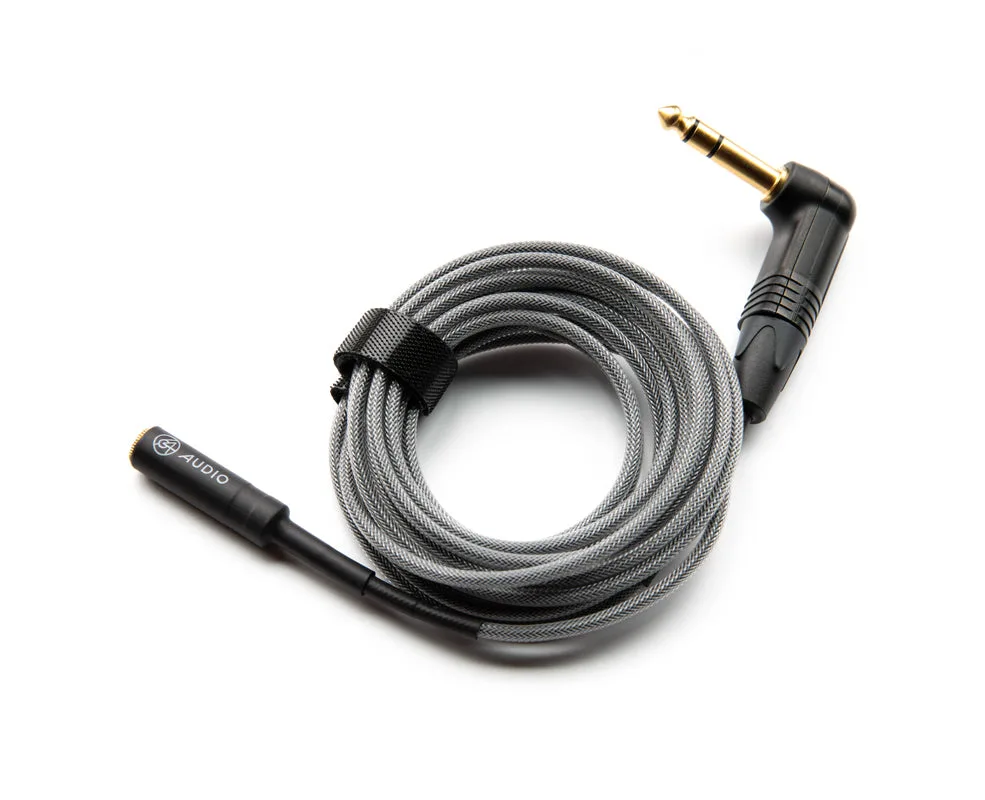
A headphone extension cable is a separate cable that plugs into your existing IEM or headphone cable and adds reach to your source. It is not the same as a replacement cable, which connects directly to the earpieces. That distinction matters because an extension adds an extra connection point, and every connection point is a place where signal quality can drop if the parts are not built to match your existing cable. The 64 Audio Hi-Res Headphone Extension Cable is designed to extend the IEM signal by an additional 10 feet without audio degradation, and it is built to match the low-resistance nature of 64 Audio cables for complete sonic transparency.
When an extension cable is the right fix
The clearest case is a fixed listening position where your source is out of reach. If you monitor through a personal monitor mixer such as Behringer, Midas, Allen Heath, or Aviom, the mixer often sits on a rack or table while you stand or sit several feet away. Rather than swapping to a low-quality long cable, an extension keeps your existing IEM cable and adds length at the end. The same logic applies at a desk where your interface or amp is across the room, or on a stage where your body pack is clipped behind you and the run to the mixer is longer than your stock cable allows.
When you do not need an extension cable
If your IEM cable already reaches your source comfortably, adding an extension only introduces another connection and more cable to manage. If your real problem is that your current cable is too short by a few inches, a longer replacement cable is usually cleaner than an extension. And if the issue is fit rather than length, an extension will not help. The 64 Audio cable and adaptor range includes shorter and longer options, so check whether a replacement cable solves the problem before adding a second cable to the chain.
Does adding length hurt sound quality
Length alone does not automatically degrade sound, but resistance and build quality do. A thin, high-resistance extension can roll off treble and soften dynamics. The 64 Audio Hi-Res Headphone Extension Cable is specifically built to avoid that tradeoff by matching the low-resistance design of 64 Audio cables, so the 10-foot addition stays transparent. If you use a generic extension, expect the result to depend entirely on its conductor and shielding quality, which is rarely specified clearly.
Adapters versus extensions: what is the difference
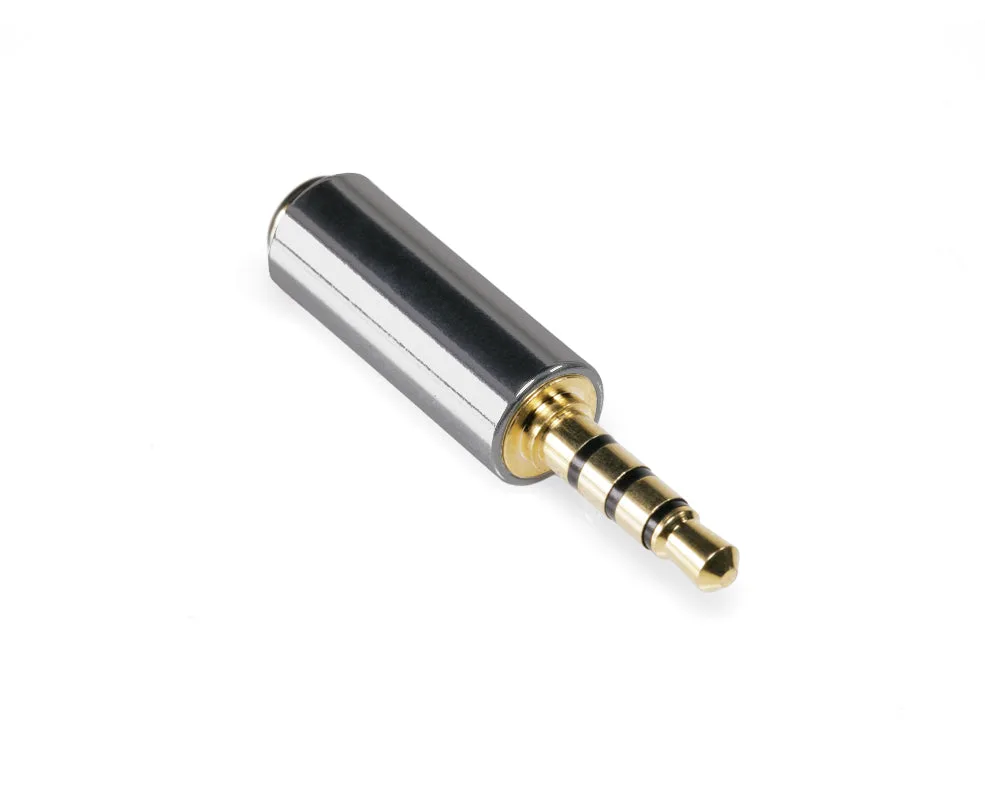
An extension adds length. An adapter changes the connector type. If your device uses a connector that is not meant for microphone cables, such as certain Aviom, Shure, or Sennheiser gear, or if you need to connect to a wireless or wired body pack, the 64 Audio Mic Cable Adaptor is the part that solves that mismatch. It costs far less than an extension cable and solves a completely different problem. Buying an extension when you actually need an adapter will leave you with the same connection issue plus extra cable.
How to choose the right length
Measure the distance from your listening position to your source, then add a little slack for movement. If you are within a few feet, a replacement cable may be enough. If you are 6 to 12 feet away, a 10-foot extension like the 64 Audio Hi-Res Headphone Extension Cable covers most fixed-position setups without excessive coiled cable. Longer runs are possible by chaining extensions, but each added connection increases the chance of a loose fit or added resistance, so keep the chain as short as practical.
Storage and protection for the extra cable
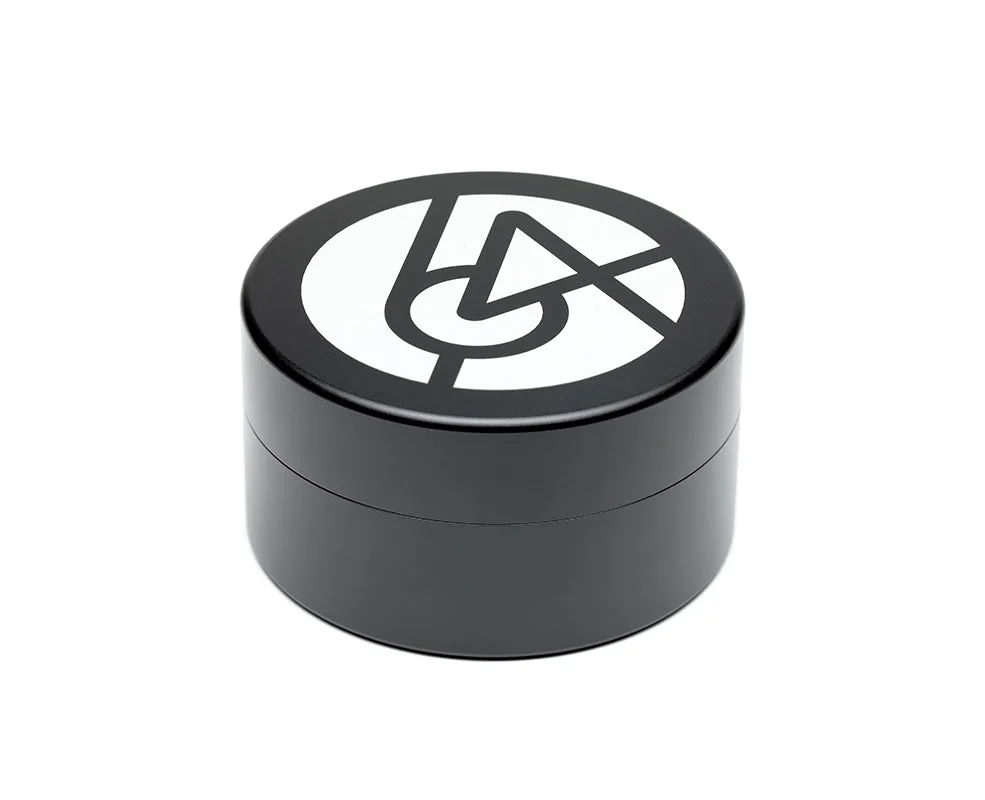
Once you add an extension, you have more cable to manage. The 64 Audio Aluminum Case is built for touring artists and audiophiles on the go, with a wrap and lock mechanism to keep the cable neatly wound, a built-in dehumidifier to wick away moisture, and compartments for additional apex modules, the IEM cleaning tool, a shirt clip, and ear tips. That matters because a loosely coiled extension cable is more likely to develop kinks or strain at the connector over time.
Extension cable FAQ quick reference
Do I need an extension cable?
Only if your current IEM cable cannot reach your source from your normal listening or performing position. Measure the gap first; if it is under a foot, consider a longer replacement cable instead.
How much length can I add without losing quality?
A well-built low-resistance extension like the 64 Audio Hi-Res Headphone Extension Cable adds 10 feet without audio degradation; generic high-resistance cables may not. Match the extension to the quality of your existing cable.
What if my problem is the connector, not the length?
Use an adapter such as the 64 Audio Mic Cable Adaptor for Aviom, Shure, Sennheiser, or body pack connections that are not meant for microphone cables. Adapters fix compatibility; extensions fix distance.
How should I store an extension cable?
Coil it loosely and use a case with a wrap and lock mechanism, like the 64 Audio Aluminum Case, to prevent kinks and connector strain. Proper storage extends cable life and keeps the connection reliable.
Products that solve length and connection problems
- Hi-Res Headphone Extension Cable: Designed to extend the IEM signal by an additional 10 feet without audio degradation, built to match the low-resistance nature of 64 Audio cables for complete sonic transparency, and ideal for use with personal monitor mixers such as Behringer, Midas, Allen Heath, and Aviom. If your mixer or source sits across the room, this adds enough reach for most fixed listening positions while keeping the signal path consistent with your existing 64 Audio cable.
- Mic Cable Adaptor: An attachment for devices that are not meant for microphone cables, such as Aviom, Shure, and Sennheiser gear, as well as wireless and wired body packs. If your connector does not match your device, an adapter fixes the mismatch for a few dollars instead of buying an extension cable that will not solve the actual problem.
- 64 Audio Aluminum Case: Features a wrap and lock mechanism to keep the cable neatly wound, a built-in dehumidifier to wick away moisture, and compartments for additional apex modules, the IEM cleaning tool, a shirt clip, and ear tips. A longer cable setup needs disciplined storage; this case keeps the extension coiled correctly and protects the connectors and IEMs between uses.