Quick answer
No, you don't need mouthwash if you already brush twice daily with a fluoride natural toothpaste and clean between your teeth. Mouthwash is an add-on for specific problems: persistent bad breath, a dry mouth, gum tenderness, or a dentist's instruction. If you do use it, use it at a different time from brushing, not right after, so you don't rinse away the fluoride that's still working on your teeth.
What mouthwash can and can't do that toothpaste can't
Toothpaste does the heavy lifting because you scrub it across every surface with a brush, which physically removes plaque and leaves fluoride or antibacterial ingredients in contact with enamel. Mouthwash reaches places a brush struggles with, such as between teeth, around the gumline, and the back of the tongue, but it can't scrub plaque off. That's why mouthwash is a supplement, not a replacement, and why it works best alongside flossing or interdental brushes rather than instead of them.
The other limit is timing. Most mouthwashes are rinsed and spat, so their active ingredients stay on teeth for minutes, not hours. Toothpaste, especially a fluoride one, keeps working longer because you don't rinse it away. If you swish mouthwash immediately after brushing, you can wash out that residual fluoride and reduce the benefit of the paste you just used.
When mouthwash is genuinely worth adding
A few situations make mouthwash a practical addition rather than an extra step. If you have fixed braces, a retainer, or bridges, a mouthwash can flush debris from areas your brush can't reach. If you wake with a dry mouth from medication, a mouthwash can temporarily moisten tissue and reduce the sticky feeling that makes plaque build faster. If your dentist has told you to use a specific rinse after a procedure or for gum inflammation, follow that instruction over any general advice here.
Bad breath is the most common reason people reach for mouthwash. It helps for a short time, but if the cause is plaque on the tongue or between teeth, a rinse alone won't fix it. You'll get better results by cleaning the tongue and flossing, then using mouthwash as a freshener rather than a cure.
- Braces, retainers, or bridges: use mouthwash to flush where the brush can't reach.
- Dry mouth from medication or mouth breathing: a rinse can add temporary moisture.
- Gum tenderness or a dentist's instruction: follow the specific rinse you were given.
- Bad breath: clean the tongue and floss first; mouthwash is the finisher, not the fix.
When to use mouthwash so it doesn't cancel out your toothpaste
If you use both, separate them. Brush with your toothpaste, spit, and don't rinse with water. Then wait at least 30 minutes before using mouthwash, or use it at a different time of day, such as after lunch. This keeps the fluoride from your paste on your teeth for the period it's most useful. If your mouthwash contains fluoride, you can use it at a separate time as a top-up, but it doesn't replace brushing.
For fluoride-free natural toothpastes, the timing rule is less about rinsing away fluoride and more about not diluting the cleaning action. You still want the paste's ingredients to sit on your teeth for a few minutes after brushing, so the same 'wait, then rinse' approach works well.
How to build a simple natural oral care routine without overbuying
Start with what you already do well: brush twice a day for two minutes with a natural toothpaste that matches your needs, and clean between your teeth once a day. Add mouthwash only if you have one of the specific reasons above. If you're choosing between products, pick a toothpaste first, because it does the most work, then decide whether a mouthwash earns its place on your shelf.
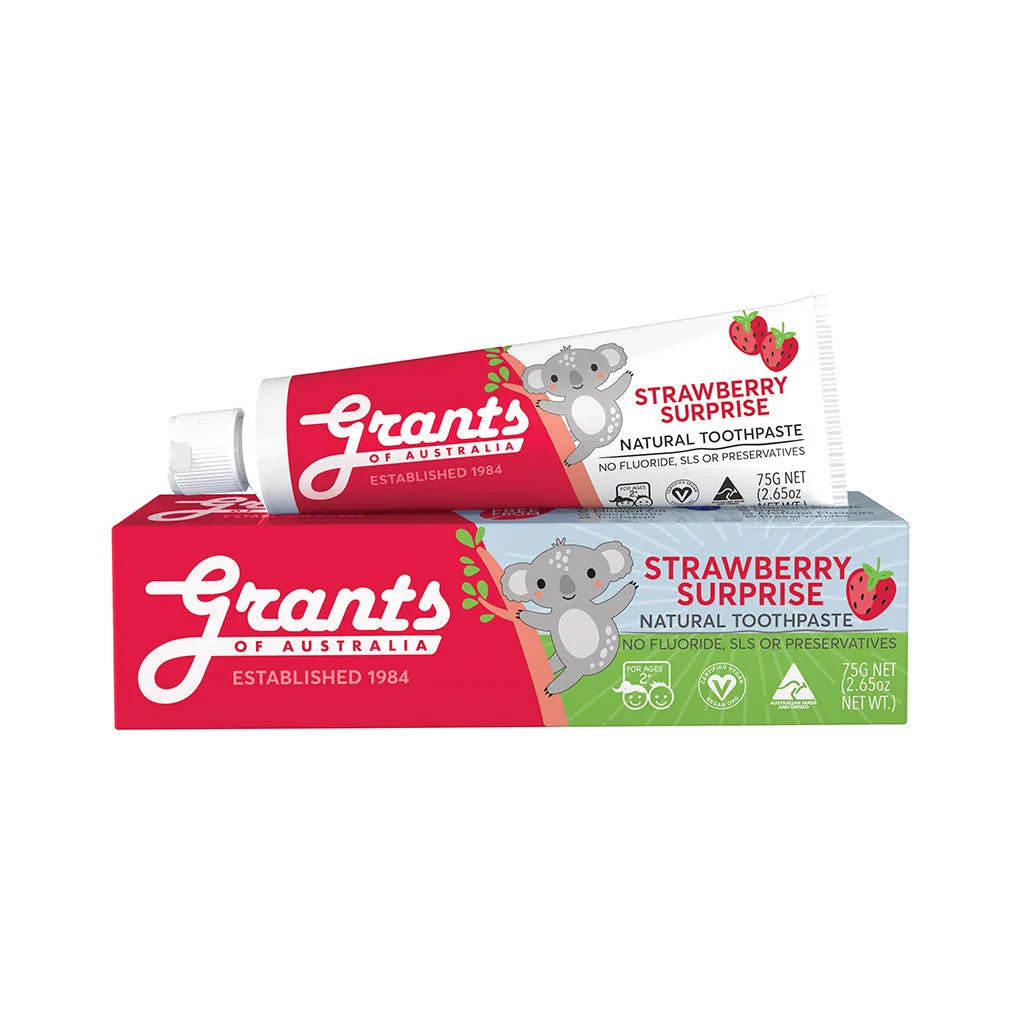
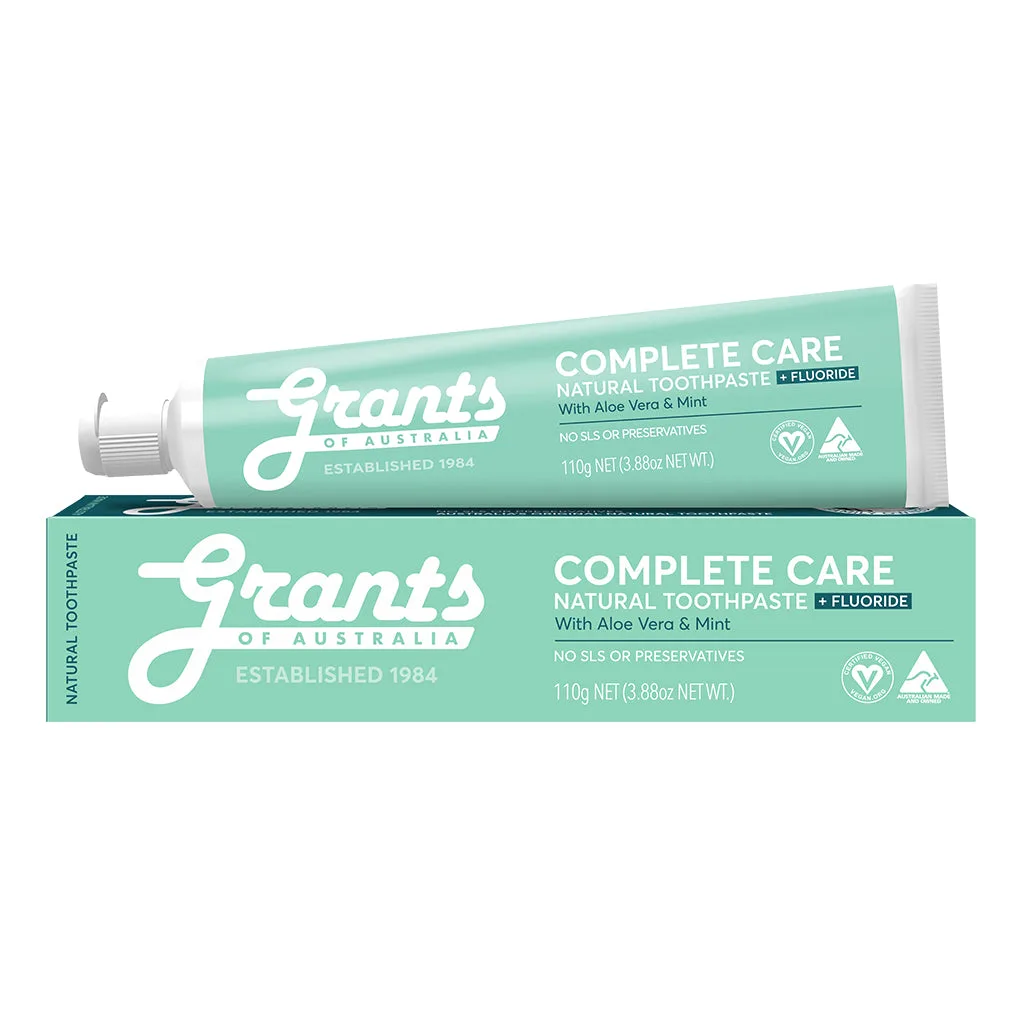
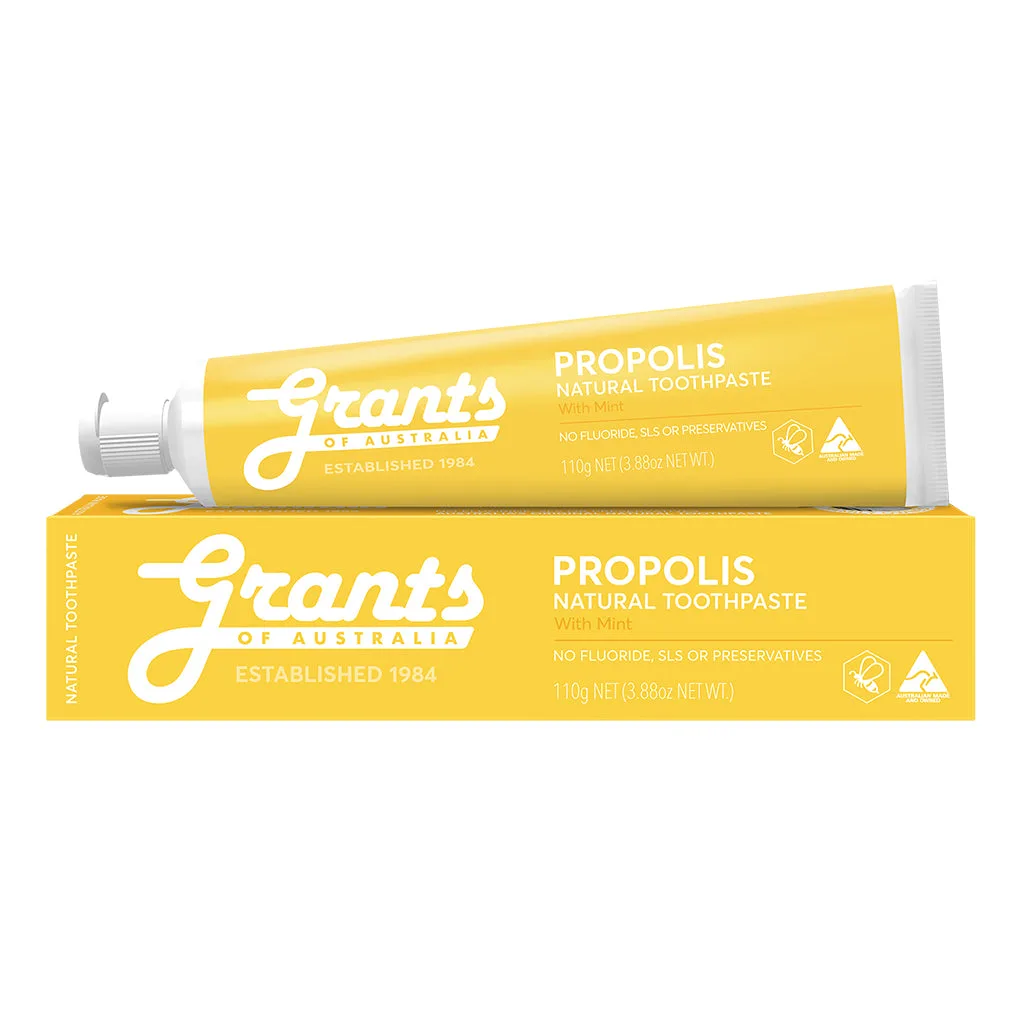
For most adults, a fluoride natural toothpaste like Grants Complete Care Natural Toothpaste covers cavity protection and everyday cleaning, while a fluoride-free option like Grants Propolis Natural Toothpaste suits people who prefer to avoid fluoride or want the antibacterial properties of propolis. For children aged 2 and over, a mild fluoride-free paste such as Grants Strawberry Surprise Kids Natural Toothpaste keeps the routine pleasant enough that they actually brush. Mouthwash is optional for all three; the paste and the brush are not.
Mouthwash and toothpaste: quick answers
Can I use mouthwash right after brushing?
No. Rinsing immediately after brushing can wash away the fluoride left by your toothpaste, reducing its cavity-fighting effect. Spit after brushing and wait at least 30 minutes before using mouthwash, or use it at a different time of day. If you only remember one rule, make it this one.
Does mouthwash replace flossing or brushing?
No. Mouthwash can reach between teeth and around the gumline, but it can't remove plaque the way a brush or floss can. It's an add-on, not a substitute. Keep brushing twice daily and cleaning between teeth once daily.
What if my toothpaste is fluoride-free?
The timing rule is less strict because there's no fluoride to rinse away, but you still want the paste's ingredients to stay on your teeth for a few minutes after brushing. Use mouthwash at a separate time, such as after lunch, rather than immediately after brushing. Fluoride-free pastes still benefit from a short wait before rinsing.
Is natural mouthwash better than regular mouthwash?
Natural mouthwashes often skip alcohol and artificial colors, which can be gentler if your mouth feels dry or sensitive. But check the label for fluoride or antibacterial ingredients if you're using it for a specific problem like gum tenderness. 'Natural' doesn't automatically mean it does more. Match the rinse to your reason for using it, not the label.
When should I ask a dentist about mouthwash?
If you have persistent bad breath, bleeding gums, a dry mouth that doesn't improve, or you're recovering from an oral procedure, ask your dentist. They can tell you whether a specific rinse is useful and when to use it. A dentist's instruction beats general advice every time.
Natural toothpastes that change the mouthwash question
- Complete Care Natural Toothpaste: Grants Complete Care is a natural, SLS free toothpaste with fluoride to help fight cavities and prevent tooth decay. If you use a fluoride paste like this, you already get cavity protection from brushing, so daily mouthwash is usually unnecessary. If you do use a rinse, delay it so you don't wash the fluoride away.
- Propolis Natural Toothpaste: Grants Propolis Natural Toothpaste is fluoride free and SLS free, and propolis is made by bees and known for its antibacterial and antiseptic properties. This suits people who prefer to avoid fluoride and want a paste with antibacterial ingredients. Because there's no fluoride to rinse away, timing with mouthwash is more flexible, but the paste still needs a few minutes on your teeth to work.
- Kids Strawberry Natural Toothpaste: Grants Strawberry Surprise Kids Natural Toothpaste is fluoride-free, SLS free and mild in taste, making it a safe and healthy option for children aged 2+. For young children, the priority is brushing well twice a day, not adding mouthwash. A mild paste they don't fight over is more useful than any rinse.