The short answer: they're an extra layer, not a necessity
Plug socket covers are widely sold as a baby-proofing staple, but they are not a universal requirement. Whether you need them depends on your child, your home, and how you weigh convenience against the limits of the product.
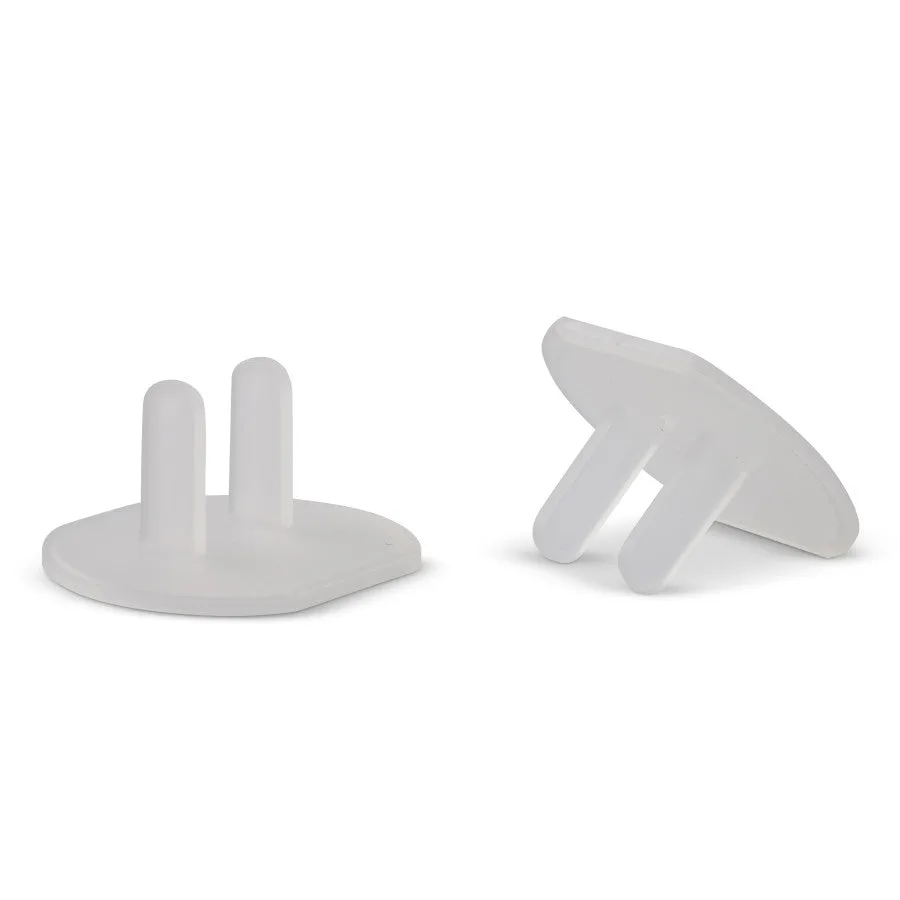
The supplied product information for BABYGO® Plug Socket Covers describes them as a way to 'add an extra layer of safety' and to 'help discourage little fingers from exploring places they shouldn't.' That wording is deliberately modest: the covers are a deterrent, not a guarantee.
So the honest answer is: many families find them a simple, low-cost addition to a baby-proofing routine, but you should not treat them as the one thing that makes a socket safe. The rest of this article separates what the product can reasonably do from claims it cannot support.
Three socket cover claims worth questioning
Baby-proofing advice online often repeats claims that go beyond what a plastic cover can deliver. Here is how to read them critically.
- Claim: socket covers make a socket completely child-safe: No cover can promise that. The supplied information says the covers 'help discourage' exploration and add 'an extra layer of safety' — not that they eliminate risk. Treat them as one part of a broader home safety approach.
- Claim: every home with a baby needs them: There is no supplied evidence that socket covers are mandatory or universally recommended. They are a practical option, not a rule. Your decision should reflect your child's mobility and curiosity, and how your sockets are positioned.
- Claim: fitting them is a big job: The product information says the covers are 'quick and easy to fit,' making them 'a simple addition to your baby proofing routine.' That is a fair claim for this product, but it does not tell you how they perform over time or whether they suit every socket type.
What the BABYGO® Plug Socket Covers actually provide
-
BABYGO® Plug Socket Covers: 12 x BABYGO® Plug Socket Covers A pack of 12 lets you cover sockets across more than one room — for example a nursery, living room or playroom — without buying multiple packs.
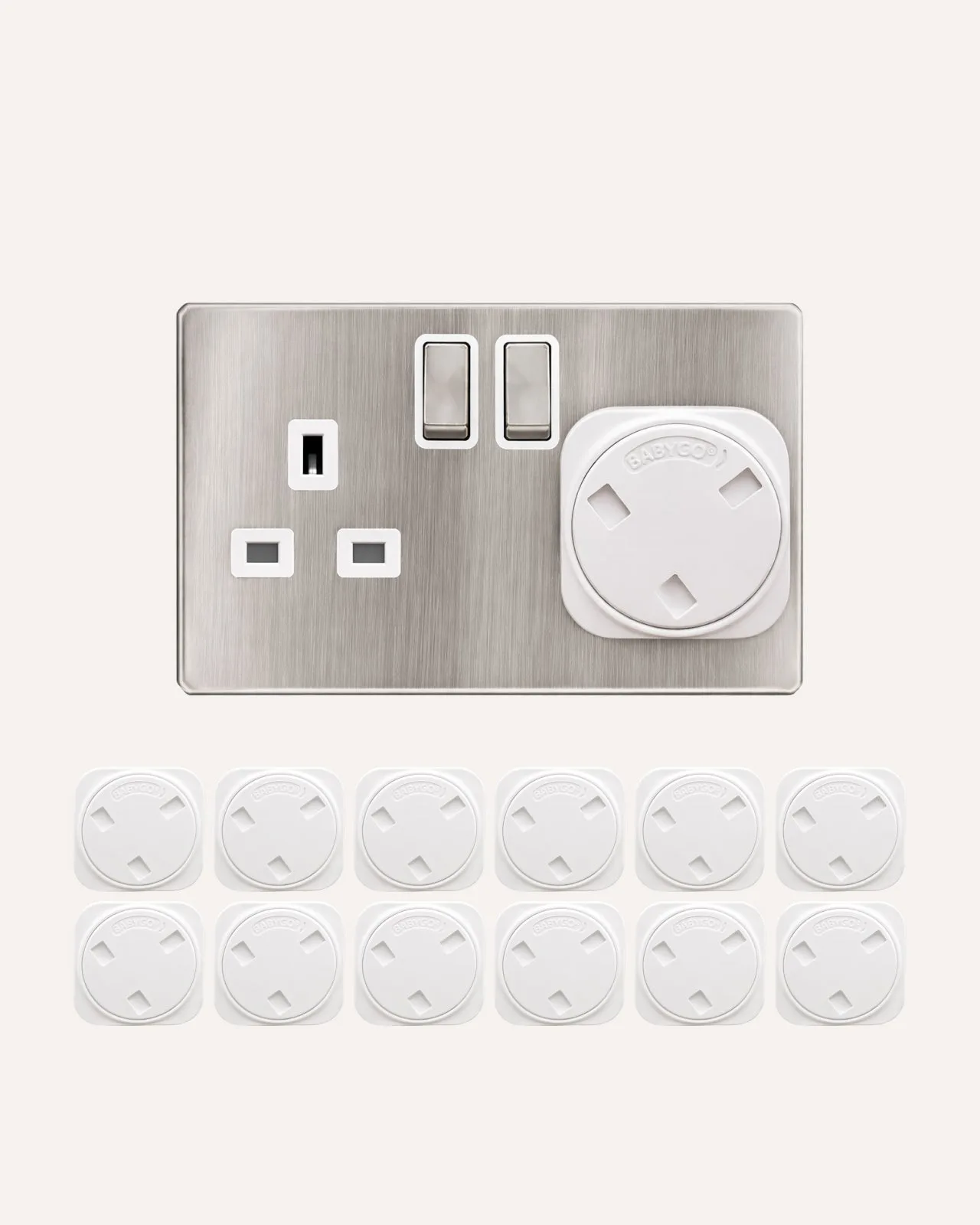
BABYGO® Plug Socket Covers
-
BABYGO® Plug Socket Covers: Designed to add an extra layer of safety around your home and help discourage little fingers from exploring places they shouldn't. This describes the intended role: a deterrent and an extra layer, not a substitute for supervision or other safety measures.
-
BABYGO® Plug Socket Covers: Quick and easy to fit, making them a simple addition to your baby proofing routine. Low installation effort means you are more likely to actually use them consistently, which matters more than the cover itself.
Where socket covers fit in a realistic baby-proofing routine
If you decide to use socket covers, place them where they will do the most good: sockets within reach of a crawling or toddling child. The supplied product details mention childproofing a nursery, living room or playroom, which is a sensible way to prioritize.
Keep the covers in perspective. They are one small item alongside other measures — such as keeping dangerous objects out of reach and supervising your baby around outlets — rather than a standalone solution. The product information does not describe any additional safety features, so do not assume capabilities beyond discouraging access.
A pack of 12 also makes it easy to keep spares on hand for when you move furniture or notice an uncovered socket. That practicality is the main argument in favor of buying them: low cost, low effort, and a modest extra layer.
What the supplied information does not confirm
The product record does not include compatibility details for specific socket types, care or cleaning instructions, or any independent safety certification. It also does not state a minimum age or developmental stage for use. If any of these details matter to your decision, check the packaging or ask the retailer before relying on the covers.
None of this makes the product a bad choice — it simply means you should judge it on what it is described to do: help discourage little fingers and add an extra layer of safety. For many families, that is enough to justify a small purchase. For others, it may be unnecessary. Either conclusion is reasonable when you base it on the evidence rather than on exaggerated claims.