Quick answer
No, you do not need sharp resin dice to play tabletop RPGs. Sharp edges change how a die feels in the hand and how it sits on the table, but they do not make a die more accurate or more legitimate. Choose sharp resin if you like crisp geometry and defined faces; choose rounded or acrylic dice if you want a softer roll, easier pickup, or a lower-risk table companion.
What "sharp edge" actually means on a resin die
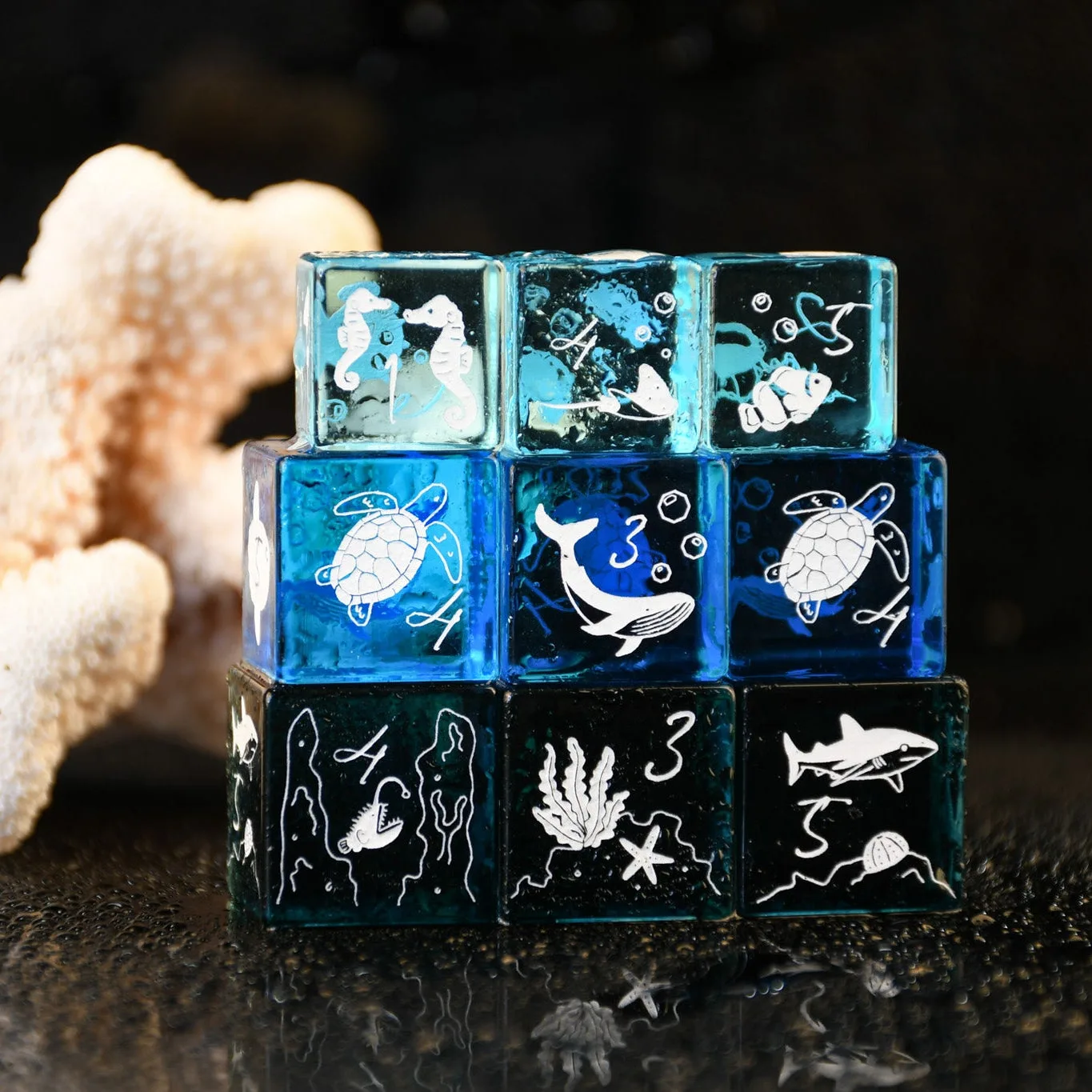
Sharp-edge resin dice are cast in molds that preserve the meeting point between two faces as a crisp line rather than a rounded bevel. That single production choice is the whole difference. It is not a grade, a certification, or a performance upgrade. A sharp die and a rounded die can be made from the same resin, poured into the same size, and painted with the same numbers.
Because the edge is the only variable, you can judge the tradeoff without any lab testing. A crisp edge gives the die a more architectural look and makes each face read as a distinct plane. A rounded edge softens that geometry, which many players find more comfortable to grip and less likely to catch on a felt mat or wooden table.
Rolling feel: what changes and what does not
Sharp edges tend to produce a livelier, more angular tumble. The die catches on its corners and changes direction rather than sliding to a stop. Rounded edges, by contrast, roll more smoothly and settle faster. Neither behavior is better; they are just different tactile experiences, and the one you prefer usually comes down to how much feedback you want in your hand.
What does not change is the randomness of a fair die. Edge shape is a cosmetic and tactile decision, not a fairness mechanism. If you are choosing a set for a long campaign, pick the feel you enjoy handling for four hours, not the one that sounds most technical.
Readability and table wear are the real tradeoffs
Contrast between the number and the face matters far more than edge sharpness for reading a result at a glance. A sharp die with low-contrast paint is harder to read than a rounded die with bold, high-contrast numbering. When you shop, look at the paint color against the resin color first, then decide on edge style.
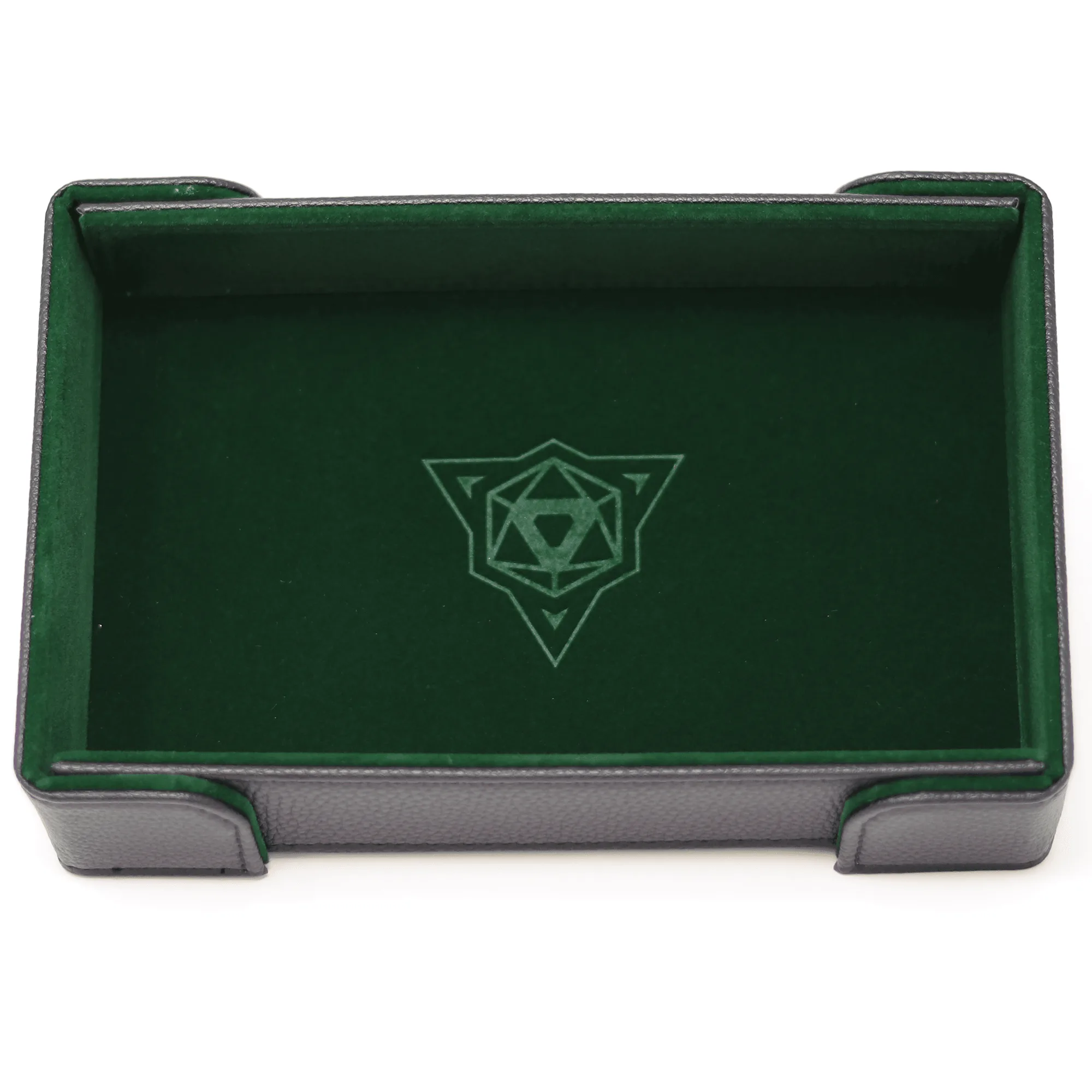
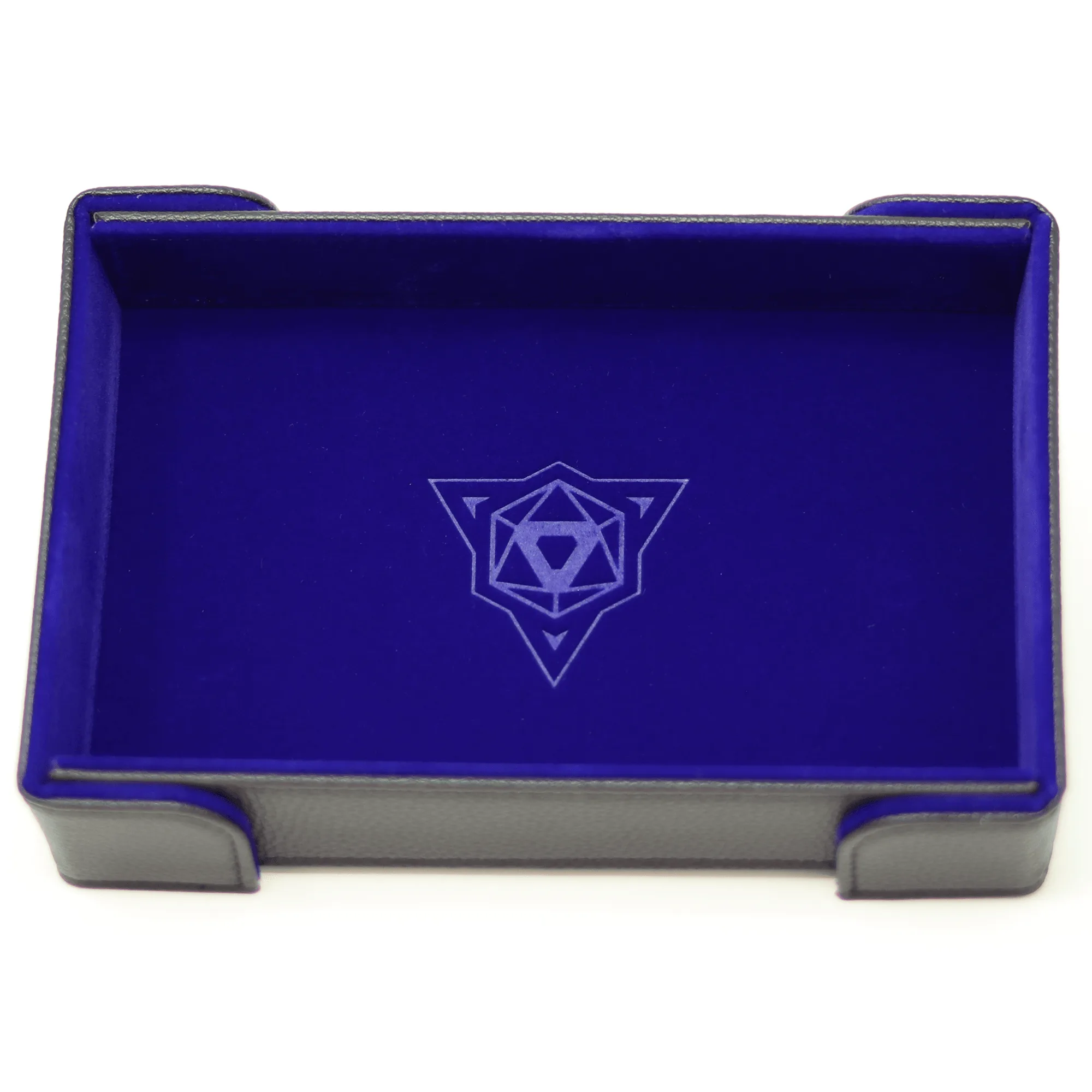
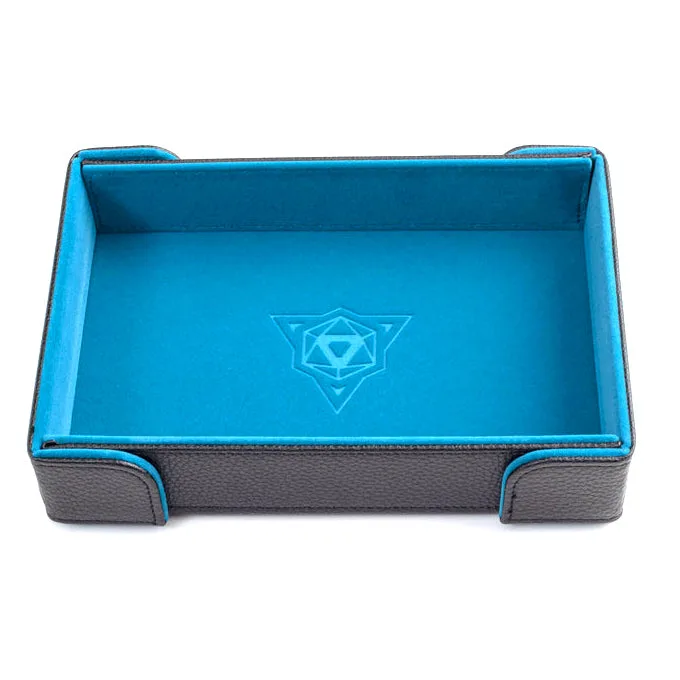
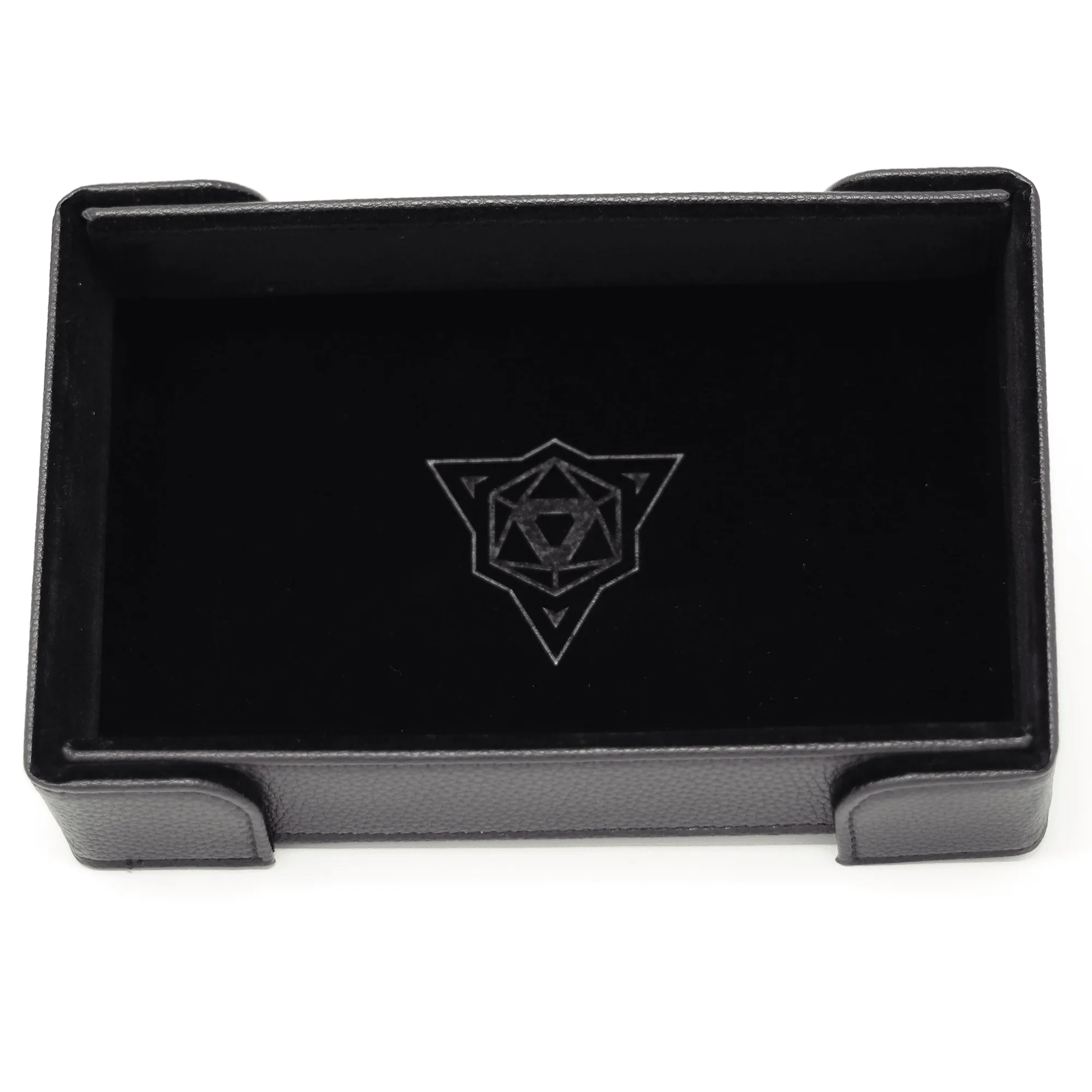
Sharp corners also concentrate force on a smaller contact point. On a bare wooden table or a thin mat, that means more wear on both the die and the surface over time. A felt-lined tray or a padded dice mat solves this cheaply, which is why most sharp-edge players keep one in their bag.
When a rounded acrylic or metal set is the better pick
If you roll on a shared table, travel with your dice loose in a bag, or hand dice to new players, rounded acrylic is the lower-maintenance choice. It is lighter, usually more affordable, and less likely to ding a table edge. For players who want a heavier, more authoritative roll, metal dice are the other direction entirely, and they bring their own considerations around weight and surface protection.
The practical answer is to own one set that matches your most common table situation rather than chasing a single "correct" edge style. Many players keep a sharp resin set for home games and a rounded acrylic set for conventions, travel, and loaner dice.
Verdicts on the sharp resin dice claims
- "Sharp resin dice roll more accurately.": Edge shape is a mold and finishing decision, not a fairness feature. A well-made rounded die and a well-made sharp die are both fair. Myth. Pick edge style for feel, not for accuracy.
- "Sharp edges are always harder to read.": Readability comes from paint contrast against the resin, not from the edge. Gold lettering on a dark swirl can read better than low-contrast paint on a crisp edge. Myth. Check the color pairing before the edge.
- "Sharp dice damage tables.": Concentrated corners do put more pressure on a small contact point, but a felt tray or padded mat removes most of that risk. Partly true. Buy a tray with the set.
- "You need sharp resin dice to be a serious player.": Acrylic and metal sets cover the same game functions. The right set is the one that fits your table, your hands, and your budget. Myth. Match the set to your situation.
Two sets that show the edge-style decision in practice
- 7pc RPG Set - Red and Blue Marble: Swirled red and blue acrylic, 7-piece set, standard 16mm size, numbers painted in gold. A rounded acrylic option at a low entry price. The gold-on-swirl contrast is the readability factor to check first, and 16mm is the familiar standard size most players already know.
- 7pc RPG Set - Mythica Battleworn Gold: Solid metal dice, die-cast non-toxic zinc alloy, with softened corners for improved rolling and kindness to tables. Shows the opposite approach to edge shape: deliberately softened corners plus metal heft. If you want a substantial roll without sharp points digging into a table, this is the tradeoff to weigh.
- 7pc RPG Set - Mythica Celestial Relic: Mythica metal set with a celestial relic theme and the same softened-corner construction as the Mythica line. A second metal option if the theme matters to your character. Same practical guidance applies: heavier roll, softened edges, and a dice tray is still worth packing.