Quick answer
Soap and warm water are enough for routine cleaning of non-motorized, waterproof toys, but they are not a sanitizer and can leave residue that irritates sensitive skin. A dedicated toy cleaner earns its place when you want no-rinse convenience, material-safe ingredients, or a reliable clean on toys you cannot soak. Use soap for maintenance, and keep a toy cleaner for sanitizing and for toys with motors, seams, or delicate surfaces.
What soap actually does well
Soap is a surfactant: it lifts oils, bodily fluids, and surface debris so water can rinse them away. For a waterproof silicone, glass, or stainless steel toy with no motor, that is a genuinely effective clean, and it costs nothing extra. The catch is what is in your soap. Bar soaps can leave a film, and heavily fragranced or antibacterial hand soaps may leave residues that irritate mucous membranes or degrade soft finishes over time. If you use soap, choose a mild, unscented, liquid formula, rinse thoroughly, and dry completely before storage.
Where soap falls short
Soap cleans; it does not sanitize. That distinction matters if a toy is shared, if you have had a recent infection, or if you are cleaning a toy that cannot be fully rinsed, such as one with a motor, a charging port, or a porous surface. Water alone also cannot reach into crevices, seams, or textured ridges the way a spray can. And because soap needs rinsing, it is awkward for toys that are not fully waterproof. This is the practical gap a toy cleaner is designed to close.
What a toy cleaner adds
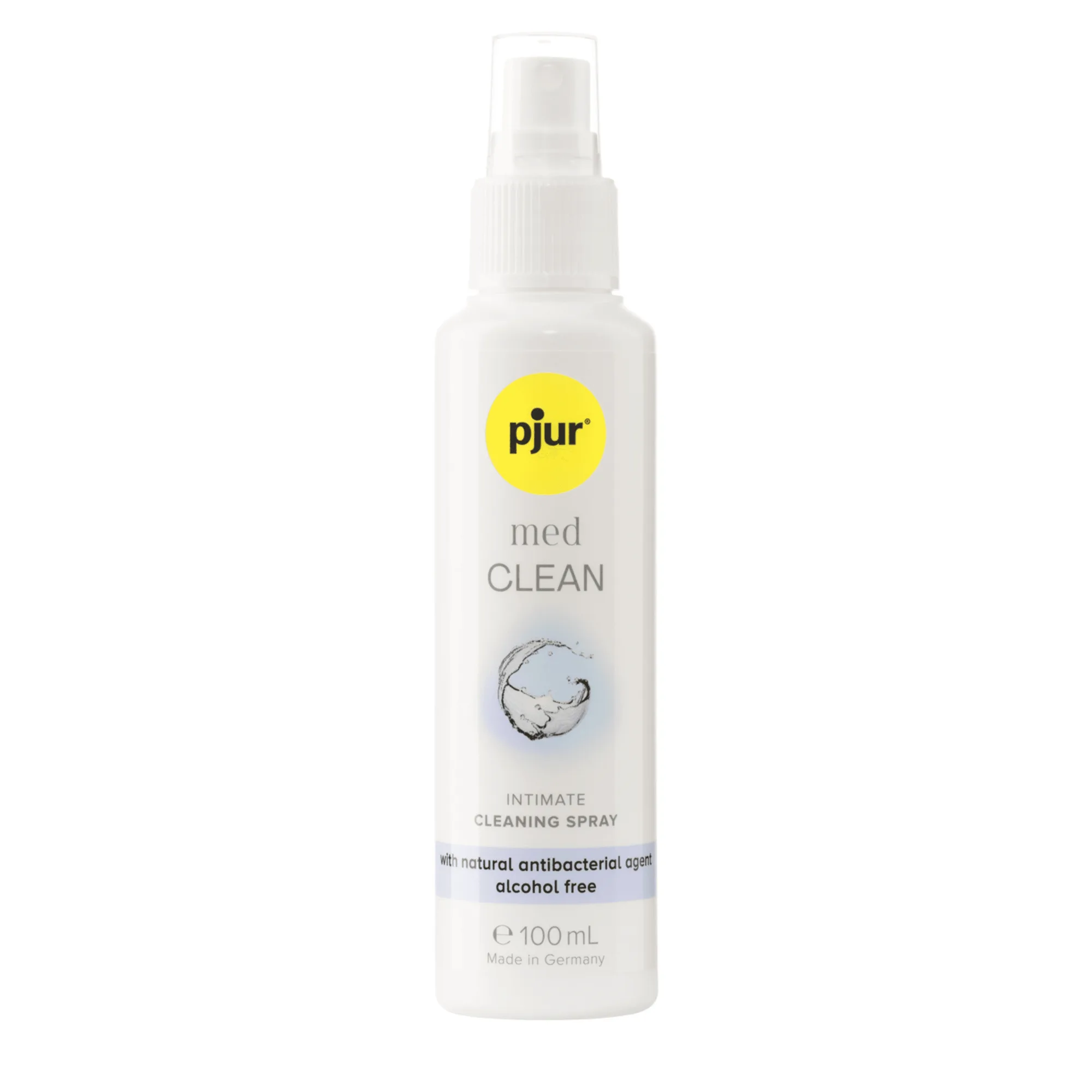
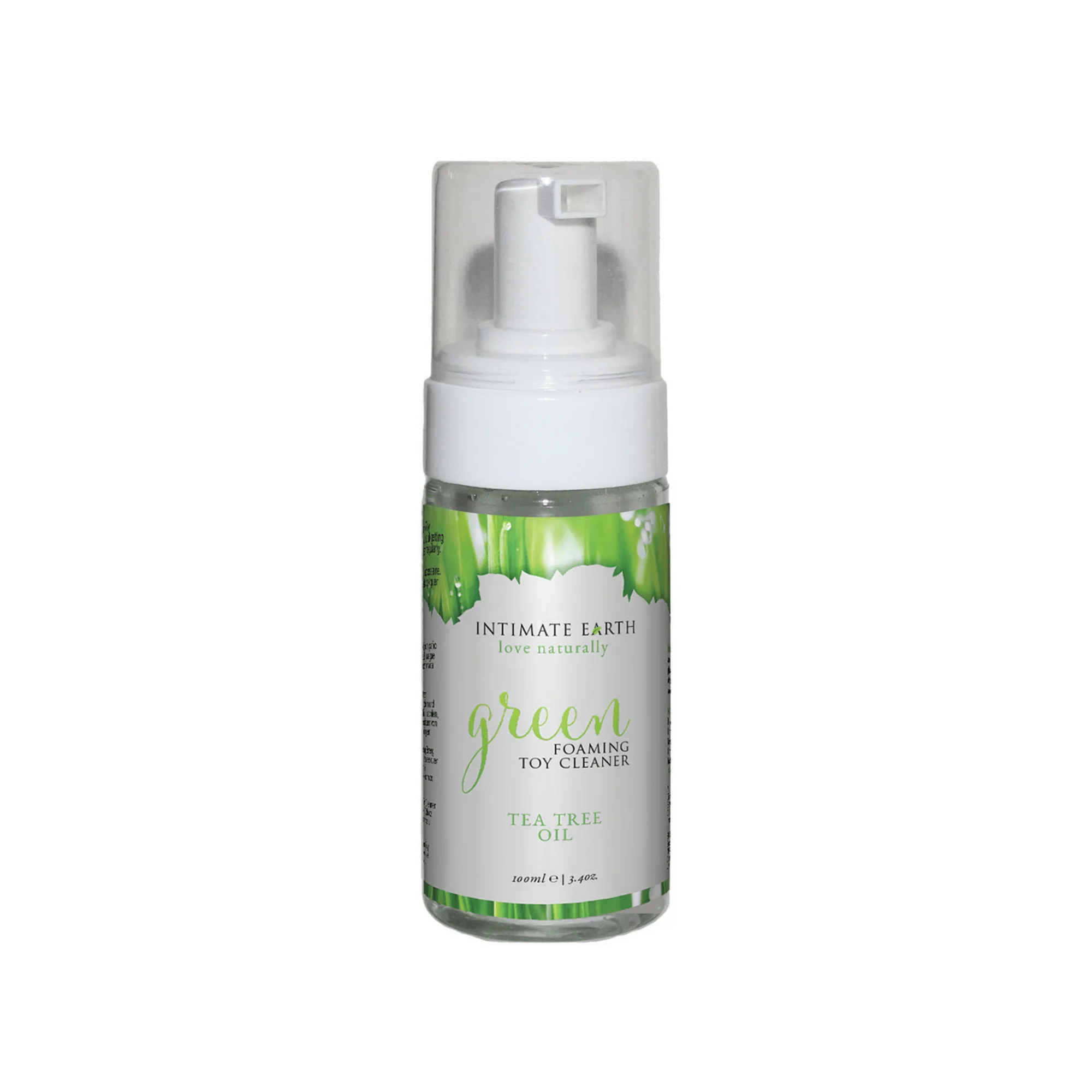
A good toy cleaner is formulated to be left on or lightly wiped, so it works on toys you cannot submerge. Look for ingredients that do the cleaning without harsh additives. Sliquid Shine Toy Cleaner, for example, uses tea tree oil and castor oil for their natural anti-bacterial and anti-fungal properties and is free of glycerine, parabens, alcohol, and triclosan. Intimate Earth Green Foaming Toy Cleaner uses tea tree oil, lavender oil, and guava bark, and is described as safe for plastic, silicone, glass, and stainless steel toys. Both are alcohol-free and triclosan-free, which matters if you want to avoid drying or degrading softer materials. The tradeoff is cost and packaging: you are paying for convenience and a more controlled formula, not for a magic extra level of clean.
How to clean silicone toys properly
Silicone is non-porous, which makes it one of the easiest materials to clean, but it also attracts lint and can hold residue if you use the wrong product. For everyday cleaning, warm water and a mild unscented soap are fine. For a deeper clean, spray a toy cleaner directly onto the surface, let it sit briefly, then rinse where the toy is waterproof and wipe dry. If the toy has a motor, avoid soaking it and clean around the seams with a cloth or spray rather than running it under a tap. Always check the manufacturer's guidance first, because waterproof ratings and motor designs vary.
When to skip soap and use cleaner only
Use cleaner alone when the toy is not fully waterproof, when you want a no-rinse solution, or when you are cleaning between uses and do not want to introduce soap residue. Use soap when the toy is waterproof, non-motorized, and you want a thorough rinse. If you are sharing a toy, clean it between users regardless of method, and consider a fresh condom as an additional barrier. No cleaner replaces common sense: dry thoroughly, store separately, and replace toys that show cracks, tackiness, or persistent odor.
Myths, verdicts, and what to do instead
- Myth: Soap sanitizes your toys: Soap removes debris and oils but does not sanitize. If you need to reduce bacteria, such as on a shared toy or after an infection, use a dedicated cleaner and follow its directions. Verdict: false. Clean with soap, sanitize with cleaner when it matters.
- Myth: Toy cleaner is just overpriced soap: Toy cleaners are formulated to be left on or lightly wiped, to avoid harsh additives, and to be safe on materials like silicone, glass, and stainless steel. That is a different job from body soap, which is designed to be rinsed off skin. Verdict: partly true on cost, false on function. You are paying for convenience and material safety.
- Myth: You can soak any toy to get it clean: Toys with motors, charging ports, or non-waterproof seams should not be submerged. Spray a cleaner onto a cloth or directly onto the surface and wipe instead. Verdict: false. Check the toy's waterproof rating before soaking.
- Myth: A quick rinse is enough between uses: A rinse removes some residue but not oils or bacteria. For toys used frequently, clean after every use and dry fully before storing to prevent odor and material breakdown. Verdict: false. Clean after each use, not just when it looks dirty.
Products that make cleaning easier
- Sliquid Shine Toy Cleaner: Sliquid Shine Toy Cleaner is infused with tea tree oil and castor oil, which have natural anti-bacterial and anti-fungal properties, and contains no glycerine, parabens, alcohol, or triclosan. A no-rinse spray option for toys you cannot soak, with ingredients chosen to be gentle on materials and skin.
- Intimate Earth Green Foaming Toy Cleaner: Intimate Earth Green Foaming Toy Cleaner is a 100ml formula with tea tree oil, lavender oil, and guava bark, described as safe for plastic, silicone, glass, and stainless steel toys, and is triclosan-free and alcohol-free. A foaming cleaner that covers the common toy materials and avoids alcohol, which can dry or degrade some surfaces.