Quick answer
No, you do not need a chandelier in every room. Most homes look better with two or three well-placed statement fixtures in the rooms where people gather, plus quieter lighting elsewhere. Put a chandelier where the ceiling is high enough, the fixture can hang clear of heads and doors, and the room has a reason to draw the eye upward.
A chandelier is a focal point, not a default. Treating it as a box to tick in every room usually leads to fixtures that are too small, hung too low, or fighting with the room's actual purpose. The better question is which rooms benefit from a statement fixture and which rooms are served by sconces, table lights, or recessed lighting.
This FAQ walks through the decisions room by room, using real examples from the Ameria Home catalog where they help. It also covers the honest tradeoffs: budget, ceiling height, maintenance, and the fact that some rooms simply do not need a chandelier at all.
Where does a chandelier actually earn its place?
Chandeliers work best in rooms with a clear center and enough ceiling height to hang a fixture without blocking sightlines or foot traffic. Dining rooms, entryways, and open living areas with a defined seating zone are the classic candidates. In these spaces, the chandelier does two jobs at once: it lights the room and it gives the eye a deliberate place to land.
Rooms with low ceilings, heavy overhead fans, or no central gathering point are weaker candidates. A hallway that people only pass through, a small bedroom, or a kitchen with a low soffit often looks better with wall fixtures or table lights than with a hanging centerpiece. The fixture should fit the room, not the other way around.
- Dining room: strong candidate, especially over a table.
- Entryway: strong candidate if the ceiling is high enough to hang clear.
- Primary bedroom: optional; sconces and table lights often work better.
- Small bathroom or hallway: usually skip the chandelier.
How do I decide room by room without overbuying?
Start with the rooms where you actually spend evening time together. A dining room, a living room, and an entryway cover most of the value. From there, add fixtures only where the room feels genuinely unfinished. If a room already has good ambient light and a clear focal point, a chandelier may add cost and visual noise rather than comfort.
Budget matters too. A single large statement piece often reads better than three mid-size fixtures spread thin. If you are choosing between one well-scaled chandelier and several smaller ones, the single fixture usually gives the stronger result in the room that matters most.
- List the rooms used after dark, then rank them by how often guests see them.
- Choose one or two statement rooms before adding secondary fixtures.
- Leave low-traffic rooms on simpler lighting.
What if my ceiling is low or the room is small?
Low ceilings do not automatically rule out a chandelier, but they change the type you should consider. A flush or semi-flush fixture, or a petite chandelier with a short drop, keeps clearance while still adding character. The key is hanging height: you need enough space below the fixture for people to move and see comfortably.
Small rooms can also use wall fixtures instead of a ceiling centerpiece. A pair of sconces flanking a bed, mirror, or artwork gives layered light without eating vertical space. This is often the more practical choice in bedrooms, powder rooms, and narrow hallways.
- Measure ceiling height and subtract the fixture drop before deciding.
- In small rooms, consider sconces or table lights before a chandelier.
- Petite chandeliers can work in small dining nooks and foyers.
Are there good chandelier alternatives for some rooms?
Yes. Wall sconces, table lamps, floor lamps, and well-placed recessed or track lighting can carry a room without a hanging fixture. Sconces are especially useful in bedrooms and hallways because they free up surface space and light the room at eye level rather than from above.
The tradeoff is that alternatives rarely create the same dramatic focal point. If the room's job is to impress, a chandelier still does that better. If the room's job is to be calm, functional, or compact, an alternative often wins.
- Sconces: best for bedrooms, hallways, and bathrooms.
- Table and floor lamps: best for reading nooks and living room corners.
- Recessed lighting: best for kitchens and utility spaces.
How many chandeliers is too many?
There is no fixed number, but visual competition is real. If two chandeliers are visible from the same seat, they compete for attention and can make a space feel busy. In open-plan homes, this is the most common mistake: a dining chandelier and a living room chandelier both in view, neither clearly dominant.
A practical rule is one statement fixture per sightline. If you can see two from where you sit, consider making one of them quieter, smaller, or a different fixture type. This keeps the room feeling intentional rather than crowded.
- Stand or sit where you spend the most time and look around.
- If two fixtures compete, reduce or replace one.
- Use matching fixtures only when they are meant to read as a pair.
What should I check before buying a chandelier?
Confirm ceiling height, the fixture's drop, the room's dimensions, and whether the fixture's style matches the room's existing hardware and decor. Also check the bulb count and type, because a fixture with many bulbs can be dimmed or brightened to suit the room, but it also means more bulbs to maintain.
If a specification is not listed on the product page, treat that as a decision limitation rather than guessing. Ask about dimensions, drop length, and bulb requirements before ordering, especially for large fixtures where returns are costly.
- Measure ceiling height and the fixture's total drop.
- Confirm bulb count and type before ordering.
- Check finish against door hardware and cabinet pulls.
FAQ at a glance
Do I need a chandelier in every room?
No. Most homes need two or three well-placed statement fixtures, not one in every room. Prioritize dining, entry, and main living areas first.
Where should I put a chandelier?
Rooms with enough ceiling height and a clear center: dining rooms, entryways, and defined living zones. Check hanging clearance before you buy.
What if a room is small or has a low ceiling?
Use a petite chandelier, a semi-flush fixture, or sconces instead of a full-size hanging piece. Match the fixture drop to the ceiling height.
What are the best alternatives?
Sconces, table lamps, floor lamps, and recessed lighting can carry a room without a chandelier. Choose alternatives when the room's job is calm and functional.
How many is too many?
If two chandeliers are visible from one seat, they compete. Keep one statement fixture per sightline. Make the second fixture quieter or smaller.
What should I confirm before ordering?
Ceiling height, fixture drop, bulb count and type, and finish compatibility. Ask for missing specifications rather than guessing.
Catalog examples that show the range
- harmony-b2421831279741a02e1c1153-2842366">Grand Harmony: A seven-piece ensemble in Bohemian crystal that blends classic artistry with contemporary craftsmanship. A multi-piece set suits a large room where one centerpiece needs to anchor the space.
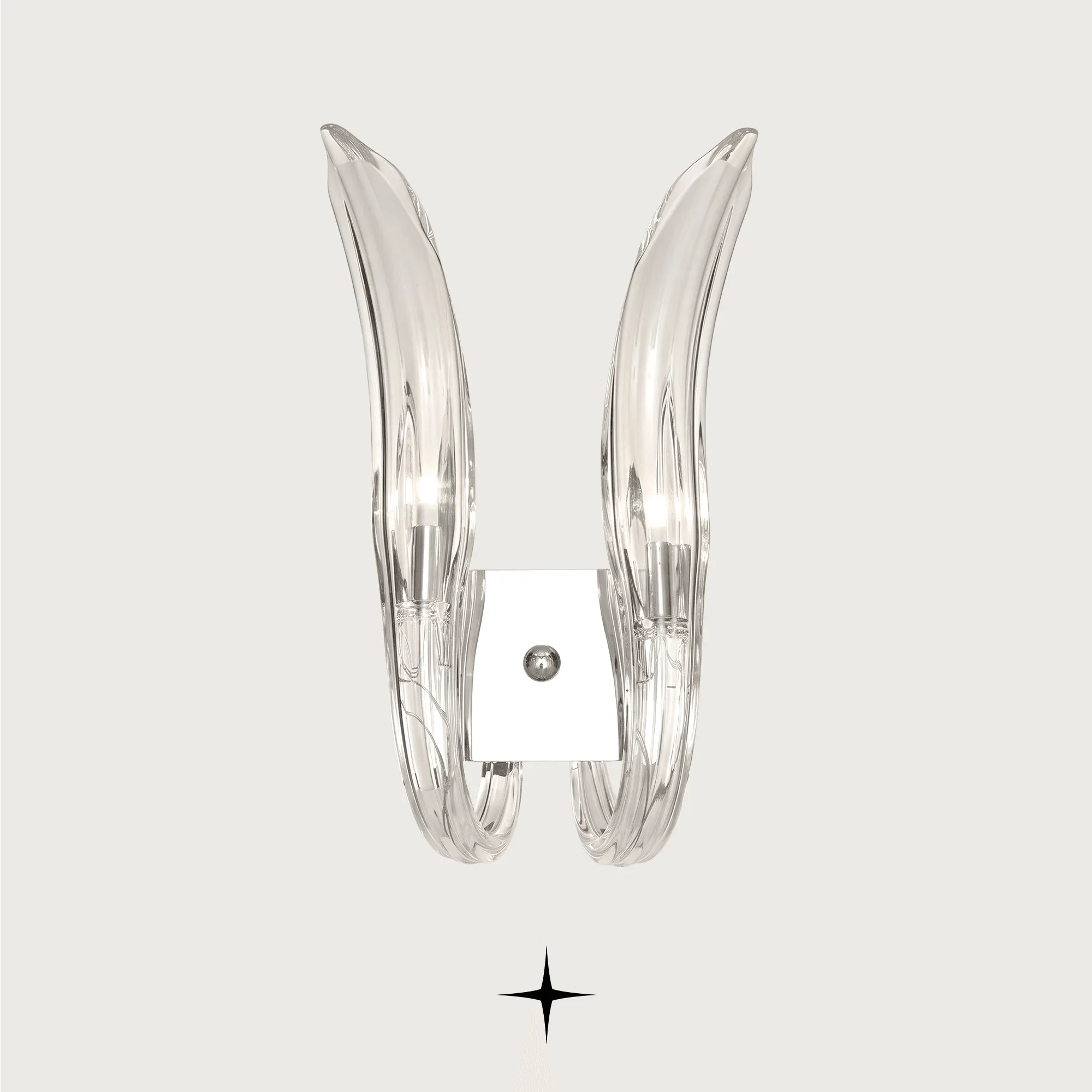
- Farah: Sleek, elongated crystal arms available as a chandelier or as wall fixtures. Useful when you want a coordinated look across a room without hanging a second chandelier.
- eliana-6f1afea1b1355df6e82665a8-2842519">Elegant Eliana: Chic, elongated white Bohemian crystal arms available in four chandelier sizes and a complementary wall lamp. A good option for smaller rooms or lower ceilings where a petite fixture and matching wall light solve the space.
- Shiraz Crystal Vine Round Brass Chandelier: A circular branch-like brass structure with cascading crystal droplets, suited to circular dining tables, living rooms, or grand entryways. Shows how a fixture's shape can be chosen to match a round table or an entryway sightline.
A chandelier is a design decision, not a requirement. Choose the rooms where it genuinely improves how the space looks and feels, use sconces or table lights where they work better, and confirm the practical details before you buy. That approach gives you a home that feels considered rather than crowded.


