Quick Answer
A doctor kit wins for easing checkup fears and building empathy through caregiving role play, while a grocery store playset wins for language, sorting, and early math through shopping and stocking. If your child is anxious about appointments, pick the doctor kit. If they love organizing, counting, and running a shop, pick the grocery store playset. For a toddler with room to grow, either works—just match it to the play pattern you see most.
How the Two Play Patterns Differ
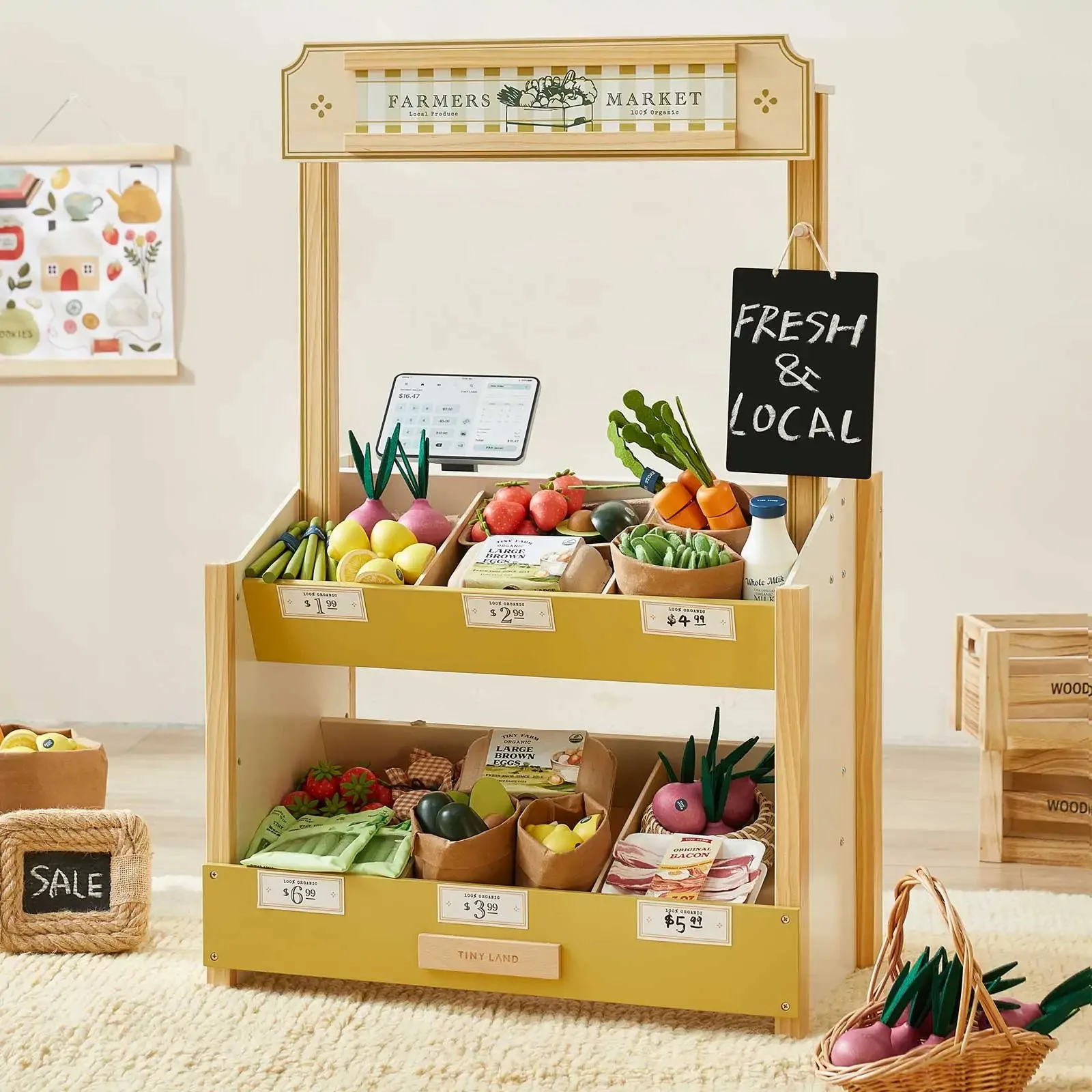
Doctor kit play is intimate and narrative. Your child takes on the expert role, examines a stuffed animal or you, and practices gentle touch, turn-taking, and sequencing. That repetition is what makes kids doctor kit benefits show up at real appointments: the toy becomes a rehearsal space. Grocery store playset play is social and transactional. Your child sorts, stacks, scans, and hands over items, which naturally pulls in vocabulary, categorization, and simple counting. The trade-off is focus: doctor kits tend to hold one or two children in deep pretend, while grocery setups invite parallel and group play but need more resetting between sessions.
Skill Building, Side by Side
Both are role play toys for toddlers, but they stretch different muscles. Doctor kits lean into empathy, language for body parts and feelings, and comfort with unfamiliar routines. Grocery store playsets lean into executive function: planning a list, sorting by category, and handling pretend money or exchanges. If you want a single which pretend play toy answer, ask what your child needs more practice with—naming feelings or organizing a sequence. Neither is academically superior; they simply practice different skills.
Space, Setup, and Reset
A doctor kit is compact. It lives in a bag or bin, travels to grandma's house, and cleans up in under a minute. A grocery store playset is a destination. It needs shelf space, a counter or table, and enough floor room for a basket or cart. That footprint is the hidden cost. If your play area doubles as a living room, the doctor kit wins on daily practicality. If you have a dedicated corner and don't mind a five-minute reset, the grocery setup rewards that investment with longer, busier play sessions.
When to Choose Both
Many families eventually add both because the play patterns complement each other. A child who practices a checkup on a stuffed bear can then 'shop' for pretend groceries to bring home. If you're building a pretend play collection, start with the one that matches your child's current obsession, then add the other at a birthday or holiday. Avoid buying both at once; rotating toys in and out keeps each one feeling new and prevents overwhelm.
Trade-Offs at a Glance
- Doctor kit: emotional rehearsal vs. narrow play loop: A doctor kit excels at preparing kids for checkups and practicing gentle care, but the scenario can feel repetitive after a few weeks unless you rotate in new 'patients' or storylines. Choose this if your child is working through medical anxiety or loves caretaking roles.
- Grocery store playset: language and math vs. space and reset time: A grocery store playset naturally builds vocabulary, sorting, and counting, but it needs a dedicated spot and regular tidying to stay usable. Choose this if you have a play corner and your child enjoys organizing and exchanging.
- Both: richer play vs. higher cost and clutter: Combining the two creates a full pretend neighborhood—clinic to market to kitchen—but doubles the storage and initial spend. Start with one, then add the second only after you see which pattern sticks.
Tiny Land Options That Support Either Choice
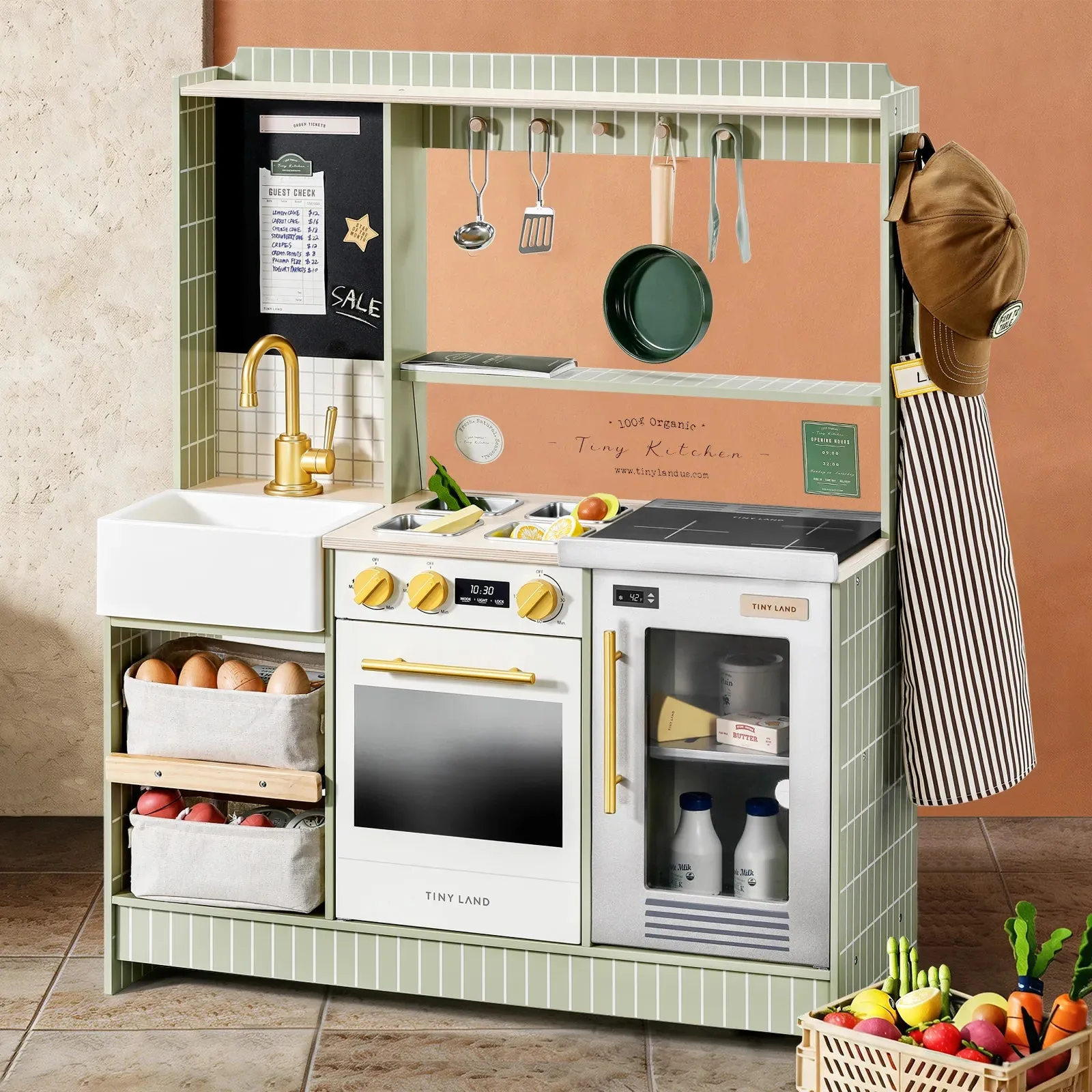
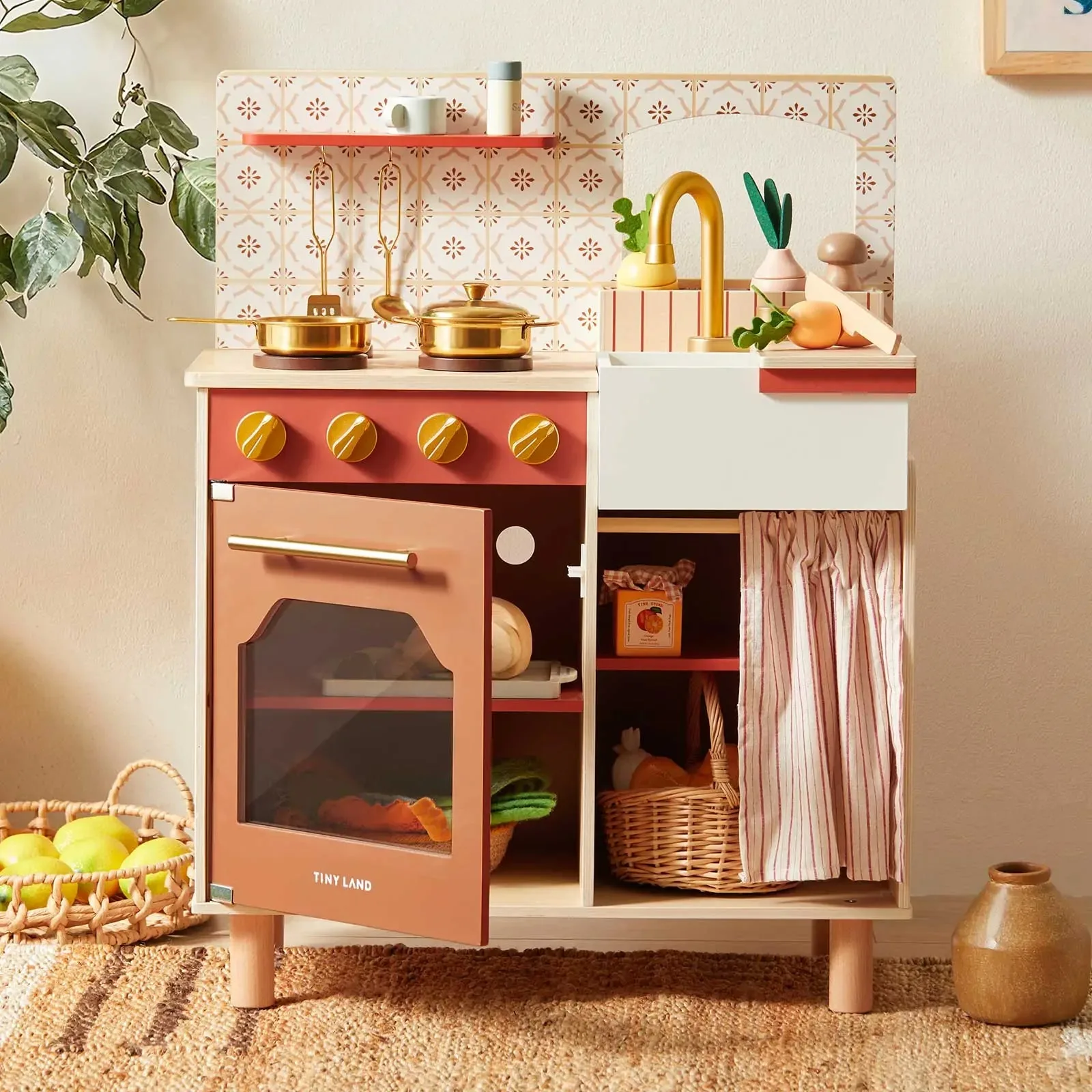
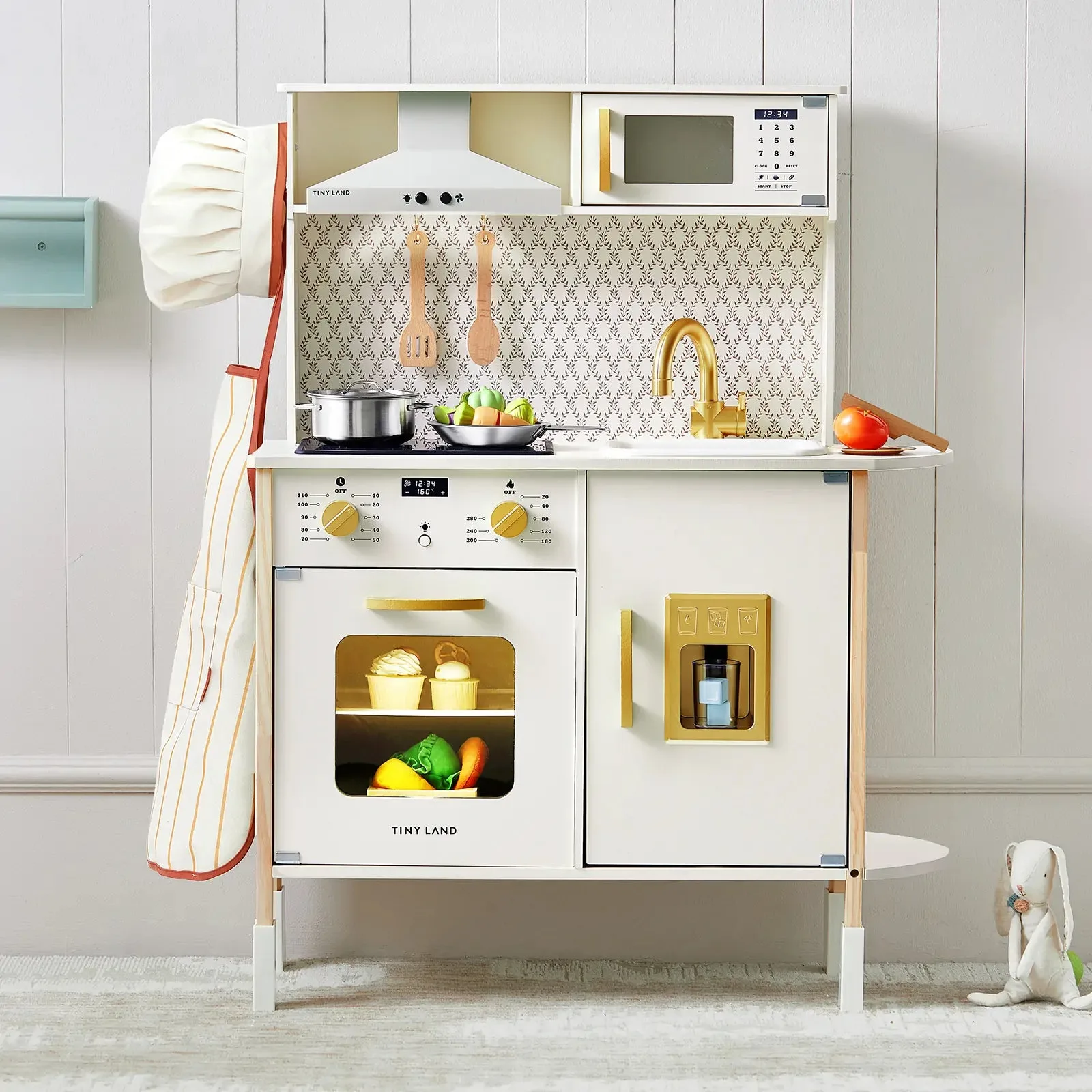
- Tiny Land® Play Kitchen Accessories – Play Food for Play Kitchen: Wooden Cut and Play Food Toys: Tiny Land® Play Kitchen Accessories – Play Food for Play Kitchen includes a kid-safe toy knife, sturdy cutting board, and a colorful variety of fruits and vegetables. If you choose a grocery store playset, this set supplies the sortable, cuttable items that make stocking and shopping pretend play concrete.
- Tiny Land® Mud Kitchen - DuoPlay Outdoor Play Kitchen for Kids: Tiny Land® Mud Kitchen - DuoPlay Outdoor Play Kitchen for Kids features a 4L water tank with a real working pump and is designed for hands-on outdoor cooking, water play, and sensory fun. For families who want the grocery-to-kitchen loop outdoors, this extends pretend play beyond the living room and adds water-based sensory input.
Which Should You Pick?
Best for
- Children who are anxious about doctor visits or love playing caretaker
- Families with limited play space who need a portable, quick-cleanup toy
- Kids who enjoy narrative, one-on-one pretend play with a parent or stuffed animal
Not for
- Children who prefer busy, social play with lots of sorting and exchanging
- Families who want a toy that naturally involves counting and categorization
- Homes with a dedicated play area ready for a larger, semi-permanent setup