If you’ve noticed more hair in your brush or a widening part, you might be wondering what’s behind it. While genetics, stress, and diet often take the blame, there’s another culprit that flies under the radar: hard water. Millions of households across the globe rely on hard water, which is rich in minerals like calcium and magnesium. But could these everyday minerals actually be contributing to hair thinning? The answer is more nuanced than a simple yes or no, and understanding the connection can help you take proactive steps to protect your hair.
Hard water doesn’t directly cause permanent hair loss, but it can create a cascade of scalp and hair issues that mimic or accelerate thinning. From mineral buildup that weakens strands to scalp inflammation that disrupts the growth cycle, the effects are real. In this article, we’ll break down the science behind hard water and hair thinning, share practical tips, and introduce targeted solutions like the Full Control Anti-Thinning Scalp Serum and the Full Cover Anti-Thinning Hard Water Shampoo to help you maintain a healthy, full head of hair.
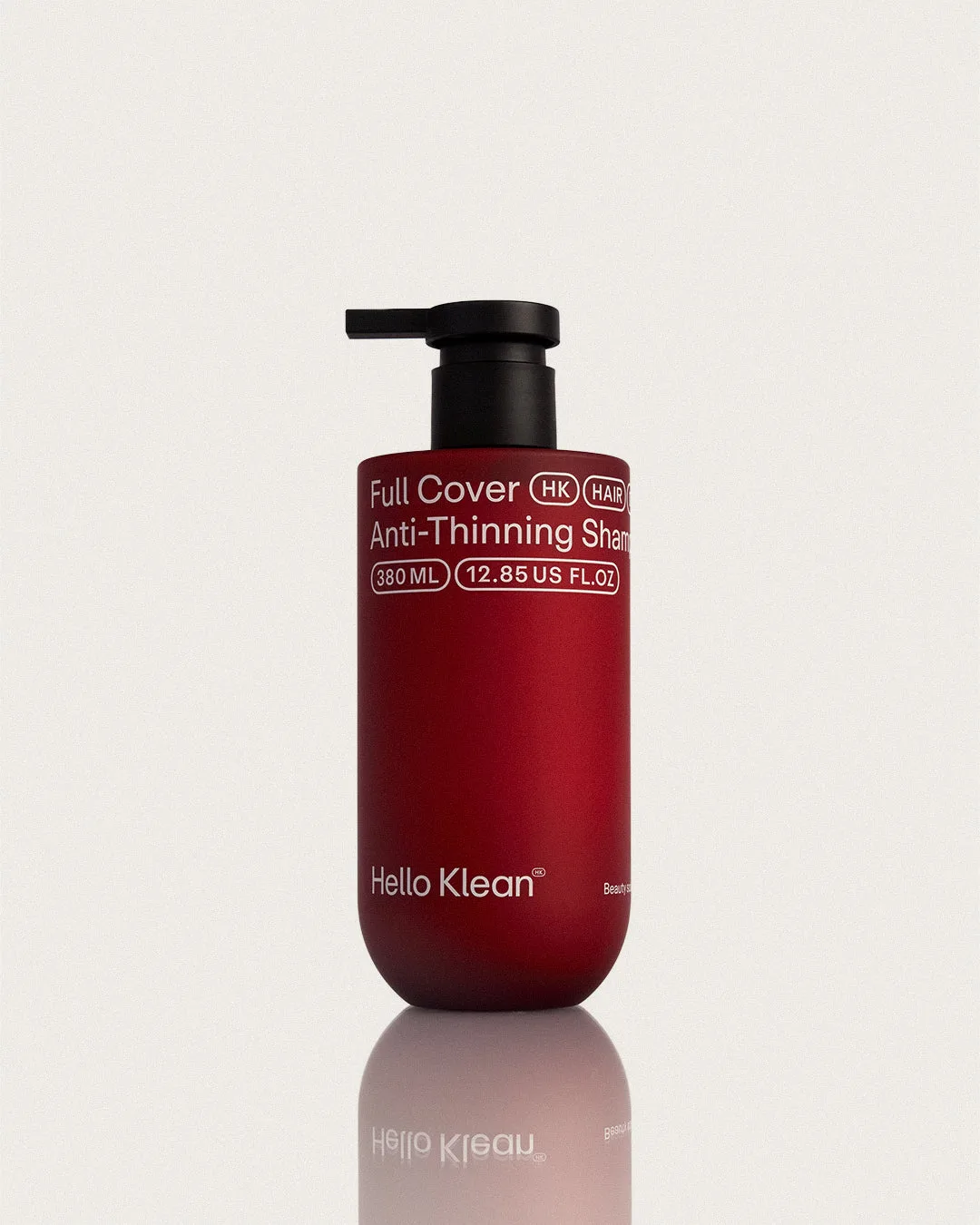
Full Cover Anti-Thinning Hard Water Shampoo
How Hard Water Affects Your Scalp and Hair Follicles
Hard water contains dissolved calcium and magnesium carbonates. When you shower, these minerals cling to your scalp and hair, forming a stubborn film. Over time, this buildup can clog hair follicles—the tiny openings from which each strand grows. Clogged follicles can become inflamed, a condition sometimes called folliculitis, which disrupts the normal hair growth cycle. Instead of growing long and strong, hair may shed prematurely or fail to regrow at the same rate.
Additionally, the alkaline nature of hard water can strip away the scalp’s natural protective oils, leaving it dry, itchy, and irritated. A compromised scalp environment is less able to support healthy hair growth. Studies have shown that chronic scalp inflammation can lead to a condition known as telogen effluvium, where a large number of hairs enter the resting phase and fall out. While this is often reversible, it can be alarming and may contribute to the perception of thinning hair.
- Mineral buildup can clog hair follicles and cause inflammation.
- Hard water’s alkalinity strips natural oils, leading to a dry, irritated scalp.
- Chronic scalp issues may trigger temporary hair shedding (telogen effluvium).
Mineral Buildup Weakens Hair Strands
Beyond the scalp, hard water directly impacts the hair shaft. The minerals in hard water bind to the hair’s cuticle—the protective outer layer—making it rough and raised. This raises the hair’s porosity, which means it absorbs and loses moisture more easily. Over time, the cuticle becomes damaged, leading to brittle, breakage-prone hair. While breakage isn’t the same as thinning from the root, it can make hair look noticeably less dense and voluminous.
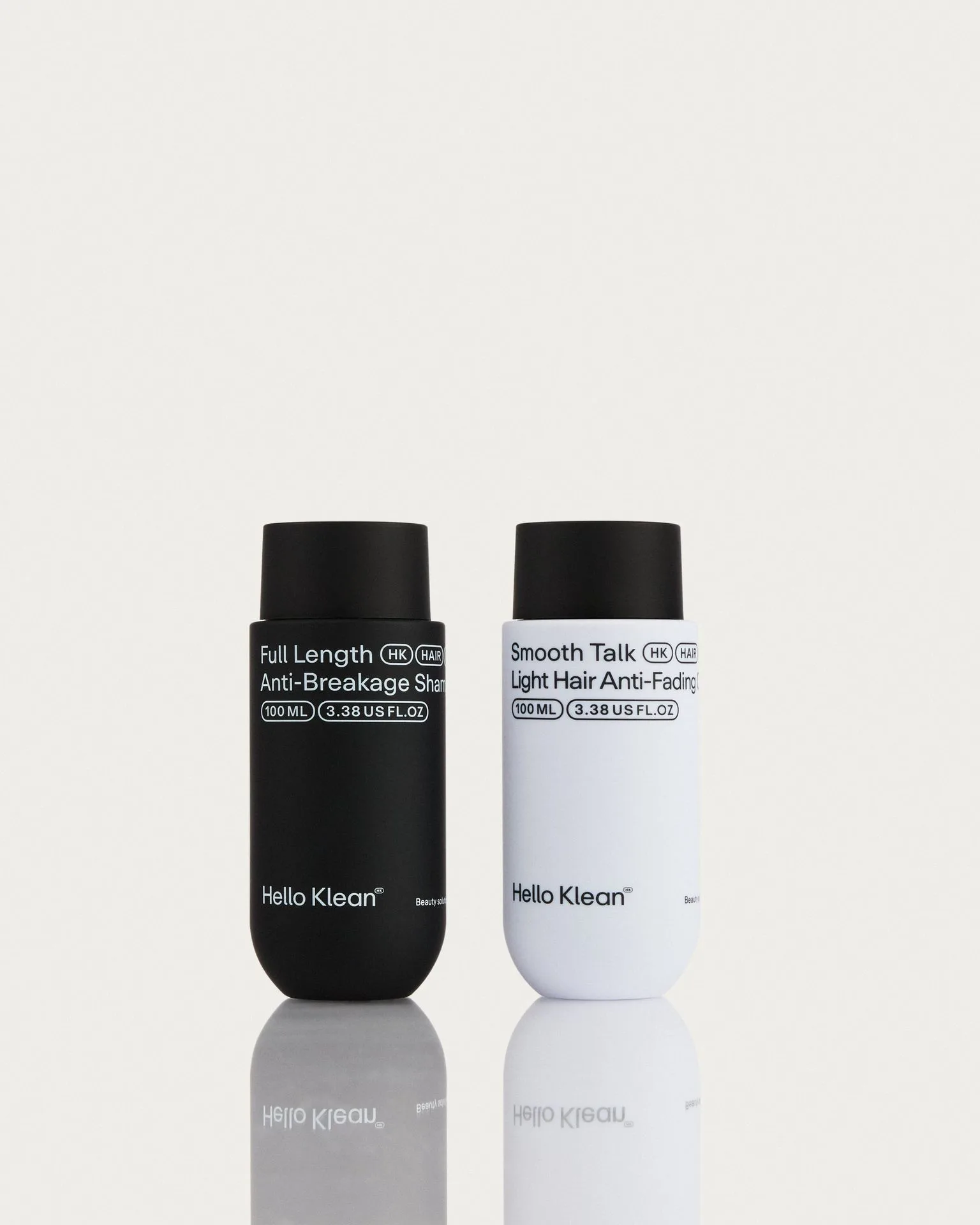
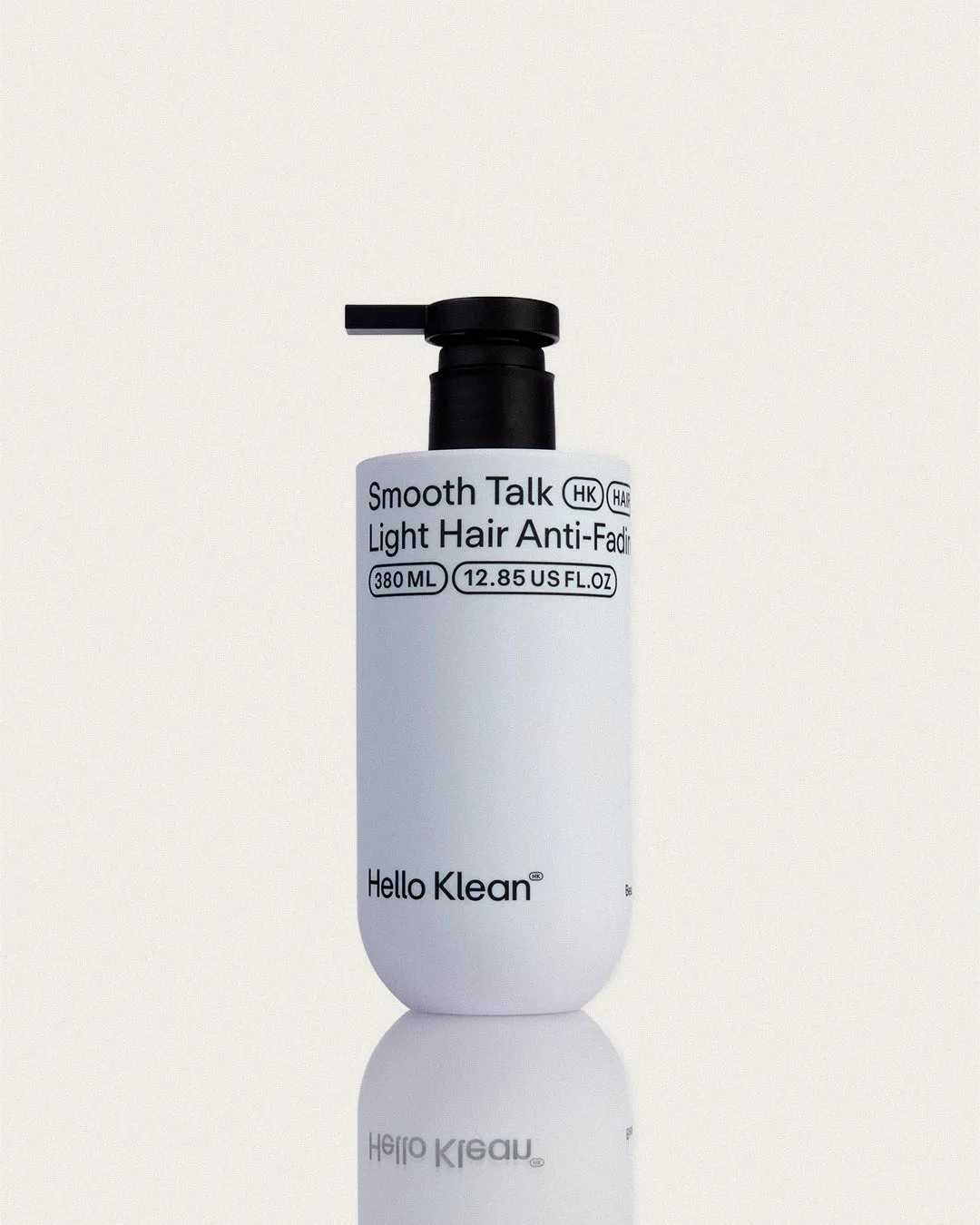
For those with color-treated or chemically processed hair, the effect is even more pronounced. The mineral buildup can cause color to fade faster and leave hair feeling straw-like. This is why many people report that their hair feels heavier, duller, and harder to manage after washing with hard water. The good news is that using a clarifying routine and a filter can help. Products like the Smooth Talk Anti-Fading Light Hair Conditioner are designed to gently moisturize without adding weight, helping to counteract the drying effects of hard water.
- Minerals raise the hair cuticle, increasing porosity and breakage.
- Breakage from hard water can mimic hair thinning and reduce volume.
- Color-treated hair is especially vulnerable to mineral damage.
Can Hard Water Cause Permanent Hair Loss?
The short answer is no—hard water alone is not a direct cause of permanent hair loss conditions like androgenetic alopecia (pattern baldness). However, it can exacerbate existing issues. If you already have a genetic predisposition to thinning, the added stress of a mineral-clogged scalp and brittle strands can accelerate the process. Furthermore, the inflammation caused by hard water can worsen conditions like seborrheic dermatitis or psoriasis, which are linked to hair shedding.
It’s also important to distinguish between hair shedding and true hair loss. Shedding is temporary and often reversible once the underlying cause—such as hard water buildup—is addressed. True hair loss involves the miniaturization of hair follicles, which is usually genetic. That said, minimizing hard water’s impact is a smart strategy for anyone concerned about hair health. A shower filter can reduce mineral content, and targeted products can support the scalp and follicles.
- Hard water does not cause permanent pattern baldness.
- It can worsen genetic thinning and trigger temporary shedding.
- Reducing mineral exposure helps create a healthier scalp environment.
Signs That Hard Water May Be Affecting Your Hair
How can you tell if hard water is the culprit behind your hair concerns? Look for these common signs: hair that feels dry, tangled, or sticky even after washing; a dull or filmy appearance; an itchy or flaky scalp; and increased breakage or shedding. You might also notice that your shampoo doesn’t lather as well, or that your hair color fades faster than usual.
If you live in an area with known hard water—often indicated by white scale on faucets or shower doors—it’s worth investigating. A simple at-home test can measure water hardness. If the results show high levels of calcium or magnesium, it’s time to take action. The first step is often installing a shower filter, such as the https://trutoolai.com/products/hello-klean-shower-head-plus-175089Hello Klean Shower Head Plus, which reduces mineral content and chlorine, two common irritants for hair and skin.
- Dry, sticky, or dull hair after washing may signal hard water buildup.
- Itchy or flaky scalp can be a sign of mineral irritation.
- Check for white scale on fixtures as a clue to water hardness.
Effective Solutions to Combat Hard Water Hair Thinning
Addressing hard water’s effects on hair involves a two-pronged approach: reducing mineral exposure and supporting scalp health. Installing a shower filter is the most direct way to lower the mineral load in your water. The Hello Klean Shower Head Plus uses a multi-stage filtration system to remove sediment, chlorine, and heavy metals, leaving water softer and gentler on hair. For ongoing maintenance, replacing the filter capsule every few months is key.
On the product front, look for shampoos and treatments that target mineral buildup and scalp inflammation. The Full Cover Anti-Thinning Hard Water Shampoo is formulated with chelating agents that help remove mineral deposits while strengthening hair from the root. Pair it with the Full Control Anti-Thinning Scalp Serum, which delivers active ingredients directly to the scalp to soothe irritation and support the hair growth cycle. Together, these products create a comprehensive defense against hard water’s damaging effects.
- A shower filter reduces minerals and chlorine on contact.
- Chelating shampoos help remove existing buildup without stripping.
- Scalp serums can calm inflammation and nourish follicles.
Hard water may not be the sole cause of hair thinning, but its role in scalp irritation, mineral buildup, and strand breakage is undeniable. By understanding how hard water affects your hair and taking proactive steps—like installing a filter and using targeted treatments—you can minimize its impact and support healthier, fuller-looking hair. Start your journey by exploring the Full Cover Anti-Thinning Hard Water Shampoo, designed to gently cleanse and protect against hard water damage, giving your hair the fresh start it deserves.