What the Ingredients Suggest About Scar Fading
When you search for natural scar remedies, rosehip oil often appears at the top of the list. The reasoning is grounded in its composition. Fushi Wellbeing Organic Rosehip Oil is packed with antioxidants like Vitamin C, Vitamin E, and beta-carotene, which help combat free radicals and oxidative stress—factors that can slow skin repair.
More notably, rosehip oil is rich in natural retinoids, derivatives of Vitamin A. Retinoids are widely recognized for stimulating collagen production and encouraging skin cell turnover. In theory, this could help smooth the texture of scarred skin and reduce the appearance of hyperpigmentation over time.
Evidence at a Glance: Fushi Organic Rosehip Oil
-
Fushi Wellbeing | Organic Rosehip Oil - 100ml: Rich in natural retinoids, derivatives of Vitamin A, it also stimulates collagen production for healthier, more radiant skin. Collagen production is a key mechanism for improving scar texture and firmness, making this ingredient profile relevant for scar fading.
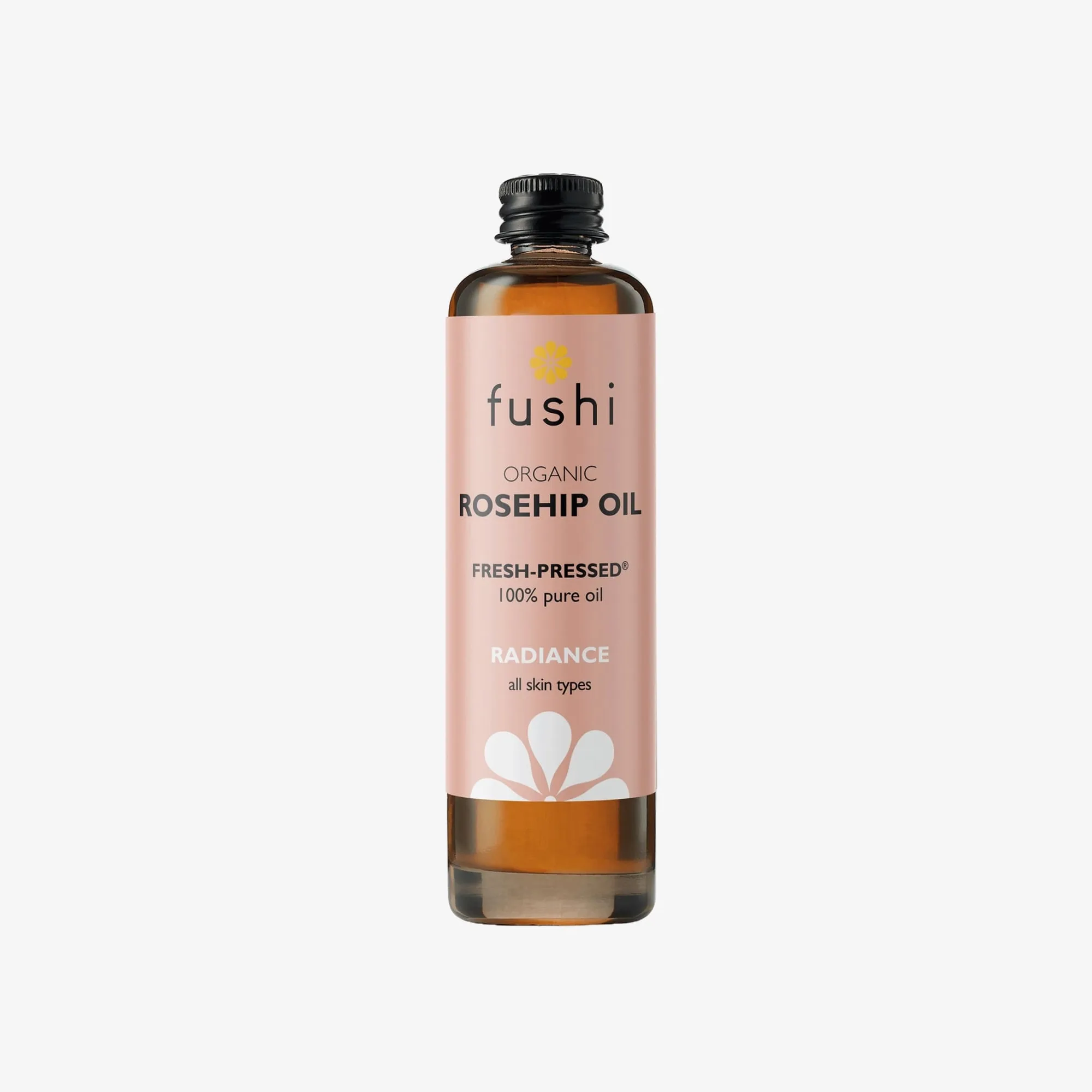
Fushi Wellbeing | Organic Rosehip Oil - 100ml
-
Fushi Wellbeing | Organic Rosehip Oil - 100ml: This nourishing oil helps combat free radicals and oxidative stress, smooths fine lines, targets hyperpigmentation, calms blemishes and acne, reduces scarring, and hydrates dry scalps. The claim of reducing scarring is directly stated, along with targeting hyperpigmentation, which is a common concern with healed scars.
-
Fushi Wellbeing | Organic Rosehip Oil - 100ml: 100% pure, organic Rosehip oil Purity means no added fragrances, preservatives, or chemicals that could irritate healing skin—an important factor when applying to scarred areas.
Realistic Expectations for Scar Fading
While the ingredients in organic rosehip oil are promising, it's important to understand what a skincare oil can and cannot do. Scar fading is a gradual process that depends on scar type, age, and individual skin response. Rosehip oil is most likely to help with newer scars, especially those from acne or minor injuries, where the skin is still actively remodeling.
The supplied information does not include specific clinical studies, application frequency, or timelines for results. So while the oil is formulated to support scar reduction, how quickly or noticeably it works will vary. Consistency over weeks to months is typical, and results are often subtle—smoother texture and less redness rather than complete disappearance.
How to Use Rosehip Oil for Scars
For best results, apply a few drops of Fushi Organic Rosehip Oil directly to clean, damp skin over the scarred area. Gently massage until absorbed. The oil can be used once or twice daily, but the supplied evidence does not specify an exact frequency or waiting period. Follow the product's own instructions for your skin type.
Because it is free from fragrances, preservatives, and additives, it is generally well-tolerated, but a patch test on a small area of skin is always wise before full use.
The Bottom Line on Rosehip Oil for Scars
Organic rosehip oil, like Fushi's, has a strong ingredient profile for supporting scar fading—natural retinoids, antioxidants, and moisturizing fatty acids. The product itself lists reducing scarring as one of its benefits. However, without supplied clinical data or usage protocols, it's best viewed as a supportive skincare step rather than a medical treatment.
For those looking to improve the appearance of scars with a natural, gentle oil, it's a reasonable option. Just keep expectations realistic and give it time.