Quick answer
Plan on two coats for almost every interior paint job. One coat can look convincing while wet, then dry patchy, especially over repairs or a color change. Primer is a prep step, not a finish coat, and a paint-and-primer-in-one still behaves like paint. Judge your coats by what the wall looks like once dry, not by the label.
Why the second coat changes what you see
The first coat soaks into the surface and seals it. The second coat is what builds the color you actually chose. That is why a wall can look fully covered at 4 p.m. and show streaks the next morning, particularly near windows where light rakes across the surface. Sheen makes this more obvious: a low-sheen eggshell finish hides minor unevenness better than a glossier trim finish, but it still will not hide a thin first coat.
The practical test is simple. Let the first coat dry completely, then look at the wall from an angle with the room lights on and again in daylight. If you can see the previous color, roller marks, or repaired spots, you need the second coat. Do not try to fix it by loading more paint onto one pass; that leaves ridges and drips.
Where one coat can genuinely work
One coat is realistic in a narrow set of situations: refreshing the exact same color on a clean, previously painted wall in good condition, or touching up a small area that already matches. Even then, the finish matters. A washable eggshell wall finish tolerates a single maintenance coat better than a semi-gloss trim finish, where sheen differences between old and new paint show up quickly.
If you are changing color, going lighter, or covering a repair, treat one coat as a first step rather than a finished job. The same applies when you switch finishes, because the way light reflects off the wall changes and any thin spots become visible.
Primer myths that cost you a coat
Primer does not replace paint. It creates a uniform surface so your topcoat can do its job, and it blocks stains and seals porous areas. A paint-and-primer-in-one product is still a paint; the primer component helps with adhesion and coverage, but it does not remove the need for a second coat on a color change or a repaired wall.
The reverse myth is also worth retiring: you do not need a separate primer on every wall. Clean, sound, previously painted surfaces in a similar color often go straight to paint. Primer earns its place over bare drywall, patched areas, glossy surfaces, and strong color shifts.
How color choice affects your coat count
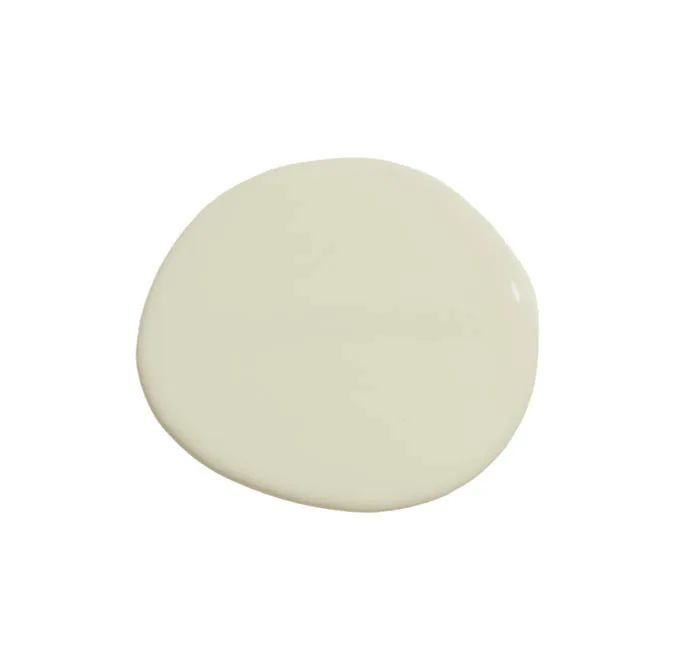
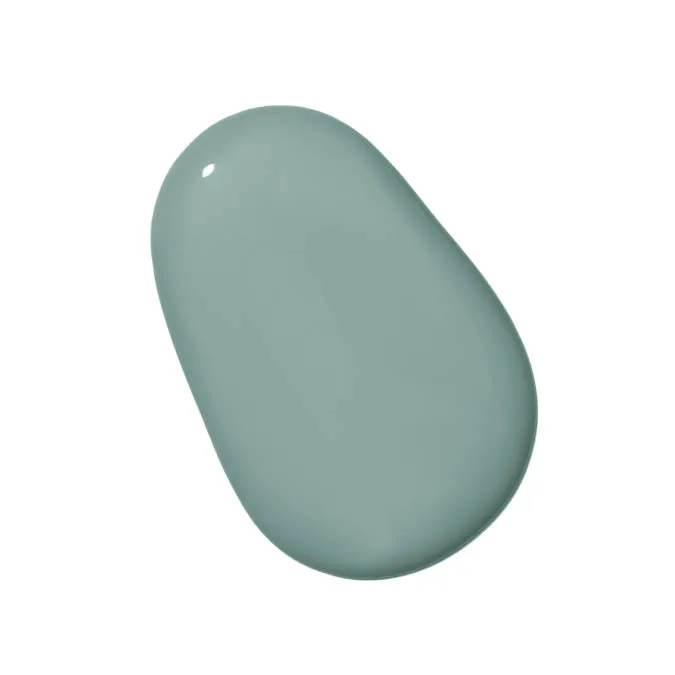
Coverage is not only about paint quality; it is about the gap between your old color and your new one. Soft, understated shades that sit close to a neutral hide transition better than saturated colors. A barely-there green like Greenish is designed to act as a neutral with a subtle twist, which makes it a forgiving choice when you are painting over a similar light tone. A serene greenish blue such as Make Waves shifts with natural light, so it can look different wall to wall; that is a reason to check it dry before deciding you are done.
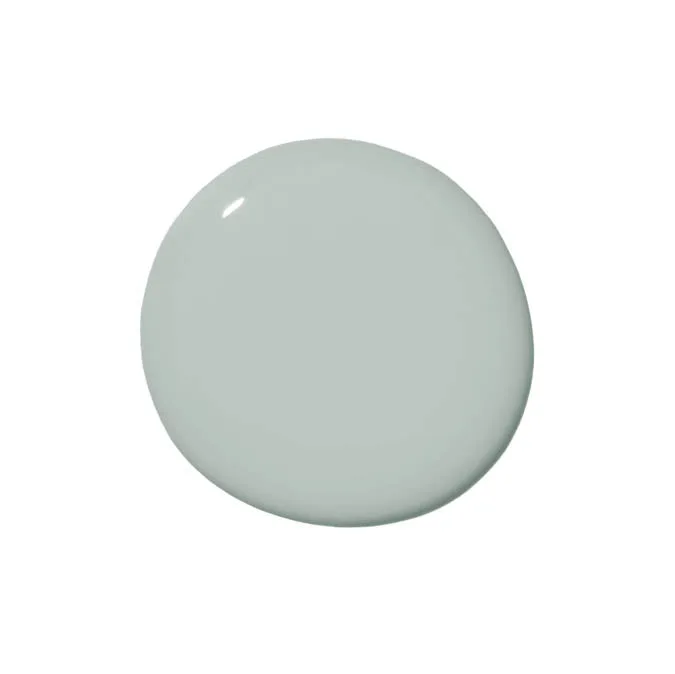
If you are working with an open, airy room, a soft light gray with green undertones can read as a calm neutral and is often used on both walls and trim. Because it is light, it hides minor unevenness better than a dark color, but it will still show a thin first coat as a dull patch under direct light.
Myth verdicts at a glance
- Myth: One coat is enough if the paint is high quality: Quality affects how the paint levels and wears, not how much hiding it delivers in a single pass. The first coat seals; the second builds the color. Verdict: false. Plan two coats unless you are refreshing the same color on a sound wall.
- Myth: Primer replaces the topcoat: Primer prepares the surface and blocks stains. It is not a finish and does not carry the color or the washable finish you chose. Verdict: false. Primer is a prep step, not a substitute.
- Myth: Paint-and-primer-in-one removes the need for a second coat: These products help with adhesion and sealing, but they are still paint. Color changes and repairs still need a second pass. Verdict: false. Treat it as one coat of paint, not two.
- Myth: You always need a separate primer: Clean, sound, previously painted walls in a similar color often go straight to paint. Primer matters over bare drywall, patches, glossy surfaces, and strong color shifts. Verdict: false. Prime when the surface or the color change calls for it.
- Myth: You can tell if you need a second coat while the wall is wet: Wet paint looks more uniform than dry paint. Thin spots and roller marks appear as it cures, especially in raking light. Verdict: false. Judge coverage after the coat is fully dry.
Clare paints worth planning coats around
- Greenish: Greenish is a barely-there green that works as a neutral with a subtle twist and pairs with both warm and cool palettes, with an eggshell wall finish that is low-sheen and washable. A close-to-neutral green is forgiving over a similar existing color, but the washable eggshell surface still shows thin coverage, so plan the second coat before you start.
- Make Waves: Make Waves is a serene greenish blue that shifts with natural light, bringing different undertones to the surface. Because the color changes through the day, check it dry in both daylight and evening light before deciding one coat is enough.
- Grayish: Grayish is a soft light gray with subtle green undertones, available in a one-gallon size with eggshell wall and semi-gloss trim options, and is suited to open, airy interiors as both wall and trim color. Using the same hue on walls and trim means any thin coverage on the trim will stand out against the semi-gloss sheen, so give trim its full second coat.