The pore-clogging claim, examined
A common worry about dry shampoo is that the powder sits on the scalp and blocks pores, leading to irritation or buildup. It's a fair question, especially for tinted formulas that leave visible pigment behind. But the honest answer is that the supplied product information does not confirm or deny pore clogging. What it does tell us is how the product is meant to be used and what it claims to do, which helps separate marketing myths from practical guidance.
Rather than assuming the worst, look at what the formula is designed for and how you apply it. That gives you a realistic picture of scalp safety without inventing claims the manufacturer hasn't made.
What the product actually claims
-
Blondish Hair Powder Tinted Dry Shampoo: This tinted dry shampoo cleanses and gives hair instant fullness with a matte finish - no shower required. It is positioned as a cleansing and volumizing step between washes, not a replacement for washing. That distinction matters when judging buildup risk.
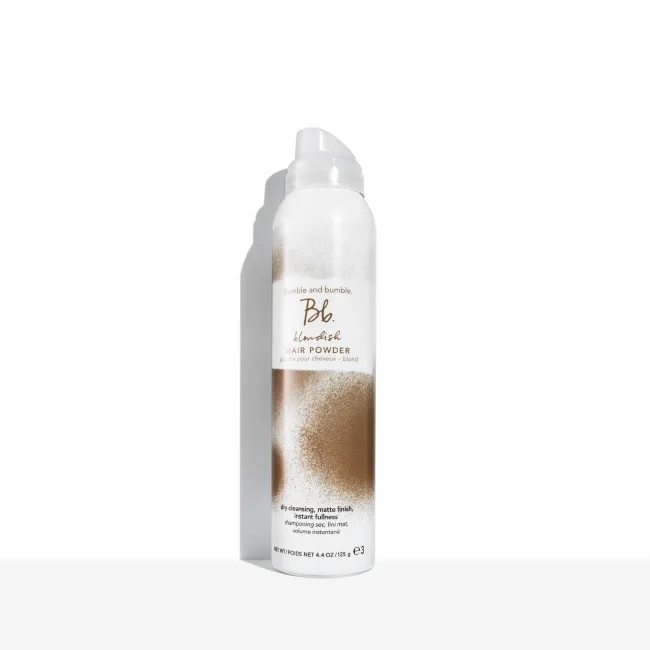
Blondish Hair Powder Tinted Dry Shampoo
-
Blondish Hair Powder Tinted Dry Shampoo: Plus, it covers roots to refresh color for blonde to light brown hair. The tinted pigment is intended to temporarily mask roots, so visible residue at the scalp is part of the design, not necessarily a sign of a problem.
-
Blondish Hair Powder Tinted Dry Shampoo: Formulated for blonde to light brown, fine to thick hair seeking a tinted dry shampoo. Patterns: Curly, Wavy, Straight. Diameters: Fine, Medium, Thick. Conditions: Untreated, Color-treated, Dry, or hair damaged from heat, chemical, or physical styling. The intended user range is broad, but it does not include scalp types or sensitivity claims, so patch-testing or medical advice is outside the supplied evidence.
-
Blondish Hair Powder Tinted Dry Shampoo: Fragrance: Unscented For those sensitive to added fragrance, an unscented formula may be a practical consideration, though it does not guarantee scalp compatibility.
Why buildup worries are real but often overstated
Any powder applied to the scalp leaves some residue, and tinted formulas add pigment. If you use dry shampoo repeatedly without ever washing, that residue can accumulate. The supplied information doesn't specify how often to use the product or how to cleanse it away, so we can't give a manufacturer-recommended frequency. What we can say is that the product is described as a no-shower cleanse, which implies it's an interim step, not a permanent substitute for shampooing.
The key is moderation and observation. If you notice itching, flaking, or a persistently coated feeling at the scalp, that's a sign to wash and reassess. Those are general signs of buildup, not product-specific warnings from the manufacturer.
Practical steps for scalp-friendly use
- Apply to roots, not the whole scalp: The product is designed to cover roots and refresh color. Focus there rather than saturating the scalp, which reduces the amount of powder that could linger.
- Brush or shake out excess: The supplied instructions don't include a removal step, but common practice is to brush through after application. Use your judgment and avoid leaving thick visible residue.
- Wash your hair regularly: Since the formula is a between-washes option, plan to shampoo on your normal schedule. The evidence doesn't specify a maximum interval, so let your scalp comfort guide you.
- Watch for irritation: If you experience redness, itching, or flaking, stop using the product and consult a professional if needed. This is general advice, not a manufacturer instruction.
What the evidence does not settle
The supplied product record does not include any statement about pore clogging, non-comedogenic status, or scalp sensitivity testing. It also doesn't provide a recommended usage frequency or a specific cleansing method. Any claim that this dry shampoo definitely clogs pores, or definitely doesn't, would go beyond the available information. Treat the pore-clogging question as unconfirmed rather than proven either way.
For a tinted dry shampoo, the bigger practical concerns are visible residue and temporary color transfer, not pore blockage. The product is formulated for a wide range of hair patterns and conditions, but scalp type isn't addressed. If you have a sensitive scalp, do a small patch test first, as you would with any new cosmetic product.