The short answer: shape matters, but not the way the myths claim
Does wine glass shape matter? Yes, but the effect is smaller and more specific than most wine glass myths suggest. Bowl shape, rim thickness and surface finish change how a wine meets your nose and mouth. They do not fix a wine you dislike, and they are not a substitute for serving temperature or storage.
The useful question is not whether one glass is 'correct' for red or white. It is which physical features help the wine you are actually pouring, and which claims are simply repeated without evidence.
Five wine glass myths worth retiring
- Myth: every red wine needs a large bowl: Bowl size affects how much air the wine contacts and how far your nose sits from the surface. That can change the aroma you notice, but there is no single bowl size that suits every red. A rounded glass designed to serve a variety of wines is a reasonable everyday compromise.
- Myth: white wine must always be served in a small glass: A smaller bowl can keep a white wine cooler and concentrate delicate aromas, but it is a preference, not a rule. If you mostly drink aromatic whites, a slightly wider bowl may give you more to smell. The right choice depends on the wine and how quickly you drink it.
- Myth: a thin rim makes wine taste better: Rim thickness changes the physical sensation at your lips. A thin rim can feel more refined, but it does not alter the liquid. It also tends to be more fragile, so everyday use may favor a slightly more substantial rim.
- Myth: you can taste the difference between identical wines in different glasses: You may notice differences in aroma and in how the wine enters your mouth, but the wine itself is unchanged. Expect a shift in perception, not a transformation. Blind comparisons often show smaller differences than enthusiasts expect.
- Myth: glass shape can replace proper serving temperature: No bowl shape cools a warm red or warms an icy white. Shape works alongside temperature, not instead of it. If a wine tastes flat or harsh, check the temperature before blaming the glass.
What bowl shape actually does to red and white wine
The bowl is the part of the glass that does the most work. A wider bowl exposes more surface area to air, which can help aromas open up. A narrower bowl concentrates those aromas toward your nose. For red wines, that often means a rounder, roomier bowl; for whites, a smaller bowl can keep the wine cooler and focus the aroma.
The tradeoff is real. A large bowl gives you more aroma but warms faster from your hand and takes up more space. A small bowl stays cooler but can feel cramped for swirling. If you want one glass for both red and white, a rounded middle-ground bowl is the practical answer, even if it is not the specialist answer for either.
A rounded set designed for more than one wine
-
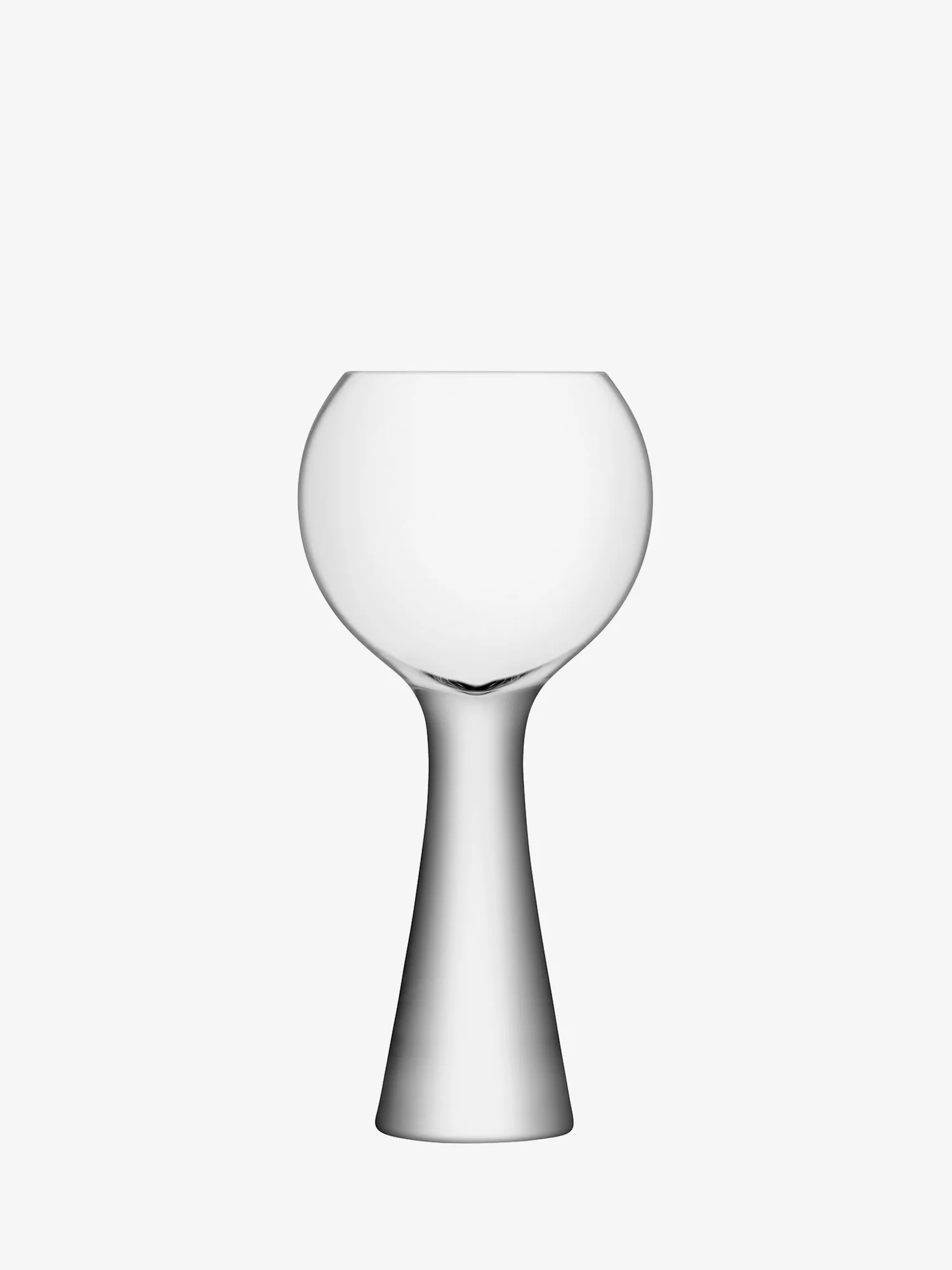
Wine Glass: A pair of rounded wine glasses featuring translucent and matte finishes for a contrasting tactile and tonal aesthetic. The rounded bowl is a middle-ground shape, and the contrasting finishes show how surface texture changes the feel of a glass without changing the wine.
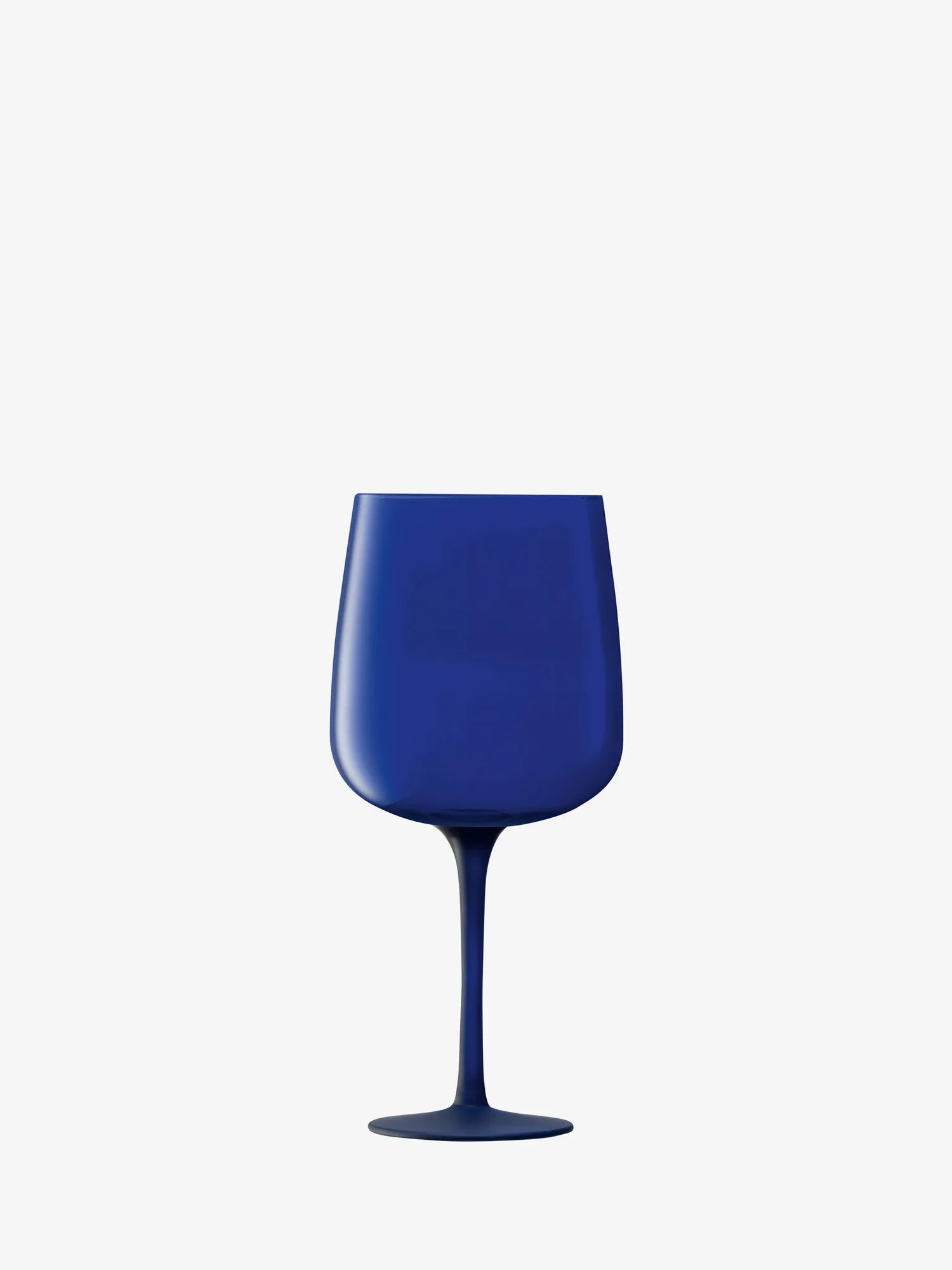
Wine Glass
-
Wine Glass: Designed to serve a variety of wines. This is the honest version of the 'one glass for everything' claim: it is intended for a range of wines, not engineered as a specialist red or white glass.
Rim thickness and finish: what changes and what doesn't
Rim thickness is a tactile detail. A thin rim feels delicate against your lips; a thicker rim feels sturdier. Neither changes the wine's flavor. If you are choosing between two glasses and the wine is the same, pick the rim that feels comfortable and suits how often you expect to use it.
Finish works the same way. A matte exterior changes how the glass feels in your hand and how light plays across it, but the inside surface is what contacts the wine. A translucent and matte pairing, like the one on the Wine Glass above, is an aesthetic choice first and a tasting choice second. That is not a criticism; it is simply the right way to weigh it.
Where the evidence runs out
The supplied product information for the Wine Glass does not include care instructions, dishwasher compatibility, or recommended uses beyond serving a variety of wines. That is a limitation of the available evidence, not a statement that the glass cannot be cleaned or used in a particular way. Check the manufacturer's care guidance before assuming a cleaning method is safe.
The same caution applies to claims about how a specific bowl shape will change a specific grape. The general principles above are useful, but they are not a guarantee of what you will smell or taste. Treat glass shape as one variable among several, and test it with wines you already know.
A practical way to test the myths yourself
- Pour the same wine into two different glasses: Use one rounded bowl and one narrower bowl, and keep the pour volume similar so you are comparing shape rather than quantity.
- Smell before you taste: Note whether the aroma seems more open or more concentrated. This is where bowl shape most reliably shows up.
- Take a small sip from each: Pay attention to where the wine lands on your tongue and how the rim feels. These are real differences, even when the wine is identical.
- Repeat with a white wine: The effect you notice with a red may be smaller or larger with a white. That tells you more than any general rule.