Quick answer
Measure your dog from nose to tail and add 6–12 inches for a pillow bed, or 2–4 inches for a boxy bed if your dog likes to curl. Always check the bed's internal dimensions, not the outer size. When in doubt, size up—especially for growing puppies or dogs who sprawl.
Why bed dimensions matter more than weight
Weight alone won't tell you if a bed fits. A 20 kg dog could be long and lean or short and stocky. Bed dimensions—length, width, and depth—determine whether your dog can stretch out, curl up, or rest their chin without hanging off the edge. Always measure your dog lying down in their favourite position.
How to measure your dog for a bed
Use a soft tape measure. With your dog standing, measure from the tip of the nose to the base of the tail. Then measure the widest part of the chest. For a pillow bed, add 6–12 inches to the length so your dog can sprawl. For a boxy bed, add 2–4 inches if your dog curls tightly, or 6 inches if they like to stretch. If your dog is a puppy, add extra room for growth—they'll grow into it.
Pillow vs boxy beds: sizing differences
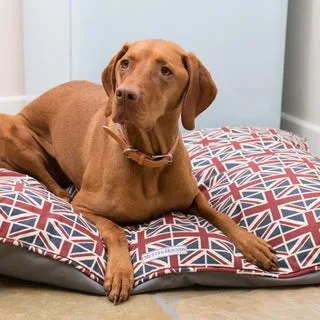
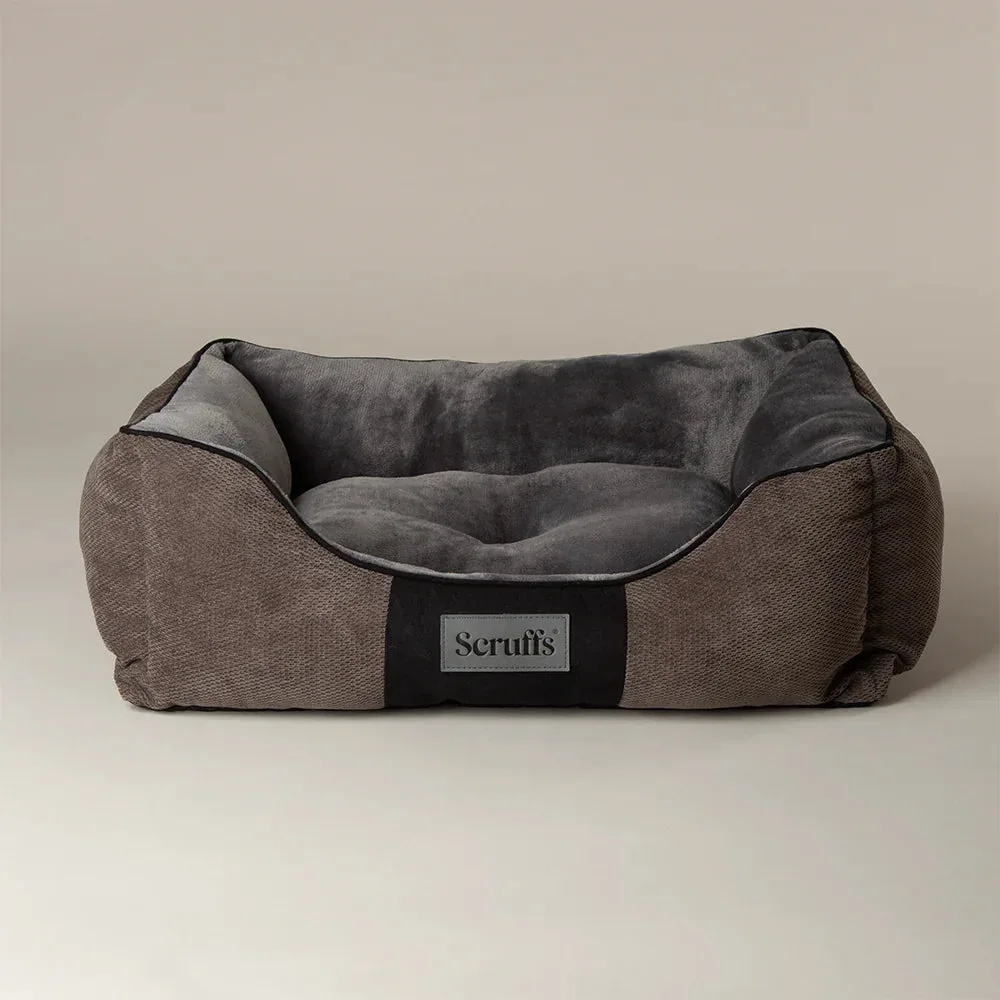
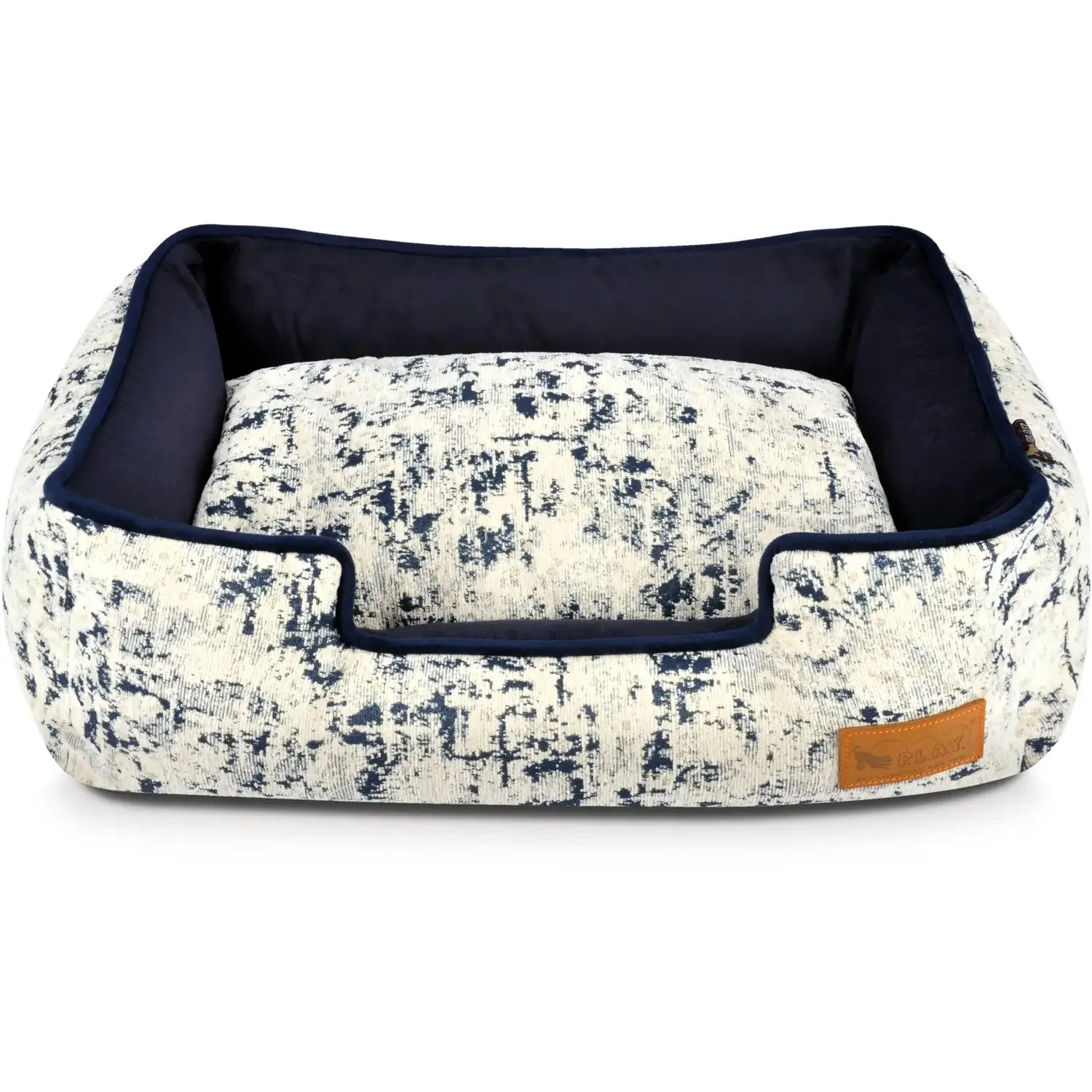
Pillow beds have no walls, so the usable space is the entire top surface. That means you can often choose a size closer to your dog's measurements. Boxy beds have raised sides that reduce the internal sleeping area, so you need to check the internal dimensions. If your dog likes to rest their head on a bolster, a boxy bed works well, but make sure the internal length is at least your dog's nose-to-tail measurement plus 2 inches.
Common sizing mistakes to avoid
Don't rely on the bed's outer dimensions—they often include bolsters or overhang. Don't buy a bed that's too small because you think your dog likes to curl; they still need room to stretch out occasionally. And don't forget to measure your dog when they're fully relaxed, not standing alert.
Decision rules for choosing a bed size
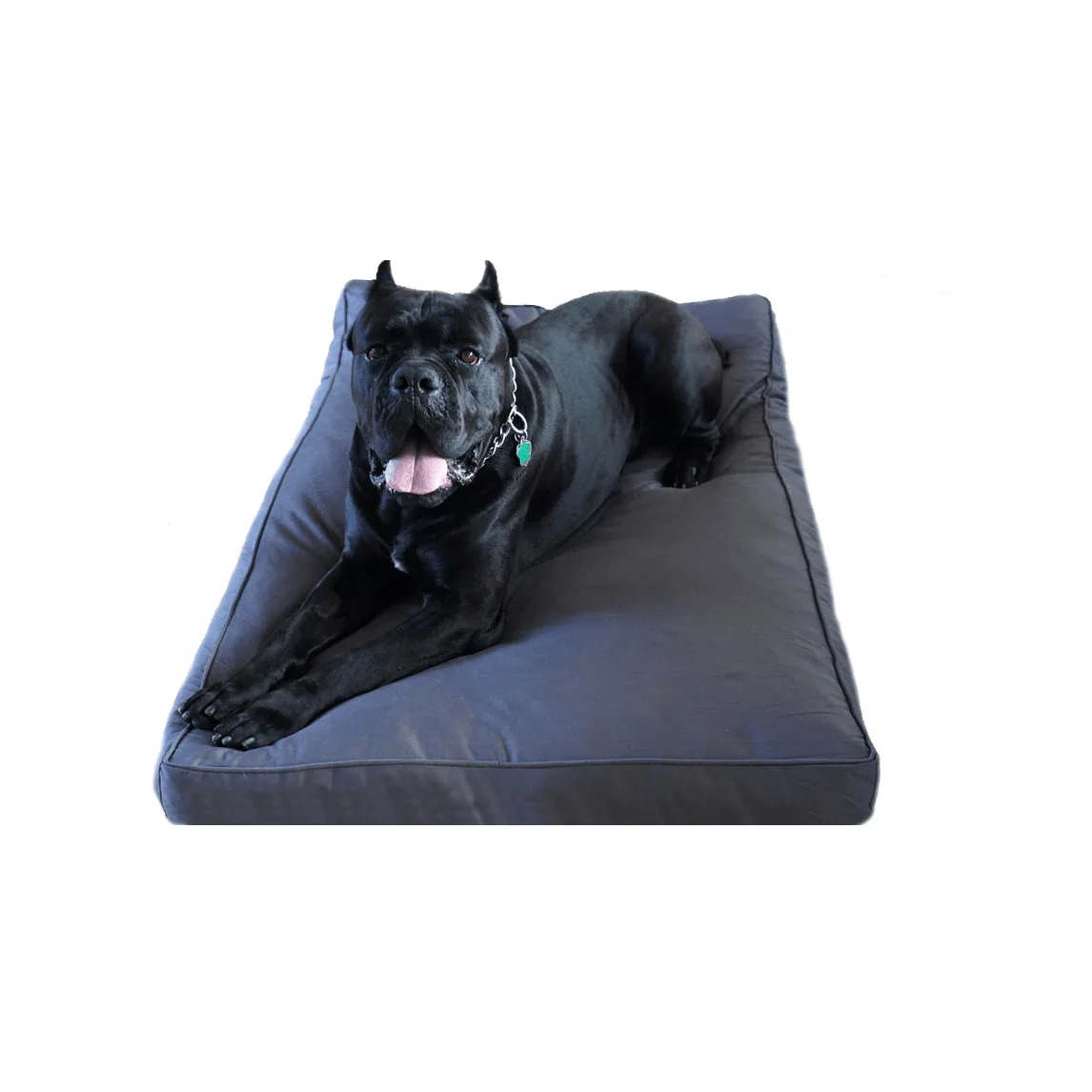
- If your dog sprawls when sleeping: Choose a pillow bed and add 10–12 inches to nose-to-tail length. Err on the larger side; a too-small bed defeats the purpose.
- If your dog curls into a ball: A boxy bed with internal dimensions 2–4 inches longer than your dog is sufficient. Measure the internal space, not the outer footprint.
- If you have a puppy: Buy for their expected adult size, or choose a bed with room to grow. A bed that's too large can feel insecure; consider a smaller bed now and upgrade later.
- If your dog is between sizes: Size up unless your dog is elderly or has mobility issues that make a lower, easier-to-enter bed better. You can always add a blanket to make a larger bed feel cosier.
Product facts
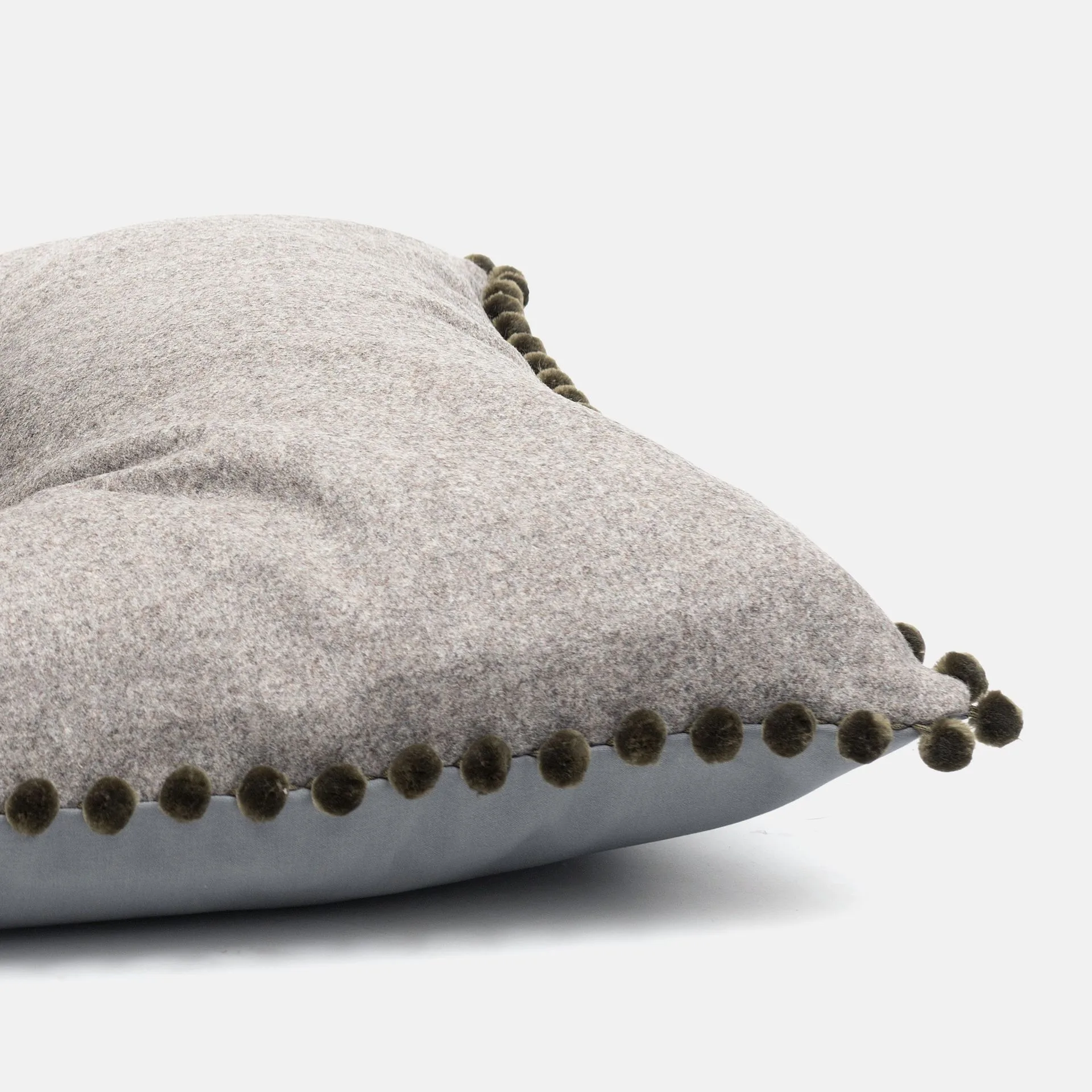
- Grey Tweed Pillow Dog Bed With Pom Poms: Grey Tweed Pillow Dog Bed With Pom Poms – catalog price USD 94.02 (comparison price USD 128.80). A mid-range pillow bed with a decorative trim; check the internal dimensions to ensure your dog can sprawl.
- Grey Stars & Charcoal Stripe Pillow Dog Bed: Grey Stars & Charcoal Stripe Pillow Dog Bed – catalog price USD 63.78 (comparison price USD 95.20). A lower-priced pillow bed option; if your dog is between sizes, sizing up here may be more affordable.
- Macaroon Check Tweed Pillow Dog Bed: Macaroon Check Tweed Pillow Dog Bed – catalog price USD 87.58 (comparison price USD 128.80). Customer review notes the cushion stopped their beagle from chewing stuffing, and they chose the large size for sprawling. Illustrates that size choice can affect durability and comfort; a larger bed may reduce chewing if the dog has room to settle.
Is this right for your dog?
Best for
- Owners who want a bed their dog can stretch out in
- Dogs that sleep in multiple positions
- Households with growing puppies
Not for
- Dogs that prefer a tight, enclosed space
- Owners with very limited floor space
- Dogs with mobility issues that need a low-profile bed