Why a Dedicated Dog Carrier Matters
A dog carrier isn't just a bag—it's a safe space for your pet during travel, vet visits, or everyday outings. The right carrier keeps your dog secure and comfortable while making transportation easier for you. This guide focuses on the practical decisions you'll face when choosing a carrier for a small to medium dog.
Size and Fit: The First Decision
Carrier sizing is the most important factor. Your dog should be able to stand, turn around, and lie down comfortably inside. Measure your dog's length (from nose to base of tail) and height (from floor to top of head while standing). Compare those measurements to the carrier's internal dimensions, not external. A carrier that's too small causes stress; one that's too large may not provide enough security during travel.
The Dog Carrier from thetopdogpetstore is a soft edge travel bag designed for carrying your dog on the go. Its soft-sided design can be a good fit for dogs that are used to cozy, den-like spaces, but always check the actual interior space against your dog's measurements before buying.
Product at a Glance
-
Dog carrier: The Dog Carrier from thetopdogpetstore is a soft edge travel bag designed for carrying your dog on the go. Soft-sided carriers are lightweight and often more comfortable for dogs than hard-shell options, but they may offer less structure and protection.
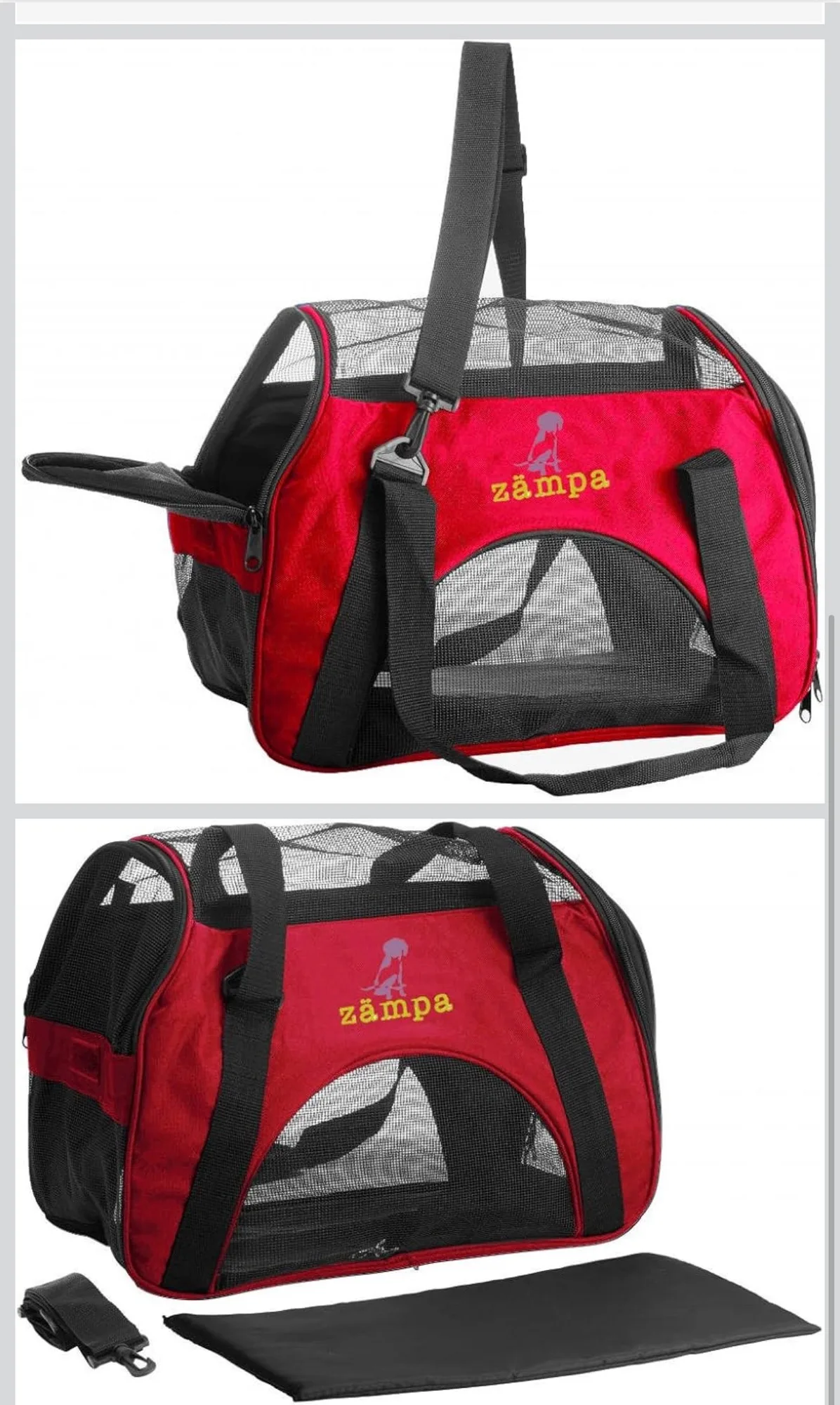
Dog carrier
-
Dog carrier: It is available in three colors: Red, Olive Green, and Black. Color choice is mostly aesthetic, but a darker color can hide dirt better for frequent outdoor use.
Soft-Sided vs. Hard-Sided Carriers
Soft-sided carriers (like the Dog Carrier from thetopdogpetstore) are lighter, easier to store, and often more comfortable for dogs who like to curl up. They're usually accepted under airline seats if they meet size limits, but they offer less impact protection than hard-sided carriers. Hard-sided carriers are more durable and easier to clean, but heavier and bulkier. Your choice depends on your primary use—daily walks and car rides suit soft carriers; air travel or longer trips may favor hard-sided models.
Key Features to Evaluate
- Ventilation: Look for mesh panels or ventilation windows on at least two sides. Good airflow prevents overheating and reduces anxiety.
- Security and closures: Check that zippers, buckles, and clips are sturdy and cannot be opened by your dog from inside. A leash tether inside adds safety.
- Carrying comfort for you: Padded handles or an adjustable shoulder strap make longer trips easier. If you plan to carry your dog frequently, test the carrier's weight and balance.
- Cleaning and maintenance: Soft-sided carriers with removable, washable liners are easier to keep fresh. Hard-sided carriers can be wiped down quickly.
What the Listing Doesn't Tell You
The Dog Carrier listing confirms color options (Red, Olive Green, Black) and its soft edge travel bag design, but it does not include internal dimensions, weight limit, or specific airline approval. Before purchasing, measure your dog and contact the seller if you need exact interior measurements. If airline travel is your goal, verify the carrier's dimensions against your airline's under-seat requirements—soft-sided carriers often have a better chance of fitting, but it's not guaranteed without those numbers.