Quick Answer
Use dog cologne for a quick refresh between baths when your dog smells mildly or you need a short-term fix. Bathe when odor is strong, widespread, or caused by dirt, oil, or skin issues. Never use cologne as a substitute for proper cleaning.
Why Odor Source Matters More Than Product Choice
Dog odor comes from different sources: surface dirt, natural oils, moisture trapped in the coat, or underlying skin problems. Cologne masks surface scent but does not remove the cause. Bathing removes dirt and oil but can dry out skin if done too often. Choosing between them starts with identifying the source. If your dog rolled in something, a bath is the only real fix. If your dog smells slightly stale after a walk, cologne can buy you time until the next scheduled bath.
The Trade-Off: Convenience vs Complete Cleaning
Cologne wins on speed and low stress. A spritz takes seconds, requires no water, and suits dogs that dislike baths. But it does not clean the coat, and overuse can irritate skin or overwhelm sensitive noses. Bathing wins on thoroughness. It removes odor-causing buildup and leaves the coat genuinely clean. But it takes more time, requires drying, and frequent bathing can strip natural oils. The right choice depends on whether you need a quick cover-up or a real reset.
When Cologne Is the Wrong Tool
Skip cologne if your dog has inflamed, broken, or infected skin, or if the odor is persistent and unexplained. Those situations need a vet, not a fragrance. Also avoid cologne on puppies, senior dogs with sensitive skin, or any dog that reacts badly to sprays. If your dog licks the sprayed area constantly, the product is not suiting them. And never spray near eyes, ears, or the face.
Decision Rules for Cologne vs Bath
- Mild odor, no dirt: Use dog cologne. Spray lightly from about 6-8 inches away, aiming at the back and sides, not the face. Brush through to distribute. Patch-test on a small area first if your dog has never worn cologne.
- Strong odor or visible dirt: Bathe your dog. Cologne will not remove the source and may mix unpleasantly with the existing smell. Follow with a full dry, especially for thick coats. Check for skin redness or irritation before bathing; if present, consult your vet.
- How often to bathe a smelly dog: Most dogs do well with a bath every 4-8 weeks, but adjust for coat type and lifestyle. If odor returns within days, investigate diet, skin health, or ear infections rather than bathing more often. Frequent bathing can dry skin; use a gentle dog shampoo and rinse thoroughly.
- Safe cologne use between baths: Limit cologne to occasional refreshes, not daily use. Avoid spraying directly on broken skin or near mucous membranes. If your dog shows sneezing, scratching, or lethargy after application, stop and rinse the area. Store cologne out of reach and keep the cap secure.
Product Facts
-
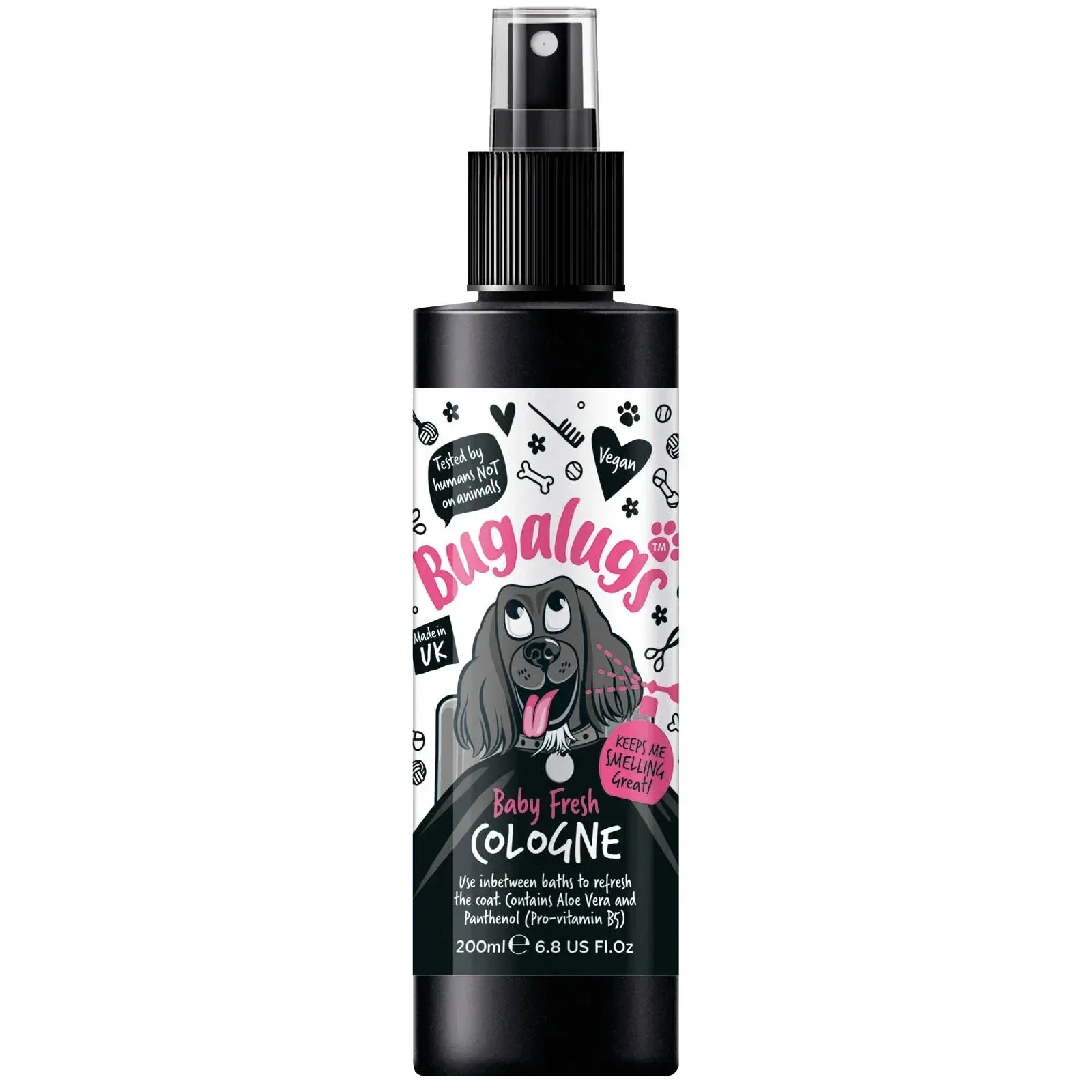
Dog cologne: Dog cologne from thetopdogpetstore comes in six scent options including Furrberry, Pucci, and Fursace. You can pick a fragrance you actually enjoy, which makes between-bath refreshes more pleasant for both of you.
Dog cologne
-
Dog cologne: Each scent option is listed at USD 12.99, with a catalog comparison price of USD 7.79. A single bottle gives you a low-cost way to extend time between full baths without committing to grooming equipment.
Who Should Choose Which
Choose dog cologne if
- Your dog smells only mildly between scheduled baths
- You need a quick refresh before visitors or a car ride
- Your dog tolerates sprays and has healthy skin
Choose bathing instead if
- Your dog has rolled in something or has visible dirt
- Odor is strong, persistent, or accompanied by scratching
- Your dog has skin wounds or known sensitivities