Quick answer
Buy a dog door lock if your main concern is pet door security or keeping your dog inside at certain times. Choose a trainer door stop for a timid dog still learning to push through, and Kwiet Klose if the flap banging is the problem you want to solve.
Security, training, and noise are three different jobs
These accessories are not interchangeable upgrades. A lock controls whether the door can open at all, a trainer stop changes how the door feels to a hesitant dog, and a closer softens the motion of a flap that already works. Decide which problem you actually have before adding anything to your cart.
That matters because a lock on a door your dog is still learning to use can make training harder, and a training aid does nothing for security. If you have more than one issue, plan to solve them in order rather than buying everything at once.
When a lock is the right call, and when it is not
A lock suits households that want the dog door closed off during specific hours, such as at night or while the dog is outside and unsupervised. It is a control device, not a training tool, so it will not help a dog that refuses to push through in the first place.
One honest limitation: the supplied catalog information for these accessories does not list door compatibility or mounting specifications, so check your existing dog door's make and flap style before ordering a lock. If you cannot confirm fit, ask the store rather than guessing.
Training aids are temporary, so buy for the learning stage
A trainer door stop is designed to hold the door slightly away from the frame so a timid dog or puppy is encouraged to push through. That makes it a short-term tool tied to a training phase, not a permanent fixture. Once the dog is confidently using the door, the stop has done its job.
Because the catalog does not list size or door-thickness options for these accessories, measure your door before installing anything that clamps or screws on. A loose fit defeats the purpose of a training aid.
Decision rules for choosing a dog door accessory
- If the dog door must be closed off at times: Choose Dog Door Locks. Use it for night-time containment, unsupervised outdoor periods, or any schedule where you want to decide when the door is usable. Confirm your dog door model and flap style before ordering, since compatibility details are not listed in the catalog.
- If a puppy or timid dog will not push through: Choose Trainer Door Stop. It holds the door slightly away from the frame to encourage the dog to push through, and it installs on top of the door with a screw. Plan to remove it once the dog uses the door reliably; it is a training aid, not a permanent part.
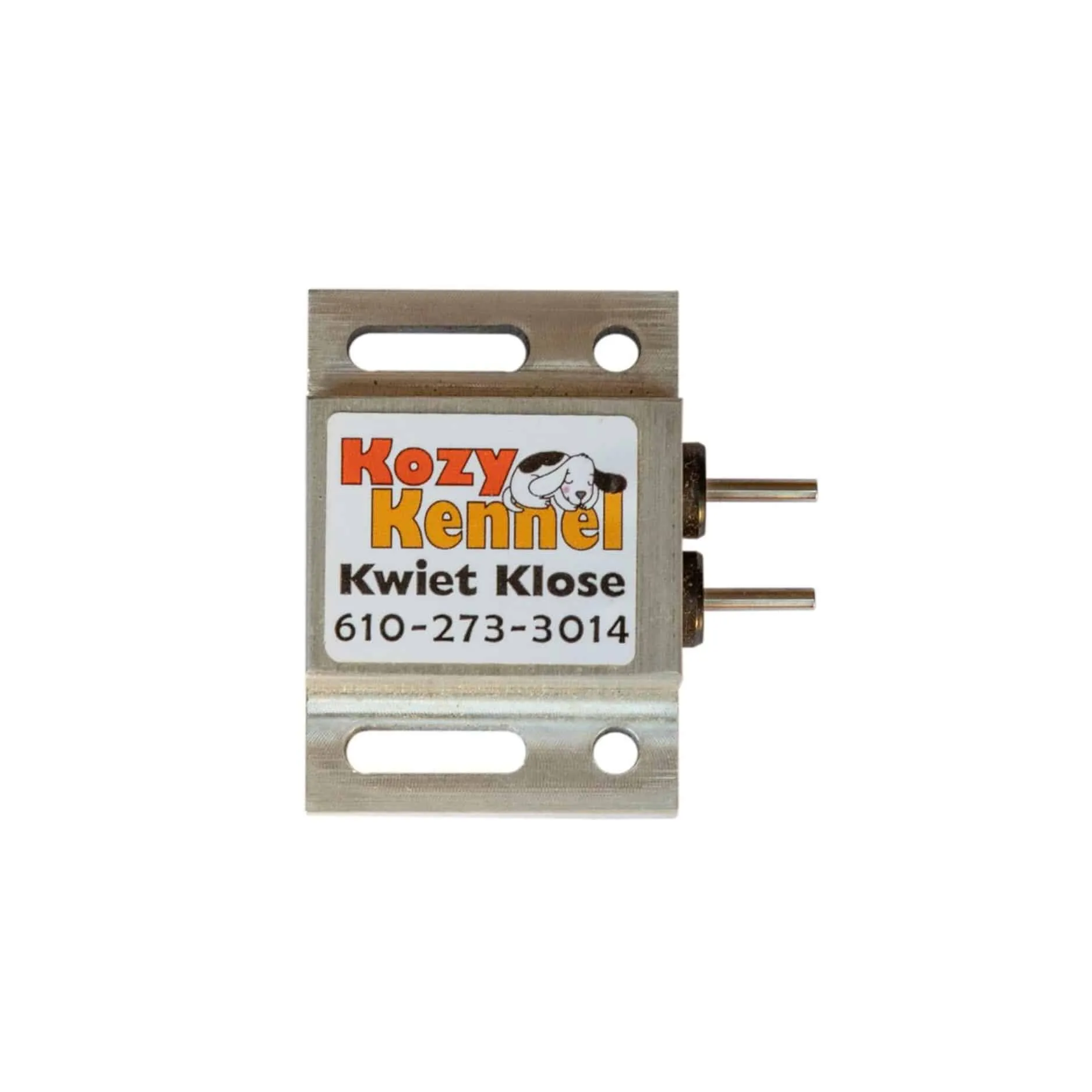
- If the flap bangs and disrupts the household: Choose Kwiet Klose. It is made to cut down on banging doggie doors and is tested at 240,000 cycles, so it suits a door that already works but is noisy. This solves noise, not security or training, so do not expect it to keep the dog in or out.
- If you have more than one problem: Solve training first, then noise, then security. A dog that will not use the door cannot benefit from a lock or a closer, and adding hardware early can slow the learning stage. Buy one accessory at a time and confirm it fits before adding the next.
Product facts at a glance
-
Dog Door Locks: Dog Door Locks are priced at USD 7.39, with a catalog comparison price of USD 14.78. The low entry price makes a lock an easy add-on if security or controlled access is your priority.
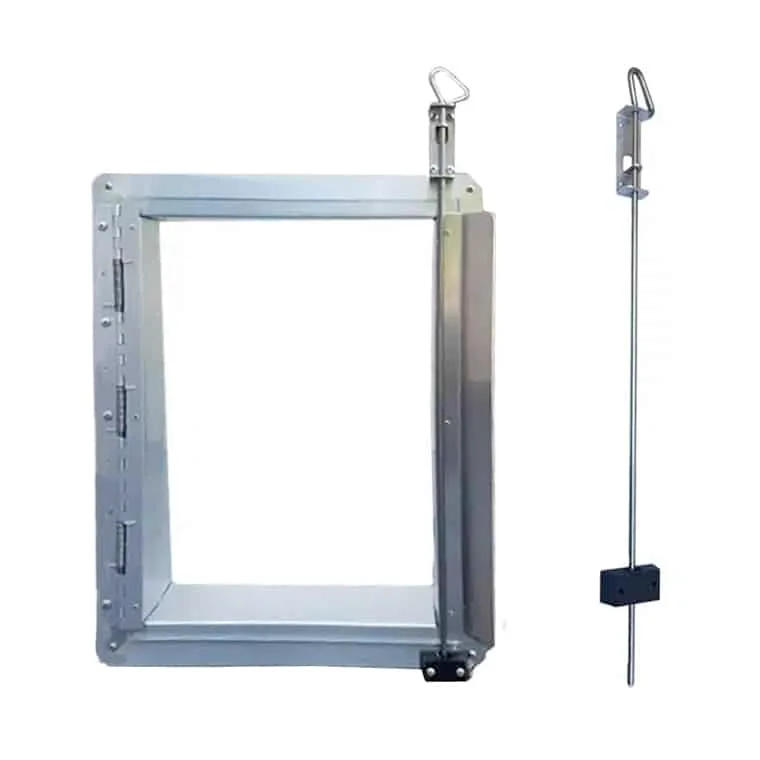
Dog Door Locks
-
Trainer Door Stop: Trainer Door Stop is a one-piece training aid that installs by popping it on top of the door and tightening a screw. Installation needs no special tools, so you can add it during a training phase and remove it once your dog is confident.
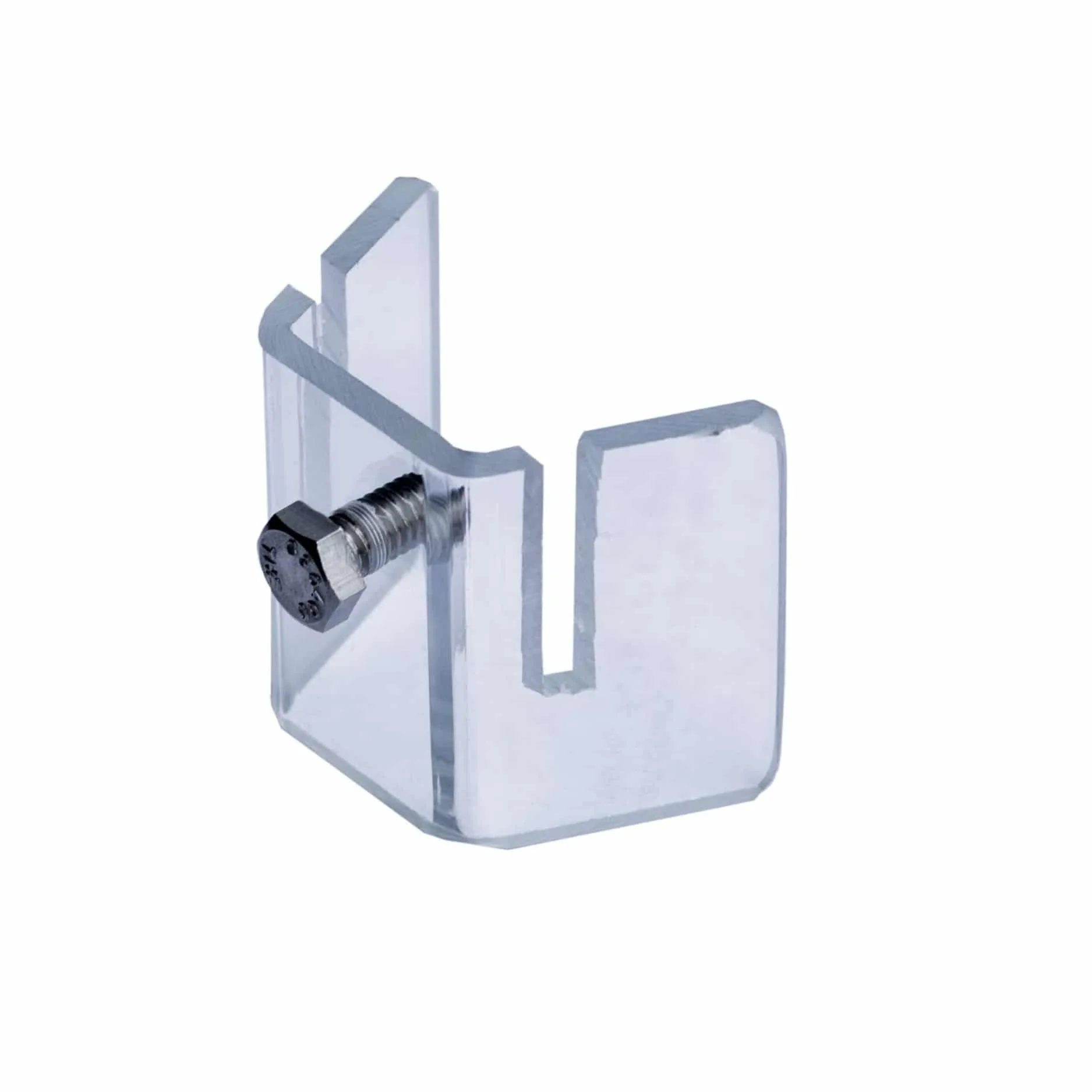
Trainer Door Stop
-
Kwiet Klose: Kwiet Klose is tested at 240,000 cycles and is designed to cut down on banging doggie doors. If noise and slamming are your complaint, this addresses the flap motion directly rather than restricting access.
Who should buy which accessory
Best for
- Households that need to control when the dog door can be used
- Owners of puppies or timid dogs that need encouragement to push through
- Homes where a banging flap is the main annoyance
Not for
- Dogs that have not yet learned to use the door at all, where a lock would only block progress
- Owners who cannot confirm their dog door model or flap style, since compatibility details are not supplied
- Anyone expecting one accessory to solve security, training, and noise at the same time