Start with the bag, not the cabinet
The most effective way to keep kibble fresh is to leave it in its original bag. That bag carries the batch number, best-by date, and feeding guidance you may need later. It also usually has a reliable resealable closure. Pouring kibble straight into a storage bin makes it harder to track freshness and harder to contact the maker if something seems off.
A dog food storage cabinet with bowls gives you a dedicated place to keep the bag, the bowls, and the scoop together. The goal is not to transfer the food into the cabinet but to give the bag a clean, dry, organized home that is easy to reach at mealtime.
A simple freshness routine for bagged kibble
These steps work with most kibble bags and do not require special equipment. Adjust them to the storage instructions printed on your dog's food.
- Keep the original bag sealed: Roll down the top of the bag and use its built-in closure, or place the whole bag inside a clean, dry container. Do not mix old kibble with a new batch.
- Store in a cool, dry spot: Choose a location away from direct sunlight, heat sources, and dampness. A cabinet or pantry shelf is usually better than a garage or shed.
- Scoop with a dry utensil: Use a clean, dry scoop and keep it with the bag. A wet scoop can introduce moisture and cause clumping.
- Write the open date on the bag: A small note helps you use older food first and know when a bag has been open for a while.
- Check the food before each scoop: Look for unusual odor, mold, or pests. If anything seems wrong, discard the food and contact the manufacturer.
Where the Loaf & Wag cabinet fits
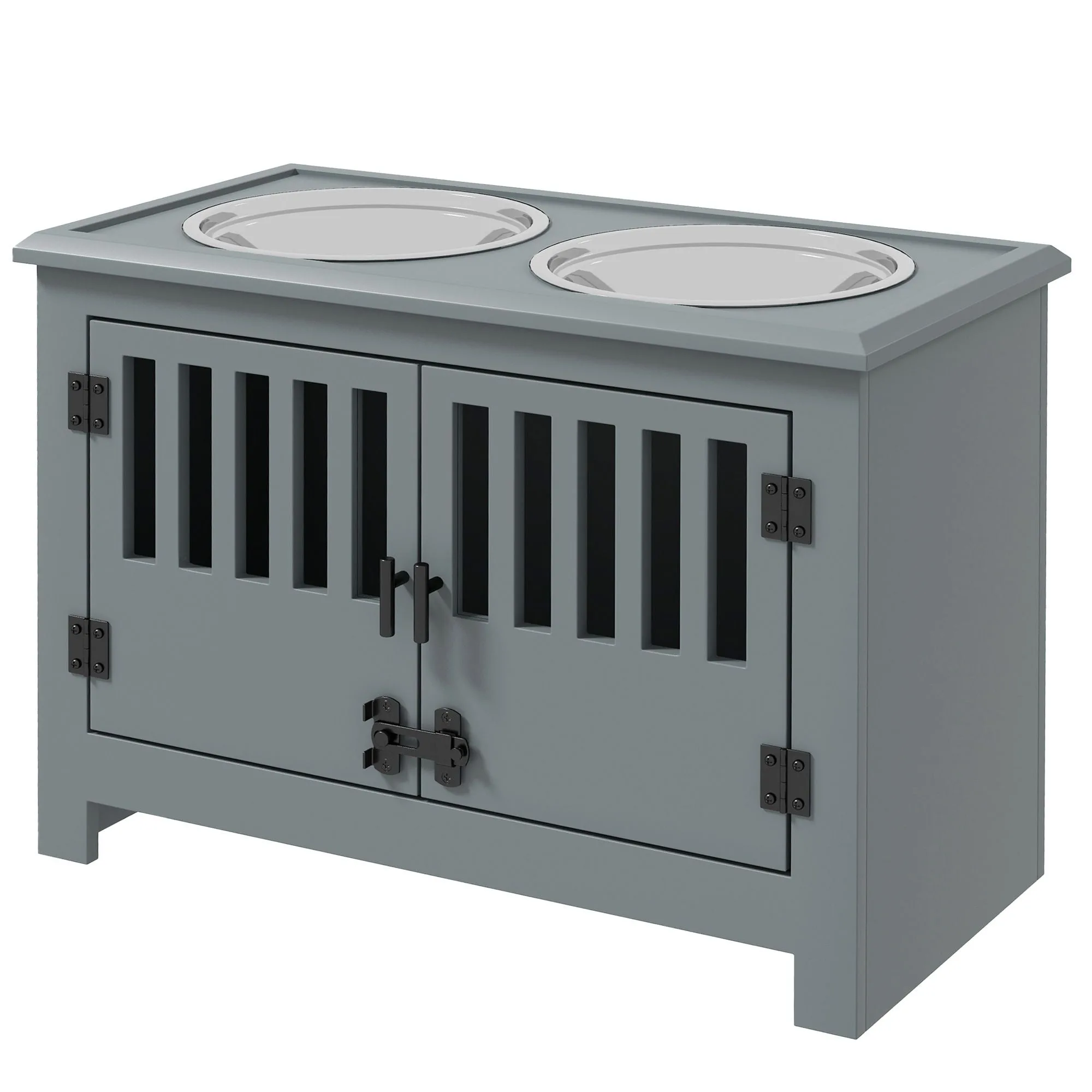
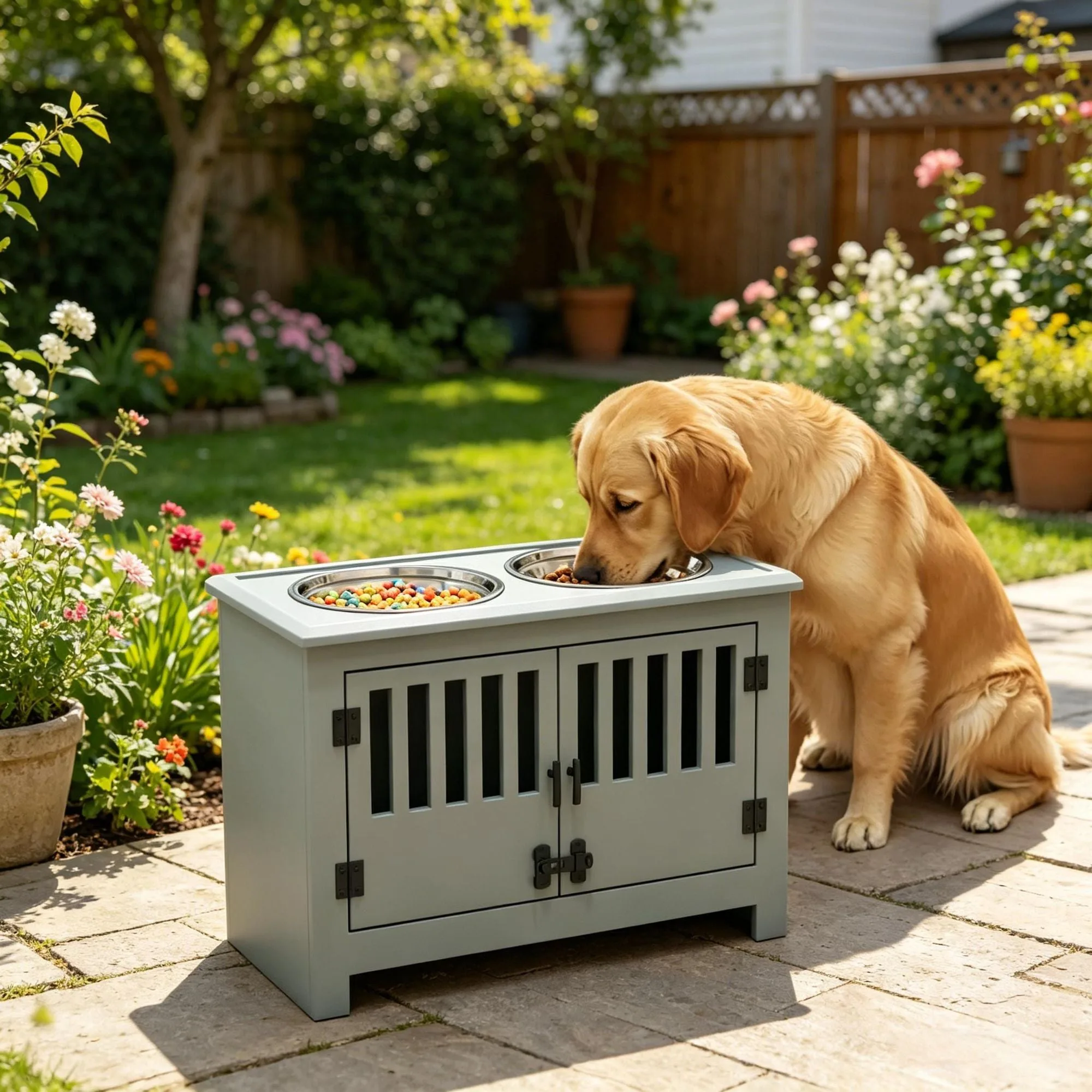
The Dog Food Storage Cabinet with Bowls & Dog Feeding Station, Black is designed to combine food storage with a raised feeding area. The cabinet gives you a place to tuck away the bag and scoop, while the built-in bowls keep water and food off the floor. The record describes a modern, minimalist look that can sit alongside your kitchen table set, so it can work as part of the room rather than a purely utilitarian bin.
The cabinet is listed as suitable for large dogs and requires assembly. The record does not specify a kibble capacity, bowl volume, or individual compartment dimensions, so check your bag size against the cabinet's overall footprint before you commit. If you feed a smaller dog or have limited floor space, measure the area you have and compare it with the assembled dimensions.
What the product record confirms
-
Dog Food Storage Cabinet with Bowls & Dog Feeding Station, Black: The cabinet is a dog food storage container that also holds food and water bowls, keeping mealtime and hydration together. This dual purpose means you can store the bag and feed from the same station, reducing trips to the pantry.
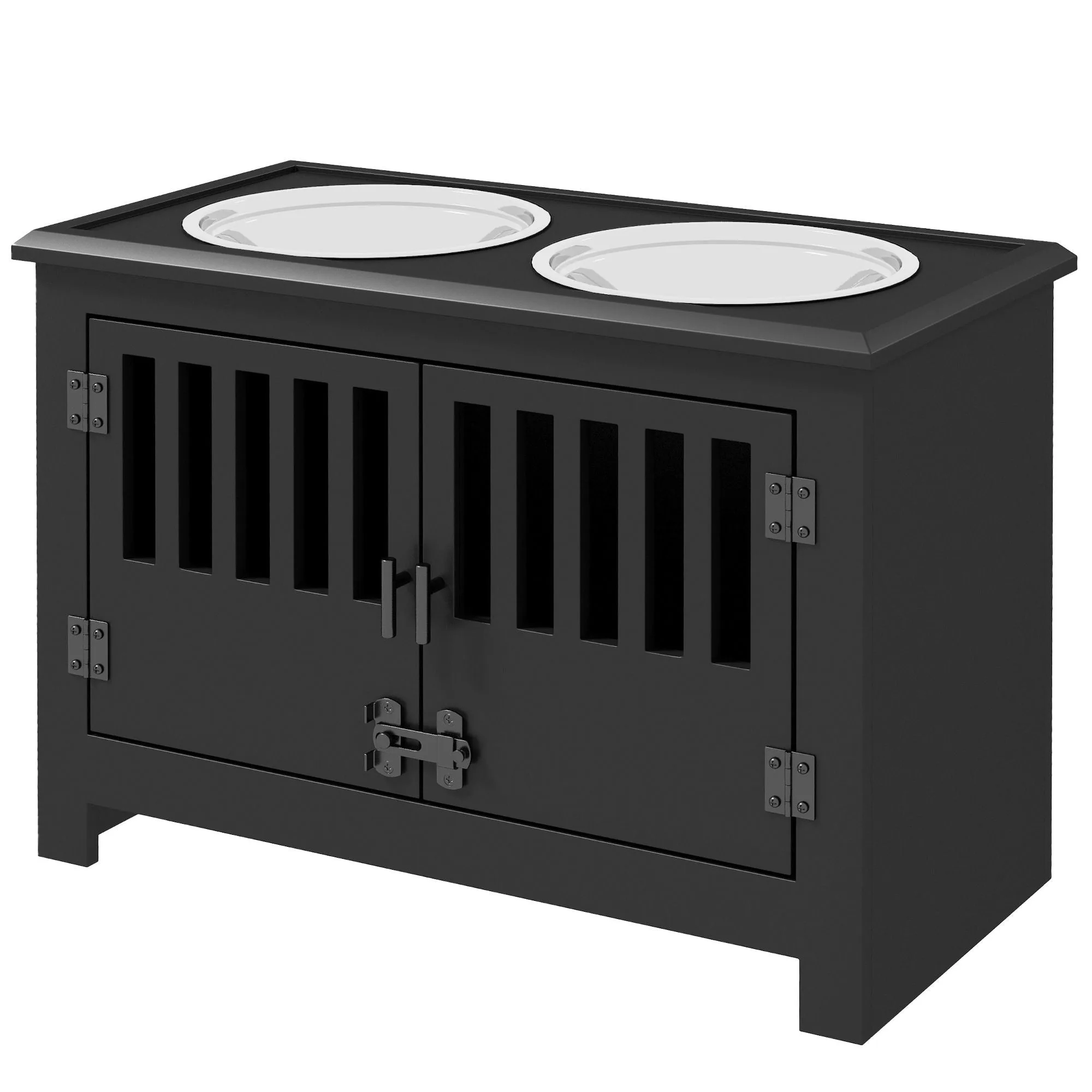
Dog Food Storage Cabinet with Bowls & Dog Feeding Station, Black
-
Dog Food Storage Cabinet with Bowls & Dog Feeding Station, Black: The record lists a modern style with clean lines and a minimalist aesthetic that can match a kitchen table set. If the feeding station will be visible in your kitchen, the look matters as much as the storage.
-
Dog Food Storage Cabinet with Bowls & Dog Feeding Station, Black: The record states the cabinet is suitable for large dogs and requires assembly. Plan for assembly time and confirm the height suits your dog before relying on it as a feeding station.
-
Dog Food Storage Cabinet with Bowls & Dog Feeding Station, Black: The record notes that storage space underneath the bowls makes it easy to remember where everything is. A dedicated spot for the scoop and bag reduces clutter and makes the daily routine faster.
Setting up the feeding station
Assemble the cabinet on a flat, stable surface according to the included instructions. Once assembled, place it where your dog can reach the bowls comfortably and where the cabinet will not block walkways.
- Assemble first, then load: The record confirms assembly is required. Complete the build before adding food or water so you can check stability.
- Place the bowls: Set the food and water bowls into their openings. The record does not specify bowl size or material, so use the bowls supplied or check that your own bowls fit securely.
- Store the bag nearby: Keep the sealed bag in the storage area. Do not overfill the cabinet; leave room for the bag to sit flat and for air to move.
- Check the height for your dog: The record lists the cabinet as suitable for large dogs. Watch your dog eat and drink. If the posture looks strained, consult your veterinarian about whether a raised feeder is appropriate.
- Wipe up splashes promptly: Water bowls can splash. Dry the cabinet surface after filling to prevent moisture from reaching the food storage area.
Keeping the cabinet itself clean
A storage cabinet does not sterilize food. Crumbs and dust can collect in corners, so empty and wipe the storage area regularly. Use a damp cloth and mild soap, then dry thoroughly before putting the bag back. Remove the bowls for washing according to the bowl manufacturer's instructions. The product record does not include specific cleaning steps for the cabinet, so avoid harsh chemicals and do not soak the unit.
If kibble dust builds up, wipe it away before it attracts pests. Check the cabinet's joints and hardware periodically and tighten anything that loosens with use.
When this cabinet is the right choice
Consider your dog's size, your kitchen layout, and how much food you buy at once.
- You want one station for storage and feeding: The cabinet combines a food storage container with raised bowls, which can simplify mealtime.
- You have a large dog: The record lists the cabinet as suitable for large dogs. If you have a small dog, check whether the bowl height works for them.
- You prefer a clean, modern look: The minimalist design is intended to blend with kitchen furniture rather than stand out as utility equipment.
- You can assemble furniture: Assembly is required, so set aside time and tools before the first use.
What to confirm before you buy
The supplied record does not list a food capacity, bowl volume, or exact assembled dimensions beyond the height reference. Measure the space where the cabinet will go and compare it with the product page details. If you buy kibble in very large bags, check that the bag will fit inside the storage area without being forced. If your dog is a messy drinker, plan for a mat underneath to protect the floor.
The cabinet is available in a default variant only, so there is no size or color choice to make. Shipping is listed as free US shipping in 7–12 business days, with 30-day returns. Those terms apply to this store's current offer and can help you plan the setup timeline.
A realistic freshness mindset
No cabinet can make kibble last forever. The best you can do is keep the original bag sealed, store it in a cool, dry place, and use the food within the period recommended on the packaging. A dedicated cabinet makes those habits easier because everything has a place. Check the bag regularly, rotate older food to the front, and clean up spills before they become a bigger problem.