Quick Answer
If your dog refuses to eat from a slow feeder, it's often because the unfamiliar texture or challenge feels overwhelming. Start by introducing the bowl gradually—place a few treats on top, then mix in their regular food. If they still refuse after a week of patient training, consider a different slow-feeding method or a softer bowl design.
You bought a slow feeder to help your dog stop gulping food, but now they won't eat at all. Frustrating, right? You're not alone. Many dogs initially balk at the new obstacle course in their bowl.
The good news: most refusals are temporary and can be overcome with a little patience and strategy. In this guide, we'll diagnose why your dog might be rejecting the slow feeder and give you step-by-step solutions to get them eating comfortably again.
Why Your Dog Refuses to Eat from a Slow Feeder
Dogs are creatures of habit. A sudden change in their eating setup can be confusing or even stressful. The slow feeder's ridges and valleys require them to work for their food, which is a new skill. Some dogs, especially those with sensitive noses or past negative experiences, may find the unfamiliar texture or the need to maneuver around obstacles off-putting.
Another common reason: the bowl itself might be too deep or the ridges too high for your dog's muzzle. If your dog has a flat face or is very small, they might struggle to reach the food, leading to frustration and refusal. Also, if the bowl has a strong silicone smell (new products often do), that can be a turn-off.
- Check the bowl's depth and ridge height against your dog's face shape.
- Wash the bowl thoroughly before first use to remove any manufacturing residue.
How to Introduce a Slow Feeder Successfully
Start by making the slow feeder a positive experience. Place a few high-value treats (like small pieces of chicken or cheese) on top of the ridges without any kibble. Let your dog eat those and praise them. Repeat for a couple of meals, then gradually mix in a small amount of their regular food, increasing the proportion over several days.
You can also try feeding your dog in a quiet, familiar spot away from distractions. Some dogs are more willing to try new things when they feel safe. If your dog is highly food-motivated, you might not need to change anything—just give them time. But for pickier eaters, patience is key.
- Use a spoon to smear a little wet food or peanut butter on the ridges to make the bowl more enticing.
- Keep meal times consistent; don't leave the bowl out all day.
Alternatives to a Slow Feeder Bowl
If your dog still refuses after a week of gradual introduction, it might be time to consider other slow-feeding methods. Puzzle toys, snuffle mats, or simply scattering kibble on a baking sheet can slow down eating without the bowl's challenges. These alternatives also provide mental stimulation and can be less intimidating.
For some dogs, a simpler bowl with a wider, shallower design might work better. The goal is to slow down eating, not to frustrate your pet. If your dog is very anxious or has a medical condition, consult your vet for personalized advice.
- Try a snuffle mat for a different foraging experience.
- Use a muffin tin to create a DIY slow feeder.
Diagnosis: Is It Refusal or Distress?
- Symptom: Your dog sniffs the bowl, walks away, or paws at it without eating. This is common during the first few uses.
- Likely Cause: Unfamiliar texture, difficulty accessing food, or a new smell. Address by washing the bowl and making the food easier to reach.
- Corrective Action: Gradually introduce the bowl with treats, then mix in regular food over several days. If no improvement after one week, try a different slow-feeding method.
- Stop or Switch: If your dog consistently refuses to eat for more than 24 hours, or shows signs of stress, stop using the bowl and consult your vet. Your dog's health and comfort come first.
Products That Can Help
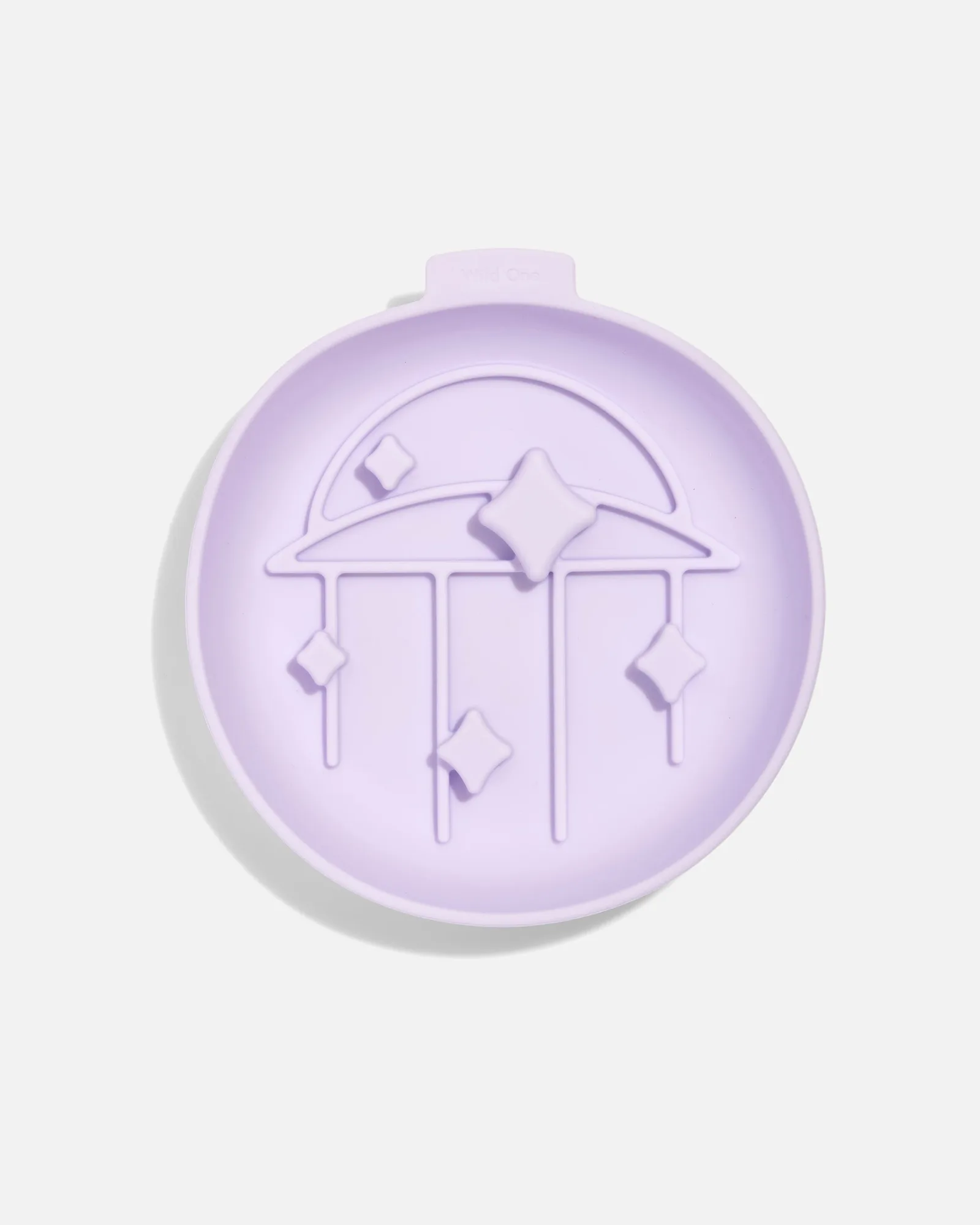
- Dog Slow Feeder: The Slow Feeder features unique ridges and valleys, which can provide an interactive challenge to make mealtime more mentally stimulating, and it can reduce the speed of their eating to improve overall digestion. If your dog is refusing, the challenge might be too high initially. Use the ridges to your advantage by placing treats in the valleys to encourage exploration.
- Cat Slow Feeder: Designed with ridges and valleys to encourage slower eating, it supports better digestion and weight management. While designed for cats, its shallower ridges might be more approachable for small dogs or those with flat faces, offering a gentler introduction to slow feeding.
A slow feeder is a valuable tool for many dogs, but it's not a one-size-fits-all solution. With patience and the right introduction, most dogs will adapt. If not, there are plenty of other ways to promote healthier eating habits. The key is to find what works for your dog's unique needs.