Quick answer
Door noise reduction seals help only when your cabin noise comes from air leaking past a door or window seal. If the noise is tire roar through the floor or rattles from loose trim, seals will disappoint you. Run the tape test below before spending money, then protect the high-wear areas you touch every day.
Door noise reduction seals
You hear it at highway speed: a hiss near the top of the window, a whistle at the mirror, or a low roar that makes conversation feel like work. Before you order a door seal kit, figure out which sound you actually have, because seals fix one specific problem and do nothing for the others.
This guide separates the symptom from the cause, gives you a five-minute test to confirm whether air is leaking, and shows where a seal kit earns its money. It also covers the door-entry and pillar areas that take real abuse, where protection film makes more sense than another strip of rubber.
What door seals can and cannot fix
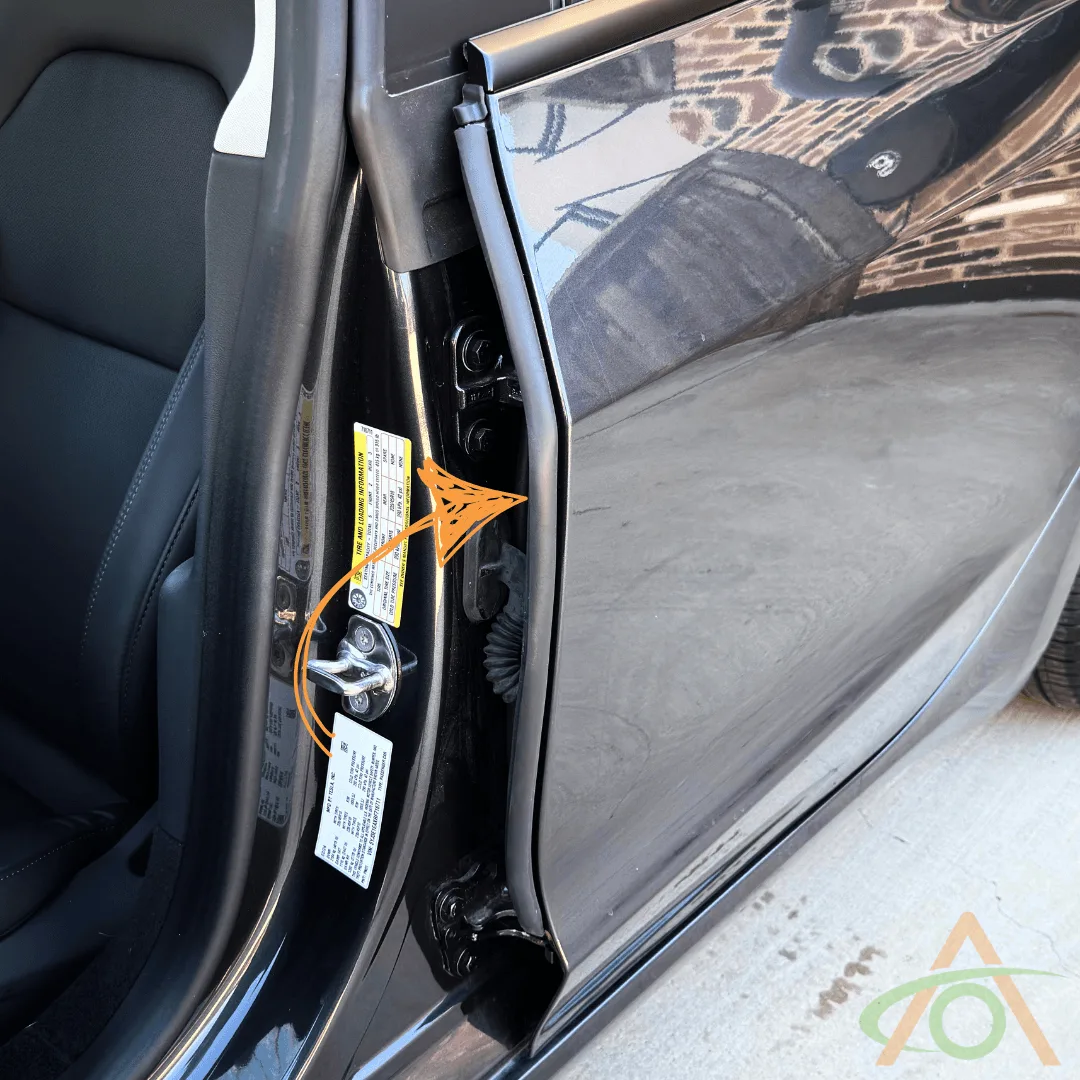
A door seal works by closing the gap between the door frame and the body, so moving air has fewer paths into the cabin. That makes it effective for hissing, whistling, and the rushing sound that gets louder as you accelerate. It does almost nothing for tire roar, which travels through the floor and suspension, or for rattles from clips and trim.
On a Tesla or Rivian, the factory seals are already substantial, so adding a generic strip often just makes the door harder to close. The useful cases are specific: a seal that has compressed with age, a gap at the top of the window, or an aftermarket part that changed the door's fit. Diagnose first, then buy.
- Wind hiss that rises with speed points to an air leak, not tires.
- A steady roar that changes with road surface is tire and floor noise.
- Rattles over bumps are trim and clips, not seals.
The tape test: confirm a leak in five minutes
Tape over the suspect seam with painter's tape, then drive the same stretch of road at the same speed. If the noise drops noticeably, you found an air leak and a seal can help. If nothing changes, the sound is coming through the floor, glass, or body, and a door seal kit is the wrong purchase.
Test one seam at a time so you know which one matters. Start with the top rear corner of the front window, then the mirror triangle, then the door-to-body gap. Write down what you hear before and after each strip, because wind noise is easy to misremember once you are back in the driveway.
- Use painter's tape, not packing tape, so you do not lift paint or trim.
- Keep speed and road consistent between runs.
- If two seams both help, fix the louder one first.
Where seal kits help most on Tesla and Rivian
The most common win is the upper door frame and window channel, where a small gap lets air whistle at highway speed. A secondary win is the door-to-body gap around the latch area, which can transmit a rushing sound. Both are cheap fixes if the tape test confirms them.
Be honest about the limit. If your Rivian cabin noise reduction goal is about tire roar on coarse pavement, seals will not deliver it. That is a floor, wheel-well, and tire question. Spending on seals there just adds weight and closing effort for no gain.
- Fix the seam the tape test proved, not every seam you can reach.
- Recheck door closing effort after installation.
- Do not stack multiple seal layers on the same seam.
Protect the areas seals cannot cover
Even a perfect seal does not stop scuffs at the door sill and lower door panel, which are the parts you and your passengers hit every day. Protection film there keeps shoes, rings, and dog claws from dulling the finish, and it is a more durable answer than replacing worn trim later.
This is also where a small purchase pays off for years. A door sill or door entry film kit costs less than a dealer trim repair and takes minutes to install with the included tools. If your noise complaint came with visible wear at the door opening, handle both at once.
- Clean and dry the surface before any film goes on.
- Work the squeegee from the center out to push out solution.
- Let the film set before washing the area.
Diagnosis: match the sound to the fix
- High-pitched hiss or whistle that rises with speed: Air is escaping past a window or door seal. Run the tape test on the top rear window corner and mirror triangle, then add a seal only to the seam that changes the sound. If tape silences it, a seal kit is worth buying.
- Low roar that changes with road surface: This is tire and floor noise, not a door leak. Seals will not reduce it. Look at tires, wheel-well treatment, and floor coverage instead. Stop here and skip the seal kit.
- Rattle or buzz over bumps: Loose trim, clips, or a misaligned panel. Tighten or reseat the part rather than adding rubber. A seal can even make a panel fit worse. Fix the loose part first, then retest.
- Visible scuffs at the door opening: That is wear, not noise. Use door sill or door entry film to protect the paint and trim you touch every day, and reserve seal work for confirmed air leaks. Protect the wear area; do not seal it.
Products that address the wear around door noise areas
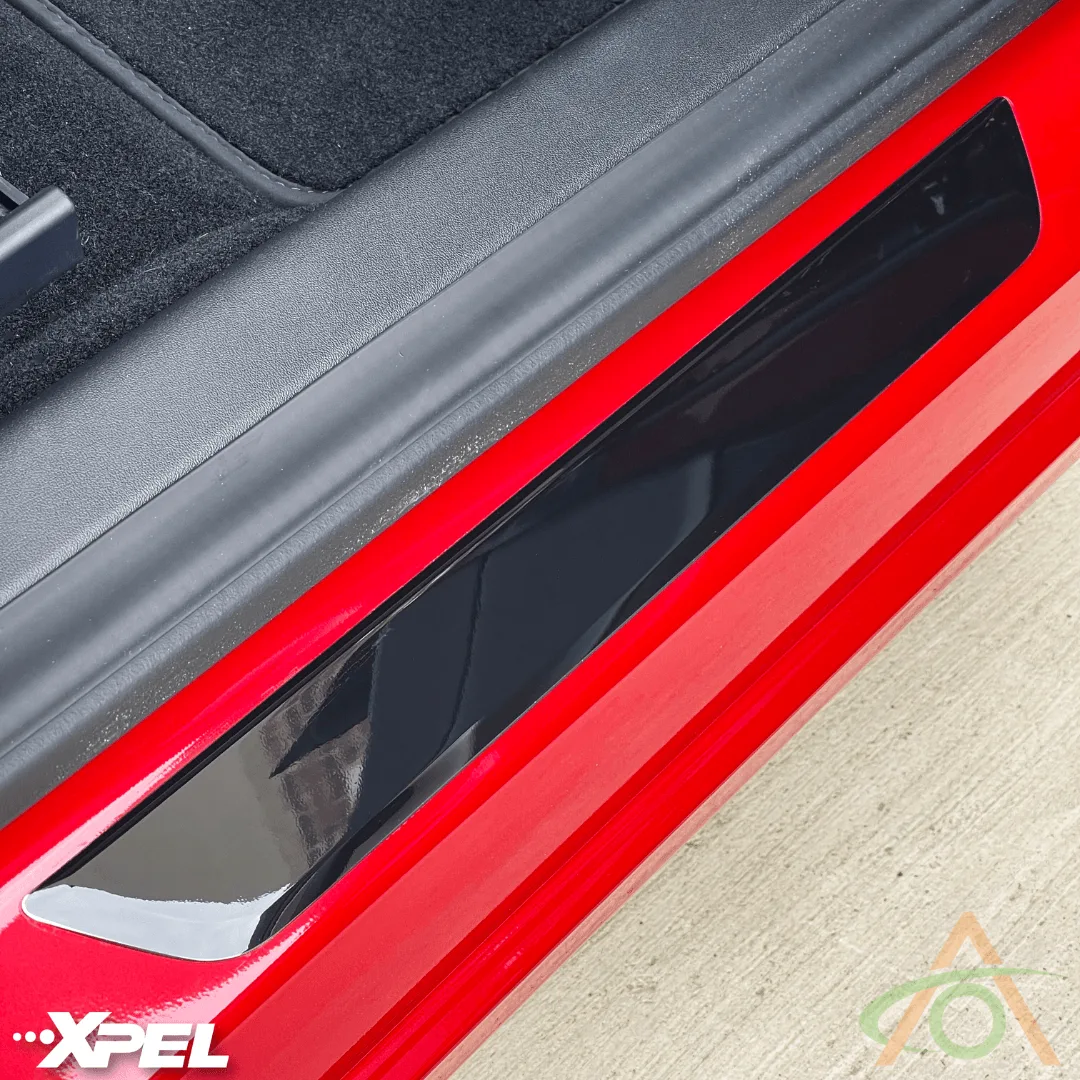
- PPF Door Sill Protectors for Model 3/Y: Made from XPEL Ultimate Plus (glossy) or XPEL Stealth (matte), supplied with a video guide and squeegee for a few-minute application. If your door opening already shows scuffs from daily entry, this protects the sill without changing the look, and the included tools keep it a DIY job.
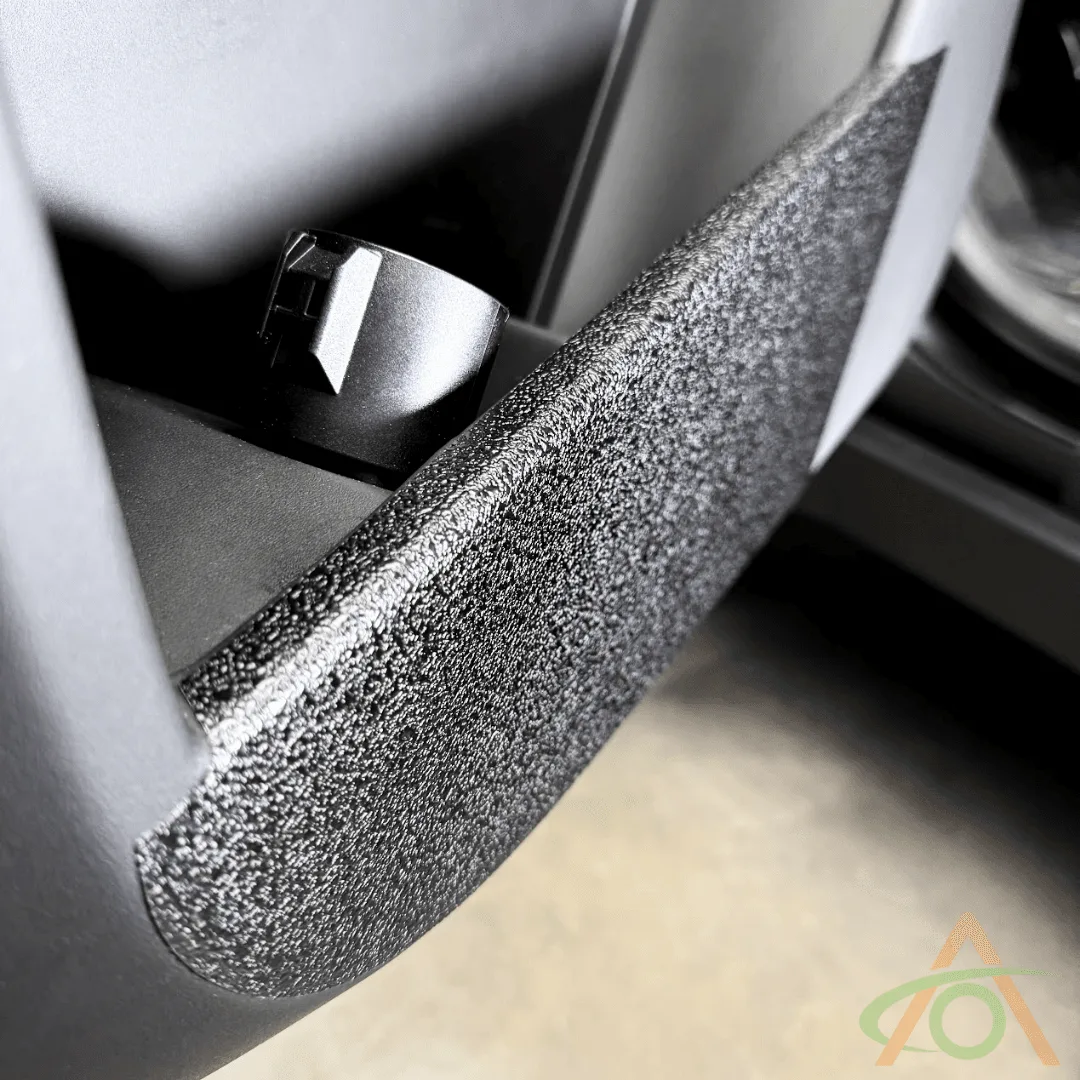
- Xpel Armor Door Panel Protection: 23mil (0.6mm) textured satin black film, resistant to UV, grease, tar, dirt, and oil, for the lower door panel. The lower door panel takes the worst kicks and shoe contact. A thick textured film hides existing wear and resists the grime that collects there.
- B & C Pillar Protection - Vinyl for Cybertruck: Made with 3M 2080 vinyl in Matrix Black or Black Carbon Fiber, with everything needed for a peel-and-apply install. B-pillars are fingerprint magnets and get scratched by jewelry and nails. Vinyl there keeps the high-touch area looking clean without a full wrap.
Door noise reduction seals are a targeted fix, not a blanket upgrade. Confirm the leak with tape, seal only the seam that responds, and spend the rest of your budget on the door entry and pillar areas that actually wear out.