Quick answer
For everyday double walled glass cleaning, hand wash in warm water with a drop of mild dish soap, then rinse and air dry upside down. For tea stains, soak 15–30 minutes in warm water with 1–2 tablespoons of baking soda or a denture-cleaning tablet, then wipe with a soft sponge. Never use abrasive scrubbers or thermal shock, and check your model's instructions before trusting the dishwasher.
Why double wall glass behaves differently from a normal teacup
A double walled glass tea cup is two glass walls with a sealed air gap. That gap is what keeps drinks hot or cold longer and stops condensation from forming on the outside. Because the space is sealed, water and soap can't get inside to rinse away residue, so anything that seeps through a crack stays there. It also means the inner wall is thin and responds quickly to temperature changes. Most cloudiness, odors, and stains come from what sits on the inner surface, not from the glass itself failing.
Everyday cleaning routine that protects the seal
Rinse soon after use so tannins and oils don't dry onto the inner wall. Wash by hand in warm water with a small amount of mild dish soap, using a soft sponge or bottle brush. Pay attention to the rim and the curve where the inner wall meets the base, since those areas trap residue. Rinse thoroughly with warm water, then stand the glass upside down on a drying rack so water drains out. If you prefer the dishwasher, place it on the top rack only and use a gentle cycle with a low-temperature or air dry setting. High heat and harsh detergents are the main risks, so check the manufacturer's guidance first.
- Use warm, not hot, water to avoid thermal shock.
- Skip abrasive pads, steel wool, and gritty cleansers.
- Don't stack glasses directly against each other in the sink or cupboard.
Removing tea stains and cloudiness from glass
Brown film from black or oolong tea usually lifts with a 15–30 minute soak in warm water plus 1–2 tablespoons of baking soda, then a soft wipe. For stubborn rings, fill the glass with warm water and drop in one denture-cleaning tablet; let it fizz for 20 minutes, then rinse well. White vinegar diluted 1:1 with warm water works for mineral haze, but don't leave it in contact for hours. If the cloudiness is between the two walls, no cleaning method will reach it, and that is a sign the seal has failed rather than a stain you can scrub away.
Durability: what these glasses handle well and what they don't
A well-made double walled glass handles normal tea and coffee temperatures, light bumps, and daily washing. It does not handle sudden temperature swings, such as pouring boiling water into a cold glass or moving a hot glass into cold water. It also doesn't handle impact on the rim or base, and the sealed gap can't be repaired once it cracks. Treat it as durable for routine use but not unbreakable, and retire it if you see a crack, condensation inside the wall, or a rattling sound when you tap it.
When to stop cleaning and replace the glass
Stop cleaning and replace the glass if the inner wall shows a hairline crack, if moisture or fog appears between the walls, or if the glass no longer keeps drinks at temperature. These are structural failures, not cleaning problems, and continuing to use it risks a sudden break with hot liquid inside. If the glass is intact and only stained, keep working with the gentle methods above rather than escalating to harsh chemicals or abrasives.
Symptom, cause, and fix
- Brown film or rings on the inner wall: Tannins and tea oils have dried onto the glass. Soak in warm water with 1–2 tablespoons of baking soda for 15–30 minutes, then wipe with a soft sponge and rinse. If the film lifts, the glass is fine. If it stays after two gentle soaks, try a denture tablet before considering replacement.
- Cloudy or foggy patch that won't wipe off: This usually means moisture has entered the sealed air gap through a hairline crack or a failed seal. No cleaning method can reach between the walls. Stop cleaning and replace the glass. A failed seal also reduces insulation and can worsen with heat.
- Persistent odor even after washing: Residue or soap has collected near the rim or base curve where the inner wall meets the outer wall. Rinse with warm water, then soak in warm water with a denture tablet for 20 minutes and rinse again. If the odor remains after two soaks, the glass is trapping residue in an area you can't reach. Replace it rather than using stronger chemicals.
Product facts
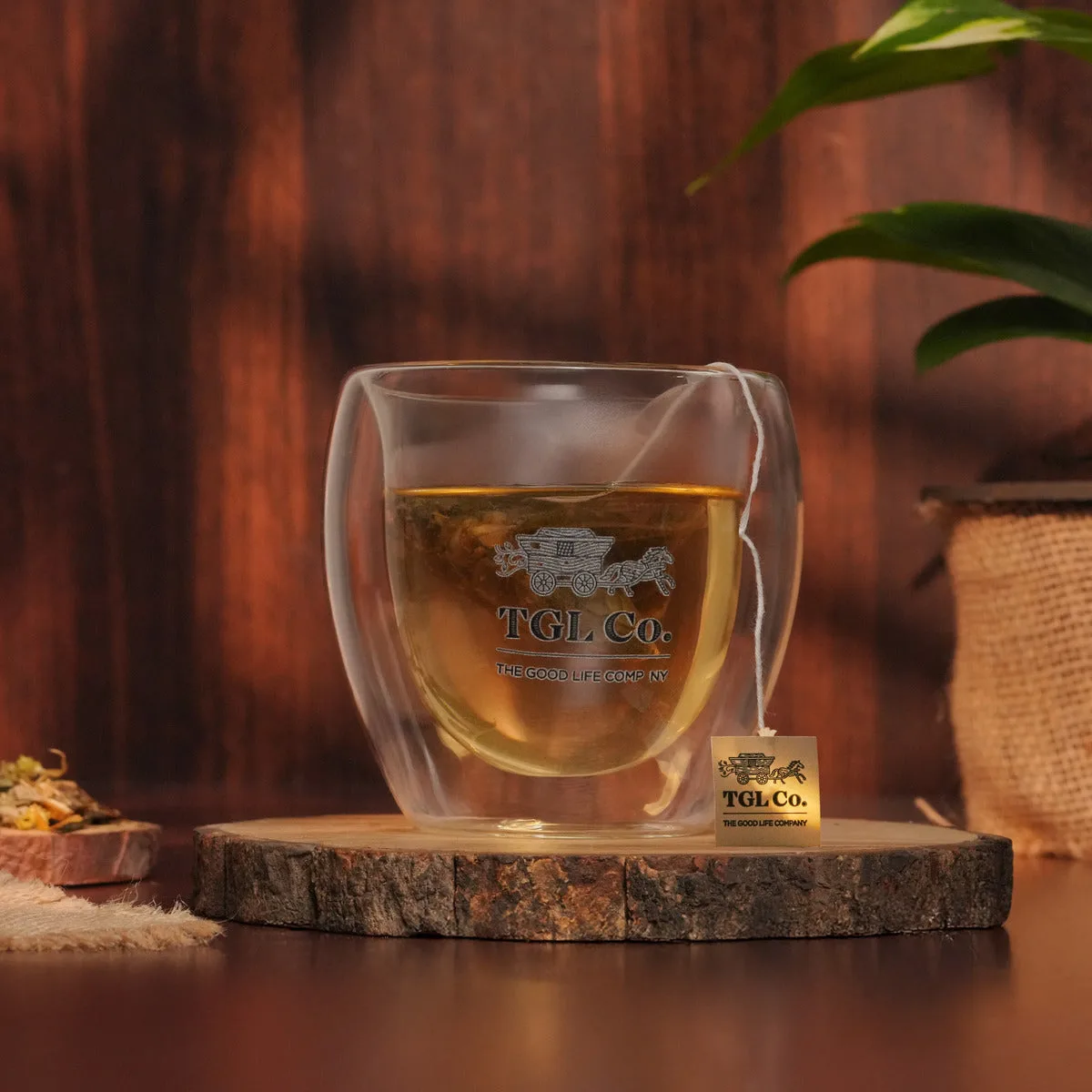
- Double Walled Glass: A sleek, heat-resistant double-walled glass designed to keep beverages hot or cold longer. Its lightweight, condensation-free construction offers a refined, comfortable sipping experience for tea, coffee, and more. Because the glass is condensation-free, you won't see exterior moisture, so check the inner wall and the sealed gap for stains or fog instead of relying on outside dampness as a warning sign.
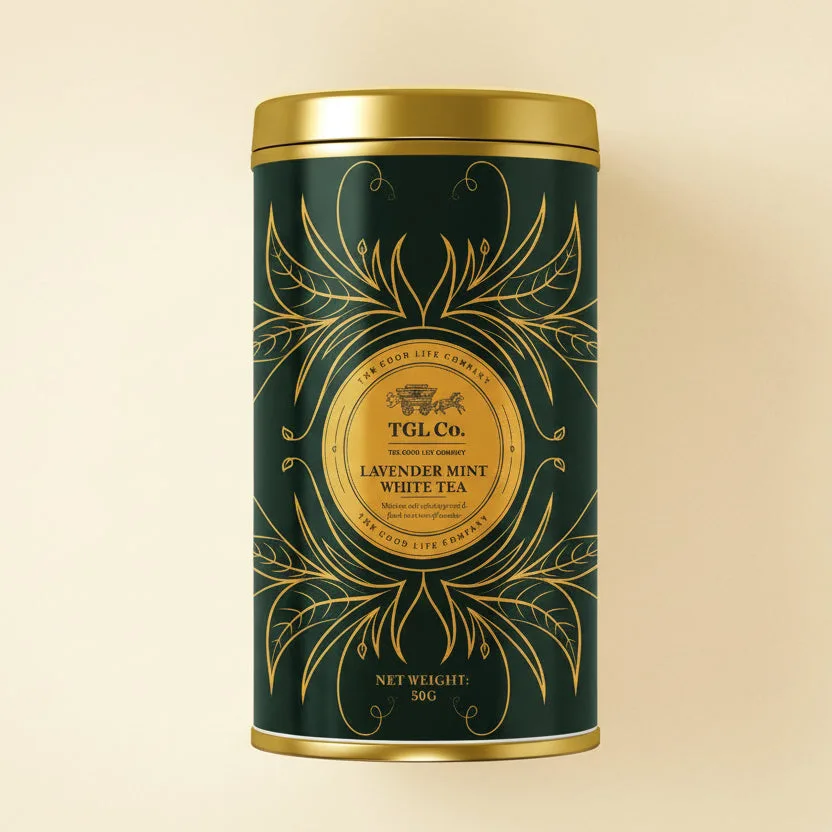
- Lavender Mint White Tea Infusion: A calming white tea blend infused with lavender and mint, offering gentle sweetness, refreshing coolness, and low caffeine—perfect for relaxed afternoons and peaceful evenings. Shelf Life - 12 Months. White tea and herbal blends leave lighter residue than black tea, so a warm-water rinse and short baking soda soak is usually enough to keep the glass clear.
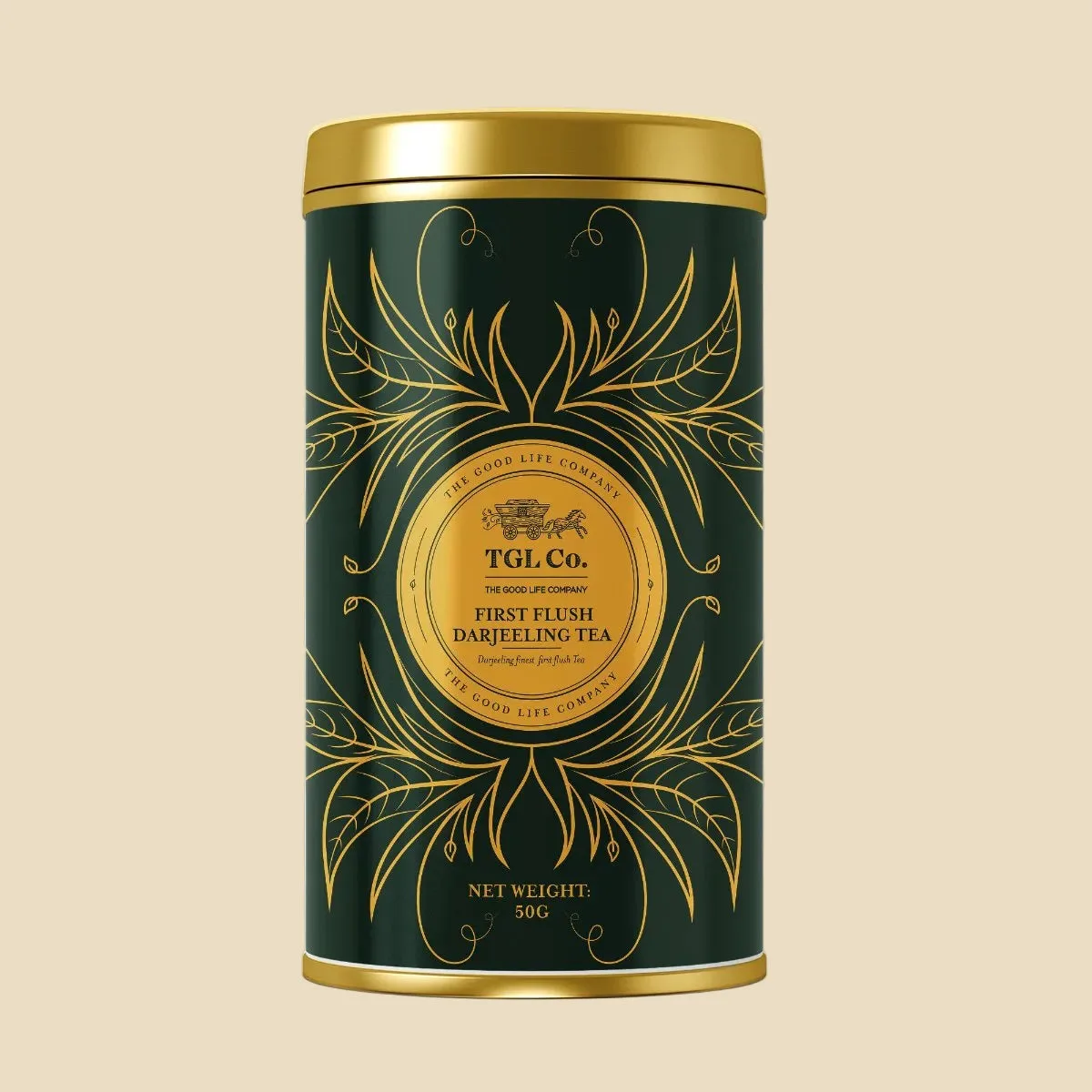
- First Flush Darjeeling Tea: A prized Himalayan tea harvested in early spring, offering floral aroma, crisp brightness, and delicate muscatel notes—celebrated worldwide as the champagne of teas. Shelf Life - 12 Months. Darjeeling's bright, delicate character shows best in a clean glass, so rinse thoroughly after each cup to avoid lingering oils dulling the aroma.