Quick answer
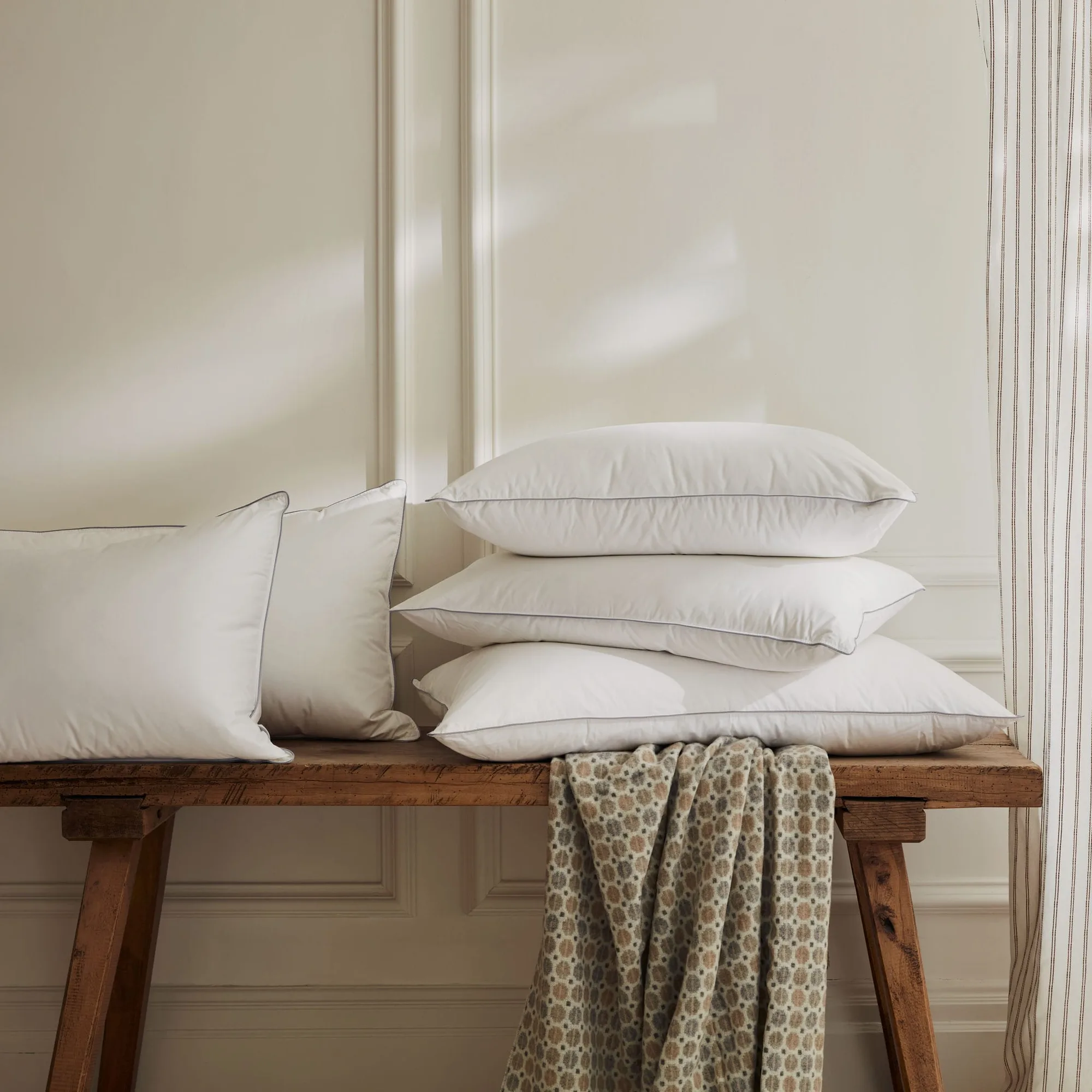
Down pillows offer soft, moldable support and a plush feel, ideal for stomach and side sleepers who want a cloud-like cradle. Feather pillows are firmer, more supportive, and more durable, making them a better match for back sleepers and those who prefer a traditional, lofty pillow. Choose down for luxurious softness; choose feather for resilient support and longevity.
When you’re shopping for a new pillow, the down vs feather debate often comes down to feel versus function. Both are natural fills with loyal fans, but they behave very differently under your head. Understanding those differences is the key to waking up without a stiff neck and actually looking forward to bedtime.
This guide compares down and feather pillows on the factors that matter most: softness, support, durability, temperature regulation, and care. We’ll also point you to pillowcase options that can enhance your comfort, no matter which fill you choose.
What’s the real difference between down and feather?
Down is the soft, fluffy undercoating found beneath the outer feathers of geese and ducks. It consists of clusters of fine filaments that trap air, creating exceptional loft and insulation. Down clusters are light, compressible, and spring back to shape, giving a pillow that sink-in softness many people love.
Feathers, by contrast, are the outer, flat feathers with a central quill. They are firmer and provide more structure and support. Feather pillows tend to be heavier and hold their shape better over time, but the quills can occasionally poke through the fabric—a common annoyance for some sleepers.
- Down: soft, moldable, excellent loft-to-weight ratio
- Feather: firm, supportive, durable, but may have quill pokes
Down pillow benefits: softness and moldable support
Down pillows are prized for their luxurious softness. The clusters conform to the contours of your head and neck, providing a gentle cradle that can relieve pressure points. This makes down pillows a favorite among side sleepers who need a plush surface that fills the gap between the ear and shoulder without pushing the head up too high.
Another benefit is temperature regulation. Down's air-trapping structure allows heat to escape and air to circulate, keeping you cooler than many synthetic fills. However, down pillows require regular fluffing to maintain their loft, and they may not offer enough support for back sleepers who need a firmer surface to keep the spine aligned.
- Best for side and stomach sleepers who prefer a soft, low-profile pillow
- Requires daily fluffing to restore shape
- Naturally breathable and temperature-regulating
Feather pillow benefits: durability and firm support
Feather pillows are known for their firmness and durability. The quills provide a sturdy base that holds up well to nightly use, so a quality feather pillow can last for years with proper care. They also offer more consistent support, making them a solid choice for back sleepers who need a flatter, more stable surface.
The trade-off is that feather pillows are heavier and less moldable than down. Some people find them too firm or feel the quills through the fabric. If you're a stomach sleeper, a feather pillow might push your neck into an awkward angle, leading to discomfort.
- Best for back sleepers who want a firm, supportive pillow
- Long-lasting and resistant to flattening
- Heavier feel and potential quill pokes
Down vs feather: the trade-offs at a glance
- Softness: Down is softer and more moldable, conforming to your head for a cloud-like feel. Feather is firmer and less giving. Choose down if you love a plush, sink-in pillow; choose feather if you prefer a firmer surface.
- Support: Feather provides more structured support, keeping your neck aligned if you sleep on your back. Down may lack the firmness some sleepers need. Back sleepers often prefer feather; side and stomach sleepers often prefer down.
- Durability: Feather pillows tend to last longer and hold their shape better over time. Down pillows may flatten more quickly and need replacing sooner. If you want a pillow that lasts for years, feather is the more durable option.
Pillowcase pairings for your chosen fill
- Mulberry Silk Pillowcase: Our lustrous 100% Mulberry silk pillowcase is made from naturally hypoallergenic, 6A grade, 22 momme silk, with an envelope closure and available in ivory and black. Silk's smooth surface reduces friction, which is especially beneficial if you have sensitive skin or hair. It also helps keep both down and feather pillows clean and protected.
- Egyptian Cotton Percale Pillowcases - Pair: Crafted from 100% Egyptian cotton in a 400 thread count percale weave, these pillowcases are crisp, cool, and breathable with a smooth, matte finish. Percale's breathable weave complements the temperature-regulating properties of down, keeping you cool throughout the night. The crisp texture also adds a fresh feel.
- Egyptian Cotton Sateen Pillowcases - Pair: Our sateen weave 100% Egyptian cotton pillowcases have a 600 thread count, offering a smooth, silky-soft feel with a soothing drape. The silky surface of sateen is gentle on hair and skin, and its smoothness can help reduce friction, making it a comfortable match for both down and feather pillows.
Which filling fits your sleep style?
Best for
- Side and stomach sleepers who prefer a soft, low-profile pillow that cradles the head
- Sleepers who value luxurious softness and don't mind fluffing their pillow daily
Not for
- Back sleepers who need firm, even support to keep the spine aligned
- People who dislike the feel of quills or need a hypoallergenic option
Choosing between down and feather pillows ultimately comes down to your sleep style and personal comfort. Down offers unmatched softness and moldable support, while feather delivers firmness and durability. Consider your usual sleeping position and how much maintenance you're willing to invest. Whichever you choose, pairing it with a breathable, smooth pillowcase can enhance your comfort and protect your investment for years to come.